

Sightseeing near Al Zorah Golf Club
About Sightseeing near Al Zorah Golf Club
Description
Al Zorah Golf Club sits in one of the UAE's more understated corners, and honestly, that's part of its charm. The sightseeing opportunities around this area offer travelers something a bit different from the usual glitzy high-rise scenes you'll find scattered across the Emirates. This spot brings together coastal beauty with mangrove ecosystems that feel worlds away from typical tourist circuits. The area around Al Zorah Golf Club has become a bit of a hidden gem for visitors who want more than just shopping malls and towering skyscrapers. I remember chatting with a fellow traveler who stumbled upon this place by accident while looking for alternative routes around Ajman, and she couldn't stop talking about how refreshing the whole experience felt compared to her Dubai itinerary. What makes this location particularly interesting is how it balances accessibility with natural preservation. The surrounding zones feature protected mangrove forests that stretch along waterways, creating a peaceful backdrop that contrasts beautifully with the manicured greens of the golf course itself. You'll find families walking along designated paths, nature enthusiasts with binoculars pointed skyward, and photographers trying to capture that perfect golden hour shot over the wetlands. The facilities here cater well to different types of visitors. Whether someone's rolling up in a wheelchair or bringing along energetic kids who need space to explore safely, the infrastructure accommodates these needs without feeling overly commercialized. And that's something I genuinely appreciate – places that think about inclusivity without making a huge fuss about it.Key Features
The sightseeing opportunities near Al Zorah Golf Club stand out for several compelling reasons: • Protected mangrove ecosystems that serve as natural habitats for numerous bird species, making it a paradise for birdwatching enthusiasts who want to spot everything from flamingos to herons • Fully accessible entrance points and parking facilities that accommodate wheelchair users, ensuring everyone can experience the natural beauty without barriers • Family-friendly environment with safe pathways and viewing areas where children can learn about coastal ecosystems while parents actually relax for once • Kayaking routes through mangrove channels that provide intimate encounters with marine life and vegetation you won't see anywhere else in the region • Walking and cycling trails that wind through the development, offering exercise with views that actually make you forget you're working out • The Al Zorah Nature Reserve covering roughly 1.5 square kilometers of protected wetlands that attract over 58 species of birds throughout different seasons • Viewing platforms strategically positioned for optimal wildlife observation and photography without disturbing the natural habitats • Proximity to the Arabian Gulf coastline where visitors can transition from mangroves to beaches within minutes • Educational opportunities for visitors interested in environmental conservation and sustainable development practices in arid climates • Peaceful atmosphere that provides genuine escape from urban noise pollution, something increasingly rare in this part of the worldBest Time to Visit
Timing your visit to the Al Zorah area really matters if you want the best experience. The cooler months between November and March offer the most comfortable conditions for outdoor exploration. During this period, temperatures hover around 20-25 degrees Celsius, which means you can actually spend hours outside without feeling like you're melting into the pavement. But here's where it gets interesting – if you're specifically coming for birdwatching, the winter months are absolutely essential. Migratory species pass through between October and April, transforming the mangroves into a bustling avian highway. I've heard from birding enthusiasts that early morning visits during February and March are particularly rewarding when the light is soft and the birds are most active. Summer months from June through September? Well, let's be honest about this. The heat can be brutal, with temperatures easily exceeding 40 degrees Celsius. Unless you have a specific reason to visit during these months or you're somehow immune to extreme heat, you'll probably want to save this experience for cooler weather. That said, if you do venture out in summer, stick to early morning hours before 9 AM or late evening after 5 PM. Weekdays generally provide quieter experiences compared to weekends when local families and expatriates flock to the area. If you're someone who prefers contemplative nature experiences without crowds, Tuesday through Thursday mornings hit that sweet spot. Weekend visits aren't bad though – there's something nice about seeing families enjoying the outdoors together, and the energy can be quite positive. Tidal patterns also affect what you'll see and experience. Low tide exposes more of the mangrove root systems and mudflats where birds feed, while high tide brings water closer to viewing platforms. Check local tide tables before your visit if you want to optimize your experience based on specific interests.How to Get There
Getting to the Al Zorah Golf Club area is fairly straightforward once you understand the regional geography. The location sits in Ajman, which is the smallest emirate but surprisingly accessible from major population centers. If you're coming from Dubai, you're looking at roughly 30-40 minutes of driving depending on traffic conditions. Take Sheikh Mohammed Bin Zayed Road northbound, and follow signage toward Ajman. The route is well-maintained and clearly marked, though weekend traffic can add some time to your journey. From Sharjah, the journey takes even less time – maybe 15-20 minutes under normal conditions. This proximity makes it perfect for day trips when you need a quick escape from city life but don't want to commit to hours of driving. Taxi services and ride-sharing apps operate throughout the region, making car-free travel entirely possible. However, I'd suggest having return transportation arranged beforehand since finding available rides in this area can be less predictable than in downtown Dubai or Sharjah. Nobody wants to finish a peaceful nature walk only to spend an hour trying to summon a ride. For visitors staying in Ajman itself, the location is incredibly convenient and might even be reachable by bicycle depending on where your accommodation is situated. The emirate's compact size makes local exploration more manageable than in sprawling metropolises. Public transportation options exist but aren't particularly convenient for reaching this specific area. Buses serve Ajman, but you'd likely need to combine bus travel with a taxi for the final leg, which defeats some of the cost-saving purpose. Driving yourself offers maximum flexibility for exploring the surrounding areas at your own pace. Parking facilities accommodate various needs including designated spaces for visitors with mobility challenges. The infrastructure here was clearly planned with practical access in mind rather than as an afterthought.Tips for Visiting
Bring proper sun protection regardless of when you visit. Even during cooler months, the UAE sun is no joke, and reflection off water surfaces intensifies exposure. A good hat, sunscreen rated SPF 50 or higher, and sunglasses should be non-negotiable items in your bag. Comfortable walking shoes make all the difference. While paths are well-maintained, you'll be on your feet exploring various viewpoints and trails. Skip the fancy footwear and opt for something breathable with good support. Your feet will thank you later. Binoculars transform the birdwatching experience from "I think I see something over there" to "wow, look at the detail on those feathers." Even basic binoculars elevate your ability to appreciate the wildlife without disturbing it. If you don't own a pair, consider borrowing or buying inexpensive ones before your visit. Water bottles are essential. Dehydration sneaks up on you faster than you'd expect, especially when you're distracted by beautiful scenery. Bring more water than you think you'll need. And while there might be facilities nearby, self-sufficiency means you won't cut your exploration short because of thirst. Camera equipment deserves consideration based on your interests. Smartphone cameras have improved dramatically, but if you're serious about capturing wildlife or landscape shots, a camera with zoom capabilities makes a significant difference. The lighting during golden hour creates magical photo opportunities you won't want to miss. Respect the natural environment by staying on designated paths and avoiding any temptation to disturb wildlife or vegetation. These ecosystems are fragile, and responsible tourism ensures they remain accessible for future visitors. Take only photographs, leave only footprints – yeah, it's a bit cliche, but it's solid advice. Check weather forecasts before heading out. While rain is rare, occasional storms do occur, particularly during winter months. Wind conditions also affect both comfort levels and wildlife visibility. Plan for at least 2-3 hours if you want to properly explore the area without rushing. Quick stops miss the essence of what makes this location special. The whole point is slowing down and connecting with natural rhythms that modern life often obscures. Insect repellent might come in handy, particularly during dawn and dusk hours when mosquitoes become more active near water. Nothing ruins a peaceful nature walk quite like constant swatting and itching. If you're bringing children, pack snacks and activities for potential downtime. While the area is kid-friendly, younger children might need breaks or distractions between points of interest. Preparation prevents meltdowns that nobody enjoys. Consider combining your visit with other Ajman attractions to maximize your day trip. The emirate offers beaches, museums, and cultural sites that complement the natural experiences around Al Zorah nicely. Planning a full-day itinerary gives you better value for your travel time.Key Features
- Protected mangrove forests with boardwalks and birdwatching spots
- 18-hole Al Zorah Championship Golf Course with scenic coastal views
- Calm lagoons and channels ideal for kayaking and small-boat tours
- Marina and waterfront dining options for relaxed meals with views
- Sandy beach pockets and walking trails for sunset photography
More Details
Updated March 30, 2026
Table of Contents
- Description
- Key Features
- Best Time to Visit
- How to Get There
- Tips for Visiting
- Key Highlights
- Location
- Places to Stay Near Sightseeing near Al Zorah Golf Club
- Find and Book a Tour
- Explore More Travel Guides
- Nearby Places You Might Like
- Traveler Reviews for Sightseeing near Al Zorah Golf Club
- Share Your Experience
Description
Al Zorah Golf Club sits in one of the UAE’s more understated corners, and honestly, that’s part of its charm. The sightseeing opportunities around this area offer travelers something a bit different from the usual glitzy high-rise scenes you’ll find scattered across the Emirates. This spot brings together coastal beauty with mangrove ecosystems that feel worlds away from typical tourist circuits.
The area around Al Zorah Golf Club has become a bit of a hidden gem for visitors who want more than just shopping malls and towering skyscrapers. I remember chatting with a fellow traveler who stumbled upon this place by accident while looking for alternative routes around Ajman, and she couldn’t stop talking about how refreshing the whole experience felt compared to her Dubai itinerary.
What makes this location particularly interesting is how it balances accessibility with natural preservation. The surrounding zones feature protected mangrove forests that stretch along waterways, creating a peaceful backdrop that contrasts beautifully with the manicured greens of the golf course itself. You’ll find families walking along designated paths, nature enthusiasts with binoculars pointed skyward, and photographers trying to capture that perfect golden hour shot over the wetlands.
The facilities here cater well to different types of visitors. Whether someone’s rolling up in a wheelchair or bringing along energetic kids who need space to explore safely, the infrastructure accommodates these needs without feeling overly commercialized. And that’s something I genuinely appreciate – places that think about inclusivity without making a huge fuss about it.
Key Features
The sightseeing opportunities near Al Zorah Golf Club stand out for several compelling reasons:
• Protected mangrove ecosystems that serve as natural habitats for numerous bird species, making it a paradise for birdwatching enthusiasts who want to spot everything from flamingos to herons
• Fully accessible entrance points and parking facilities that accommodate wheelchair users, ensuring everyone can experience the natural beauty without barriers
• Family-friendly environment with safe pathways and viewing areas where children can learn about coastal ecosystems while parents actually relax for once
• Kayaking routes through mangrove channels that provide intimate encounters with marine life and vegetation you won’t see anywhere else in the region
• Walking and cycling trails that wind through the development, offering exercise with views that actually make you forget you’re working out
• The Al Zorah Nature Reserve covering roughly 1.5 square kilometers of protected wetlands that attract over 58 species of birds throughout different seasons
• Viewing platforms strategically positioned for optimal wildlife observation and photography without disturbing the natural habitats
• Proximity to the Arabian Gulf coastline where visitors can transition from mangroves to beaches within minutes
• Educational opportunities for visitors interested in environmental conservation and sustainable development practices in arid climates
• Peaceful atmosphere that provides genuine escape from urban noise pollution, something increasingly rare in this part of the world
Best Time to Visit
Timing your visit to the Al Zorah area really matters if you want the best experience. The cooler months between November and March offer the most comfortable conditions for outdoor exploration. During this period, temperatures hover around 20-25 degrees Celsius, which means you can actually spend hours outside without feeling like you’re melting into the pavement.
But here’s where it gets interesting – if you’re specifically coming for birdwatching, the winter months are absolutely essential. Migratory species pass through between October and April, transforming the mangroves into a bustling avian highway. I’ve heard from birding enthusiasts that early morning visits during February and March are particularly rewarding when the light is soft and the birds are most active.
Summer months from June through September? Well, let’s be honest about this. The heat can be brutal, with temperatures easily exceeding 40 degrees Celsius. Unless you have a specific reason to visit during these months or you’re somehow immune to extreme heat, you’ll probably want to save this experience for cooler weather. That said, if you do venture out in summer, stick to early morning hours before 9 AM or late evening after 5 PM.
Weekdays generally provide quieter experiences compared to weekends when local families and expatriates flock to the area. If you’re someone who prefers contemplative nature experiences without crowds, Tuesday through Thursday mornings hit that sweet spot. Weekend visits aren’t bad though – there’s something nice about seeing families enjoying the outdoors together, and the energy can be quite positive.
Tidal patterns also affect what you’ll see and experience. Low tide exposes more of the mangrove root systems and mudflats where birds feed, while high tide brings water closer to viewing platforms. Check local tide tables before your visit if you want to optimize your experience based on specific interests.
How to Get There
Getting to the Al Zorah Golf Club area is fairly straightforward once you understand the regional geography. The location sits in Ajman, which is the smallest emirate but surprisingly accessible from major population centers.
If you’re coming from Dubai, you’re looking at roughly 30-40 minutes of driving depending on traffic conditions. Take Sheikh Mohammed Bin Zayed Road northbound, and follow signage toward Ajman. The route is well-maintained and clearly marked, though weekend traffic can add some time to your journey.
From Sharjah, the journey takes even less time – maybe 15-20 minutes under normal conditions. This proximity makes it perfect for day trips when you need a quick escape from city life but don’t want to commit to hours of driving.
Taxi services and ride-sharing apps operate throughout the region, making car-free travel entirely possible. However, I’d suggest having return transportation arranged beforehand since finding available rides in this area can be less predictable than in downtown Dubai or Sharjah. Nobody wants to finish a peaceful nature walk only to spend an hour trying to summon a ride.
For visitors staying in Ajman itself, the location is incredibly convenient and might even be reachable by bicycle depending on where your accommodation is situated. The emirate’s compact size makes local exploration more manageable than in sprawling metropolises.
Public transportation options exist but aren’t particularly convenient for reaching this specific area. Buses serve Ajman, but you’d likely need to combine bus travel with a taxi for the final leg, which defeats some of the cost-saving purpose.
Driving yourself offers maximum flexibility for exploring the surrounding areas at your own pace. Parking facilities accommodate various needs including designated spaces for visitors with mobility challenges. The infrastructure here was clearly planned with practical access in mind rather than as an afterthought.
Tips for Visiting
Bring proper sun protection regardless of when you visit. Even during cooler months, the UAE sun is no joke, and reflection off water surfaces intensifies exposure. A good hat, sunscreen rated SPF 50 or higher, and sunglasses should be non-negotiable items in your bag.
Comfortable walking shoes make all the difference. While paths are well-maintained, you’ll be on your feet exploring various viewpoints and trails. Skip the fancy footwear and opt for something breathable with good support. Your feet will thank you later.
Binoculars transform the birdwatching experience from “I think I see something over there” to “wow, look at the detail on those feathers.” Even basic binoculars elevate your ability to appreciate the wildlife without disturbing it. If you don’t own a pair, consider borrowing or buying inexpensive ones before your visit.
Water bottles are essential. Dehydration sneaks up on you faster than you’d expect, especially when you’re distracted by beautiful scenery. Bring more water than you think you’ll need. And while there might be facilities nearby, self-sufficiency means you won’t cut your exploration short because of thirst.
Camera equipment deserves consideration based on your interests. Smartphone cameras have improved dramatically, but if you’re serious about capturing wildlife or landscape shots, a camera with zoom capabilities makes a significant difference. The lighting during golden hour creates magical photo opportunities you won’t want to miss.
Respect the natural environment by staying on designated paths and avoiding any temptation to disturb wildlife or vegetation. These ecosystems are fragile, and responsible tourism ensures they remain accessible for future visitors. Take only photographs, leave only footprints – yeah, it’s a bit cliche, but it’s solid advice.
Check weather forecasts before heading out. While rain is rare, occasional storms do occur, particularly during winter months. Wind conditions also affect both comfort levels and wildlife visibility.
Plan for at least 2-3 hours if you want to properly explore the area without rushing. Quick stops miss the essence of what makes this location special. The whole point is slowing down and connecting with natural rhythms that modern life often obscures.
Insect repellent might come in handy, particularly during dawn and dusk hours when mosquitoes become more active near water. Nothing ruins a peaceful nature walk quite like constant swatting and itching.
If you’re bringing children, pack snacks and activities for potential downtime. While the area is kid-friendly, younger children might need breaks or distractions between points of interest. Preparation prevents meltdowns that nobody enjoys.
Consider combining your visit with other Ajman attractions to maximize your day trip. The emirate offers beaches, museums, and cultural sites that complement the natural experiences around Al Zorah nicely. Planning a full-day itinerary gives you better value for your travel time.
Key Highlights
- Protected mangrove forests with boardwalks and birdwatching spots
- 18-hole Al Zorah Championship Golf Course with scenic coastal views
- Calm lagoons and channels ideal for kayaking and small-boat tours
- Marina and waterfront dining options for relaxed meals with views
- Sandy beach pockets and walking trails for sunset photography
Location
Places to Stay Near Sightseeing near Al Zorah Golf Club
Find and Book a Tour
Explore More Travel Guides
No reviews found! Be the first to review!
Sightseeing near Al Zorah Golf Club is a prominent attractions located in AE.
Visit us at: CFFW+R9W – Al Ittihad St – الزورا – Ajman – Emirados Árabes Unidos.
Traveler Reviews for Sightseeing near Al Zorah Golf Club
There are no reviews yet. Be the first one to write one.
Have you visited Sightseeing near Al Zorah Golf Club? Help other travelers by sharing your review.
Nearby Attractions
You Might Also Like

Al Seqb Tunnel

Dreamland Aqua Park
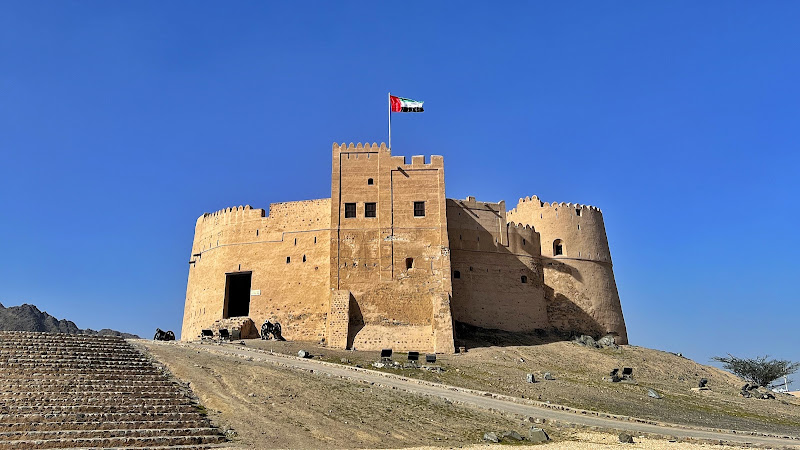
Fujairah Fort
Find Accommodations Nearby
Recommended Tours & Activities
Visitor Reviews
There are no reviews yet. Be the first one to write one.
Share Your Experience
Have you visited Sightseeing near Al Zorah Golf Club? Help other travelers by leaving a review.