

Shri Kali Devi Temple, Patiala
About Shri Kali Devi Temple, Patiala
Description
Shri Kali Devi Temple in Patiala is one of those places that feels alive with stories, traditions, and a certain quiet power that’s hard to describe until you’ve actually stood before the deity yourself. Built in 1936 by Maharaja Bhupinder Singh, the ruler of Patiala, the temple was inspired by his devotion to Goddess Kali. He brought the six-foot-tall idol of Maa Kali and the sacred flame, Paawan Jyot, all the way from Bengal—a detail that still fascinates me every time I think about how people transported such sacred objects back then without the conveniences we take for granted today.
The temple’s architecture reflects a blend of Bengali and traditional Punjabi styles, and honestly, that mix gives it a personality of its own. There’s a certain grandeur in the gold-plated sanctum, yet it doesn’t feel intimidating. The atmosphere is welcoming, especially during the early morning hours when the sound of temple bells and chants fill the air. I remember visiting once during Navratri, and the energy was just electric—thousands of devotees, each lost in their own prayers, yet somehow connected in that shared devotion. It’s the kind of place that humbles you without even trying.
Over the years, the temple has become more than just a religious site—it’s a cultural landmark. Locals drop by for daily darshan, travelers come to admire its history, and photographers often find themselves enchanted by the way sunlight plays across the temple’s red and gold hues. Even if you’re not deeply religious, there’s something grounding about being here. Maybe it’s the centuries of faith that seem to hang in the air, or maybe it’s just the calm rhythm of life around the temple.
Of course, not every visitor has the same experience. Some find the crowds overwhelming, especially during festivals, and others wish for more organized parking or shorter queues. But even with its imperfections, the temple has a charm that endures. It’s one of those rare places where faith, history, and community come together in a way that feels authentic, not commercialized. If you’re traveling through Patiala, skipping this temple would honestly feel like skipping a piece of the city’s soul.
Key Features
- Historical Significance: Built in 1936 by Maharaja Bhupinder Singh, the temple carries the legacy of Patiala’s royal devotion and architectural splendor.
- Unique Idol of Maa Kali: The six-foot-tall idol, brought from Bengal, is one of the most striking features. It stands tall in the sanctum, exuding both grace and power.
- Paawan Jyot: The eternal flame that was also brought from Bengal continues to burn here, symbolizing the unbroken chain of faith.
- Architectural Blend: A fusion of Bengali temple design with Punjabi influences, featuring intricate carvings and a gold-plated inner sanctum.
- Festival Celebrations: During Navratri, the temple becomes a hub of devotion, music, and color, attracting thousands of devotees from across Punjab and beyond.
- Accessibility: The temple is wheelchair accessible, with ramps and designated parking, making it easier for everyone to visit comfortably.
- Facilities: Clean restrooms, free parking, and shaded areas for resting make it a convenient stop for travelers.
- Spiritual Ambience: The rhythmic chanting, ringing bells, and aroma of incense create a deeply spiritual atmosphere that lingers long after you leave.
Best Time to Visit
If you ask me, the temple feels different depending on when you visit. Early mornings are my favorite—the air is cool, the crowds are thin, and the sound of the morning aarti is both soothing and invigorating. But if you’re looking for a more festive vibe, time your visit during Navratri. The temple comes alive with lights, flowers, and an energy that’s almost tangible. That said, be ready for large crowds and long lines; it’s part of the experience, really.
Winter, from October to February, is generally the best season for travelers. The weather in Patiala is pleasant, perfect for exploring not just the temple but also nearby attractions like Baradari Gardens right across the road. Summers can get pretty intense here—temperatures often soar, and the heat can make it tough to enjoy the temple grounds fully. Monsoons, on the other hand, bring a lovely freshness, though you might want to carry an umbrella just in case.
Honestly, there’s no bad time to visit if you come with the right mindset. The temple’s mood changes with the seasons, and that’s part of its charm. Whether you’re here for spiritual solace or simply to admire the craftsmanship, every visit feels a little different from the last.
How to Get There
Reaching Shri Kali Devi Temple is quite straightforward. Patiala is well-connected by road and rail to major cities like Chandigarh, Ludhiana, and Delhi. If you’re driving, the temple is easy to find—it’s located opposite the Baradari Gardens on Mall Road, one of the city’s most recognizable landmarks. Parking is free, though during peak hours it can be a bit of a hunt to find a spot close to the entrance.
For those coming by train, Patiala Railway Station is just a short drive away, and you can easily grab an auto-rickshaw or cab to the temple. If you’re flying in, Chandigarh International Airport is the nearest major airport, about 65 kilometers away. The drive from there takes roughly an hour and a half, give or take, depending on traffic. Local buses and ride-hailing apps are also available for convenient travel within the city.
One small piece of advice—if you’re visiting for a festival or a special occasion, plan your transport well in advance. Roads can get pretty packed, and it’s always better to arrive early, not just to beat the traffic but also to soak in the temple’s peaceful vibe before the crowds start pouring in.
Tips for Visiting
Visiting the Shri Kali Devi Temple can be a deeply rewarding experience, but a few small things can make your trip smoother and more meaningful. I’ve learned these through a mix of personal experience and a few rookie mistakes along the way, so here’s what I’d suggest:
- Arrive Early: Morning hours are the best if you want to avoid rush and experience a calmer atmosphere. The aarti around sunrise is particularly beautiful.
- Dress Modestly: As with most temples in India, modest clothing is appreciated. Light cotton attire works best, especially in the warmer months.
- Mind Your Footwear: Shoes aren’t allowed inside the temple premises. There’s a designated area to keep them safely, but it’s a good idea to carry socks if the ground feels too hot or cold.
- Respect the Rituals: Even if you’re not familiar with Hindu customs, observing quietly and respectfully goes a long way. The priests are usually happy to explain rituals if you ask politely.
- Carry Cash: While donations are optional, small offerings or prasad purchases typically require cash. ATMs are nearby but can get busy during festivals.
- Stay Hydrated: Especially in summer, carry a water bottle. There are shaded areas, but the heat can sneak up on you.
- Photography: While the exterior is perfect for photos, avoid taking pictures inside the sanctum unless explicitly allowed. The temple’s true beauty is best experienced, not just captured.
- Festival Visits: If you plan to visit during Navratri, expect large crowds and long queues. It’s worth it, though—the energy during those days is something you’ll remember for a long time.
- Accessibility: The temple is wheelchair-friendly, with ramps and accessible parking spots, so visitors with mobility challenges can explore comfortably.
All in all, Shri Kali Devi Temple isn’t just a spot to tick off your travel list—it’s a place that invites you to pause, reflect, and maybe even reconnect with something deeper. Whether you come seeking blessings, history, or simply a moment of peace in the middle of Patiala’s lively rhythm, you’ll likely leave with more than you expected. And that, to me, is what makes this temple so special.
Key Features
- Key Features
- Best Time to Visit
- How to Get There
- Tips for Visiting
More Details
Updated December 1, 2025
Table of Contents
Description
Shri Kali Devi Temple in Patiala is one of those places that feels alive with stories, traditions, and a certain quiet power that’s hard to describe until you’ve actually stood before the deity yourself. Built in 1936 by Maharaja Bhupinder Singh, the ruler of Patiala, the temple was inspired by his devotion to Goddess Kali. He brought the six-foot-tall idol of Maa Kali and the sacred flame, Paawan Jyot, all the way from Bengal—a detail that still fascinates me every time I think about how people transported such sacred objects back then without the conveniences we take for granted today.
The temple’s architecture reflects a blend of Bengali and traditional Punjabi styles, and honestly, that mix gives it a personality of its own. There’s a certain grandeur in the gold-plated sanctum, yet it doesn’t feel intimidating. The atmosphere is welcoming, especially during the early morning hours when the sound of temple bells and chants fill the air. I remember visiting once during Navratri, and the energy was just electric—thousands of devotees, each lost in their own prayers, yet somehow connected in that shared devotion. It’s the kind of place that humbles you without even trying.
Over the years, the temple has become more than just a religious site—it’s a cultural landmark. Locals drop by for daily darshan, travelers come to admire its history, and photographers often find themselves enchanted by the way sunlight plays across the temple’s red and gold hues. Even if you’re not deeply religious, there’s something grounding about being here. Maybe it’s the centuries of faith that seem to hang in the air, or maybe it’s just the calm rhythm of life around the temple.
Of course, not every visitor has the same experience. Some find the crowds overwhelming, especially during festivals, and others wish for more organized parking or shorter queues. But even with its imperfections, the temple has a charm that endures. It’s one of those rare places where faith, history, and community come together in a way that feels authentic, not commercialized. If you’re traveling through Patiala, skipping this temple would honestly feel like skipping a piece of the city’s soul.
Key Features
- Historical Significance: Built in 1936 by Maharaja Bhupinder Singh, the temple carries the legacy of Patiala’s royal devotion and architectural splendor.
- Unique Idol of Maa Kali: The six-foot-tall idol, brought from Bengal, is one of the most striking features. It stands tall in the sanctum, exuding both grace and power.
- Paawan Jyot: The eternal flame that was also brought from Bengal continues to burn here, symbolizing the unbroken chain of faith.
- Architectural Blend: A fusion of Bengali temple design with Punjabi influences, featuring intricate carvings and a gold-plated inner sanctum.
- Festival Celebrations: During Navratri, the temple becomes a hub of devotion, music, and color, attracting thousands of devotees from across Punjab and beyond.
- Accessibility: The temple is wheelchair accessible, with ramps and designated parking, making it easier for everyone to visit comfortably.
- Facilities: Clean restrooms, free parking, and shaded areas for resting make it a convenient stop for travelers.
- Spiritual Ambience: The rhythmic chanting, ringing bells, and aroma of incense create a deeply spiritual atmosphere that lingers long after you leave.
Best Time to Visit
If you ask me, the temple feels different depending on when you visit. Early mornings are my favorite—the air is cool, the crowds are thin, and the sound of the morning aarti is both soothing and invigorating. But if you’re looking for a more festive vibe, time your visit during Navratri. The temple comes alive with lights, flowers, and an energy that’s almost tangible. That said, be ready for large crowds and long lines; it’s part of the experience, really.
Winter, from October to February, is generally the best season for travelers. The weather in Patiala is pleasant, perfect for exploring not just the temple but also nearby attractions like Baradari Gardens right across the road. Summers can get pretty intense here—temperatures often soar, and the heat can make it tough to enjoy the temple grounds fully. Monsoons, on the other hand, bring a lovely freshness, though you might want to carry an umbrella just in case.
Honestly, there’s no bad time to visit if you come with the right mindset. The temple’s mood changes with the seasons, and that’s part of its charm. Whether you’re here for spiritual solace or simply to admire the craftsmanship, every visit feels a little different from the last.
How to Get There
Reaching Shri Kali Devi Temple is quite straightforward. Patiala is well-connected by road and rail to major cities like Chandigarh, Ludhiana, and Delhi. If you’re driving, the temple is easy to find—it’s located opposite the Baradari Gardens on Mall Road, one of the city’s most recognizable landmarks. Parking is free, though during peak hours it can be a bit of a hunt to find a spot close to the entrance.
For those coming by train, Patiala Railway Station is just a short drive away, and you can easily grab an auto-rickshaw or cab to the temple. If you’re flying in, Chandigarh International Airport is the nearest major airport, about 65 kilometers away. The drive from there takes roughly an hour and a half, give or take, depending on traffic. Local buses and ride-hailing apps are also available for convenient travel within the city.
One small piece of advice—if you’re visiting for a festival or a special occasion, plan your transport well in advance. Roads can get pretty packed, and it’s always better to arrive early, not just to beat the traffic but also to soak in the temple’s peaceful vibe before the crowds start pouring in.
Tips for Visiting
Visiting the Shri Kali Devi Temple can be a deeply rewarding experience, but a few small things can make your trip smoother and more meaningful. I’ve learned these through a mix of personal experience and a few rookie mistakes along the way, so here’s what I’d suggest:
- Arrive Early: Morning hours are the best if you want to avoid rush and experience a calmer atmosphere. The aarti around sunrise is particularly beautiful.
- Dress Modestly: As with most temples in India, modest clothing is appreciated. Light cotton attire works best, especially in the warmer months.
- Mind Your Footwear: Shoes aren’t allowed inside the temple premises. There’s a designated area to keep them safely, but it’s a good idea to carry socks if the ground feels too hot or cold.
- Respect the Rituals: Even if you’re not familiar with Hindu customs, observing quietly and respectfully goes a long way. The priests are usually happy to explain rituals if you ask politely.
- Carry Cash: While donations are optional, small offerings or prasad purchases typically require cash. ATMs are nearby but can get busy during festivals.
- Stay Hydrated: Especially in summer, carry a water bottle. There are shaded areas, but the heat can sneak up on you.
- Photography: While the exterior is perfect for photos, avoid taking pictures inside the sanctum unless explicitly allowed. The temple’s true beauty is best experienced, not just captured.
- Festival Visits: If you plan to visit during Navratri, expect large crowds and long queues. It’s worth it, though—the energy during those days is something you’ll remember for a long time.
- Accessibility: The temple is wheelchair-friendly, with ramps and accessible parking spots, so visitors with mobility challenges can explore comfortably.
All in all, Shri Kali Devi Temple isn’t just a spot to tick off your travel list—it’s a place that invites you to pause, reflect, and maybe even reconnect with something deeper. Whether you come seeking blessings, history, or simply a moment of peace in the middle of Patiala’s lively rhythm, you’ll likely leave with more than you expected. And that, to me, is what makes this temple so special.
Key Highlights
- Key Features
- Best Time to Visit
- How to Get There
- Tips for Visiting
Location
Places to Stay Near Shri Kali Devi Temple, Patiala
Find and Book a Tour
Explore More Travel Guides
No reviews found! Be the first to review!
Traveler Reviews for Shri Kali Devi Temple, Patiala
There are no reviews yet. Be the first one to write one.
Have you visited Shri Kali Devi Temple, Patiala? Help other travelers by sharing your review.
You Might Also Like

Bicycle Market
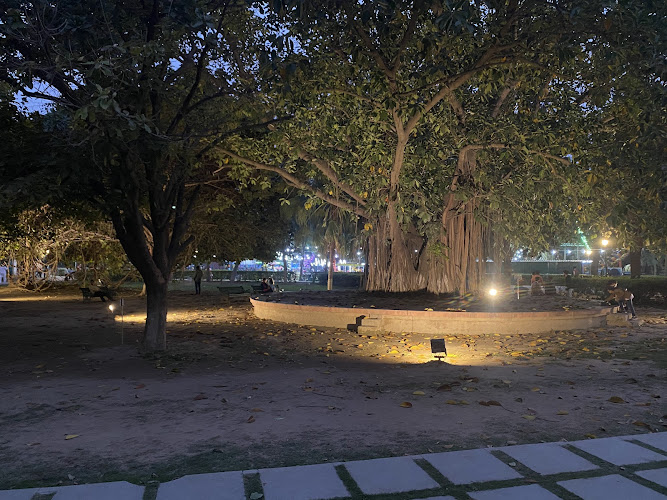
Baradari Park

Sheesh Mahal Patiala
Find Accommodations Nearby
Recommended Tours & Activities
Visitor Reviews
There are no reviews yet. Be the first one to write one.
Share Your Experience
Have you visited Shri Kali Devi Temple, Patiala? Help other travelers by leaving a review.