
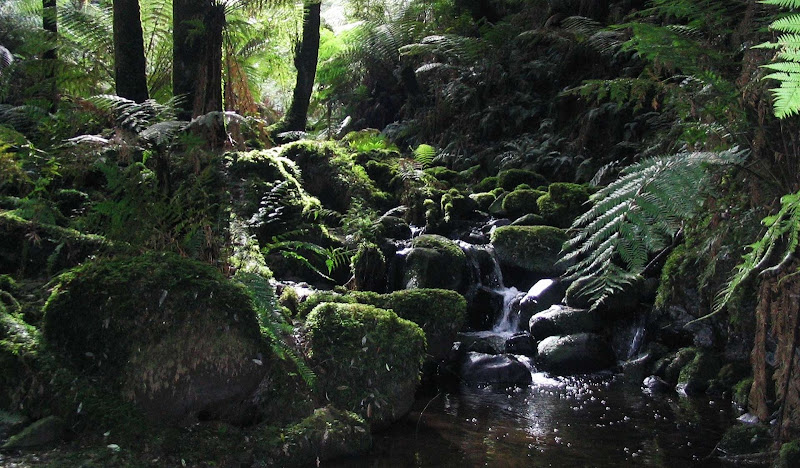
Sherbrooke Falls
About Sherbrooke Falls
Description
Sherbrooke Falls is one of those places that doesn’t shout for attention, and honestly, that’s part of its charm. The walk in is along a gravel path that feels pleasantly old-school, winding its way through thick ferns and tall ash trees that block out the noise of the outside world. After a few minutes, your shoulders drop. You breathe a little deeper. That’s when you know you’re on the right track.
The waterfall itself isn’t the tallest or loudest you’ll ever see, but it has a steady, calming presence. Water spills over rock ledges into a cool pool below, and depending on recent rain, it can be anything from a gentle trickle to a surprisingly strong cascade. I’ve been here after a dry spell and thought, oh, that’s it? And then returned after winter rains and stood there getting misted, grinning like an idiot. Same place, totally different mood.
This spot is popular with travelers who want an easy nature fix without committing to a hardcore hike. Families, solo wanderers, couples killing an afternoon, they all show up here. And yeah, it gets busy at times, which can break the spell a little. But if you come early or on a quiet weekday, it still feels personal, like the forest is letting you in on a secret.
Wildlife sightings are not guaranteed, but they happen often enough to keep you alert. I once had to stop dead on the path because a wombat was waddling across like it owned the place. And don’t get me started on the parrots. Bright blue flashes darting through the trees, squawking and showing off. Even if you miss them, you’ll hear them. They’re not shy.
Sherbrooke Falls works best if you let it be what it is. It’s not a thrill ride. It’s a reset button. Walk slowly, look up at the canopy, and don’t rush back to the car. The place rewards patience.
Key Features
- Well-maintained gravel walking path suitable for most fitness levels
- Waterfall surrounded by dense ferns and towering ash trees
- Frequent wildlife sightings, including wombats and blue parrots
- Shaded trail that stays cool even on warmer days
- Onsite services that make short visits easy and comfortable
- Accessible year-round with changing scenery across seasons
- Photogenic spots without needing technical camera skills
Best Time to Visit
The best time to visit Sherbrooke Falls really depends on what you want out of the experience. If you’re chasing that classic, full-flow waterfall look, late winter through early spring is your window. Rainfall during these months feeds the falls nicely, and the forest smells incredible, damp earth, wet leaves, the whole deal.
Summer has its perks too, especially if you’re escaping the heat. The trail stays relatively cool thanks to the thick tree cover, and the walk feels manageable even on warmer days. Just know that the waterfall might be less dramatic then. Still pretty, just quieter. But sometimes quiet is exactly what you need, right?
Autumn is my personal favorite. The light filtering through the trees gets softer, the air has that crisp edge, and there are fewer people around. Mornings in autumn are magic here. I once arrived just after sunrise, thermos in hand, and had the falls almost entirely to myself. That memory sticks.
Time of day matters more than people think. Early mornings and late afternoons are calmer, and wildlife is more active. Midday can feel crowded, especially on weekends or school holidays. If you’re the type who hates sharing a trail, set your alarm and thank yourself later.
How to Get There
Getting to Sherbrooke Falls is refreshingly straightforward, which is probably why it attracts such a wide mix of visitors. The drive takes you through scenic forested areas, and honestly, the journey is half the fun. Roll your windows down if you can. The air smells like eucalyptus and rain, depending on the day.
Parking is generally close to the trailhead, making it easy for travelers who don’t want a long trek just to start walking. From there, it’s a clear, well-marked path. No guesswork, no need to constantly check your phone. I appreciate that more than I probably should.
Public transport options exist, but they require a bit of planning and a willingness to walk extra. If you’re relying on buses or trains, factor in additional time and maybe pack a snack. Trust me, you’ll want it once you’re surrounded by trees and have lost track of time.
For road trippers, this stop fits nicely into a broader day of exploring nearby natural attractions. It’s one of those places that doesn’t demand your whole day but leaves you glad you stopped.
Tips for Visiting
First tip, wear decent shoes. The gravel path is easy, but after rain it can get slippery in spots. I learned that the hard way, nearly doing an accidental dance move in front of strangers. Save yourself the embarrassment.
Second, bring a light jacket even if the forecast looks friendly. The forest creates its own microclimate, and it can feel cooler near the waterfall. Especially if you linger, which you probably will.
If you’re keen on wildlife, slow down. Most people rush straight to the falls and back, missing half the experience. Pause, listen, look around. Wombats don’t care about your schedule, and parrots won’t pose on command. Patience helps.
Photography tip: overcast days are actually great here. The soft light reduces harsh shadows, and the greens look richer. You don’t need fancy gear either. A phone camera does just fine if you steady your hands and wait for the right moment.
Be mindful of noise. This isn’t a party spot, and loud music kind of ruins it for everyone. Plus, quieter trails mean better chances of spotting animals. It’s a win-win.
And lastly, don’t judge the place too quickly. Some people walk in, see the waterfall, and leave unimpressed. But if you give it time, wander slowly, maybe sit on a rock for a bit, the place grows on you. It’s subtle. Not flashy. But it sticks.
Sherbrooke Falls isn’t about ticking a box or chasing bragging rights. It’s about taking a breather, reconnecting with nature, and maybe, just maybe, spotting a wombat on your way back. And if that happens, your day is officially made.
Key Features
- Well-maintained gravel walking path suitable for most fitness levels
- Waterfall surrounded by dense ferns and towering ash trees
- Frequent wildlife sightings, including wombats and blue parrots
- Shaded trail that stays cool even on warmer days
- Onsite services that make short visits easy and comfortable
- Accessible year-round with changing scenery across seasons
- Photogenic spots without needing technical camera skills
More Details
Updated December 31, 2025
Table of Contents
Description
Sherbrooke Falls is one of those places that doesn’t shout for attention, and honestly, that’s part of its charm. The walk in is along a gravel path that feels pleasantly old-school, winding its way through thick ferns and tall ash trees that block out the noise of the outside world. After a few minutes, your shoulders drop. You breathe a little deeper. That’s when you know you’re on the right track.
The waterfall itself isn’t the tallest or loudest you’ll ever see, but it has a steady, calming presence. Water spills over rock ledges into a cool pool below, and depending on recent rain, it can be anything from a gentle trickle to a surprisingly strong cascade. I’ve been here after a dry spell and thought, oh, that’s it? And then returned after winter rains and stood there getting misted, grinning like an idiot. Same place, totally different mood.
This spot is popular with travelers who want an easy nature fix without committing to a hardcore hike. Families, solo wanderers, couples killing an afternoon, they all show up here. And yeah, it gets busy at times, which can break the spell a little. But if you come early or on a quiet weekday, it still feels personal, like the forest is letting you in on a secret.
Wildlife sightings are not guaranteed, but they happen often enough to keep you alert. I once had to stop dead on the path because a wombat was waddling across like it owned the place. And don’t get me started on the parrots. Bright blue flashes darting through the trees, squawking and showing off. Even if you miss them, you’ll hear them. They’re not shy.
Sherbrooke Falls works best if you let it be what it is. It’s not a thrill ride. It’s a reset button. Walk slowly, look up at the canopy, and don’t rush back to the car. The place rewards patience.
Key Features
- Well-maintained gravel walking path suitable for most fitness levels
- Waterfall surrounded by dense ferns and towering ash trees
- Frequent wildlife sightings, including wombats and blue parrots
- Shaded trail that stays cool even on warmer days
- Onsite services that make short visits easy and comfortable
- Accessible year-round with changing scenery across seasons
- Photogenic spots without needing technical camera skills
Best Time to Visit
The best time to visit Sherbrooke Falls really depends on what you want out of the experience. If you’re chasing that classic, full-flow waterfall look, late winter through early spring is your window. Rainfall during these months feeds the falls nicely, and the forest smells incredible, damp earth, wet leaves, the whole deal.
Summer has its perks too, especially if you’re escaping the heat. The trail stays relatively cool thanks to the thick tree cover, and the walk feels manageable even on warmer days. Just know that the waterfall might be less dramatic then. Still pretty, just quieter. But sometimes quiet is exactly what you need, right?
Autumn is my personal favorite. The light filtering through the trees gets softer, the air has that crisp edge, and there are fewer people around. Mornings in autumn are magic here. I once arrived just after sunrise, thermos in hand, and had the falls almost entirely to myself. That memory sticks.
Time of day matters more than people think. Early mornings and late afternoons are calmer, and wildlife is more active. Midday can feel crowded, especially on weekends or school holidays. If you’re the type who hates sharing a trail, set your alarm and thank yourself later.
How to Get There
Getting to Sherbrooke Falls is refreshingly straightforward, which is probably why it attracts such a wide mix of visitors. The drive takes you through scenic forested areas, and honestly, the journey is half the fun. Roll your windows down if you can. The air smells like eucalyptus and rain, depending on the day.
Parking is generally close to the trailhead, making it easy for travelers who don’t want a long trek just to start walking. From there, it’s a clear, well-marked path. No guesswork, no need to constantly check your phone. I appreciate that more than I probably should.
Public transport options exist, but they require a bit of planning and a willingness to walk extra. If you’re relying on buses or trains, factor in additional time and maybe pack a snack. Trust me, you’ll want it once you’re surrounded by trees and have lost track of time.
For road trippers, this stop fits nicely into a broader day of exploring nearby natural attractions. It’s one of those places that doesn’t demand your whole day but leaves you glad you stopped.
Tips for Visiting
First tip, wear decent shoes. The gravel path is easy, but after rain it can get slippery in spots. I learned that the hard way, nearly doing an accidental dance move in front of strangers. Save yourself the embarrassment.
Second, bring a light jacket even if the forecast looks friendly. The forest creates its own microclimate, and it can feel cooler near the waterfall. Especially if you linger, which you probably will.
If you’re keen on wildlife, slow down. Most people rush straight to the falls and back, missing half the experience. Pause, listen, look around. Wombats don’t care about your schedule, and parrots won’t pose on command. Patience helps.
Photography tip: overcast days are actually great here. The soft light reduces harsh shadows, and the greens look richer. You don’t need fancy gear either. A phone camera does just fine if you steady your hands and wait for the right moment.
Be mindful of noise. This isn’t a party spot, and loud music kind of ruins it for everyone. Plus, quieter trails mean better chances of spotting animals. It’s a win-win.
And lastly, don’t judge the place too quickly. Some people walk in, see the waterfall, and leave unimpressed. But if you give it time, wander slowly, maybe sit on a rock for a bit, the place grows on you. It’s subtle. Not flashy. But it sticks.
Sherbrooke Falls isn’t about ticking a box or chasing bragging rights. It’s about taking a breather, reconnecting with nature, and maybe, just maybe, spotting a wombat on your way back. And if that happens, your day is officially made.
Key Highlights
- Well-maintained gravel walking path suitable for most fitness levels
- Waterfall surrounded by dense ferns and towering ash trees
- Frequent wildlife sightings, including wombats and blue parrots
- Shaded trail that stays cool even on warmer days
- Onsite services that make short visits easy and comfortable
- Accessible year-round with changing scenery across seasons
- Photogenic spots without needing technical camera skills
Location
Places to Stay Near Sherbrooke Falls
Find and Book a Tour
Explore More Travel Guides
No reviews found! Be the first to review!
Traveler Reviews for Sherbrooke Falls
There are no reviews yet. Be the first one to write one.
Have you visited Sherbrooke Falls? Help other travelers by sharing your review.
You Might Also Like
Allée de murale de Sherbrooke
Bois Beckett

Municipal Beach Park
Find Accommodations Nearby
Recommended Tours & Activities
Visitor Reviews
There are no reviews yet. Be the first one to write one.
Share Your Experience
Have you visited Sherbrooke Falls? Help other travelers by leaving a review.