
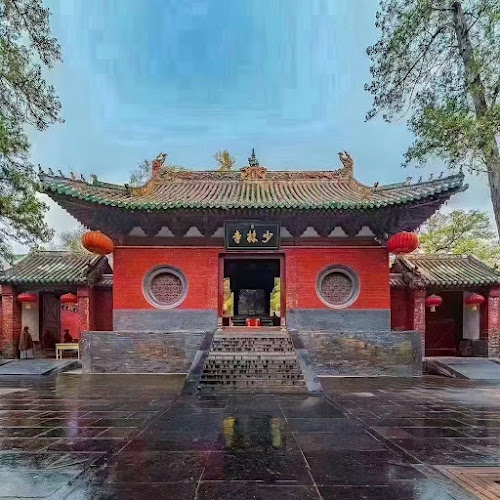
Shaolin Temple
About Shaolin Temple
Description
Shaolin Temple in Henan Province is one of those places that feels bigger than life itself. It’s not just another Buddhist monastery—it’s a living, breathing symbol of Chinese culture, martial arts, and spirituality. Founded back in 495 CE, the temple has been through centuries of history, from dynastic glory to wars and restorations. And yet, it still stands proud, drawing travelers, monks, and martial arts enthusiasts from all over the globe.
Most people know it as the birthplace of Shaolin Kung Fu, but when you walk through the temple grounds, you realize it’s more than just martial arts. The air is thick with the smell of incense, the sound of monks chanting, and the sight of ancient pagodas scattered across the hillside. Some visitors rave about the energy of the place, while others admit it can feel crowded or commercialized. Both perspectives are fair—it’s a sacred site and a tourist attraction rolled into one. Personally, I found myself torn between awe at the history and a bit of frustration at the tour groups blocking the view. But that’s part of the experience: it’s raw, imperfect, and unforgettable.
If you’re someone who loves culture, history, or just wants to see monks performing martial arts that look like something out of a movie, Shaolin Temple is worth the trip. Even if you’re not into kung fu, the temple’s serene courtyards, Buddhist relics, and the famous Forest of Pagodas (hundreds of stone stupas honoring past monks) are fascinating in their own right.
Key Features
- Birthplace of Shaolin Kung Fu, with live martial arts demonstrations by monks and students
- Historic Buddhist monastery dating back over 1,500 years
- The Forest of Pagodas, containing hundreds of ancient stone stupas
- Authentic Buddhist rituals and chanting ceremonies
- Onsite cultural performances blending history and entertainment
- Wheelchair accessible entrances, restrooms, and parking available
- Restoration work that blends modern tourism with traditional heritage
Best Time to Visit
Timing matters a lot here. Spring (April to June) and autumn (September to early November) are the sweet spots—cool weather, clear skies, and fewer chances of rain. Summer can be hot and sticky, and winter is downright chilly, though the snow on the temple rooftops does look magical. If you’re not a fan of crowds, avoid major Chinese holidays like Golden Week in October. I once made the mistake of visiting during a festival, and let’s just say I spent more time dodging selfie sticks than admiring the pagodas.
Morning visits are usually calmer, and you’ll catch monks going about their daily routines before the tour buses roll in. The late afternoon light is also beautiful for photos, with the sun casting long shadows across the temple courtyards.
How to Get There
The temple is located in Dengfeng, about 90 kilometers from Zhengzhou. If you’re flying in, Zhengzhou Xinzheng International Airport is the closest major hub. From Zhengzhou, you can take a bus directly to the temple, which usually takes around 1.5 to 2 hours. Trains to Dengfeng are another option, though you’ll likely need a taxi or shuttle for the last stretch.
For those who like a bit more freedom, hiring a private driver or joining a small guided tour can be a lifesaver. Public transport works fine, but it can get confusing if you don’t speak Mandarin. I once tried to wing it with local buses and ended up two towns over—funny in hindsight, but not ideal if you’re on a tight schedule.
Tips for Visiting
A trip to Shaolin Temple can be smooth and rewarding if you keep a few things in mind. Here are some practical tips, mixed with a bit of personal experience:
- Book tickets in advance: It saves time and guarantees entry, especially during peak seasons.
- Wear comfortable shoes: The grounds are large, and you’ll be walking a lot between temples, pagodas, and performance areas.
- Plan for at least half a day: Rushing through won’t do it justice. If you’re into martial arts, consider a full day to catch demonstrations and explore the forest trails nearby.
- Respect the monks: They’re not actors, even though performances might feel theatrical. Be mindful when taking photos, especially during rituals.
- Bring snacks and water: Food inside the complex is limited and sometimes pricey. A small stash in your bag will keep you going.
- Learn a little history before you go: Knowing the basics about Bodhidharma, Zen Buddhism, or the temple’s role in Chinese dynasties makes the visit way richer.
- Accessibility: The temple has wheelchair-friendly entrances and restrooms, but some older areas with stairs might be tricky.
- Stay overnight nearby: Dengfeng has guesthouses and hotels, and waking up close to the temple means you can beat the crowds.
Above all, go with an open mind. Some parts will feel spiritual, others touristy, and sometimes both at once. That’s the paradox of Shaolin Temple—it’s a sacred monastery and a global attraction, and somehow, it manages to be both without losing its soul.
Key Features
- Birthplace of Shaolin Kung Fu, with live martial arts demonstrations by monks and students
- Historic Buddhist monastery dating back over 1,500 years
- The Forest of Pagodas, containing hundreds of ancient stone stupas
- Authentic Buddhist rituals and chanting ceremonies
- Onsite cultural performances blending history and entertainment
- Wheelchair accessible entrances, restrooms, and parking available
- Restoration work that blends modern tourism with traditional heritage
More Details
Updated September 23, 2025
Table of Contents
Description
Shaolin Temple in Henan Province is one of those places that feels bigger than life itself. It’s not just another Buddhist monastery—it’s a living, breathing symbol of Chinese culture, martial arts, and spirituality. Founded back in 495 CE, the temple has been through centuries of history, from dynastic glory to wars and restorations. And yet, it still stands proud, drawing travelers, monks, and martial arts enthusiasts from all over the globe.
Most people know it as the birthplace of Shaolin Kung Fu, but when you walk through the temple grounds, you realize it’s more than just martial arts. The air is thick with the smell of incense, the sound of monks chanting, and the sight of ancient pagodas scattered across the hillside. Some visitors rave about the energy of the place, while others admit it can feel crowded or commercialized. Both perspectives are fair—it’s a sacred site and a tourist attraction rolled into one. Personally, I found myself torn between awe at the history and a bit of frustration at the tour groups blocking the view. But that’s part of the experience: it’s raw, imperfect, and unforgettable.
If you’re someone who loves culture, history, or just wants to see monks performing martial arts that look like something out of a movie, Shaolin Temple is worth the trip. Even if you’re not into kung fu, the temple’s serene courtyards, Buddhist relics, and the famous Forest of Pagodas (hundreds of stone stupas honoring past monks) are fascinating in their own right.
Key Features
- Birthplace of Shaolin Kung Fu, with live martial arts demonstrations by monks and students
- Historic Buddhist monastery dating back over 1,500 years
- The Forest of Pagodas, containing hundreds of ancient stone stupas
- Authentic Buddhist rituals and chanting ceremonies
- Onsite cultural performances blending history and entertainment
- Wheelchair accessible entrances, restrooms, and parking available
- Restoration work that blends modern tourism with traditional heritage
Best Time to Visit
Timing matters a lot here. Spring (April to June) and autumn (September to early November) are the sweet spots—cool weather, clear skies, and fewer chances of rain. Summer can be hot and sticky, and winter is downright chilly, though the snow on the temple rooftops does look magical. If you’re not a fan of crowds, avoid major Chinese holidays like Golden Week in October. I once made the mistake of visiting during a festival, and let’s just say I spent more time dodging selfie sticks than admiring the pagodas.
Morning visits are usually calmer, and you’ll catch monks going about their daily routines before the tour buses roll in. The late afternoon light is also beautiful for photos, with the sun casting long shadows across the temple courtyards.
How to Get There
The temple is located in Dengfeng, about 90 kilometers from Zhengzhou. If you’re flying in, Zhengzhou Xinzheng International Airport is the closest major hub. From Zhengzhou, you can take a bus directly to the temple, which usually takes around 1.5 to 2 hours. Trains to Dengfeng are another option, though you’ll likely need a taxi or shuttle for the last stretch.
For those who like a bit more freedom, hiring a private driver or joining a small guided tour can be a lifesaver. Public transport works fine, but it can get confusing if you don’t speak Mandarin. I once tried to wing it with local buses and ended up two towns over—funny in hindsight, but not ideal if you’re on a tight schedule.
Tips for Visiting
A trip to Shaolin Temple can be smooth and rewarding if you keep a few things in mind. Here are some practical tips, mixed with a bit of personal experience:
- Book tickets in advance: It saves time and guarantees entry, especially during peak seasons.
- Wear comfortable shoes: The grounds are large, and you’ll be walking a lot between temples, pagodas, and performance areas.
- Plan for at least half a day: Rushing through won’t do it justice. If you’re into martial arts, consider a full day to catch demonstrations and explore the forest trails nearby.
- Respect the monks: They’re not actors, even though performances might feel theatrical. Be mindful when taking photos, especially during rituals.
- Bring snacks and water: Food inside the complex is limited and sometimes pricey. A small stash in your bag will keep you going.
- Learn a little history before you go: Knowing the basics about Bodhidharma, Zen Buddhism, or the temple’s role in Chinese dynasties makes the visit way richer.
- Accessibility: The temple has wheelchair-friendly entrances and restrooms, but some older areas with stairs might be tricky.
- Stay overnight nearby: Dengfeng has guesthouses and hotels, and waking up close to the temple means you can beat the crowds.
Above all, go with an open mind. Some parts will feel spiritual, others touristy, and sometimes both at once. That’s the paradox of Shaolin Temple—it’s a sacred monastery and a global attraction, and somehow, it manages to be both without losing its soul.
Key Highlights
- Birthplace of Shaolin Kung Fu, with live martial arts demonstrations by monks and students
- Historic Buddhist monastery dating back over 1,500 years
- The Forest of Pagodas, containing hundreds of ancient stone stupas
- Authentic Buddhist rituals and chanting ceremonies
- Onsite cultural performances blending history and entertainment
- Wheelchair accessible entrances, restrooms, and parking available
- Restoration work that blends modern tourism with traditional heritage
Location
Places to Stay Near Shaolin Temple
Find and Book a Tour
Explore More Travel Guides
No reviews found! Be the first to review!
Traveler Reviews for Shaolin Temple
There are no reviews yet. Be the first one to write one.
Have you visited Shaolin Temple? Help other travelers by sharing your review.
You Might Also Like
Zhengzhou Shang City
-Zhengzhou.jpg)
Zhengzhou Zijingshan Park (North Gate)
Zhengzhou Monthly Rose Park (South Gate)
Find Accommodations Nearby
Recommended Tours & Activities
Visitor Reviews
There are no reviews yet. Be the first one to write one.
Share Your Experience
Have you visited Shaolin Temple? Help other travelers by leaving a review.