About Shaolin Temple

History and Significance

If you’ve ever been curious about where the legendary Shaolin Kung Fu was born or where Chan (Zen) Buddhism took root, then heading to the Shaolin Temple in Henan Province is a trip that promises connection to centuries of history, mystique, and spiritual tradition. Nestled on the misty slopes of Songshan Mountain (one of China’s sacred Five Great Mountains) in Dengfeng City, the birthplace of the Shaolin Temple dates back to the 5th century during the Northern Wei Dynasty, around 495 AD.

The temple’s origins spring from a visionary Indian monk named Batuo, who was granted this remote mountain site by Emperor Xiaowendi to establish a place dedicated to Buddhist teachings. The real turning point came with the arrival of Bodhidharma (or Damo in Chinese) in the early 6th century, often credited as the founder of Chan Buddhism in China. According to legend, Bodhidharma introduced meditation practices and physical training regimes to the temple’s monks, intended to help them endure the rigors of their spiritual journey. These exercises evolved into the martial art form known today as Shaolin Kung Fu.

Strategically, the temple’s location atop Songshan Mountain wasn’t just for solace or aesthetics. Surrounded by cliffs and dense woodlands, the natural defenses served as a fortress protecting monks and pilgrims through tumultuous eras, including times of war and political upheaval. The temple weathered cycles of destruction and reconstruction, particularly through the Ming and Qing Dynasties, reflecting China’s turbulent history.

Shaolin Temple is more than a religious site—it’s a cultural symbol. Emperor support at various periods bolstered its stature, while famous warrior monks defended territories and influenced Chinese martial philosophy. Shaolin’s legacy also includes its role as a cultural exchange hub, attracting martial artists and scholars worldwide, helping spread Chinese martial arts far beyond its borders.

In 2010, the Shaolin Temple and several monuments in Dengfeng were collectively inscribed as a UNESCO World Heritage Site, recognized not only for their spiritual importance but also as outstanding examples of Chinese architectural and cultural heritage.

Main Attractions and Activities

Walking into the Shaolin Temple complex, you immediately sense a blend of ancient spirituality and living tradition. The temple spans a substantial area, dotted with historic halls, pagodas, and verdant courtyards.

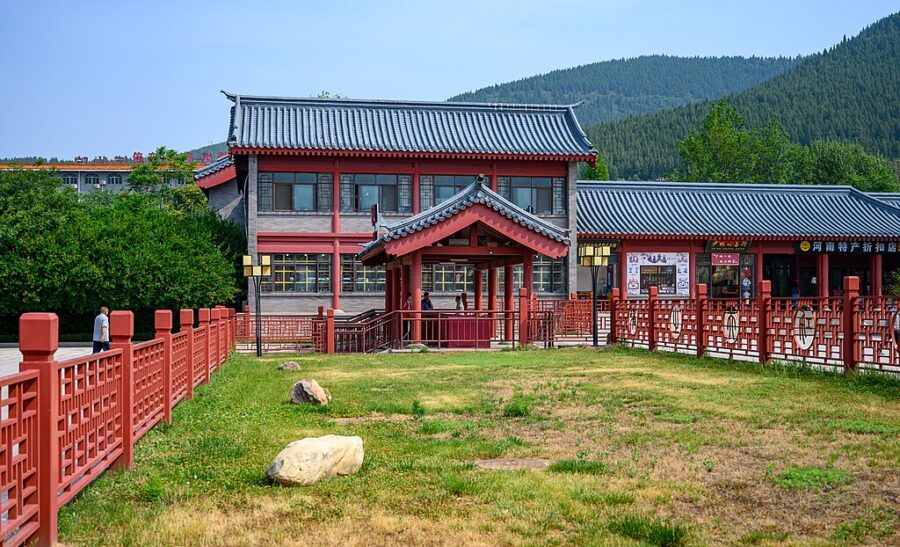
  • The Main Temple Complex: This includes the grand Gate of the Temple, followed by the Heavenly King HallBell and Drum TowersDharma Hall, and the iconic Mahavira Hall—each richly decorated with ancient carvings, intricate murals, and traditional Chinese temple architecture using red-painted wood and green-tiled roofs.

  • The Pagoda Forest: Just a stone’s throw from the main temple, this is one of the world’s largest collections of ancient Buddhist stone pagodas and tombs. Hundreds of pagodas mark the burial sites of monks from different dynasties, showcasing a stunning variety of artistic styles and heights, some reaching as high as 13 meters.

  • Shaolin Kung Fu Performances: A visit isn’t complete without watching masterful martial arts demonstrations or even participating in training sessions at one of the nearby martial arts schools on the temple grounds. These performances offer breathtaking insight into the discipline, philosophy, and athleticism behind Shaolin Kung Fu.

  • Meditation and Chan Buddhist Practices: Visitors often have the opportunity to attend Buddhist rituals or meditation sessions led by resident monks, offering a rare glimpse into monastic life and spiritual practice.

  • Shaolin Martial Arts Museum: This museum exhibits weapons, costumes, historic photos, and multimedia presentations, tracing the evolution of Shaolin Kung Fu and the temple’s martial heritage.

  • Surrounding Scenic Trails: Songshan Mountain’s natural beauty complements your visit with well-marked hiking paths, ancient inscriptions carved into stone, and other smaller temples and monasteries hidden in the forested landscape.

Visitor Experience

Visiting the Shaolin Temple feels like stepping into a timeless legend. I remember the first time walking under the arched temple gates, feeling the weight of history woven into the air. The sensory experience—incense smoke curling amidst temple bells, echoes of chanting monks, the sound of wooden clappers during martial arts demos—wraps you in an aura very different from any ordinary tourist site.

The blend of sacred space and living culture is striking: monks calmly passing in their robes, martial artists training in courtyards, tourists mixing reverence with awe. Despite its popularity, the temple grounds manage to hold a sense of quiet dignity. You can stroll contemplatively through the pagoda forest or join a lively Kung Fu show, depending on your mood.

I recall being captivated by the precision and artistry of the Shaolin martial artists, witnessing centuries of tradition expressed through speed and grace. The nearby monastery's life gives weight to the spiritual underpinnings of these practices, making it clear that Shaolin is not just about fighting but also about balance, discipline, and enlightenment.

During busy seasons, especially Chinese public holidays, the temple can be quite crowded, so timing your visit for a weekday or early morning is well worth the effort.

Tips for Visitors

Here’s what I’d pass on from experience to make your Shaolin Temple visit top-notch:

  • Visit early morning: You’ll catch monks in prayer and perhaps see morning martial arts routines.

  • Wear comfortable shoes: There’s a lot of walking on stone pavements and stone steps, plus hiking if you explore Songshan.

  • Bring some cash: Entrance fees are modest, but workshops, performances, and souvenirs cost extra.

  • Respect temple etiquette: Dress modestly, keep noise levels down, and refrain from touching sacred artifacts.

  • Take a guided tour: English-language guides or audio tours help unpack the rich histories and legends.

  • Catch a Kung Fu performance: Shows run daily and provide a spectacular window into Shaolin martial arts.

  • Explore beyond the temple: Take hikes around Songshan Mountain for natural beauty, ancient inscriptions, and smaller temples.

  • Plan at least a half-day: To truly appreciate the temple grounds, museum, performances, and hiking options.

  • Visit outside peak festival times: To avoid the largest crowds and enjoy quieter moments.

Accessibility and Facilities

Shaolin Temple today offers a reasonably tourist-friendly experience. The pathways through the main temple are mostly paved and maintained, though some areas (like the terrain near the pagoda forest or hiking trails) have uneven surfaces and steps. Visitors with limited mobility should be cautious, though assistance may be available.

Facilities include clean restroom areas near the temple entrance, souvenir shops selling traditional crafts and martial arts gear, and several food stalls with local snacks and teas. The temple complex has clear signage, some in English, but a guide is helpful for a full understanding.

Transport-wise, the temple is accessible by bus or taxi from Dengfeng city—most visitors use Dengfeng as their base. Parking facilities are available for those arriving by car.

Unique Features

The Shaolin Temple’s unique identity lies in its combined spiritual and martial legacy. Few places in the world double as both a major Buddhist monastery and the cradle of a globally recognized martial art. Bodhidharma’s fusion of meditation and physical endurance created a tradition that has shaped culture and identity well beyond China.

The Pagoda Forest is among the temple’s most striking features, an ethereal cemetery unlike any other, narrating centuries of monastic history in stone.

Shaolin’s martial arts legacy isn’t frozen in time—it’s actively practiced, taught, and demonstrated daily, making the site vibrant rather than just a historic relic.

Plus, the integration of natural beauty from Songshan Mountain provides a scenic backdrop that enhances the temple’s contemplative atmosphere—making your visit a sensory as well as intellectual journey.

Overall Impressions

A visit to Shaolin Temple feels like walking into a living storybook of Chinese spirituality and martial prowess. It’s a place layered with myth, history, and real human devotion. Whether you’re enchanted by Buddhist teachings, martial arts, or historic architecture, Shaolin offers something deeply resonant.

I left feeling inspired by the incredible discipline of the monks and martial artists and soothed by the temple’s tranquil courtyards and forest surrounds. It’s a cultural pilgrimage that stays with you well after your departure.

Pros and Cons

Pros:

  • Legendary birthplace of Shaolin Kung Fu and Chan Buddhism

  • Rich historical and spiritual heritage dating back over 1500 years

  • Daily martial arts performances and training experiences

  • Stunning Pagoda Forest with centuries-old burial towers

  • Scenic natural surroundings on sacred Songshan Mountain

  • Multiple temples, museums, and walking trails for varied exploration

Cons:

  • It can be crowded during peak tourist seasons and Chinese holidays

  • Some terrain and steps are challenging for visitors with limited mobility

  • Limited English signage in some parts; guides recommended

  • Martial arts shows and workshops come at an extra cost

  • The weather can affect comfort, especially in summer heat or winter cold
Key Features

  • History and Significance
  • Main Attractions and Activities
  • Visitor Experience
  • Tips for Visitors
  • Accessibility and Facilities
  • Unique Features

More Details

Updated August 14, 2025

History and Significance

If you’ve ever been curious about where the legendary Shaolin Kung Fu was born or where Chan (Zen) Buddhism took root, then heading to the Shaolin Temple in Henan Province is a trip that promises connection to centuries of history, mystique, and spiritual tradition. Nestled on the misty slopes of Songshan Mountain (one of China’s sacred Five Great Mountains) in Dengfeng City, the birthplace of the Shaolin Temple dates back to the 5th century during the Northern Wei Dynasty, around 495 AD.

The temple’s origins spring from a visionary Indian monk named Batuo, who was granted this remote mountain site by Emperor Xiaowendi to establish a place dedicated to Buddhist teachings. The real turning point came with the arrival of Bodhidharma (or Damo in Chinese) in the early 6th century, often credited as the founder of Chan Buddhism in China. According to legend, Bodhidharma introduced meditation practices and physical training regimes to the temple’s monks, intended to help them endure the rigors of their spiritual journey. These exercises evolved into the martial art form known today as Shaolin Kung Fu.

Strategically, the temple’s location atop Songshan Mountain wasn’t just for solace or aesthetics. Surrounded by cliffs and dense woodlands, the natural defenses served as a fortress protecting monks and pilgrims through tumultuous eras, including times of war and political upheaval. The temple weathered cycles of destruction and reconstruction, particularly through the Ming and Qing Dynasties, reflecting China’s turbulent history.

Shaolin Temple is more than a religious site—it’s a cultural symbol. Emperor support at various periods bolstered its stature, while famous warrior monks defended territories and influenced Chinese martial philosophy. Shaolin’s legacy also includes its role as a cultural exchange hub, attracting martial artists and scholars worldwide, helping spread Chinese martial arts far beyond its borders.

In 2010, the Shaolin Temple and several monuments in Dengfeng were collectively inscribed as a UNESCO World Heritage Site, recognized not only for their spiritual importance but also as outstanding examples of Chinese architectural and cultural heritage.

Main Attractions and Activities

Walking into the Shaolin Temple complex, you immediately sense a blend of ancient spirituality and living tradition. The temple spans a substantial area, dotted with historic halls, pagodas, and verdant courtyards.

  • The Main Temple Complex: This includes the grand Gate of the Temple, followed by the Heavenly King HallBell and Drum TowersDharma Hall, and the iconic Mahavira Hall—each richly decorated with ancient carvings, intricate murals, and traditional Chinese temple architecture using red-painted wood and green-tiled roofs.

  • The Pagoda Forest: Just a stone’s throw from the main temple, this is one of the world’s largest collections of ancient Buddhist stone pagodas and tombs. Hundreds of pagodas mark the burial sites of monks from different dynasties, showcasing a stunning variety of artistic styles and heights, some reaching as high as 13 meters.

  • Shaolin Kung Fu Performances: A visit isn’t complete without watching masterful martial arts demonstrations or even participating in training sessions at one of the nearby martial arts schools on the temple grounds. These performances offer breathtaking insight into the discipline, philosophy, and athleticism behind Shaolin Kung Fu.

  • Meditation and Chan Buddhist Practices: Visitors often have the opportunity to attend Buddhist rituals or meditation sessions led by resident monks, offering a rare glimpse into monastic life and spiritual practice.

  • Shaolin Martial Arts Museum: This museum exhibits weapons, costumes, historic photos, and multimedia presentations, tracing the evolution of Shaolin Kung Fu and the temple’s martial heritage.

  • Surrounding Scenic Trails: Songshan Mountain’s natural beauty complements your visit with well-marked hiking paths, ancient inscriptions carved into stone, and other smaller temples and monasteries hidden in the forested landscape.

Visitor Experience

Visiting the Shaolin Temple feels like stepping into a timeless legend. I remember the first time walking under the arched temple gates, feeling the weight of history woven into the air. The sensory experience—incense smoke curling amidst temple bells, echoes of chanting monks, the sound of wooden clappers during martial arts demos—wraps you in an aura very different from any ordinary tourist site.

The blend of sacred space and living culture is striking: monks calmly passing in their robes, martial artists training in courtyards, tourists mixing reverence with awe. Despite its popularity, the temple grounds manage to hold a sense of quiet dignity. You can stroll contemplatively through the pagoda forest or join a lively Kung Fu show, depending on your mood.

I recall being captivated by the precision and artistry of the Shaolin martial artists, witnessing centuries of tradition expressed through speed and grace. The nearby monastery’s life gives weight to the spiritual underpinnings of these practices, making it clear that Shaolin is not just about fighting but also about balance, discipline, and enlightenment.

During busy seasons, especially Chinese public holidays, the temple can be quite crowded, so timing your visit for a weekday or early morning is well worth the effort.

Tips for Visitors

Here’s what I’d pass on from experience to make your Shaolin Temple visit top-notch:

  • Visit early morning: You’ll catch monks in prayer and perhaps see morning martial arts routines.

  • Wear comfortable shoes: There’s a lot of walking on stone pavements and stone steps, plus hiking if you explore Songshan.

  • Bring some cash: Entrance fees are modest, but workshops, performances, and souvenirs cost extra.

  • Respect temple etiquette: Dress modestly, keep noise levels down, and refrain from touching sacred artifacts.

  • Take a guided tour: English-language guides or audio tours help unpack the rich histories and legends.

  • Catch a Kung Fu performance: Shows run daily and provide a spectacular window into Shaolin martial arts.

  • Explore beyond the temple: Take hikes around Songshan Mountain for natural beauty, ancient inscriptions, and smaller temples.

  • Plan at least a half-day: To truly appreciate the temple grounds, museum, performances, and hiking options.

  • Visit outside peak festival times: To avoid the largest crowds and enjoy quieter moments.

Accessibility and Facilities

Shaolin Temple today offers a reasonably tourist-friendly experience. The pathways through the main temple are mostly paved and maintained, though some areas (like the terrain near the pagoda forest or hiking trails) have uneven surfaces and steps. Visitors with limited mobility should be cautious, though assistance may be available.

Facilities include clean restroom areas near the temple entrance, souvenir shops selling traditional crafts and martial arts gear, and several food stalls with local snacks and teas. The temple complex has clear signage, some in English, but a guide is helpful for a full understanding.

Transport-wise, the temple is accessible by bus or taxi from Dengfeng city—most visitors use Dengfeng as their base. Parking facilities are available for those arriving by car.

Unique Features

The Shaolin Temple’s unique identity lies in its combined spiritual and martial legacy. Few places in the world double as both a major Buddhist monastery and the cradle of a globally recognized martial art. Bodhidharma’s fusion of meditation and physical endurance created a tradition that has shaped culture and identity well beyond China.

The Pagoda Forest is among the temple’s most striking features, an ethereal cemetery unlike any other, narrating centuries of monastic history in stone.

Shaolin’s martial arts legacy isn’t frozen in time—it’s actively practiced, taught, and demonstrated daily, making the site vibrant rather than just a historic relic.

Plus, the integration of natural beauty from Songshan Mountain provides a scenic backdrop that enhances the temple’s contemplative atmosphere—making your visit a sensory as well as intellectual journey.

Overall Impressions

A visit to Shaolin Temple feels like walking into a living storybook of Chinese spirituality and martial prowess. It’s a place layered with myth, history, and real human devotion. Whether you’re enchanted by Buddhist teachings, martial arts, or historic architecture, Shaolin offers something deeply resonant.

I left feeling inspired by the incredible discipline of the monks and martial artists and soothed by the temple’s tranquil courtyards and forest surrounds. It’s a cultural pilgrimage that stays with you well after your departure.

Pros and Cons

Pros:

  • Legendary birthplace of Shaolin Kung Fu and Chan Buddhism

  • Rich historical and spiritual heritage dating back over 1500 years

  • Daily martial arts performances and training experiences

  • Stunning Pagoda Forest with centuries-old burial towers

  • Scenic natural surroundings on sacred Songshan Mountain

  • Multiple temples, museums, and walking trails for varied exploration

Cons:

  • It can be crowded during peak tourist seasons and Chinese holidays

  • Some terrain and steps are challenging for visitors with limited mobility

  • Limited English signage in some parts; guides recommended

  • Martial arts shows and workshops come at an extra cost

  • The weather can affect comfort, especially in summer heat or winter cold

Key Highlights

  • History and Significance
  • Main Attractions and Activities
  • Visitor Experience
  • Tips for Visitors
  • Accessibility and Facilities
  • Unique Features

Location

Places to Stay Near Shaolin Temple

Find and Book a Tour

Explore More Travel Guides

No reviews found! Be the first to review!

Traveler Reviews for Shaolin Temple

There are no reviews yet. Be the first one to write one.

Share Your Experience

Have you visited Shaolin Temple? Help other travelers by sharing your review.

Find Accommodations Nearby

Recommended Tours & Activities

Visitor Reviews

There are no reviews yet. Be the first one to write one.

Share Your Experience

Have you visited Shaolin Temple? Help other travelers by leaving a review.