
Saratov Ethnographic Museum
About Saratov Ethnographic Museum
Description
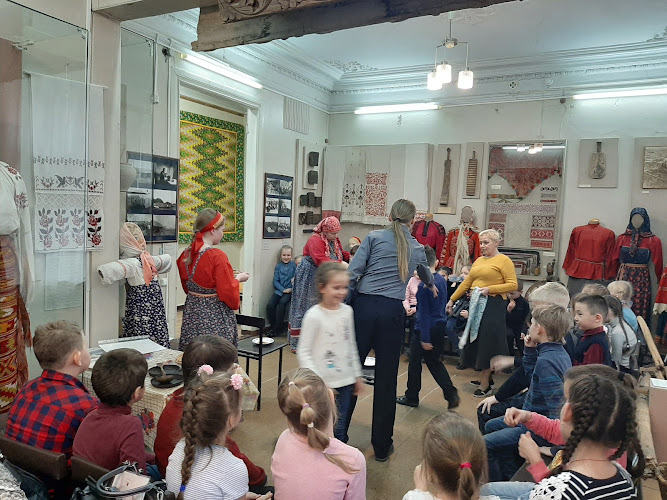
The Saratov Ethnographic Museum is one of those places that quietly surprises you. At first glance, it might seem like just another regional museum, but step inside and you’ll quickly realize it’s more like a time capsule of Russian cultural history. The museum brings together artifacts, costumes, tools, and household items that tell the story of the diverse communities who have lived in the Saratov region for centuries. From traditional Russian peasant clothing to the everyday objects of nomadic groups, the collection paints a vivid picture of how different people shaped the area’s identity.
What makes it stand out is the way it balances scholarly preservation with a sense of warmth and storytelling. You don’t just look at exhibits behind glass; you start to feel the rhythm of life from another time. Personally, I’ve always been fascinated by old textiles, and here you can see handwoven fabrics that seem to whisper the stories of the people who made them. It’s not a flashy, modern museum with touchscreens and neon lights, but that’s exactly why it feels so genuine. The slightly worn wooden floors and the quiet atmosphere give you space to slow down and imagine what life was like generations ago.
Of course, not every visitor will be blown away. Some people might find it a little old-fashioned or wish for more interactive displays. But the majority tend to leave with a sense of appreciation for the authenticity and depth of the collection. Families often enjoy bringing kids here since the exhibits are easy to connect with—children can actually see how people lived, dressed, and worked, which is far more engaging than just reading about it in a textbook.
Overall, the Saratov Ethnographic Museum is a thoughtful stop for travelers who want to go beyond the surface of sightseeing and dig into the cultural layers of the region. It’s not a place you rush through in 20 minutes; it’s the kind of museum where you wander slowly, noticing the details, and leave feeling like you’ve brushed against the soul of Saratov’s history.
Key Features
- Extensive collection of ethnographic artifacts from the Saratov region
- Traditional clothing, textiles, and household tools on display
- Focus on the daily lives of different ethnic groups, including Russian, Tatar, and others
- Family-friendly environment that sparks curiosity in children
- Restroom facilities available on-site
- Atmosphere that emphasizes authenticity over modern, high-tech design
- Quiet and contemplative setting for travelers who enjoy history
Best Time to Visit
If you’re planning to visit, timing can make a big difference in how much you enjoy it. The museum is indoors, so technically, you can go any time of year. But if you ask me, winter has a special charm. When it’s cold outside and the snow is piling up, stepping into the museum feels like stepping into another world. The warmth inside, combined with the sense of history, makes for a cozy and almost nostalgic experience.
That said, spring and autumn are also wonderful times to visit Saratov in general, with the city feeling alive but not overly crowded. During these seasons, you can pair your museum trip with a stroll around the nearby streets, which have their own architectural character. Summer can be a bit hot, and while the museum itself is a nice escape from the heat, you might find yourself wanting to spend more time outdoors. So, if you’re the type who likes to balance indoor culture with outdoor exploration, spring and fall really hit the sweet spot.
How to Get There
Reaching the museum is relatively straightforward if you’re already in Saratov. Public transportation is common and affordable, and you’ll find buses and trams that pass close to the area. If you’re not familiar with Russian public transit, don’t worry—it’s not as intimidating as it first looks. I remember my first ride on a Saratov tram; I was nervous about missing my stop, but the locals were friendly and helped point me in the right direction.
Taxis and ride-hailing apps are also available and might be the easiest option if you don’t feel like navigating routes. For those who prefer walking, the museum is located in a part of the city that’s pleasant to explore on foot, with plenty of interesting architecture and small shops along the way. Just keep in mind that the streets can get icy in winter, so wear good shoes if you’re visiting during the colder months.
Tips for Visiting
A few practical tips can make your visit smoother and more enjoyable. First off, don’t expect high-tech amenities. The museum doesn’t have a café or restaurant, so it’s a good idea to eat beforehand or plan a meal nearby afterward. There are restrooms available, which is always a relief if you’re traveling with kids. Speaking of kids, this is actually a great place to bring them along. The exhibits are tangible and visual, which helps them connect with what they’re seeing.
Another tip: take your time. This isn’t the kind of museum you rush through. Spend a little extra time looking at the details of the clothing or the craftsmanship of the tools. It’s those small touches that really bring the past to life. And if you’re someone who enjoys photography, you’ll find plenty of opportunities here, though always check the rules about taking pictures before you start snapping away.
Accessibility is something to consider. The museum doesn’t have wheelchair-accessible parking, so visitors with mobility needs might find it a bit challenging. If that applies to you or someone in your group, it’s worth planning ahead and maybe contacting the museum directly to ask about the best way to arrange your visit.
Lastly, go in with the right mindset. This isn’t a flashy attraction, but rather a thoughtful and authentic space that rewards curiosity. If you love history, culture, and the feeling of connecting with the past, you’ll walk away glad you made the effort to visit. And honestly, isn’t that what travel is all about—finding those hidden gems that leave you with stories to tell long after you’ve returned home?
Key Features
- Extensive collection of ethnographic artifacts from the Saratov region
- Traditional clothing, textiles, and household tools on display
- Focus on the daily lives of different ethnic groups, including Russian, Tatar, and others
- Family-friendly environment that sparks curiosity in children
- Restroom facilities available on-site
- Atmosphere that emphasizes authenticity over modern, high-tech design
- Quiet and contemplative setting for travelers who enjoy history
More Details
Updated September 24, 2025
Table of Contents
Description
The Saratov Ethnographic Museum is one of those places that quietly surprises you. At first glance, it might seem like just another regional museum, but step inside and you’ll quickly realize it’s more like a time capsule of Russian cultural history. The museum brings together artifacts, costumes, tools, and household items that tell the story of the diverse communities who have lived in the Saratov region for centuries. From traditional Russian peasant clothing to the everyday objects of nomadic groups, the collection paints a vivid picture of how different people shaped the area’s identity.
What makes it stand out is the way it balances scholarly preservation with a sense of warmth and storytelling. You don’t just look at exhibits behind glass; you start to feel the rhythm of life from another time. Personally, I’ve always been fascinated by old textiles, and here you can see handwoven fabrics that seem to whisper the stories of the people who made them. It’s not a flashy, modern museum with touchscreens and neon lights, but that’s exactly why it feels so genuine. The slightly worn wooden floors and the quiet atmosphere give you space to slow down and imagine what life was like generations ago.
Of course, not every visitor will be blown away. Some people might find it a little old-fashioned or wish for more interactive displays. But the majority tend to leave with a sense of appreciation for the authenticity and depth of the collection. Families often enjoy bringing kids here since the exhibits are easy to connect with—children can actually see how people lived, dressed, and worked, which is far more engaging than just reading about it in a textbook.
Overall, the Saratov Ethnographic Museum is a thoughtful stop for travelers who want to go beyond the surface of sightseeing and dig into the cultural layers of the region. It’s not a place you rush through in 20 minutes; it’s the kind of museum where you wander slowly, noticing the details, and leave feeling like you’ve brushed against the soul of Saratov’s history.
Key Features
- Extensive collection of ethnographic artifacts from the Saratov region
- Traditional clothing, textiles, and household tools on display
- Focus on the daily lives of different ethnic groups, including Russian, Tatar, and others
- Family-friendly environment that sparks curiosity in children
- Restroom facilities available on-site
- Atmosphere that emphasizes authenticity over modern, high-tech design
- Quiet and contemplative setting for travelers who enjoy history
Best Time to Visit
If you’re planning to visit, timing can make a big difference in how much you enjoy it. The museum is indoors, so technically, you can go any time of year. But if you ask me, winter has a special charm. When it’s cold outside and the snow is piling up, stepping into the museum feels like stepping into another world. The warmth inside, combined with the sense of history, makes for a cozy and almost nostalgic experience.
That said, spring and autumn are also wonderful times to visit Saratov in general, with the city feeling alive but not overly crowded. During these seasons, you can pair your museum trip with a stroll around the nearby streets, which have their own architectural character. Summer can be a bit hot, and while the museum itself is a nice escape from the heat, you might find yourself wanting to spend more time outdoors. So, if you’re the type who likes to balance indoor culture with outdoor exploration, spring and fall really hit the sweet spot.
How to Get There
Reaching the museum is relatively straightforward if you’re already in Saratov. Public transportation is common and affordable, and you’ll find buses and trams that pass close to the area. If you’re not familiar with Russian public transit, don’t worry—it’s not as intimidating as it first looks. I remember my first ride on a Saratov tram; I was nervous about missing my stop, but the locals were friendly and helped point me in the right direction.
Taxis and ride-hailing apps are also available and might be the easiest option if you don’t feel like navigating routes. For those who prefer walking, the museum is located in a part of the city that’s pleasant to explore on foot, with plenty of interesting architecture and small shops along the way. Just keep in mind that the streets can get icy in winter, so wear good shoes if you’re visiting during the colder months.
Tips for Visiting
A few practical tips can make your visit smoother and more enjoyable. First off, don’t expect high-tech amenities. The museum doesn’t have a café or restaurant, so it’s a good idea to eat beforehand or plan a meal nearby afterward. There are restrooms available, which is always a relief if you’re traveling with kids. Speaking of kids, this is actually a great place to bring them along. The exhibits are tangible and visual, which helps them connect with what they’re seeing.
Another tip: take your time. This isn’t the kind of museum you rush through. Spend a little extra time looking at the details of the clothing or the craftsmanship of the tools. It’s those small touches that really bring the past to life. And if you’re someone who enjoys photography, you’ll find plenty of opportunities here, though always check the rules about taking pictures before you start snapping away.
Accessibility is something to consider. The museum doesn’t have wheelchair-accessible parking, so visitors with mobility needs might find it a bit challenging. If that applies to you or someone in your group, it’s worth planning ahead and maybe contacting the museum directly to ask about the best way to arrange your visit.
Lastly, go in with the right mindset. This isn’t a flashy attraction, but rather a thoughtful and authentic space that rewards curiosity. If you love history, culture, and the feeling of connecting with the past, you’ll walk away glad you made the effort to visit. And honestly, isn’t that what travel is all about—finding those hidden gems that leave you with stories to tell long after you’ve returned home?
Key Highlights
- Extensive collection of ethnographic artifacts from the Saratov region
- Traditional clothing, textiles, and household tools on display
- Focus on the daily lives of different ethnic groups, including Russian, Tatar, and others
- Family-friendly environment that sparks curiosity in children
- Restroom facilities available on-site
- Atmosphere that emphasizes authenticity over modern, high-tech design
- Quiet and contemplative setting for travelers who enjoy history
Location
Places to Stay Near Saratov Ethnographic Museum
Find and Book a Tour
Explore More Travel Guides
No reviews found! Be the first to review!
Traveler Reviews for Saratov Ethnographic Museum
There are no reviews yet. Be the first one to write one.
Have you visited Saratov Ethnographic Museum? Help other travelers by sharing your review.
You Might Also Like

Pionerskiy Prival
Stela "Saratov"
monument KA Fedin
Find Accommodations Nearby
Recommended Tours & Activities
Visitor Reviews
There are no reviews yet. Be the first one to write one.
Share Your Experience
Have you visited Saratov Ethnographic Museum? Help other travelers by leaving a review.