
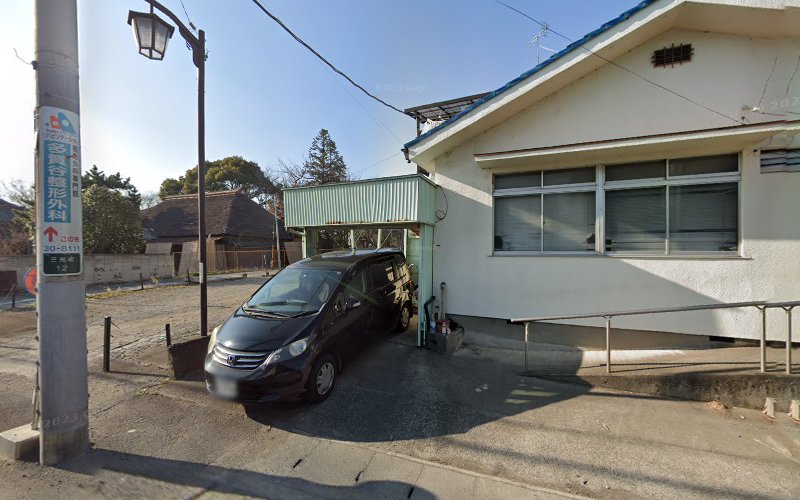
Sankocho
About Sankocho
Description
Sankocho is, on paper, just a bus stop. バス停. A practical point on a route map. But anyone who has spent time moving through this part of Japan knows that bus stops like Sankocho quietly tell you a lot about daily life, rhythm, and how locals actually get around. This one operates around the clock, which already puts it in a slightly special category. Twenty‑four‑hour transit isn’t something travelers should take for granted, especially once you drift away from big-city train hubs.
For travelers, Sankocho often becomes one of those accidental landmarks. Not the place you planned to visit, but the place you remember later. The kind of spot where you waited at 6:12 a.m. with a coffee from a vending machine, or maybe at 11:40 p.m., half tired, half relieved that the last bus still exists. And yes, it does. That alone makes Sankocho feel dependable in a way guidebooks rarely mention.
The stop itself is modest. No flashy signage. No tourist-friendly English overload. But there’s something honest about that. The shelter, when present, does its job. Timetables can look intimidating at first glance, especially if you’re not confident with Japanese bus schedules. But once you crack the pattern (and you will), Sankocho becomes easy. Almost friendly.
What stands out is how integrated it is into everyday life. School kids pass through here. Office workers. Elderly residents with shopping bags. Late-night workers who look like they’ve had a long shift and just want to sit down. Observing this mix gives travelers a rare, grounded glimpse of local routines. And honestly, that’s more memorable than another photo spot.
The general sentiment around Sankocho is balanced. It’s not adored, but it’s not complained about either. People expect it to work, and it mostly does. A bus stop doesn’t need to be perfect. It needs to show up, on time, when you need it. Sankocho usually does exactly that.
Key Features
- 24-hour bus service, which is a big deal in non-central areas
- Clear, functional bus schedules posted on-site
- Used primarily by locals, offering an authentic daily-life atmosphere
- Serves as a practical connection point rather than a tourist attraction
- Accessible layout suitable for travelers with luggage
- Quiet during off-peak hours, especially late night and early morning
One thing worth mentioning, and this is personal opinion creeping in, is how calming late-night bus stops can be in Japan. The writer remembers waiting at a stop like Sankocho after missing a train once. Mild panic turned into relief when the bus arrived exactly when promised. That sense of trust in public transport sticks with you.
Best Time to Visit
Sankocho doesn’t have a “best time” in the classic travel sense, because it’s not seasonal. But there are moments when it shines more than others. Early mornings, roughly between 5:30 and 7:30 a.m., give you a peek into local life starting up. The air feels cleaner. People are quieter. Buses arrive with surprising precision.
Evenings are another interesting window. After 6 p.m., the stop takes on a different energy. Workers heading home, students chatting softly, the occasional tired traveler checking their phone again and again. It feels real. And if you’re traveling late, knowing that Sankocho operates 24 hours removes a lot of stress. Missed connections happen. Plans go sideways. This stop quietly has your back.
Late night, past midnight, is calm and almost meditative. Fewer buses, yes, but they still run. If you’re the kind of traveler who enjoys seeing places when they’re stripped down to their basics, this is your time. Just you, the timetable, and the hum of the street.
How to Get There
Getting to Sankocho is straightforward if you’re already using the local bus network. Most travelers encounter it organically, as part of a route rather than a destination. It connects to surrounding neighborhoods and transit points, making it a useful waypoint for exploring the area without relying solely on trains.
Bus drivers are generally helpful, even if language barriers exist. A polite nod, showing the stop name on your phone, or simply saying Sankocho goes a long way. The writer has found that confidence matters more than perfect pronunciation. And sometimes you’ll get a reassuring nod back, which feels like a small win.
If you’re arriving late at night or very early in the morning, double-check the specific route numbers beforehand. While the stop itself operates 24 hours, not every route runs at the same frequency all night. That’s not a flaw, just reality. Planning ahead saves you from standing there wondering if you misread the schedule. Been there. Not fun.
Tips for Visiting
First tip: give yourself extra time the first time you use Sankocho. Bus systems take a moment to understand, especially if you’re used to trains. Once you get it, though, it clicks. And then it’s smooth.
Second, keep small change or a transit card ready. Fumbling at the front of the bus while people wait behind you is awkward everywhere, but somehow feels extra awkward here. Locals are patient, but still. Save yourself the stress.
Third, don’t expect tourist amenities. There might be a vending machine nearby, maybe a bench, maybe not. And that’s okay. This isn’t a curated experience. It’s a working bus stop.
Fourth, pay attention to etiquette. Line up properly. Enter and exit where indicated. These small things matter, and you’ll feel more comfortable once you follow the flow. The writer once stood in the wrong spot and got gently corrected by an elderly man with a smile. Lesson learned.
Finally, use Sankocho as a lens, not a highlight. Watch how people move, how they wait, how they thank the driver when they get off. These tiny interactions add texture to your trip. They’re the moments you don’t plan for but remember later.
And if you find yourself there late at night, tired, maybe questioning your itinerary choices, just know this: Sankocho has seen thousands of people pass through in the same state. It’s done its job for years. It’ll do it for you too.
Key Features
- 24-hour bus service, which is a big deal in non-central areas
- Clear, functional bus schedules posted on-site
- Used primarily by locals, offering an authentic daily-life atmosphere
- Serves as a practical connection point rather than a tourist attraction
- Accessible layout suitable for travelers with luggage
- Quiet during off-peak hours, especially late night and early morning
More Details
Updated December 31, 2025
Table of Contents
Description
Sankocho is, on paper, just a bus stop. バス停. A practical point on a route map. But anyone who has spent time moving through this part of Japan knows that bus stops like Sankocho quietly tell you a lot about daily life, rhythm, and how locals actually get around. This one operates around the clock, which already puts it in a slightly special category. Twenty‑four‑hour transit isn’t something travelers should take for granted, especially once you drift away from big-city train hubs.
For travelers, Sankocho often becomes one of those accidental landmarks. Not the place you planned to visit, but the place you remember later. The kind of spot where you waited at 6:12 a.m. with a coffee from a vending machine, or maybe at 11:40 p.m., half tired, half relieved that the last bus still exists. And yes, it does. That alone makes Sankocho feel dependable in a way guidebooks rarely mention.
The stop itself is modest. No flashy signage. No tourist-friendly English overload. But there’s something honest about that. The shelter, when present, does its job. Timetables can look intimidating at first glance, especially if you’re not confident with Japanese bus schedules. But once you crack the pattern (and you will), Sankocho becomes easy. Almost friendly.
What stands out is how integrated it is into everyday life. School kids pass through here. Office workers. Elderly residents with shopping bags. Late-night workers who look like they’ve had a long shift and just want to sit down. Observing this mix gives travelers a rare, grounded glimpse of local routines. And honestly, that’s more memorable than another photo spot.
The general sentiment around Sankocho is balanced. It’s not adored, but it’s not complained about either. People expect it to work, and it mostly does. A bus stop doesn’t need to be perfect. It needs to show up, on time, when you need it. Sankocho usually does exactly that.
Key Features
- 24-hour bus service, which is a big deal in non-central areas
- Clear, functional bus schedules posted on-site
- Used primarily by locals, offering an authentic daily-life atmosphere
- Serves as a practical connection point rather than a tourist attraction
- Accessible layout suitable for travelers with luggage
- Quiet during off-peak hours, especially late night and early morning
One thing worth mentioning, and this is personal opinion creeping in, is how calming late-night bus stops can be in Japan. The writer remembers waiting at a stop like Sankocho after missing a train once. Mild panic turned into relief when the bus arrived exactly when promised. That sense of trust in public transport sticks with you.
Best Time to Visit
Sankocho doesn’t have a “best time” in the classic travel sense, because it’s not seasonal. But there are moments when it shines more than others. Early mornings, roughly between 5:30 and 7:30 a.m., give you a peek into local life starting up. The air feels cleaner. People are quieter. Buses arrive with surprising precision.
Evenings are another interesting window. After 6 p.m., the stop takes on a different energy. Workers heading home, students chatting softly, the occasional tired traveler checking their phone again and again. It feels real. And if you’re traveling late, knowing that Sankocho operates 24 hours removes a lot of stress. Missed connections happen. Plans go sideways. This stop quietly has your back.
Late night, past midnight, is calm and almost meditative. Fewer buses, yes, but they still run. If you’re the kind of traveler who enjoys seeing places when they’re stripped down to their basics, this is your time. Just you, the timetable, and the hum of the street.
How to Get There
Getting to Sankocho is straightforward if you’re already using the local bus network. Most travelers encounter it organically, as part of a route rather than a destination. It connects to surrounding neighborhoods and transit points, making it a useful waypoint for exploring the area without relying solely on trains.
Bus drivers are generally helpful, even if language barriers exist. A polite nod, showing the stop name on your phone, or simply saying Sankocho goes a long way. The writer has found that confidence matters more than perfect pronunciation. And sometimes you’ll get a reassuring nod back, which feels like a small win.
If you’re arriving late at night or very early in the morning, double-check the specific route numbers beforehand. While the stop itself operates 24 hours, not every route runs at the same frequency all night. That’s not a flaw, just reality. Planning ahead saves you from standing there wondering if you misread the schedule. Been there. Not fun.
Tips for Visiting
First tip: give yourself extra time the first time you use Sankocho. Bus systems take a moment to understand, especially if you’re used to trains. Once you get it, though, it clicks. And then it’s smooth.
Second, keep small change or a transit card ready. Fumbling at the front of the bus while people wait behind you is awkward everywhere, but somehow feels extra awkward here. Locals are patient, but still. Save yourself the stress.
Third, don’t expect tourist amenities. There might be a vending machine nearby, maybe a bench, maybe not. And that’s okay. This isn’t a curated experience. It’s a working bus stop.
Fourth, pay attention to etiquette. Line up properly. Enter and exit where indicated. These small things matter, and you’ll feel more comfortable once you follow the flow. The writer once stood in the wrong spot and got gently corrected by an elderly man with a smile. Lesson learned.
Finally, use Sankocho as a lens, not a highlight. Watch how people move, how they wait, how they thank the driver when they get off. These tiny interactions add texture to your trip. They’re the moments you don’t plan for but remember later.
And if you find yourself there late at night, tired, maybe questioning your itinerary choices, just know this: Sankocho has seen thousands of people pass through in the same state. It’s done its job for years. It’ll do it for you too.
Key Highlights
- 24-hour bus service, which is a big deal in non-central areas
- Clear, functional bus schedules posted on-site
- Used primarily by locals, offering an authentic daily-life atmosphere
- Serves as a practical connection point rather than a tourist attraction
- Accessible layout suitable for travelers with luggage
- Quiet during off-peak hours, especially late night and early morning
Location
Places to Stay Near Sankocho
Find and Book a Tour
Explore More Travel Guides
No reviews found! Be the first to review!
Traveler Reviews for Sankocho
There are no reviews yet. Be the first one to write one.
Have you visited Sankocho? Help other travelers by sharing your review.
You Might Also Like

Isesaki City Future Park

Mimuronishi Park
Hashie PA (westbound)
Find Accommodations Nearby
Recommended Tours & Activities
Visitor Reviews
There are no reviews yet. Be the first one to write one.
Share Your Experience
Have you visited Sankocho? Help other travelers by leaving a review.