
Sanfang Qixiang
About Sanfang Qixiang
Description
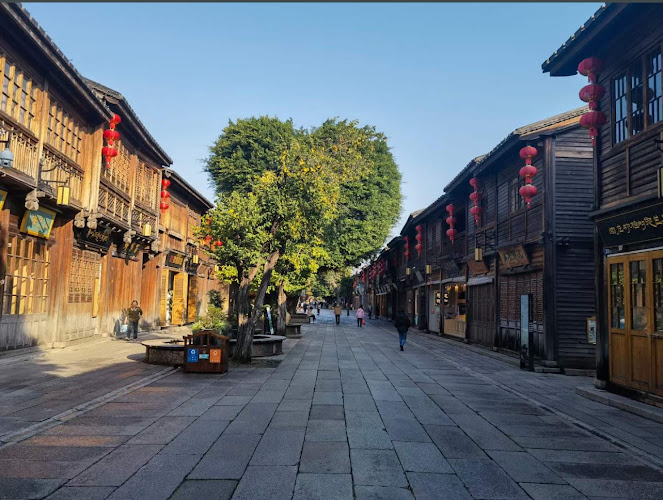
Walking through Sanfang Qixiang feels like stepping into a time machine that transports visitors back several centuries to when the Ming and Qing Dynasties ruled China. This historic district in Fuzhou showcases some of the most well-preserved traditional architecture you'll find anywhere in southeastern China, and honestly, it's the kind of place that makes you forget you're still in a modern city until someone walks past checking their phone. The name itself translates to "Three Lanes and Seven Alleys," which pretty much tells you exactly what you're getting into - a network of narrow lanes and alleys that have somehow survived the rapid modernization that swept through so many Chinese cities in recent decades. These streets date back over a thousand years, though most of the buildings you'll see today were constructed during the Ming and Qing periods, roughly between the 14th and early 20th centuries. What makes this place special isn't just the old buildings though. The district has evolved into a living, breathing cultural hub where history meets contemporary life in ways that actually work. You've got traditional teahouses sitting next to modern cafes, centuries-old residences that now house museums and galleries, and streets that feel authentically historic without being turned into some sterile preservation project that nobody actually uses. I remember my first visit there on a muggy summer evening, and the way the traditional lanterns cast shadows on those white-washed walls with their distinctive black tile roofs - it's an image that stuck with me. The architecture tells stories of wealthy merchants and government officials who once called this neighborhood home, and you can still sense that prosperity in the craftsmanship of the wooden carvings and the layout of the courtyards.Key Features
The district offers travelers an authentic glimpse into traditional Fuzhou life combined with modern conveniences that make exploring comfortable and accessible:- Over 200 ancient residential compounds showcasing classic Fujian-style architecture with characteristic white walls, black tiles, and elaborate wooden carvings
- Multiple historic residences converted into museums dedicated to famous scholars, politicians, and cultural figures who lived in the area throughout history
- Traditional teahouses where you can experience authentic Fuzhou tea culture and sample local varieties like jasmine tea, which the region is famous for
- Street food vendors and restaurants serving regional Fujian cuisine including fish balls, meat swallow soup, and various seafood specialties
- Handicraft shops selling traditional items like paper umbrellas, lacquerware, and cork carvings - crafts that Fuzhou has been known for centuries
- Regular cultural performances featuring traditional music, opera, and theatrical presentations in open courtyards and dedicated performance spaces
- Photography opportunities around every corner with well-preserved architectural details, traditional doorways, and atmospheric alleyways
- Complete wheelchair accessibility with ramps at entrances and accessible restroom facilities throughout the district
- Mobile payment options accepted at most vendors, making transactions convenient for international visitors
- Family-friendly environment with safe pedestrian-only streets and educational opportunities for children to learn about Chinese history
Best Time to Visit
Timing your visit to Sanfang Qixiang can really make or break your experience, and I've learned this the hard way. Fuzhou's climate is subtropical, which means hot, humid summers and mild winters with occasional cold snaps. Spring, particularly from March through May, ranks as probably the ideal window for exploring the district. The weather cooperates with comfortable temperatures hovering between 15-25°C (59-77°F), and you won't be fighting the crowds quite as much as during peak summer travel season. The trees along the alleys start blooming, and there's this fresh energy in the air that makes wandering the lanes genuinely pleasant. Autumn, specifically October and November, comes in as a close second choice. The oppressive summer humidity finally breaks, temperatures cool down to manageable levels, and the lighting during these months creates beautiful conditions for photography. Plus, you might catch some traditional festivals that occasionally take place in the district during this season. Summer visits require some mental preparation. July and August bring temperatures that regularly exceed 35°C (95°F) with humidity levels that make you feel like you're walking through soup. But here's the thing - if you can only visit during summer, go early morning or late evening. The district takes on a completely different character after sunset when the lanterns light up and locals come out to escape their hot apartments. Night markets pop up, street performers appear, and the whole atmosphere shifts into something magical that almost makes the daytime heat worth enduring. Winter isn't terrible either, just less predictable. December through February sees temperatures between 10-18°C (50-64°F), which sounds fine until you factor in the dampness that makes it feel colder than the thermometer suggests. Traditional buildings don't have central heating, so if you're planning to spend time inside museums and exhibition halls, dress in layers. Weekends and Chinese national holidays bring massive crowds no matter the season. If your schedule allows any flexibility whatsoever, visit on weekdays when you can actually move through the alleys without being in a constant flow of tour groups.How to Get There
Getting to Sanfang Qixiang is refreshingly straightforward, especially for a historic district tucked into an urban area. The location sits right in central Fuzhou, making it accessible through multiple transportation options. The Fuzhou Metro provides the easiest access for most travelers. Take Line 1 and get off at Dongjiekou Station. From there, it's literally a five-minute walk to the main entrance of the district - you can't really get lost because the traditional architecture becomes visible as soon as you exit the station. Alternatively, Nanmen Station on the same line also puts you within easy walking distance. Taxis and ride-sharing services know the area well since it's one of Fuzhou's most recognizable tourist destinations. Just show the driver "三坊七巷" (Sanfang Qixiang) on your phone or say it out loud - pronunciation doesn't have to be perfect, they'll figure it out. Most rides from other parts of central Fuzhou shouldn't cost more than 20-30 RMB depending on traffic. Public buses serve the area extensively with numerous routes stopping near the district. Bus numbers 5, 18, 22, 55, and several others all have stops within a couple blocks. The bus system requires either exact change or a transportation card, so come prepared if you choose this option. For travelers arriving from outside Fuzhou, the city is served by Fuzhou Changle International Airport located about 50 kilometers from the city center. Airport shuttle buses and the metro's extended line can get you into town, though a taxi or ride-share might make more sense if you're tired from traveling. The journey from the airport takes roughly an hour depending on traffic conditions. If you're coming from other Chinese cities by train, Fuzhou has two main railway stations - Fuzhou Railway Station and Fuzhou South Railway Station. The South station handles most high-speed trains and connects to the metro system, making onward travel to Sanfang Qixiang straightforward. From Fuzhou Railway Station, you can catch a taxi or use the metro depending on which gets you there faster given the time of day.Tips for Visiting
Let me share some practical wisdom that'll help you make the most of your time exploring this historic district, because there's definitely a learning curve to experiencing Sanfang Qixiang properly. Start your visit early in the morning, ideally around 8 or 9 AM. The district technically opens even earlier, and those first couple hours before tour groups arrive offer the best opportunity to appreciate the architecture and atmosphere without constant crowds. You'll also catch locals doing their morning routines - practicing tai chi, chatting with neighbors, buying fresh breakfast items - which adds authenticity that disappears once the tourist crowds show up. Wear comfortable walking shoes. I cannot stress this enough. The entire district is paved with traditional stone, and while it looks beautiful, it's uneven and can be slippery when wet. You'll be doing a lot of walking, and those Instagram-worthy shoes aren't gonna cut it when your feet start screaming two hours in. Budget at least 3-4 hours for a thorough exploration, though you could easily spend an entire day if you visit multiple museums, stop for meals, and browse the shops properly. Rushing through defeats the purpose - this isn't the kind of place where you just take a few photos and check it off your list. Entry to the main district is free, which is fantastic, but several individual museums and historic residences charge separate admission fees. If you're interested in going inside these buildings rather than just wandering the alleys, expect to pay anywhere from 20-50 RMB per site. Some offer combination tickets that provide better value if you plan to visit multiple locations. Bring cash as backup even though mobile payments dominate. Most vendors accept WeChat Pay and Alipay, but smaller street food stalls and some older craftspeople still prefer physical money. Having 100-200 RMB in small bills gives you options and prevents awkward situations. Don't skip the food experiences. Fuzhou cuisine differs noticeably from what you find in other parts of China, and Sanfang Qixiang offers excellent opportunities to try local specialties. The fish balls here are made fresh and taste nothing like the frozen versions you might have encountered elsewhere. Meat swallow soup might sound weird - it's basically meat wrapped in a paper-thin meat wrapper rather than traditional wonton dough - but it's become popular for good reason. Photography restrictions apply inside some museums and historic buildings, so pay attention to signage and respect the rules. Outside in the alleys though, snap away to your heart's content. Early morning and late evening provide the best lighting conditions, and the contrast between light and shadow in the narrow lanes creates dramatic images. Learn a few basic Mandarin phrases or download a translation app before visiting. English signage exists at major sites, but it's spotty at best, and most shop owners and restaurant staff have limited English skills. This shouldn't stop you from visiting - hand gestures and smartphone translation get you surprisingly far - but a little preparation smooths the experience considerably. Watch for special cultural performances and events that happen periodically throughout the district. These aren't always advertised extensively to foreign tourists, so ask at your hotel or check local tourism websites beforehand. Traditional opera performances, tea ceremonies, and craft demonstrations add significant value to your visit when you catch them. The district gets particularly crowded during Chinese national holidays like Golden Week in October and Spring Festival. If your trip coincides with these periods and you can't avoid visiting then, adjust your expectations accordingly and maybe focus on the evening experience when things calm down slightly. Finally, resist the urge to treat Sanfang Qixiang like a theme park. Yes, it's been renovated and commercialized to some degree, but people still live and work in parts of this district. Respect residential areas, don't peer into private homes, and remember that you're walking through a neighborhood with real history, not just a tourist attraction built for your entertainment.Key Features
- Three Lanes and Seven Alleys historic street grid with preserved Ming–Qing architecture
- Numerous traditional folk houses, ancestral halls and courtyard residences
- Small museums and restored historic homes open to visitors
- Local crafts, teahouses and street food showcasing Fuzhou specialties
- Central, walkable location in Gulou District with abundant photo opportunities
More Details
Updated March 30, 2026
Table of Contents
Description
Walking through Sanfang Qixiang feels like stepping into a time machine that transports visitors back several centuries to when the Ming and Qing Dynasties ruled China. This historic district in Fuzhou showcases some of the most well-preserved traditional architecture you’ll find anywhere in southeastern China, and honestly, it’s the kind of place that makes you forget you’re still in a modern city until someone walks past checking their phone.
The name itself translates to “Three Lanes and Seven Alleys,” which pretty much tells you exactly what you’re getting into – a network of narrow lanes and alleys that have somehow survived the rapid modernization that swept through so many Chinese cities in recent decades. These streets date back over a thousand years, though most of the buildings you’ll see today were constructed during the Ming and Qing periods, roughly between the 14th and early 20th centuries.
What makes this place special isn’t just the old buildings though. The district has evolved into a living, breathing cultural hub where history meets contemporary life in ways that actually work. You’ve got traditional teahouses sitting next to modern cafes, centuries-old residences that now house museums and galleries, and streets that feel authentically historic without being turned into some sterile preservation project that nobody actually uses.
I remember my first visit there on a muggy summer evening, and the way the traditional lanterns cast shadows on those white-washed walls with their distinctive black tile roofs – it’s an image that stuck with me. The architecture tells stories of wealthy merchants and government officials who once called this neighborhood home, and you can still sense that prosperity in the craftsmanship of the wooden carvings and the layout of the courtyards.
Key Features
The district offers travelers an authentic glimpse into traditional Fuzhou life combined with modern conveniences that make exploring comfortable and accessible:
- Over 200 ancient residential compounds showcasing classic Fujian-style architecture with characteristic white walls, black tiles, and elaborate wooden carvings
- Multiple historic residences converted into museums dedicated to famous scholars, politicians, and cultural figures who lived in the area throughout history
- Traditional teahouses where you can experience authentic Fuzhou tea culture and sample local varieties like jasmine tea, which the region is famous for
- Street food vendors and restaurants serving regional Fujian cuisine including fish balls, meat swallow soup, and various seafood specialties
- Handicraft shops selling traditional items like paper umbrellas, lacquerware, and cork carvings – crafts that Fuzhou has been known for centuries
- Regular cultural performances featuring traditional music, opera, and theatrical presentations in open courtyards and dedicated performance spaces
- Photography opportunities around every corner with well-preserved architectural details, traditional doorways, and atmospheric alleyways
- Complete wheelchair accessibility with ramps at entrances and accessible restroom facilities throughout the district
- Mobile payment options accepted at most vendors, making transactions convenient for international visitors
- Family-friendly environment with safe pedestrian-only streets and educational opportunities for children to learn about Chinese history
Best Time to Visit
Timing your visit to Sanfang Qixiang can really make or break your experience, and I’ve learned this the hard way. Fuzhou’s climate is subtropical, which means hot, humid summers and mild winters with occasional cold snaps.
Spring, particularly from March through May, ranks as probably the ideal window for exploring the district. The weather cooperates with comfortable temperatures hovering between 15-25°C (59-77°F), and you won’t be fighting the crowds quite as much as during peak summer travel season. The trees along the alleys start blooming, and there’s this fresh energy in the air that makes wandering the lanes genuinely pleasant.
Autumn, specifically October and November, comes in as a close second choice. The oppressive summer humidity finally breaks, temperatures cool down to manageable levels, and the lighting during these months creates beautiful conditions for photography. Plus, you might catch some traditional festivals that occasionally take place in the district during this season.
Summer visits require some mental preparation. July and August bring temperatures that regularly exceed 35°C (95°F) with humidity levels that make you feel like you’re walking through soup. But here’s the thing – if you can only visit during summer, go early morning or late evening. The district takes on a completely different character after sunset when the lanterns light up and locals come out to escape their hot apartments. Night markets pop up, street performers appear, and the whole atmosphere shifts into something magical that almost makes the daytime heat worth enduring.
Winter isn’t terrible either, just less predictable. December through February sees temperatures between 10-18°C (50-64°F), which sounds fine until you factor in the dampness that makes it feel colder than the thermometer suggests. Traditional buildings don’t have central heating, so if you’re planning to spend time inside museums and exhibition halls, dress in layers.
Weekends and Chinese national holidays bring massive crowds no matter the season. If your schedule allows any flexibility whatsoever, visit on weekdays when you can actually move through the alleys without being in a constant flow of tour groups.
How to Get There
Getting to Sanfang Qixiang is refreshingly straightforward, especially for a historic district tucked into an urban area. The location sits right in central Fuzhou, making it accessible through multiple transportation options.
The Fuzhou Metro provides the easiest access for most travelers. Take Line 1 and get off at Dongjiekou Station. From there, it’s literally a five-minute walk to the main entrance of the district – you can’t really get lost because the traditional architecture becomes visible as soon as you exit the station. Alternatively, Nanmen Station on the same line also puts you within easy walking distance.
Taxis and ride-sharing services know the area well since it’s one of Fuzhou’s most recognizable tourist destinations. Just show the driver “三坊七巷” (Sanfang Qixiang) on your phone or say it out loud – pronunciation doesn’t have to be perfect, they’ll figure it out. Most rides from other parts of central Fuzhou shouldn’t cost more than 20-30 RMB depending on traffic.
Public buses serve the area extensively with numerous routes stopping near the district. Bus numbers 5, 18, 22, 55, and several others all have stops within a couple blocks. The bus system requires either exact change or a transportation card, so come prepared if you choose this option.
For travelers arriving from outside Fuzhou, the city is served by Fuzhou Changle International Airport located about 50 kilometers from the city center. Airport shuttle buses and the metro’s extended line can get you into town, though a taxi or ride-share might make more sense if you’re tired from traveling. The journey from the airport takes roughly an hour depending on traffic conditions.
If you’re coming from other Chinese cities by train, Fuzhou has two main railway stations – Fuzhou Railway Station and Fuzhou South Railway Station. The South station handles most high-speed trains and connects to the metro system, making onward travel to Sanfang Qixiang straightforward. From Fuzhou Railway Station, you can catch a taxi or use the metro depending on which gets you there faster given the time of day.
Tips for Visiting
Let me share some practical wisdom that’ll help you make the most of your time exploring this historic district, because there’s definitely a learning curve to experiencing Sanfang Qixiang properly.
Start your visit early in the morning, ideally around 8 or 9 AM. The district technically opens even earlier, and those first couple hours before tour groups arrive offer the best opportunity to appreciate the architecture and atmosphere without constant crowds. You’ll also catch locals doing their morning routines – practicing tai chi, chatting with neighbors, buying fresh breakfast items – which adds authenticity that disappears once the tourist crowds show up.
Wear comfortable walking shoes. I cannot stress this enough. The entire district is paved with traditional stone, and while it looks beautiful, it’s uneven and can be slippery when wet. You’ll be doing a lot of walking, and those Instagram-worthy shoes aren’t gonna cut it when your feet start screaming two hours in.
Budget at least 3-4 hours for a thorough exploration, though you could easily spend an entire day if you visit multiple museums, stop for meals, and browse the shops properly. Rushing through defeats the purpose – this isn’t the kind of place where you just take a few photos and check it off your list.
Entry to the main district is free, which is fantastic, but several individual museums and historic residences charge separate admission fees. If you’re interested in going inside these buildings rather than just wandering the alleys, expect to pay anywhere from 20-50 RMB per site. Some offer combination tickets that provide better value if you plan to visit multiple locations.
Bring cash as backup even though mobile payments dominate. Most vendors accept WeChat Pay and Alipay, but smaller street food stalls and some older craftspeople still prefer physical money. Having 100-200 RMB in small bills gives you options and prevents awkward situations.
Don’t skip the food experiences. Fuzhou cuisine differs noticeably from what you find in other parts of China, and Sanfang Qixiang offers excellent opportunities to try local specialties. The fish balls here are made fresh and taste nothing like the frozen versions you might have encountered elsewhere. Meat swallow soup might sound weird – it’s basically meat wrapped in a paper-thin meat wrapper rather than traditional wonton dough – but it’s become popular for good reason.
Photography restrictions apply inside some museums and historic buildings, so pay attention to signage and respect the rules. Outside in the alleys though, snap away to your heart’s content. Early morning and late evening provide the best lighting conditions, and the contrast between light and shadow in the narrow lanes creates dramatic images.
Learn a few basic Mandarin phrases or download a translation app before visiting. English signage exists at major sites, but it’s spotty at best, and most shop owners and restaurant staff have limited English skills. This shouldn’t stop you from visiting – hand gestures and smartphone translation get you surprisingly far – but a little preparation smooths the experience considerably.
Watch for special cultural performances and events that happen periodically throughout the district. These aren’t always advertised extensively to foreign tourists, so ask at your hotel or check local tourism websites beforehand. Traditional opera performances, tea ceremonies, and craft demonstrations add significant value to your visit when you catch them.
The district gets particularly crowded during Chinese national holidays like Golden Week in October and Spring Festival. If your trip coincides with these periods and you can’t avoid visiting then, adjust your expectations accordingly and maybe focus on the evening experience when things calm down slightly.
Finally, resist the urge to treat Sanfang Qixiang like a theme park. Yes, it’s been renovated and commercialized to some degree, but people still live and work in parts of this district. Respect residential areas, don’t peer into private homes, and remember that you’re walking through a neighborhood with real history, not just a tourist attraction built for your entertainment.
Key Highlights
- Three Lanes and Seven Alleys historic street grid with preserved Ming–Qing architecture
- Numerous traditional folk houses, ancestral halls and courtyard residences
- Small museums and restored historic homes open to visitors
- Local crafts, teahouses and street food showcasing Fuzhou specialties
- Central, walkable location in Gulou District with abundant photo opportunities
Location
Places to Stay Near Sanfang Qixiang
Find and Book a Tour
Explore More Travel Guides
No reviews found! Be the first to review!
Sanfang Qixiang is a prominent attractions located in Fuzhou.
Visit us at: 37PW+4J2, Nanhou St, 东街口商圈 Gulou District, Fuzhou, Fuzhou, Fujian, China, 350000.
Traveler Reviews for Sanfang Qixiang
There are no reviews yet. Be the first one to write one.
Have you visited Sanfang Qixiang? Help other travelers by sharing your review.
Nearby Attractions
You Might Also Like
-Fuzhou.jpg)
Southern Park (Northwest Gate)
Fuzhou Army Expo Garden
Fuzhou Zoo
Find Accommodations Nearby
Recommended Tours & Activities
Visitor Reviews
There are no reviews yet. Be the first one to write one.
Share Your Experience
Have you visited Sanfang Qixiang? Help other travelers by leaving a review.