

San Pedro Sula
About San Pedro Sula
San Pedro Sula, tucked in the lush Sula Valley of northern Honduras, is a city that surprises most travelers who take the time to really see it. It’s often thought of as just a stopover — a place to catch a bus or flight to the Bay Islands or Copán Ruinas — but that’s selling it short. There’s a pulse here that’s hard to ignore. The city hums with the rhythm of markets, the aroma of fresh baleadas on street corners, and the chatter of locals who are always up for a good conversation. It’s not polished or overly curated, but that’s exactly what makes it real.
One of the most fascinating places to start is the San Pedro Sula Museum of Anthropology and History. It’s not huge, but it’s packed with stories — from the ancient Maya who once roamed these lands to the modern-day evolution of the Honduran identity. I remember standing in front of a display of pre-Columbian pottery and thinking how wild it is that this valley has seen thousands of years of human movement, trade, and transformation.
And if you’re craving nature (which, honestly, who isn’t after a few days in the city?), drive west toward the Merendón Mountains. The air gets cooler, the noise fades, and suddenly you’re surrounded by cloud forest. The Cusuco National Park is a gem — one of those places that feels off the grid but still accessible. You might spot the elusive quetzal if you’re lucky, or at least hear the distant call of one echoing through the mist. The park is also home to countless species of bats, orchids, and frogs that look like they’ve been painted by a surrealist artist.
San Pedro Sula’s charm lies in its contrasts. It’s industrial yet green, chaotic yet welcoming, modern yet deeply rooted in tradition. It’s a city that grows on you, especially once you start talking to locals who are proud of their home and eager to share its hidden corners.
Key Features
- Anthropology and History Museum: A compact but rich museum showcasing the cultural evolution of Honduras, from ancient civilizations to the present day.
- Cusuco National Park: Cloud forest trails, rare wildlife like the quetzal, and panoramic mountain views make it a must for nature lovers.
- Local Cuisine: Street food favorites like baleadas, pastelitos, and fresh tropical juices are part of everyday life here.
- Markets and Handicrafts: Explore Mercado Guamilito for colorful textiles, ceramics, and souvenirs handmade by local artisans.
- Access to Adventure: The city’s central location makes it easy to reach Caribbean beaches, Mayan ruins, and national parks within a few hours.
- Friendly Locals: Despite its reputation as a transit hub, San Pedro Sula’s people are known for their warmth and hospitality.
Best Time to Visit
If you’re planning a trip, the best time to visit San Pedro Sula is during the dry season, roughly from November to April. The air is clearer, the roads are easier to navigate, and outdoor activities like hiking in Cusuco or exploring the city’s markets are much more enjoyable.
That said, I’ve been there in the rainy season too, and honestly, it has its own kind of magic. The mountains turn a deep, lush green, and the afternoon showers cool everything down just enough to make you want to grab a coffee and watch the rain from a café window. Just bring a light rain jacket — the weather can flip fast.
For those who enjoy cultural events, plan your visit around June or July when local festivals bring music, parades, and traditional food to the streets. It’s loud, colorful, and completely worth the experience.
How to Get There
Getting to San Pedro Sula is straightforward. It’s home to the Ramón Villeda Morales International Airport, one of the busiest in Honduras, with flights from major cities across Central America, the U.S., and even parts of Europe. From the airport, the city center is only about 20 minutes away by taxi or shuttle.
If you’re traveling within Honduras, the city is a major transport hub — buses connect it to Tegucigalpa, La Ceiba, Copán Ruinas, and Puerto Cortés. I once took the bus from Copán to San Pedro Sula, and while it wasn’t the fastest ride, the scenery made up for it. Rolling hills, banana plantations, and glimpses of rural life make the journey as much a part of the adventure as the destination itself.
For those who prefer more flexibility, renting a car is an option, though driving in Honduras requires a bit of patience and a good sense of direction. Traffic can be hectic, but it’s manageable if you stay alert.
Tips for Visiting
Here’s the thing about San Pedro Sula — it rewards those who go in with an open mind and a bit of curiosity. It’s not a city built for tourists, and that’s exactly why it feels so authentic. Still, a few tips can make your visit smoother and more enjoyable:
- Stay Central: Choose accommodations in safe, well-connected neighborhoods like Colonia Moderna or Barrio Los Andes. They’re close to restaurants, shops, and transport.
- Plan a Day Trip: Don’t skip nearby attractions like Lake Yojoa or the beaches of Tela and Puerto Cortés. They’re all within a few hours’ drive.
- Try the Local Food: Seriously, don’t leave without having a baleada from a street stand. It’s a Honduran classic — simple, cheap, and delicious.
- Learn a Few Spanish Phrases: While some people speak English, a little Spanish goes a long way here. Even a simple “gracias” or “buenos días” gets you a smile.
- Be Street Smart: Like in any big city, keep an eye on your belongings and avoid wandering alone late at night in unfamiliar areas. Common sense goes a long way.
- Bring Cash: Credit cards are accepted in most hotels and restaurants, but smaller shops and markets often prefer cash in local currency (lempiras).
- Take a Coffee Break: Honduran coffee is underrated. Find a local café and take your time — it’s part of the rhythm of life here.
One of my favorite memories from San Pedro Sula is sitting in a small café near Parque Central, chatting with a local who told me about his childhood trips to the mountains. He spoke about the quetzal like it was an old friend — “You don’t see it often,” he said, “but you always know it’s there.” That stuck with me. It summed up the city perfectly: there’s more here than meets the eye, and if you take the time to look, you’ll find it.
San Pedro Sula may not be the first place that comes to mind when planning a trip to Honduras, but it’s one that leaves an impression. It’s a gateway, yes, but also a destination in its own right — full of history, flavor, and the kind of authenticity that’s getting harder to find. Whether you’re here for a quick layover or a few days of exploration, you’ll walk away with stories worth telling.
You Might Also Like
21103 San Pedro Sula, Cortés
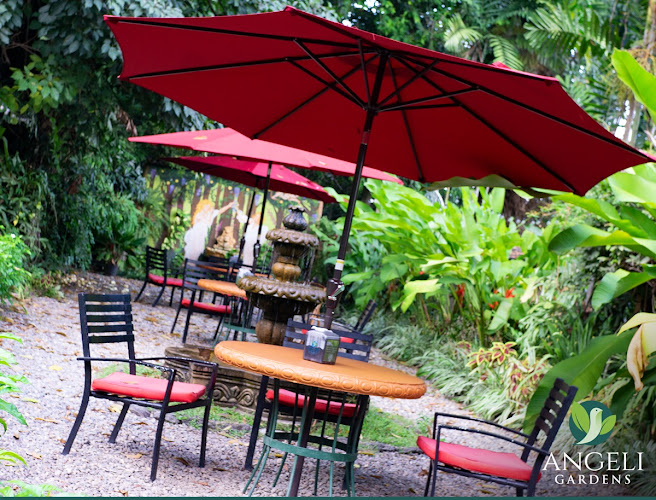
Angeli Gardens

Bazar del Sábado
Tours & Activities
GetYourGuide provides this tour inventory. We may earn a commission if you book through it; verify current availability, prices, and terms with the provider.
Visitor Reviews
There are no reviews yet. Be the first one to write one.
Share Your Experience
Have you visited San Pedro Sula? Help other travelers by leaving a review.