
Salto Morato Private Natural Heritage Reserve
About Salto Morato Private Natural Heritage Reserve
Description
Salto Morato Private Natural Heritage Reserve is one of those places that quietly rearranges your idea of what a nature preserve can feel like. It’s protected, yes, but it doesn’t feel stiff or museum-like. It feels alive. The reserve covers a generous slice of Atlantic Forest, one of the most biodiverse and threatened ecosystems on the planet, and you sense that importance the moment you step onto the trail. The air is cooler. The smell of wet leaves and river water hangs around. And suddenly, your phone feels a bit unnecessary.
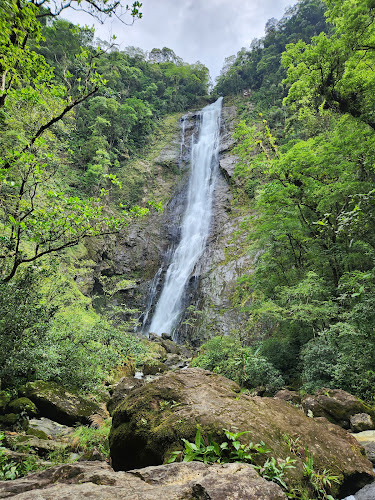
The main star here is the Salto Morato waterfall, a dramatic cascade that drops from a rocky cliff into a wide pool below. It’s tall enough to make you pause, even if you’ve seen waterfalls before. I’ve been to plenty, and still caught myself just standing there longer than planned, shoes muddy, thinking, well… this is pretty special. On sunny days, mist rises and sometimes you’ll catch a faint rainbow, which feels like a small reward for making the trip.
But the reserve isn’t just about one waterfall. The trails wander through dense forest where birdsong competes with the sound of rushing water. Families spread out picnic blankets near designated areas, kids run between swings and slides, and hikers set off early, coffee still working its magic. There’s an easy rhythm to the place. It’s welcoming without being overdeveloped, structured without killing the wild vibe. And honestly, that balance is harder to find than people think.
One thing worth mentioning, and I say this as someone who notices these details, is how accessible the reserve is trying to be. Wheelchair-accessible parking and restrooms are available, which isn’t always the case in nature attractions. It doesn’t mean every trail is effortless, but the effort is clearly there. That matters. Especially if you’re traveling with someone who usually gets left out of outdoor plans.
Overall, the experience tends to be overwhelmingly positive, with just a handful of grumbles you’d expect anywhere popular: crowds on weekends, weather not cooperating, or someone forgetting to bring proper shoes. Nothing deal-breaking. Mostly, people leave relaxed, slightly tired, and quietly proud of themselves for choosing nature over a shopping mall.
Key Features
- Impressive waterfall: Salto Morato’s main cascade is tall, powerful, and photogenic from multiple viewpoints.
- Atlantic Forest ecosystem: A rare chance to walk through preserved rainforest with native flora and fauna.
- Well-marked hiking trails: Routes range from gentle walks to longer forest hikes, including kid-friendly options.
- Picnic and barbecue areas: Tables, grills, and shaded spots make it easy to turn a visit into a full-day outing.
- Family-friendly amenities: Playground with swings and slides keeps younger visitors entertained.
- Accessibility features: Wheelchair-accessible parking and restrooms improve inclusivity.
- Clean public restrooms: Not glamorous, but surprisingly important on long days outdoors.
- Easy payment options: Debit cards and mobile payments are accepted, which is handy if you hate carrying cash.
Best Time to Visit
The reserve is open year-round, but timing your visit can seriously shape your experience. In general, the drier months are more comfortable for hiking, with firmer trails and clearer viewpoints. But here’s the thing: waterfalls look their best after rain. So there’s always a bit of trade-off. I once visited after a rainy spell, slipped a little (nothing dramatic), and watched the waterfall roar like it had something to prove. Totally worth the muddy socks.
Weekdays are calmer. If you value quiet moments, birds instead of chatter, aim for a weekday morning. Weekends and holidays draw families and larger groups, which can be lovely in a communal way, but less so if you’re chasing solitude or that perfect photo without people in it.
Early morning is a sweet spot. The light filters through the forest at an angle that photographers love, and the air feels fresher somehow. Afternoons can get warmer, and by late day, energy dips, especially if you’ve been hiking. Weather-wise, checking the forecast is smart. Sudden rain can make trails slippery, though staff generally do a good job keeping things safe.
If you’re traveling with kids, school holidays might actually be a plus. The playground areas buzz with energy, and there’s a nice sense of shared adventure. Just know it’ll be busier, and patience becomes part of your packing list.
How to Get There
Getting to Salto Morato Private Natural Heritage Reserve requires a bit of planning, but nothing extreme. It’s reachable by car, and driving gives you the most flexibility, especially if you’re traveling as a group or carrying picnic supplies. The roads leading up to the reserve are mostly straightforward, though the final stretch may feel more rural. That’s part of the charm, honestly. You’ll know you’re close when cell signal weakens and the forest thickens.
If you’re relying on public transport, expect a combination of buses and possibly a taxi or rideshare for the last segment. It’s doable, but it takes patience and good timing. I’ve done similar trips where the journey itself became half the adventure, including asking a local for directions and being told, just follow the trees. Not exactly GPS-level advice, but surprisingly effective.
Because tickets are recommended in advance, sorting that out before you arrive saves hassle. It also helps manage visitor numbers, which is better for the environment and your sanity. Parking is available on-site, including accessible spots, and signage around the reserve is clear enough that you won’t feel lost or rushed.
Tips for Visiting
Wear proper shoes. This sounds obvious, but I’ve seen people attempt forest trails in sandals and regret it instantly. Trails can be uneven, damp, and occasionally slippery.
Bring water and snacks. There are picnic areas and barbecue grills, so leaning into that is a good idea. A simple lunch outdoors tastes better here, trust me.
Plan for kids, but don’t overpack. The playground and kid-friendly hikes are great, and children usually love the freedom. Still, keep bags light so you’re not exhausted by noon.
Respect the environment. This is a protected reserve, not a theme park. Stay on trails, don’t feed animals, and take your trash with you. Small actions add up.
Check accessibility needs ahead of time. While there are accessible facilities, not all areas are equally easy to navigate. Knowing what’s available helps avoid frustration.
Slow down. This might be the most important tip. Don’t rush from viewpoint to viewpoint. Sit. Listen. Let the forest do its thing. Some of my favorite moments weren’t planned, like spotting a bird I couldn’t name or just watching water move over rocks.
Be flexible. Weather changes, kids get tired, trails close temporarily. Roll with it. Salto Morato rewards patience more than rigid schedules.
In the end, visiting Salto Morato Private Natural Heritage Reserve isn’t about ticking off an attraction. It’s about stepping into a preserved piece of nature and letting it remind you how good simple things can feel. Mud on your shoes, food shared at a picnic table, and a waterfall that doesn’t care who you are or where you’re from. And maybe that’s exactly why it sticks with people long after they leave.
Key Features
- Key Features
- Best Time to Visit
- How to Get There
- Tips for Visiting
More Details
Updated December 31, 2025
Table of Contents
Description
Salto Morato Private Natural Heritage Reserve is one of those places that quietly rearranges your idea of what a nature preserve can feel like. It’s protected, yes, but it doesn’t feel stiff or museum-like. It feels alive. The reserve covers a generous slice of Atlantic Forest, one of the most biodiverse and threatened ecosystems on the planet, and you sense that importance the moment you step onto the trail. The air is cooler. The smell of wet leaves and river water hangs around. And suddenly, your phone feels a bit unnecessary.
The main star here is the Salto Morato waterfall, a dramatic cascade that drops from a rocky cliff into a wide pool below. It’s tall enough to make you pause, even if you’ve seen waterfalls before. I’ve been to plenty, and still caught myself just standing there longer than planned, shoes muddy, thinking, well… this is pretty special. On sunny days, mist rises and sometimes you’ll catch a faint rainbow, which feels like a small reward for making the trip.
But the reserve isn’t just about one waterfall. The trails wander through dense forest where birdsong competes with the sound of rushing water. Families spread out picnic blankets near designated areas, kids run between swings and slides, and hikers set off early, coffee still working its magic. There’s an easy rhythm to the place. It’s welcoming without being overdeveloped, structured without killing the wild vibe. And honestly, that balance is harder to find than people think.
One thing worth mentioning, and I say this as someone who notices these details, is how accessible the reserve is trying to be. Wheelchair-accessible parking and restrooms are available, which isn’t always the case in nature attractions. It doesn’t mean every trail is effortless, but the effort is clearly there. That matters. Especially if you’re traveling with someone who usually gets left out of outdoor plans.
Overall, the experience tends to be overwhelmingly positive, with just a handful of grumbles you’d expect anywhere popular: crowds on weekends, weather not cooperating, or someone forgetting to bring proper shoes. Nothing deal-breaking. Mostly, people leave relaxed, slightly tired, and quietly proud of themselves for choosing nature over a shopping mall.
Key Features
- Impressive waterfall: Salto Morato’s main cascade is tall, powerful, and photogenic from multiple viewpoints.
- Atlantic Forest ecosystem: A rare chance to walk through preserved rainforest with native flora and fauna.
- Well-marked hiking trails: Routes range from gentle walks to longer forest hikes, including kid-friendly options.
- Picnic and barbecue areas: Tables, grills, and shaded spots make it easy to turn a visit into a full-day outing.
- Family-friendly amenities: Playground with swings and slides keeps younger visitors entertained.
- Accessibility features: Wheelchair-accessible parking and restrooms improve inclusivity.
- Clean public restrooms: Not glamorous, but surprisingly important on long days outdoors.
- Easy payment options: Debit cards and mobile payments are accepted, which is handy if you hate carrying cash.
Best Time to Visit
The reserve is open year-round, but timing your visit can seriously shape your experience. In general, the drier months are more comfortable for hiking, with firmer trails and clearer viewpoints. But here’s the thing: waterfalls look their best after rain. So there’s always a bit of trade-off. I once visited after a rainy spell, slipped a little (nothing dramatic), and watched the waterfall roar like it had something to prove. Totally worth the muddy socks.
Weekdays are calmer. If you value quiet moments, birds instead of chatter, aim for a weekday morning. Weekends and holidays draw families and larger groups, which can be lovely in a communal way, but less so if you’re chasing solitude or that perfect photo without people in it.
Early morning is a sweet spot. The light filters through the forest at an angle that photographers love, and the air feels fresher somehow. Afternoons can get warmer, and by late day, energy dips, especially if you’ve been hiking. Weather-wise, checking the forecast is smart. Sudden rain can make trails slippery, though staff generally do a good job keeping things safe.
If you’re traveling with kids, school holidays might actually be a plus. The playground areas buzz with energy, and there’s a nice sense of shared adventure. Just know it’ll be busier, and patience becomes part of your packing list.
How to Get There
Getting to Salto Morato Private Natural Heritage Reserve requires a bit of planning, but nothing extreme. It’s reachable by car, and driving gives you the most flexibility, especially if you’re traveling as a group or carrying picnic supplies. The roads leading up to the reserve are mostly straightforward, though the final stretch may feel more rural. That’s part of the charm, honestly. You’ll know you’re close when cell signal weakens and the forest thickens.
If you’re relying on public transport, expect a combination of buses and possibly a taxi or rideshare for the last segment. It’s doable, but it takes patience and good timing. I’ve done similar trips where the journey itself became half the adventure, including asking a local for directions and being told, just follow the trees. Not exactly GPS-level advice, but surprisingly effective.
Because tickets are recommended in advance, sorting that out before you arrive saves hassle. It also helps manage visitor numbers, which is better for the environment and your sanity. Parking is available on-site, including accessible spots, and signage around the reserve is clear enough that you won’t feel lost or rushed.
Tips for Visiting
Wear proper shoes. This sounds obvious, but I’ve seen people attempt forest trails in sandals and regret it instantly. Trails can be uneven, damp, and occasionally slippery.
Bring water and snacks. There are picnic areas and barbecue grills, so leaning into that is a good idea. A simple lunch outdoors tastes better here, trust me.
Plan for kids, but don’t overpack. The playground and kid-friendly hikes are great, and children usually love the freedom. Still, keep bags light so you’re not exhausted by noon.
Respect the environment. This is a protected reserve, not a theme park. Stay on trails, don’t feed animals, and take your trash with you. Small actions add up.
Check accessibility needs ahead of time. While there are accessible facilities, not all areas are equally easy to navigate. Knowing what’s available helps avoid frustration.
Slow down. This might be the most important tip. Don’t rush from viewpoint to viewpoint. Sit. Listen. Let the forest do its thing. Some of my favorite moments weren’t planned, like spotting a bird I couldn’t name or just watching water move over rocks.
Be flexible. Weather changes, kids get tired, trails close temporarily. Roll with it. Salto Morato rewards patience more than rigid schedules.
In the end, visiting Salto Morato Private Natural Heritage Reserve isn’t about ticking off an attraction. It’s about stepping into a preserved piece of nature and letting it remind you how good simple things can feel. Mud on your shoes, food shared at a picnic table, and a waterfall that doesn’t care who you are or where you’re from. And maybe that’s exactly why it sticks with people long after they leave.
Key Highlights
- Key Features
- Best Time to Visit
- How to Get There
- Tips for Visiting
Location
Places to Stay Near Salto Morato Private Natural Heritage Reserve
Find and Book a Tour
Explore More Travel Guides
No reviews found! Be the first to review!
Traveler Reviews for Salto Morato Private Natural Heritage Reserve
There are no reviews yet. Be the first one to write one.
Have you visited Salto Morato Private Natural Heritage Reserve? Help other travelers by sharing your review.
Find Accommodations Nearby
Recommended Tours & Activities
Visitor Reviews
There are no reviews yet. Be the first one to write one.
Share Your Experience
Have you visited Salto Morato Private Natural Heritage Reserve? Help other travelers by leaving a review.