Ruhengeri
About Ruhengeri
Description
Ruhengeri—often called Musanze by the locals—is one of those places that kinda sneaks up on you. At first glance, it looks like your typical small Rwandan city, but then you start realizing just how much history, adventure, and nature all dance together here. Sitting in the northwest corner of Rwanda, Ruhengeri is basically the launchpad for anyone itching to explore Volcanoes National Park. And trust me, once you’re here, the air feels different—crisper, somehow charged with a sense of wildness.
The park itself is a serious heavyweight when it comes to natural wonders. You’re looking at Mount Karisimbi—Rwanda’s highest peak—towering among four other volcanic giants, their slopes cloaked in thick forests where mountain gorillas and elusive golden monkeys roam free. If you’ve ever dreamed of tracking these majestic creatures in their native habitat, Ruhengeri’s the place to be. But that’s just the headline.
Step out of the city center a bit and you’ll find the Musanze Caves, a surprisingly atmospheric spot that not many travelers make it to. These caves, alive with thousands of bats, offer a cool, eerie contrast to the sunlit forests outside. And if you’re the type who loves a good water view, the twin lakes just to the east—Lake Burera and Lake Ruhondo—frame the landscape with calm, reflective waters set against rolling green hills, perfect spots to decompress after a gorilla trek.
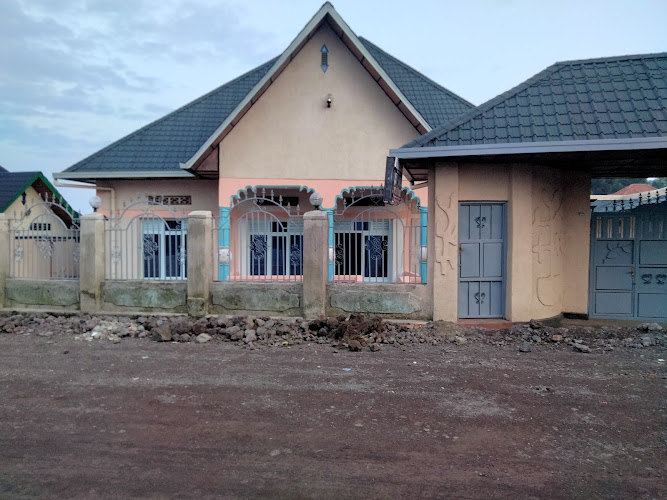
One thing I’ve noticed about Ruhengeri compared to other African tourist hubs is how grounded it feels. It’s not overwhelmed by flashy tourism. Instead, you get this raw, authentic taste of the Rwandan highlands, coupled with genuine hospitality. You’ll see locals going about their daily lives right alongside international adventurers preparing to dive into the wild. It’s a cool collision of worlds, honestly.
Key Features
- Gateway to Volcanoes National Park, home to endangered mountain gorillas and golden monkeys
- Proximity to Mount Karisimbi and other dormant volcanoes, offering hiking and breathtaking views
- Exploration of Musanze Caves, a network of limestone caves rich in wildlife, especially bats
- Scenic beauty of Lake Burera and Lake Ruhondo with opportunities for boating and picnics
- Authentic Rwandan city experience with local markets, eateries, and community life
- Ease of access to eco-tourism and conservation projects aimed at protecting wildlife and supporting local communities
- Varied accommodation options ranging from rustic guesthouses to more upscale lodges
- Rich cultural experiences around traditional crafts and storytelling in nearby villages
Best Time to Visit
Picking the right time to visit Ruhengeri is kinda like scheduling your coffee break—timing matters. The dry seasons, typically June to September and December to February, are definitely the sweet spot for gorilla trekking. Muddy trails are much less of a hassle, and wildlife tends to be a bit more active. Plus, the incredible views from the volcano slopes come out in full force without fog getting in your way.
That said, the “off” or wet seasons aren’t entirely a no-go. If you’re adventurous and don’t mind a little rain (who does, really?), visiting during the rainy months means fewer tourists. The whole region feels greener, nearly glowing with life. Trails can get slippery, sure, but the reward is a quieter, more intimate experience with nature.
One small heads-up from personal experience: the weather up here can be pretty unpredictable. I’ve seen sunny mornings turn into rainy afternoons and back again within a few hours. Packing layers, waterproof shoes, and a good attitude about surprise showers will save your trip from any soggy mood swings.
How to Get There
Getting to Ruhengeri isn’t rocket science, but you’ll want to plan a bit. The closest big airport is Kigali International Airport, Rwanda’s main gateway. From Kigali, you’re looking at about a 2.5 to 3-hour drive northwest. The road trip itself is part of the experience—winding through lush hills, small villages, and coffee plantations that give you a first taste of Rwanda’s stunning landscapes.
If you’re feeling thrifty or want to try local transport, buses and shared taxis run fairly regularly between Kigali and Ruhengeri, but be prepared for a lively ride with lots of friendly chatter and unexpected stops. On the flip side, if you have a bit more cash to burn, private car hires or arranged transfers from your lodge are smooth and convenient, leaving you fuss-free and ready to jump straight into adventure.
For those coming from neighboring countries like Uganda or the DRC, cross-border trips require a bit of paperwork and patience but can be well worth it if you’re plotting a wider East African journey. Keep in mind Rwanda’s visa rules and border checkpoints vary depending on your nationality—always double-check before you book anything.
Tips for Visiting
Alright, if you’re seriously thinking of heading to Ruhengeri, here’s some straight talk to help you get the most out of your trip. First—and I can’t stress this enough—book your gorilla trekking permits way ahead of time. These things sell out faster than concert tickets, especially during peak season. You don’t wanna be that person scrambling last minute while everyone else is lacing up their boots.
Also, pack smart. The area’s elevation means it can be chilly in the mornings and evenings, even if the days feel warm. Waterproof hiking boots are your best friend, trust me. And definitely bring insect repellent—mosquitoes here have quite the bite.
Take some time to soak into the local culture. I loved just wandering the markets and striking up conversations with vendors selling everything from handmade baskets to fresh fruit. People here have stories; they’re eager to share them if you ask kindly. Plus, sampling local dishes like isombe (cassava leaves stew) or grilled goat at a local eatery is a small but delicious adventure all on its own.
Don’t rush the lakes either. After a few days traipsing the slopes hunting gorillas, rest your legs by Lake Burera’s calm shores—maybe rent a canoe or just sit and watch the sunset paint the hills gold. Small moments like these make your trip richer than any checklist.
Finally, respect the environment and the wildlife. Those gorillas you’re so keen to see? They’re delicate and highly sensitive to human presence. Follow your guide’s instructions, keep your distance, and bring only your wonder with you. It’s a privilege, not a right, to witness these creatures.
In short, Ruhengeri isn’t just a spot on the map—it’s a doorway into one of Africa’s most heart-stopping natural experiences. With a bit of preparation and an open mind, it’ll stick with you long after you’ve left.
Key Features
- Gateway to Volcanoes National Park, home to endangered mountain gorillas and golden monkeys
- Proximity to Mount Karisimbi and other dormant volcanoes, offering hiking and breathtaking views
- Exploration of Musanze Caves, a network of limestone caves rich in wildlife, especially bats
- Scenic beauty of Lake Burera and Lake Ruhondo with opportunities for boating and picnics
- Authentic Rwandan city experience with local markets, eateries, and community life
- Ease of access to eco-tourism and conservation projects aimed at protecting wildlife and supporting local communities
- Varied accommodation options ranging from rustic guesthouses to more upscale lodges
- Rich cultural experiences around traditional crafts and storytelling in nearby villages
More Details
Updated June 5, 2025
Table of Contents
Description
Ruhengeri—often called Musanze by the locals—is one of those places that kinda sneaks up on you. At first glance, it looks like your typical small Rwandan city, but then you start realizing just how much history, adventure, and nature all dance together here. Sitting in the northwest corner of Rwanda, Ruhengeri is basically the launchpad for anyone itching to explore Volcanoes National Park. And trust me, once you’re here, the air feels different—crisper, somehow charged with a sense of wildness.
The park itself is a serious heavyweight when it comes to natural wonders. You’re looking at Mount Karisimbi—Rwanda’s highest peak—towering among four other volcanic giants, their slopes cloaked in thick forests where mountain gorillas and elusive golden monkeys roam free. If you’ve ever dreamed of tracking these majestic creatures in their native habitat, Ruhengeri’s the place to be. But that’s just the headline.
Step out of the city center a bit and you’ll find the Musanze Caves, a surprisingly atmospheric spot that not many travelers make it to. These caves, alive with thousands of bats, offer a cool, eerie contrast to the sunlit forests outside. And if you’re the type who loves a good water view, the twin lakes just to the east—Lake Burera and Lake Ruhondo—frame the landscape with calm, reflective waters set against rolling green hills, perfect spots to decompress after a gorilla trek.
One thing I’ve noticed about Ruhengeri compared to other African tourist hubs is how grounded it feels. It’s not overwhelmed by flashy tourism. Instead, you get this raw, authentic taste of the Rwandan highlands, coupled with genuine hospitality. You’ll see locals going about their daily lives right alongside international adventurers preparing to dive into the wild. It’s a cool collision of worlds, honestly.
Key Features
- Gateway to Volcanoes National Park, home to endangered mountain gorillas and golden monkeys
- Proximity to Mount Karisimbi and other dormant volcanoes, offering hiking and breathtaking views
- Exploration of Musanze Caves, a network of limestone caves rich in wildlife, especially bats
- Scenic beauty of Lake Burera and Lake Ruhondo with opportunities for boating and picnics
- Authentic Rwandan city experience with local markets, eateries, and community life
- Ease of access to eco-tourism and conservation projects aimed at protecting wildlife and supporting local communities
- Varied accommodation options ranging from rustic guesthouses to more upscale lodges
- Rich cultural experiences around traditional crafts and storytelling in nearby villages
Best Time to Visit
Picking the right time to visit Ruhengeri is kinda like scheduling your coffee break—timing matters. The dry seasons, typically June to September and December to February, are definitely the sweet spot for gorilla trekking. Muddy trails are much less of a hassle, and wildlife tends to be a bit more active. Plus, the incredible views from the volcano slopes come out in full force without fog getting in your way.
That said, the “off” or wet seasons aren’t entirely a no-go. If you’re adventurous and don’t mind a little rain (who does, really?), visiting during the rainy months means fewer tourists. The whole region feels greener, nearly glowing with life. Trails can get slippery, sure, but the reward is a quieter, more intimate experience with nature.
One small heads-up from personal experience: the weather up here can be pretty unpredictable. I’ve seen sunny mornings turn into rainy afternoons and back again within a few hours. Packing layers, waterproof shoes, and a good attitude about surprise showers will save your trip from any soggy mood swings.
How to Get There
Getting to Ruhengeri isn’t rocket science, but you’ll want to plan a bit. The closest big airport is Kigali International Airport, Rwanda’s main gateway. From Kigali, you’re looking at about a 2.5 to 3-hour drive northwest. The road trip itself is part of the experience—winding through lush hills, small villages, and coffee plantations that give you a first taste of Rwanda’s stunning landscapes.
If you’re feeling thrifty or want to try local transport, buses and shared taxis run fairly regularly between Kigali and Ruhengeri, but be prepared for a lively ride with lots of friendly chatter and unexpected stops. On the flip side, if you have a bit more cash to burn, private car hires or arranged transfers from your lodge are smooth and convenient, leaving you fuss-free and ready to jump straight into adventure.
For those coming from neighboring countries like Uganda or the DRC, cross-border trips require a bit of paperwork and patience but can be well worth it if you’re plotting a wider East African journey. Keep in mind Rwanda’s visa rules and border checkpoints vary depending on your nationality—always double-check before you book anything.
Tips for Visiting
Alright, if you’re seriously thinking of heading to Ruhengeri, here’s some straight talk to help you get the most out of your trip. First—and I can’t stress this enough—book your gorilla trekking permits way ahead of time. These things sell out faster than concert tickets, especially during peak season. You don’t wanna be that person scrambling last minute while everyone else is lacing up their boots.
Also, pack smart. The area’s elevation means it can be chilly in the mornings and evenings, even if the days feel warm. Waterproof hiking boots are your best friend, trust me. And definitely bring insect repellent—mosquitoes here have quite the bite.
Take some time to soak into the local culture. I loved just wandering the markets and striking up conversations with vendors selling everything from handmade baskets to fresh fruit. People here have stories; they’re eager to share them if you ask kindly. Plus, sampling local dishes like isombe (cassava leaves stew) or grilled goat at a local eatery is a small but delicious adventure all on its own.
Don’t rush the lakes either. After a few days traipsing the slopes hunting gorillas, rest your legs by Lake Burera’s calm shores—maybe rent a canoe or just sit and watch the sunset paint the hills gold. Small moments like these make your trip richer than any checklist.
Finally, respect the environment and the wildlife. Those gorillas you’re so keen to see? They’re delicate and highly sensitive to human presence. Follow your guide’s instructions, keep your distance, and bring only your wonder with you. It’s a privilege, not a right, to witness these creatures.
In short, Ruhengeri isn’t just a spot on the map—it’s a doorway into one of Africa’s most heart-stopping natural experiences. With a bit of preparation and an open mind, it’ll stick with you long after you’ve left.

Key Highlights
- Gateway to Volcanoes National Park, home to endangered mountain gorillas and golden monkeys
- Proximity to Mount Karisimbi and other dormant volcanoes, offering hiking and breathtaking views
- Exploration of Musanze Caves, a network of limestone caves rich in wildlife, especially bats
- Scenic beauty of Lake Burera and Lake Ruhondo with opportunities for boating and picnics
- Authentic Rwandan city experience with local markets, eateries, and community life
- Ease of access to eco-tourism and conservation projects aimed at protecting wildlife and supporting local communities
- Varied accommodation options ranging from rustic guesthouses to more upscale lodges
- Rich cultural experiences around traditional crafts and storytelling in nearby villages
Location
Places to Stay Near Ruhengeri
Find and Book a Tour
Explore More Travel Guides
No reviews found! Be the first to review!
Traveler Reviews for Ruhengeri
There are no reviews yet. Be the first one to write one.
Have you visited Ruhengeri? Help other travelers by sharing your review.
Find Accommodations Nearby
Recommended Tours & Activities
Visitor Reviews
There are no reviews yet. Be the first one to write one.
Share Your Experience
Have you visited Ruhengeri? Help other travelers by leaving a review.