
Roger Maris Museum
About Roger Maris Museum
Description
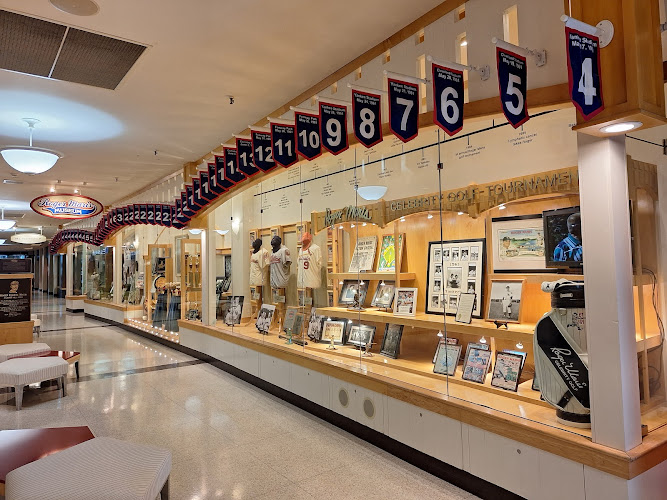
The Roger Maris Museum in Fargo, North Dakota, is a compact, thoughtfully curated tribute to one of baseball's most debated and celebrated sluggers. Rather than overwhelming visitors with walls of glass cases, the museum mixes film, artifacts, and narrative panels to trace Maris's rise from a Midwestern kid to a record-breaking outfielder for the New York Yankees. The overall feel is reverent without being reverential; the displays aim to explain what made Maris special, and why his 61-home-run season in 1961 still gets talked about more than six decades later.
Visitors will find a range of memorabilia: bats, jerseys, photographs, and personal items that anchor the larger story in specific moments. A small theater plays archival footage and interviews, and that, more than anything, gives the place a heartbeat. Watching game clips on a compact screen in a local museum—where the narrator occasionally sounds like someone who grew up alongside the subject—creates an intimacy not possible in a big city institution. The museum's interpretive panels do a good job of placing Maris in the social and sporting context of his era without heavy-handed editorializing. It acknowledges both the praise and the controversy that followed his achievements, letting visitors draw their own conclusions.
Accessibility and practical features are clearly thought through. The entrance and parking are wheelchair accessible, restrooms are ADA-friendly, and the layout is generally easy to navigate for families with strollers. There is a small cafe area for light snacks and a place to sit and debrief, which is a surprisingly welcome touch after standing and reading through exhibits. The place tends to skew family-friendly—kids often light up at the prospect of seeing a real Yankee jersey—but it also works for baseball historians and casual tourists who want a manageable, enriching stop as part of their Fargo itinerary.
For travelers who like their museum visits with a side of storytelling, this site delivers. It is not a sprawling, city-scale museum; it is a focused, character-driven exhibit that rewards curiosity. One might expect a lot of flash given Maris's fame, but the museum keeps things modest and earnest, which, frankly, suits the story. And yes, even if someone comes in skeptical about the Maris mystique, the artifacts—handled with obvious care—have a way of converting doubt into appreciation.
Key Features
- Comprehensive memorabilia collection featuring bats, jerseys, photographs, and personal items associated with Roger Maris
- On-site theater playing archival game footage, interviews, and documentary segments that contextualize Maris's career
- Wheelchair accessible entrance, parking lot, and restrooms to ensure ease of visit for mobility-impaired guests
- Family-friendly layout and exhibits that appeal to both kids and adult baseball fans
- Cafe area for snacks and light refreshments, plus seating to rest between galleries
- On-site parking for convenient access for travelers arriving by car
- Interpretive panels that address both the triumphs and controversies of Maris's career, offering balanced storytelling
- Compact footprint that makes the museum easy to explore in under two hours, ideal for visitors with tight schedules
Best Time to Visit
The Roger Maris Museum is easiest to enjoy during weekdays outside of local school field trip hours. Mid-mornings or early afternoons on weekdays typically mean fewer crowds and more time to soak in the films and read the panels at a comfortable pace. Summers see a steady trickle of tourists—Fargo's warmer months are popular—and weekends can be busier with families. If someone wants to avoid lines and linger in the theater, a weekday visit in spring or fall is a smart pick.
Seasonality in Fargo matters. Winters are long and sometimes brutal, so the museum attracts more visitors who are already in town for other indoor activities; ironically, that can mean slightly higher foot traffic in January and February. But the indoor nature of the museum makes it a reliable, weatherproof option year-round. If a traveler is in Fargo for a baseball-related event or regional reunion, syncing a visit with those dates gives the extra satisfaction of shared context; people in town for sporting events often appreciate the deeper dive into Maris's legacy.
How to Get There
The museum is straightforward to reach by car, and the presence of on-site parking removes one common travel headache. For those driving into Fargo, surface streets and local signage make navigation simple—Fargo is a grid-friendly city and tends to be easier than many metropolitan areas. Visitors who prefer to use rideshare services or taxis will find drop-off and pickup convenient, with an accessible entrance close to the main door.
Public transit options exist but are less frequent than in larger cities, so planning ahead is wise if relying on buses. Cycling is possible in good weather; the area around the museum is bike-friendly enough for casual riders who want to include a few local attractions in the same outing. For out-of-town guests, combining the museum visit with other nearby cultural stops creates an efficient day—grab a coffee, pop in for the theater presentation, then explore more of Fargo if time allows.
Tips for Visiting
Plan for roughly 60 to 90 minutes to do the museum justice. The theater segments and the close-up artifacts reward patience. If someone is a card-carrying baseball nerd, allocate extra time to read every caption—there are small details and lesser-known anecdotes that often don’t make it into mainstream sports history books.
Bring comfortable shoes. It sounds trivial, but even small museums involve standing and walking between displays; shoes that have already survived a day of touring Fargo will make the experience smoother. Also, leave room in the itinerary for the cafe break. The seating area is a quiet spot to talk baseball, compare notes, or let kids decompress after absorbing a lot of information.
Photography policies can be particular—some items may be behind glass or restricted—so check signage on arrival. Often, casual photos for personal use are allowed, but visitors should be prepared to respect any limitations. And yes, people do try to snap selfies with iconic items; it's best to be mindful of other guests who may want a quiet moment to view the same piece.
For travelers who care about accessibility, the museum's wheelchair-friendly entrance, parking, and restroom facilities are genuine conveniences. Families traveling with strollers will also find the layout accommodating. However, if someone requires specialized assistance beyond basic accessibility—like a sign language interpreter for the theater—calling ahead to confirm accommodations is a wise move.
Those with a passing interest in Roger Maris might leave feeling more connected to the era and the person. For instance, a small anecdote: the museum curator once shared with the writer that many visitors are surprised by how much Maris's Midwestern roots shaped his public image. That little insight often sparks lively conversations in the cafe afterward. If a visitor has a favorite moment from baseball history, mention it to museum staff—staffers are usually game for a short chat and might point out less obvious artifacts that align with a guest's interests.
Finally, combine this stop with other local attractions to maximize travel value. Fargo has a clutch of cultural sites within reasonable distance, and pairing the Maris Museum with one or two nearby spots can turn a quick visit into a satisfying half-day outing. And if someone ends up in town during a Yankees-Twin Cities game on TV, expect a few other locals to be talking Maris in surprisingly animated ways—it's one of those local history threads that stays alive.
All told, the Roger Maris Museum is a concise, well-executed homage that offers solid storytelling, genuine artifacts, and practical amenities. It's a place that respects its subject, invites questions, and rewards attentive visitors with moments that stick—a good stop on any Fargo itinerary for baseball lovers and curious travelers alike.
Key Features
- Comprehensive memorabilia collection featuring bats, jerseys, photographs, and personal items associated with Roger Maris
- On-site theater playing archival game footage, interviews, and documentary segments that contextualize Maris's career
- Wheelchair accessible entrance, parking lot, and restrooms to ensure ease of visit for mobility-impaired guests
- Family-friendly layout and exhibits that appeal to both kids and adult baseball fans
- Cafe area for snacks and light refreshments, plus seating to rest between galleries
- On-site parking for convenient access for travelers arriving by car
- Interpretive panels that address both the triumphs and controversies of Maris's career, offering balanced storytelling
- Compact footprint that makes the museum easy to explore in under two hours, ideal for visitors with tight schedules
More Details
Updated August 30, 2025
Table of Contents
Description
The Roger Maris Museum in Fargo, North Dakota, is a compact, thoughtfully curated tribute to one of baseball’s most debated and celebrated sluggers. Rather than overwhelming visitors with walls of glass cases, the museum mixes film, artifacts, and narrative panels to trace Maris’s rise from a Midwestern kid to a record-breaking outfielder for the New York Yankees. The overall feel is reverent without being reverential; the displays aim to explain what made Maris special, and why his 61-home-run season in 1961 still gets talked about more than six decades later.
Visitors will find a range of memorabilia: bats, jerseys, photographs, and personal items that anchor the larger story in specific moments. A small theater plays archival footage and interviews, and that, more than anything, gives the place a heartbeat. Watching game clips on a compact screen in a local museum—where the narrator occasionally sounds like someone who grew up alongside the subject—creates an intimacy not possible in a big city institution. The museum’s interpretive panels do a good job of placing Maris in the social and sporting context of his era without heavy-handed editorializing. It acknowledges both the praise and the controversy that followed his achievements, letting visitors draw their own conclusions.
Accessibility and practical features are clearly thought through. The entrance and parking are wheelchair accessible, restrooms are ADA-friendly, and the layout is generally easy to navigate for families with strollers. There is a small cafe area for light snacks and a place to sit and debrief, which is a surprisingly welcome touch after standing and reading through exhibits. The place tends to skew family-friendly—kids often light up at the prospect of seeing a real Yankee jersey—but it also works for baseball historians and casual tourists who want a manageable, enriching stop as part of their Fargo itinerary.
For travelers who like their museum visits with a side of storytelling, this site delivers. It is not a sprawling, city-scale museum; it is a focused, character-driven exhibit that rewards curiosity. One might expect a lot of flash given Maris’s fame, but the museum keeps things modest and earnest, which, frankly, suits the story. And yes, even if someone comes in skeptical about the Maris mystique, the artifacts—handled with obvious care—have a way of converting doubt into appreciation.
Key Features
- Comprehensive memorabilia collection featuring bats, jerseys, photographs, and personal items associated with Roger Maris
- On-site theater playing archival game footage, interviews, and documentary segments that contextualize Maris’s career
- Wheelchair accessible entrance, parking lot, and restrooms to ensure ease of visit for mobility-impaired guests
- Family-friendly layout and exhibits that appeal to both kids and adult baseball fans
- Cafe area for snacks and light refreshments, plus seating to rest between galleries
- On-site parking for convenient access for travelers arriving by car
- Interpretive panels that address both the triumphs and controversies of Maris’s career, offering balanced storytelling
- Compact footprint that makes the museum easy to explore in under two hours, ideal for visitors with tight schedules
Best Time to Visit
The Roger Maris Museum is easiest to enjoy during weekdays outside of local school field trip hours. Mid-mornings or early afternoons on weekdays typically mean fewer crowds and more time to soak in the films and read the panels at a comfortable pace. Summers see a steady trickle of tourists—Fargo’s warmer months are popular—and weekends can be busier with families. If someone wants to avoid lines and linger in the theater, a weekday visit in spring or fall is a smart pick.
Seasonality in Fargo matters. Winters are long and sometimes brutal, so the museum attracts more visitors who are already in town for other indoor activities; ironically, that can mean slightly higher foot traffic in January and February. But the indoor nature of the museum makes it a reliable, weatherproof option year-round. If a traveler is in Fargo for a baseball-related event or regional reunion, syncing a visit with those dates gives the extra satisfaction of shared context; people in town for sporting events often appreciate the deeper dive into Maris’s legacy.
How to Get There
The museum is straightforward to reach by car, and the presence of on-site parking removes one common travel headache. For those driving into Fargo, surface streets and local signage make navigation simple—Fargo is a grid-friendly city and tends to be easier than many metropolitan areas. Visitors who prefer to use rideshare services or taxis will find drop-off and pickup convenient, with an accessible entrance close to the main door.
Public transit options exist but are less frequent than in larger cities, so planning ahead is wise if relying on buses. Cycling is possible in good weather; the area around the museum is bike-friendly enough for casual riders who want to include a few local attractions in the same outing. For out-of-town guests, combining the museum visit with other nearby cultural stops creates an efficient day—grab a coffee, pop in for the theater presentation, then explore more of Fargo if time allows.
Tips for Visiting
Plan for roughly 60 to 90 minutes to do the museum justice. The theater segments and the close-up artifacts reward patience. If someone is a card-carrying baseball nerd, allocate extra time to read every caption—there are small details and lesser-known anecdotes that often don’t make it into mainstream sports history books.
Bring comfortable shoes. It sounds trivial, but even small museums involve standing and walking between displays; shoes that have already survived a day of touring Fargo will make the experience smoother. Also, leave room in the itinerary for the cafe break. The seating area is a quiet spot to talk baseball, compare notes, or let kids decompress after absorbing a lot of information.
Photography policies can be particular—some items may be behind glass or restricted—so check signage on arrival. Often, casual photos for personal use are allowed, but visitors should be prepared to respect any limitations. And yes, people do try to snap selfies with iconic items; it’s best to be mindful of other guests who may want a quiet moment to view the same piece.
For travelers who care about accessibility, the museum’s wheelchair-friendly entrance, parking, and restroom facilities are genuine conveniences. Families traveling with strollers will also find the layout accommodating. However, if someone requires specialized assistance beyond basic accessibility—like a sign language interpreter for the theater—calling ahead to confirm accommodations is a wise move.
Those with a passing interest in Roger Maris might leave feeling more connected to the era and the person. For instance, a small anecdote: the museum curator once shared with the writer that many visitors are surprised by how much Maris’s Midwestern roots shaped his public image. That little insight often sparks lively conversations in the cafe afterward. If a visitor has a favorite moment from baseball history, mention it to museum staff—staffers are usually game for a short chat and might point out less obvious artifacts that align with a guest’s interests.
Finally, combine this stop with other local attractions to maximize travel value. Fargo has a clutch of cultural sites within reasonable distance, and pairing the Maris Museum with one or two nearby spots can turn a quick visit into a satisfying half-day outing. And if someone ends up in town during a Yankees-Twin Cities game on TV, expect a few other locals to be talking Maris in surprisingly animated ways—it’s one of those local history threads that stays alive.
All told, the Roger Maris Museum is a concise, well-executed homage that offers solid storytelling, genuine artifacts, and practical amenities. It’s a place that respects its subject, invites questions, and rewards attentive visitors with moments that stick—a good stop on any Fargo itinerary for baseball lovers and curious travelers alike.
Key Highlights
- Comprehensive memorabilia collection featuring bats, jerseys, photographs, and personal items associated with Roger Maris
- On-site theater playing archival game footage, interviews, and documentary segments that contextualize Maris's career
- Wheelchair accessible entrance, parking lot, and restrooms to ensure ease of visit for mobility-impaired guests
- Family-friendly layout and exhibits that appeal to both kids and adult baseball fans
- Cafe area for snacks and light refreshments, plus seating to rest between galleries
- On-site parking for convenient access for travelers arriving by car
- Interpretive panels that address both the triumphs and controversies of Maris's career, offering balanced storytelling
- Compact footprint that makes the museum easy to explore in under two hours, ideal for visitors with tight schedules
Location
Places to Stay Near Roger Maris Museum
Find and Book a Tour
Explore More Travel Guides
No reviews found! Be the first to review!
Traveler Reviews for Roger Maris Museum
There are no reviews yet. Be the first one to write one.
Have you visited Roger Maris Museum? Help other travelers by sharing your review.
You Might Also Like
Lemke Park
Trollwood Park

Wedding Gazebo | Island Park
Find Accommodations Nearby
Recommended Tours & Activities
Visitor Reviews
There are no reviews yet. Be the first one to write one.
Share Your Experience
Have you visited Roger Maris Museum? Help other travelers by leaving a review.