
Reconciliation Park
About Reconciliation Park
Description
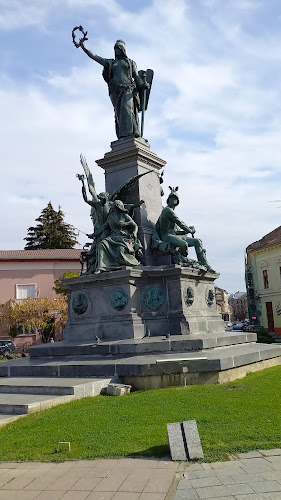
Reconciliation Park is the kind of place that sneaks up on you emotionally. At first glance, it’s a peaceful green space dotted with sculptures and memorials, but spend a little time here and you’ll feel the weight of its history and purpose. This is not just another park with benches and trees—it’s a space created to acknowledge the past, honor those who suffered, and inspire conversations about healing and unity. The atmosphere is calm, but there’s a quiet intensity in the air, the kind you notice when you slow down enough to really look around.
Walking through, you’ll see artistic monuments that tell stories—some uplifting, some heavy. I remember my first visit; I found myself pausing longer than I expected at one sculpture, tracing the lines with my eyes, wondering about the people it represented. It’s not a place you rush through. Families often bring kids, and dogs trot happily alongside their owners, but there’s still a respectful hush that hangs over the park.
Accessibility is clearly a priority here, with wide, smooth paths and parking areas designed to welcome wheelchair users. That matters, because this is a park meant for everyone. You’ll notice a mix of visitors—tourists with cameras, locals on quiet walks, history buffs studying the plaques. It’s well-maintained, though not overly manicured, which somehow makes it feel more authentic. Sure, not every corner is perfect, and you might spot a bench in need of fresh paint, but that’s part of its lived-in charm. It’s a place that feels used, loved, and layered with meaning.
Key Features
- Striking memorial sculptures and monuments with historical significance
- Peaceful walking paths suitable for all mobility levels
- Pet-friendly environment—dogs are welcome on leash
- Family-friendly spaces with open areas for kids to explore
- Wheelchair accessible entrances and parking
- Interpretive plaques that share stories and context
- Shaded seating areas for rest and reflection
Best Time to Visit
If you’re aiming for the most comfortable weather, late spring and early autumn are your sweet spots. The summer can be gorgeous, but depending on the day, it might get a bit warm—especially if you plan on lingering over every monument (which you should). Mornings tend to be quieter, with soft light that makes the sculptures look almost ethereal. I once visited just after a light rain in October, and the damp leaves added this earthy scent that made the whole experience feel even more grounded.
Winter visits can be peaceful too, especially if you like having the place almost to yourself. Just be prepared for chillier winds, and maybe bring a thermos of coffee or tea. The park tends to feel different in each season, so if you’re local or visit often, it’s worth coming back at different times of year to see how the mood shifts.
How to Get There
Reconciliation Park is located in a central area that’s fairly easy to reach whether you’re coming by car, public transportation, or even on foot from nearby attractions. Driving in is straightforward, with clear signage leading you to the entrance, and there’s accessible parking right by the main walkway. If you’re using public transit, several bus routes stop within a short walk of the park’s entrance. For cyclists, the surrounding streets are bike-friendly, and there are racks available for locking up your ride. I’ve even heard of people making it part of a longer walking tour of the city’s historical sites, which is a great way to connect the dots between different parts of the area’s story.
Tips for Visiting
First off, give yourself more time than you think you’ll need. This isn’t the kind of place you breeze through in 15 minutes; the details deserve your attention. Wear comfortable shoes—there’s not a huge amount of walking, but you’ll want to wander a bit. If you’re bringing kids, it’s a good idea to talk to them beforehand about the park’s significance so they can appreciate it beyond just being “a place to run around.”
For dog owners, remember to keep pets leashed and bring waste bags; it’s a shared space and part of its charm is how respectfully it’s treated by visitors. If you’re into photography, mornings and late afternoons offer the best natural light, and the shadows cast by the monuments can create some striking shots. Also, don’t just read the plaques—take a moment to stand still and think about what they’re saying. That’s when the park’s message really sinks in.
Lastly, if you can, visit with someone else. I’ve found that talking about what you see here—whether it’s the art, the history, or the emotions it stirs—makes the experience even richer. And if you’re on your own, well, there’s something powerful about that too. Just you, the art, and the quiet weight of history.
Key Features
- Striking memorial sculptures and monuments with historical significance
- Peaceful walking paths suitable for all mobility levels
- Pet-friendly environment—dogs are welcome on leash
- Family-friendly spaces with open areas for kids to explore
- Wheelchair accessible entrances and parking
- Interpretive plaques that share stories and context
- Shaded seating areas for rest and reflection
More Details
Updated August 10, 2025
Table of Contents
Description
Reconciliation Park is the kind of place that sneaks up on you emotionally. At first glance, it’s a peaceful green space dotted with sculptures and memorials, but spend a little time here and you’ll feel the weight of its history and purpose. This is not just another park with benches and trees—it’s a space created to acknowledge the past, honor those who suffered, and inspire conversations about healing and unity. The atmosphere is calm, but there’s a quiet intensity in the air, the kind you notice when you slow down enough to really look around.
Walking through, you’ll see artistic monuments that tell stories—some uplifting, some heavy. I remember my first visit; I found myself pausing longer than I expected at one sculpture, tracing the lines with my eyes, wondering about the people it represented. It’s not a place you rush through. Families often bring kids, and dogs trot happily alongside their owners, but there’s still a respectful hush that hangs over the park.
Accessibility is clearly a priority here, with wide, smooth paths and parking areas designed to welcome wheelchair users. That matters, because this is a park meant for everyone. You’ll notice a mix of visitors—tourists with cameras, locals on quiet walks, history buffs studying the plaques. It’s well-maintained, though not overly manicured, which somehow makes it feel more authentic. Sure, not every corner is perfect, and you might spot a bench in need of fresh paint, but that’s part of its lived-in charm. It’s a place that feels used, loved, and layered with meaning.
Key Features
- Striking memorial sculptures and monuments with historical significance
- Peaceful walking paths suitable for all mobility levels
- Pet-friendly environment—dogs are welcome on leash
- Family-friendly spaces with open areas for kids to explore
- Wheelchair accessible entrances and parking
- Interpretive plaques that share stories and context
- Shaded seating areas for rest and reflection
Best Time to Visit
If you’re aiming for the most comfortable weather, late spring and early autumn are your sweet spots. The summer can be gorgeous, but depending on the day, it might get a bit warm—especially if you plan on lingering over every monument (which you should). Mornings tend to be quieter, with soft light that makes the sculptures look almost ethereal. I once visited just after a light rain in October, and the damp leaves added this earthy scent that made the whole experience feel even more grounded.
Winter visits can be peaceful too, especially if you like having the place almost to yourself. Just be prepared for chillier winds, and maybe bring a thermos of coffee or tea. The park tends to feel different in each season, so if you’re local or visit often, it’s worth coming back at different times of year to see how the mood shifts.
How to Get There
Reconciliation Park is located in a central area that’s fairly easy to reach whether you’re coming by car, public transportation, or even on foot from nearby attractions. Driving in is straightforward, with clear signage leading you to the entrance, and there’s accessible parking right by the main walkway. If you’re using public transit, several bus routes stop within a short walk of the park’s entrance. For cyclists, the surrounding streets are bike-friendly, and there are racks available for locking up your ride. I’ve even heard of people making it part of a longer walking tour of the city’s historical sites, which is a great way to connect the dots between different parts of the area’s story.
Tips for Visiting
First off, give yourself more time than you think you’ll need. This isn’t the kind of place you breeze through in 15 minutes; the details deserve your attention. Wear comfortable shoes—there’s not a huge amount of walking, but you’ll want to wander a bit. If you’re bringing kids, it’s a good idea to talk to them beforehand about the park’s significance so they can appreciate it beyond just being “a place to run around.”
For dog owners, remember to keep pets leashed and bring waste bags; it’s a shared space and part of its charm is how respectfully it’s treated by visitors. If you’re into photography, mornings and late afternoons offer the best natural light, and the shadows cast by the monuments can create some striking shots. Also, don’t just read the plaques—take a moment to stand still and think about what they’re saying. That’s when the park’s message really sinks in.
Lastly, if you can, visit with someone else. I’ve found that talking about what you see here—whether it’s the art, the history, or the emotions it stirs—makes the experience even richer. And if you’re on your own, well, there’s something powerful about that too. Just you, the art, and the quiet weight of history.
Key Highlights
- Striking memorial sculptures and monuments with historical significance
- Peaceful walking paths suitable for all mobility levels
- Pet-friendly environment—dogs are welcome on leash
- Family-friendly spaces with open areas for kids to explore
- Wheelchair accessible entrances and parking
- Interpretive plaques that share stories and context
- Shaded seating areas for rest and reflection
Location
Places to Stay Near Reconciliation Park
Find and Book a Tour
Explore More Travel Guides
No reviews found! Be the first to review!
Traveler Reviews for Reconciliation Park
There are no reviews yet. Be the first one to write one.
Have you visited Reconciliation Park? Help other travelers by sharing your review.
You Might Also Like

Mures Floodplain Natural Park
Decebal
Insulă Parc Europa
Find Accommodations Nearby
Recommended Tours & Activities
Visitor Reviews
There are no reviews yet. Be the first one to write one.
Share Your Experience
Have you visited Reconciliation Park? Help other travelers by leaving a review.