
Quainton Windmill
About Quainton Windmill
Description
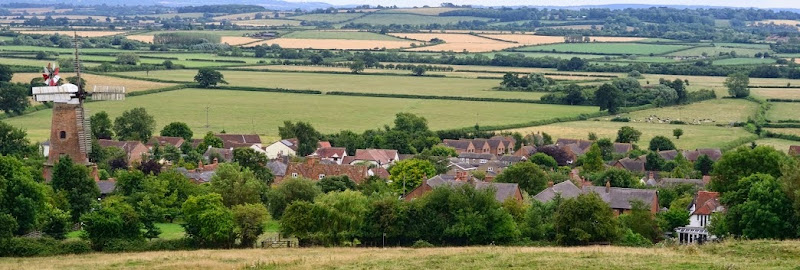
If you’ve ever wondered what it’s like to step back in time and watch history in motion, Quainton Windmill is just the ticket. This isn’t your average dusty old relic—nope, it’s a fully restored, working windmill from the 1830s that still grinds wheat into flour. Imagine the creak of wooden gears, the rhythmic turning of sails catching the breeze, and the smell of fresh flour in the air. Quainton Windmill stands tall—about 70 feet high—and dominates the village skyline, making it one of Buckinghamshire’s most distinctive landmarks.
Built over the course of a couple of years in the early 19th century, this six-storey brick tower mill was the brainchild of Mr. James Anstiss. Legend has it, the bricks were made right on site, with clay dug from a nearby spot and fired in a kiln just for the mill. It’s a marvel of engineering and local craftsmanship that survived decades of neglect before being lovingly brought back to life. Now, it’s not just a pretty face; it still grinds wheat into flour, which you can actually buy when you visit. How many historic mills can boast that?
Walking inside, you get a genuine sense of the old milling process, complete with original machinery and the occasional puff of flour dust. It’s a hands-on history lesson that’s surprisingly engaging, especially if you have kids in tow. Speaking of which, the mill is quite kid-friendly, offering a chance for young ones to see history in action rather than just reading about it in books.
Sure, it’s not wheelchair accessible, so that’s something to keep in mind if you or someone in your group needs easier access. But for the able-bodied, it’s a fascinating peek into rural England’s industrial past, set right at the heart of Quainton village green. And if you’re the kind of traveler who loves quirky, off-the-beaten-path spots with a story to tell, this windmill will tick all your boxes.
Key Features
- Historic 19th-century brick tower windmill, standing approximately 70 feet tall
- Fully restored and operational, capable of grinding wheat into flour
- Open to the public on Sunday mornings, perfect for a leisurely weekend visit
- Located at the top of Quainton village green, offering a charming rural setting
- Original milling machinery preserved and demonstrated during visits
- Flour produced on-site available for purchase as a unique souvenir
- Family-friendly attraction with educational value for children
- Not wheelchair accessible—includes several flights of stairs inside
- Grade II* listed building, recognized for its architectural and historical importance
Best Time to Visit
Plan your trip on a Sunday morning, because that’s when the Quainton Windmill opens its doors to visitors. The atmosphere then is just right—calm and unhurried, with fewer crowds than you might expect for such a gem. Spring and early summer are particularly lovely times to visit. The village green is lush and green, and the weather usually cooperates enough to let the sails catch a good breeze.
Autumn visits have their charm too, especially when the harvest season is winding down and the mill’s flour production feels especially relevant. Winter? Well, the mill is closed, and while the village still has its quiet charm, you won’t get to see the machinery in action. So, if you want the full experience—sails turning, flour grinding, and maybe a chat with the volunteers who keep the mill alive—Sunday mornings in the warmer months are your best bet.
How to Get There
Quainton Windmill sits right in the heart of Quainton village, making it pretty straightforward to find once you’re in the area. If you’re driving, it’s a pleasant countryside route from Aylesbury, just a short hop away. Parking in the village is limited but generally manageable, especially if you arrive early.
Public transport options exist but aren’t exactly frequent, so if you’re relying on buses or trains, be sure to check schedules ahead of time. The nearest train station is a bit of a distance, so a taxi or a bit of a walk might be involved. Honestly, having a car or arranging a ride is the easiest way to get there without any hassle. Plus, the drive through Buckinghamshire’s rolling hills and quaint villages is a treat in itself.
Tips for Visiting
First off, wear comfortable shoes. The windmill has several flights of stairs inside and some uneven surfaces, so be ready to climb and explore. If you’re visiting with kids, this is a great chance to get them curious about history and old-school technology, but keep an eye on little ones on those stairs.
Bring a camera, but don’t just snap and dash—take a moment to soak in the details. The craftsmanship, the massive wooden gears, and the way the sunlight filters through the sails are all worth lingering over. And if you’re lucky, you might catch a volunteer milling flour or sharing a story about the mill’s past. Those personal touches make the visit memorable.
Don’t forget to pick up some of the freshly ground flour if it’s available. It’s a real treat and a tangible piece of history you can take home. Plus, it supports the ongoing maintenance of this wonderful landmark. If you’re into baking, this flour will add a story to your bread that supermarket stuff just can’t match.
Lastly, check the opening times before you go—this isn’t a place that’s open every day. Sunday mornings are the sweet spot, and arriving early means you can enjoy the mill with fewer visitors around. Oh, and if you want to avoid the busiest times, mid-morning tends to be quieter than right at opening.
Visiting Quainton Windmill is like stepping into a living postcard from the 19th century. It’s not just about looking at an old building—it’s about experiencing a piece of England’s rural heritage that still hums with life. Whether you’re a history buff, a curious traveler, or just someone looking for a peaceful spot with a story, this windmill has a way of sticking with you long after you leave.
Key Features
- Historic 19th-century brick tower windmill, standing approximately 70 feet tall
- Fully restored and operational, capable of grinding wheat into flour
- Open to the public on Sunday mornings, perfect for a leisurely weekend visit
- Located at the top of Quainton village green, offering a charming rural setting
- Original milling machinery preserved and demonstrated during visits
- Flour produced on-site available for purchase as a unique souvenir
- Family-friendly attraction with educational value for children
- Not wheelchair accessible—includes several flights of stairs inside
More Details
Updated July 14, 2025
Table of Contents
Description
If you’ve ever wondered what it’s like to step back in time and watch history in motion, Quainton Windmill is just the ticket. This isn’t your average dusty old relic—nope, it’s a fully restored, working windmill from the 1830s that still grinds wheat into flour. Imagine the creak of wooden gears, the rhythmic turning of sails catching the breeze, and the smell of fresh flour in the air. Quainton Windmill stands tall—about 70 feet high—and dominates the village skyline, making it one of Buckinghamshire’s most distinctive landmarks.
Built over the course of a couple of years in the early 19th century, this six-storey brick tower mill was the brainchild of Mr. James Anstiss. Legend has it, the bricks were made right on site, with clay dug from a nearby spot and fired in a kiln just for the mill. It’s a marvel of engineering and local craftsmanship that survived decades of neglect before being lovingly brought back to life. Now, it’s not just a pretty face; it still grinds wheat into flour, which you can actually buy when you visit. How many historic mills can boast that?
Walking inside, you get a genuine sense of the old milling process, complete with original machinery and the occasional puff of flour dust. It’s a hands-on history lesson that’s surprisingly engaging, especially if you have kids in tow. Speaking of which, the mill is quite kid-friendly, offering a chance for young ones to see history in action rather than just reading about it in books.
Sure, it’s not wheelchair accessible, so that’s something to keep in mind if you or someone in your group needs easier access. But for the able-bodied, it’s a fascinating peek into rural England’s industrial past, set right at the heart of Quainton village green. And if you’re the kind of traveler who loves quirky, off-the-beaten-path spots with a story to tell, this windmill will tick all your boxes.
Key Features
- Historic 19th-century brick tower windmill, standing approximately 70 feet tall
- Fully restored and operational, capable of grinding wheat into flour
- Open to the public on Sunday mornings, perfect for a leisurely weekend visit
- Located at the top of Quainton village green, offering a charming rural setting
- Original milling machinery preserved and demonstrated during visits
- Flour produced on-site available for purchase as a unique souvenir
- Family-friendly attraction with educational value for children
- Not wheelchair accessible—includes several flights of stairs inside
- Grade II* listed building, recognized for its architectural and historical importance
Best Time to Visit
Plan your trip on a Sunday morning, because that’s when the Quainton Windmill opens its doors to visitors. The atmosphere then is just right—calm and unhurried, with fewer crowds than you might expect for such a gem. Spring and early summer are particularly lovely times to visit. The village green is lush and green, and the weather usually cooperates enough to let the sails catch a good breeze.
Autumn visits have their charm too, especially when the harvest season is winding down and the mill’s flour production feels especially relevant. Winter? Well, the mill is closed, and while the village still has its quiet charm, you won’t get to see the machinery in action. So, if you want the full experience—sails turning, flour grinding, and maybe a chat with the volunteers who keep the mill alive—Sunday mornings in the warmer months are your best bet.
How to Get There
Quainton Windmill sits right in the heart of Quainton village, making it pretty straightforward to find once you’re in the area. If you’re driving, it’s a pleasant countryside route from Aylesbury, just a short hop away. Parking in the village is limited but generally manageable, especially if you arrive early.
Public transport options exist but aren’t exactly frequent, so if you’re relying on buses or trains, be sure to check schedules ahead of time. The nearest train station is a bit of a distance, so a taxi or a bit of a walk might be involved. Honestly, having a car or arranging a ride is the easiest way to get there without any hassle. Plus, the drive through Buckinghamshire’s rolling hills and quaint villages is a treat in itself.
Tips for Visiting
First off, wear comfortable shoes. The windmill has several flights of stairs inside and some uneven surfaces, so be ready to climb and explore. If you’re visiting with kids, this is a great chance to get them curious about history and old-school technology, but keep an eye on little ones on those stairs.
Bring a camera, but don’t just snap and dash—take a moment to soak in the details. The craftsmanship, the massive wooden gears, and the way the sunlight filters through the sails are all worth lingering over. And if you’re lucky, you might catch a volunteer milling flour or sharing a story about the mill’s past. Those personal touches make the visit memorable.
Don’t forget to pick up some of the freshly ground flour if it’s available. It’s a real treat and a tangible piece of history you can take home. Plus, it supports the ongoing maintenance of this wonderful landmark. If you’re into baking, this flour will add a story to your bread that supermarket stuff just can’t match.
Lastly, check the opening times before you go—this isn’t a place that’s open every day. Sunday mornings are the sweet spot, and arriving early means you can enjoy the mill with fewer visitors around. Oh, and if you want to avoid the busiest times, mid-morning tends to be quieter than right at opening.
Visiting Quainton Windmill is like stepping into a living postcard from the 19th century. It’s not just about looking at an old building—it’s about experiencing a piece of England’s rural heritage that still hums with life. Whether you’re a history buff, a curious traveler, or just someone looking for a peaceful spot with a story, this windmill has a way of sticking with you long after you leave.
Key Highlights
- Historic 19th-century brick tower windmill, standing approximately 70 feet tall
- Fully restored and operational, capable of grinding wheat into flour
- Open to the public on Sunday mornings, perfect for a leisurely weekend visit
- Located at the top of Quainton village green, offering a charming rural setting
- Original milling machinery preserved and demonstrated during visits
- Flour produced on-site available for purchase as a unique souvenir
- Family-friendly attraction with educational value for children
- Not wheelchair accessible—includes several flights of stairs inside
Location
Places to Stay Near Quainton Windmill
Find and Book a Tour
Explore More Travel Guides
No reviews found! Be the first to review!
Traveler Reviews for Quainton Windmill
There are no reviews yet. Be the first one to write one.
Have you visited Quainton Windmill? Help other travelers by sharing your review.
You Might Also Like
Cottesloe Park

Discover Bucks Museum
Aylesbury
Find Accommodations Nearby
Recommended Tours & Activities
Visitor Reviews
There are no reviews yet. Be the first one to write one.
Share Your Experience
Have you visited Quainton Windmill? Help other travelers by leaving a review.