
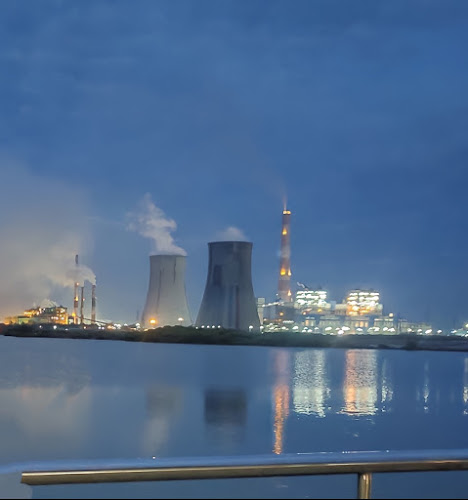
Power Plant View Point
About Power Plant View Point
Description
Power Plant View Point offers visitors a rather unusual perspective that you won't find at your typical tourist destination. Instead of ancient ruins or pristine beaches, travelers here get to witness the fascinating intersection of industrial engineering and natural landscapes. The viewpoint provides an elevated vantage point where the massive cooling towers and infrastructure of a working power facility create an unexpectedly photogenic backdrop against the surrounding terrain. I've always found there's something oddly mesmerizing about watching industrial complexes from a distance—maybe it's the sheer scale of human engineering or the contrast between our built environment and nature. At this particular spot, you're getting a front-row seat to observe how modern civilization generates the electricity that powers our daily lives. And honestly, it's pretty cool when you think about it that way. The area has become increasingly popular with photographers looking for that gritty, industrial aesthetic that's been trending on social media lately. But beyond just Instagram opportunities, the viewpoint serves as an educational experience too. You can actually see the steam rising from the cooling towers (which is just water vapor, not pollution as many people mistakenly think), and on clear days, the view extends far beyond just the plant itself to include surrounding valleys and hillsides. What makes this place particularly family-friendly is its accessibility and the genuine curiosity it sparks in younger visitors. Kids tend to be fascinated by the enormous scale of everything—those cooling towers can reach heights of over 500 feet at many facilities—and it becomes a real-world science lesson without feeling like one.Key Features
The Power Plant View Point delivers several noteworthy aspects that make it worth adding to your travel itinerary: • Unobstructed panoramic views of industrial architecture set against natural landscapes, creating a unique photographic opportunity that stands apart from conventional scenic overlooks • Educational value for families and curious travelers who want to understand more about energy production and modern infrastructure—it's like an outdoor museum without the admission fee • Safe viewing distance that allows visitors to appreciate the massive scale of power generation facilities while maintaining appropriate security boundaries • Multiple vantage points within the viewing area to capture different angles and perspectives, particularly valuable during golden hour when the light hits the structures just right • Minimal crowds compared to traditional tourist attractions, meaning you'll likely have plenty of space to set up your camera equipment or simply enjoy the view without fighting through hordes of other tourists • Suitable terrain for visitors of various mobility levels, with relatively flat observation areas that don't require strenuous hiking • Year-round accessibility since the viewpoint doesn't close for seasonal weather (though comfort levels will vary depending on when you visit) • No entrance fees or tickets required, making it an excellent budget-friendly stop for travelers watching their expenses • Peaceful atmosphere where you can hear the low hum of industrial operations mixing with natural sounds—an oddly meditative experience that some visitors find surprisingly relaxingBest Time to Visit
Timing your visit to Power Plant View Point can really make a difference in your experience. Early morning hours, particularly around sunrise, offer exceptional lighting conditions for photography enthusiasts. The soft dawn light creates dramatic shadows across the industrial structures and the steam from the cooling towers becomes almost ethereal when backlit by the rising sun. Late afternoon through sunset is equally spectacular, maybe even better if I'm being honest. The golden hour transforms those utilitarian concrete towers into something almost artistic. I remember visiting an industrial viewpoint once at sunset and being genuinely surprised at how beautiful something so functional could look when the light was just right. The warm tones bouncing off the structures create photo opportunities you simply can't replicate at midday. Weekdays typically see fewer visitors than weekends, which matters if you're someone who appreciates solitude or wants to avoid other people photobombing your shots. The plant itself operates continuously, so you'll see activity regardless of when you show up. Weather-wise, clear days obviously provide the best visibility for taking in the full scope of the view. But don't completely discount overcast conditions—cloudy skies can add mood and drama to your photographs, particularly if you're into that brooding, industrial aesthetic. Winter visits have their own appeal despite the cold. The steam from the cooling towers becomes more visible in frigid temperatures, creating impressive plumes that rise hundreds of feet into the air. Just bundle up appropriately because there's typically little shelter from wind at elevated viewpoints. Spring and fall shoulder seasons offer moderate temperatures that make lingering at the viewpoint more comfortable. You won't be sweating through your shirt in summer heat or shivering in winter cold, which means you'll probably stay longer and notice details you might otherwise miss.How to Get There
Reaching Power Plant View Point requires a bit of local navigation, but it's definitely manageable for most travelers. The viewpoint is accessible by car, which is honestly your best option unless you're particularly adventurous or staying extremely close by. From major highways in the region, you'll want to follow local roads that wind toward the power facility area. Look for signage indicating observation areas or viewpoints—though fair warning, the signage isn't always as clear as it could be. GPS coordinates work better than street addresses for finding the exact spot. The final approach typically involves a smaller access road that leads to the designated viewing area. The road conditions are generally decent, suitable for standard passenger vehicles. You won't need a 4x4 or anything specialized unless weather has been particularly nasty recently. Parking is informal but adequate, with enough space for several vehicles. There isn't a paved parking lot with designated spaces—it's more of a pull-off area where people park along the shoulder. Just use common sense about not blocking access for other vehicles. For those relying on public transportation, options become trickier. These viewpoints aren't usually on standard bus routes. Rideshare services can work if you're coming from nearby towns, though you'll want to arrange your return pickup in advance since you can't always count on drivers being available in less populated areas. Some adventurous travelers arrive by bicycle, which is totally doable if you're comfortable with moderate distances and some hills. The roads leading to the viewpoint aren't specifically marked as bike routes, so you'll be sharing space with vehicles. Stay visible and ride defensively. Walking from nearby accommodations is possible depending on where you're staying, but check distances carefully. What looks close on a map can turn into a longer trek than expected, especially if you're not used to walking along roads without sidewalks.Tips for Visiting
Making the most of your trip to Power Plant View Point comes down to proper preparation and knowing what to expect. Dress in layers even if the weather forecast looks mild—elevated viewpoints can be surprisingly windy and temperatures shift throughout the day more than you'd think. Bring your camera equipment with appropriate lenses. A telephoto zoom helps capture details of the power plant structures from your viewing distance, while a wide-angle lens lets you incorporate the surrounding landscape into your compositions. And please, charge your batteries beforehand. There's nothing more frustrating than finding the perfect shot and realizing your camera just died. Pack snacks and water since there aren't facilities or vendors at the viewpoint itself. You won't find restrooms either, so plan accordingly before you arrive. The nearest services are usually back toward the main road or in the closest town. Respect any posted boundaries or restricted areas. These are working industrial facilities with legitimate security concerns, and getting too close isn't just trespassing—it could actually be dangerous. The designated viewpoint gives you the best views anyway without any of the risks. For families visiting with children, this can be genuinely engaging for kids if you frame it right. Turn it into a learning opportunity about where electricity comes from or challenge them to estimate how tall the structures are. Bring binoculars so younger ones can get a closer look at details. Check local weather before heading out, particularly wind conditions. Strong winds can make standing at an exposed viewpoint uncomfortable and create safety issues if you're using tripods or other equipment that might blow over. Consider the sun's position relative to the structures when planning your shots. Backlighting creates silhouettes which can be dramatic, while front lighting shows more detail and color in the industrial features. Be mindful of noise if you're hoping to record video or audio. The ambient sound from the facility can be constant and might pick up on recordings more than you initially notice. Don't rush your visit. What might seem like "just" an industrial view actually reveals more complexity the longer you observe. Watch how the steam patterns change, notice the movement of vehicles or personnel around the facility, or simply appreciate the engineering achievement you're witnessing. Finally, leave no trace of your visit. Pack out everything you brought in, and don't disturb the natural environment around the viewing area. Future visitors deserve the same experience you enjoyed.Key Features
- Panoramic views of Tuticorin Thermal Power Station and coastal industrial landscape
- Sunrise and sunset photo opportunities with cooling towers and sea backdrop
- Close proximity to salt pans and the Tuticorin/New Port shipping lanes
- Easy roadside access from Tuticorin Beach Road with modest parking
- Low visitor numbers—quiet, contemplative atmosphere away from crowded tourist beaches
More Details
Updated January 17, 2026
Table of Contents
Description
Power Plant View Point offers visitors a rather unusual perspective that you won’t find at your typical tourist destination. Instead of ancient ruins or pristine beaches, travelers here get to witness the fascinating intersection of industrial engineering and natural landscapes. The viewpoint provides an elevated vantage point where the massive cooling towers and infrastructure of a working power facility create an unexpectedly photogenic backdrop against the surrounding terrain.
I’ve always found there’s something oddly mesmerizing about watching industrial complexes from a distance—maybe it’s the sheer scale of human engineering or the contrast between our built environment and nature. At this particular spot, you’re getting a front-row seat to observe how modern civilization generates the electricity that powers our daily lives. And honestly, it’s pretty cool when you think about it that way.
The area has become increasingly popular with photographers looking for that gritty, industrial aesthetic that’s been trending on social media lately. But beyond just Instagram opportunities, the viewpoint serves as an educational experience too. You can actually see the steam rising from the cooling towers (which is just water vapor, not pollution as many people mistakenly think), and on clear days, the view extends far beyond just the plant itself to include surrounding valleys and hillsides.
What makes this place particularly family-friendly is its accessibility and the genuine curiosity it sparks in younger visitors. Kids tend to be fascinated by the enormous scale of everything—those cooling towers can reach heights of over 500 feet at many facilities—and it becomes a real-world science lesson without feeling like one.
Key Features
The Power Plant View Point delivers several noteworthy aspects that make it worth adding to your travel itinerary:
• Unobstructed panoramic views of industrial architecture set against natural landscapes, creating a unique photographic opportunity that stands apart from conventional scenic overlooks
• Educational value for families and curious travelers who want to understand more about energy production and modern infrastructure—it’s like an outdoor museum without the admission fee
• Safe viewing distance that allows visitors to appreciate the massive scale of power generation facilities while maintaining appropriate security boundaries
• Multiple vantage points within the viewing area to capture different angles and perspectives, particularly valuable during golden hour when the light hits the structures just right
• Minimal crowds compared to traditional tourist attractions, meaning you’ll likely have plenty of space to set up your camera equipment or simply enjoy the view without fighting through hordes of other tourists
• Suitable terrain for visitors of various mobility levels, with relatively flat observation areas that don’t require strenuous hiking
• Year-round accessibility since the viewpoint doesn’t close for seasonal weather (though comfort levels will vary depending on when you visit)
• No entrance fees or tickets required, making it an excellent budget-friendly stop for travelers watching their expenses
• Peaceful atmosphere where you can hear the low hum of industrial operations mixing with natural sounds—an oddly meditative experience that some visitors find surprisingly relaxing
Best Time to Visit
Timing your visit to Power Plant View Point can really make a difference in your experience. Early morning hours, particularly around sunrise, offer exceptional lighting conditions for photography enthusiasts. The soft dawn light creates dramatic shadows across the industrial structures and the steam from the cooling towers becomes almost ethereal when backlit by the rising sun.
Late afternoon through sunset is equally spectacular, maybe even better if I’m being honest. The golden hour transforms those utilitarian concrete towers into something almost artistic. I remember visiting an industrial viewpoint once at sunset and being genuinely surprised at how beautiful something so functional could look when the light was just right. The warm tones bouncing off the structures create photo opportunities you simply can’t replicate at midday.
Weekdays typically see fewer visitors than weekends, which matters if you’re someone who appreciates solitude or wants to avoid other people photobombing your shots. The plant itself operates continuously, so you’ll see activity regardless of when you show up.
Weather-wise, clear days obviously provide the best visibility for taking in the full scope of the view. But don’t completely discount overcast conditions—cloudy skies can add mood and drama to your photographs, particularly if you’re into that brooding, industrial aesthetic.
Winter visits have their own appeal despite the cold. The steam from the cooling towers becomes more visible in frigid temperatures, creating impressive plumes that rise hundreds of feet into the air. Just bundle up appropriately because there’s typically little shelter from wind at elevated viewpoints.
Spring and fall shoulder seasons offer moderate temperatures that make lingering at the viewpoint more comfortable. You won’t be sweating through your shirt in summer heat or shivering in winter cold, which means you’ll probably stay longer and notice details you might otherwise miss.
How to Get There
Reaching Power Plant View Point requires a bit of local navigation, but it’s definitely manageable for most travelers. The viewpoint is accessible by car, which is honestly your best option unless you’re particularly adventurous or staying extremely close by.
From major highways in the region, you’ll want to follow local roads that wind toward the power facility area. Look for signage indicating observation areas or viewpoints—though fair warning, the signage isn’t always as clear as it could be. GPS coordinates work better than street addresses for finding the exact spot.
The final approach typically involves a smaller access road that leads to the designated viewing area. The road conditions are generally decent, suitable for standard passenger vehicles. You won’t need a 4×4 or anything specialized unless weather has been particularly nasty recently.
Parking is informal but adequate, with enough space for several vehicles. There isn’t a paved parking lot with designated spaces—it’s more of a pull-off area where people park along the shoulder. Just use common sense about not blocking access for other vehicles.
For those relying on public transportation, options become trickier. These viewpoints aren’t usually on standard bus routes. Rideshare services can work if you’re coming from nearby towns, though you’ll want to arrange your return pickup in advance since you can’t always count on drivers being available in less populated areas.
Some adventurous travelers arrive by bicycle, which is totally doable if you’re comfortable with moderate distances and some hills. The roads leading to the viewpoint aren’t specifically marked as bike routes, so you’ll be sharing space with vehicles. Stay visible and ride defensively.
Walking from nearby accommodations is possible depending on where you’re staying, but check distances carefully. What looks close on a map can turn into a longer trek than expected, especially if you’re not used to walking along roads without sidewalks.
Tips for Visiting
Making the most of your trip to Power Plant View Point comes down to proper preparation and knowing what to expect. Dress in layers even if the weather forecast looks mild—elevated viewpoints can be surprisingly windy and temperatures shift throughout the day more than you’d think.
Bring your camera equipment with appropriate lenses. A telephoto zoom helps capture details of the power plant structures from your viewing distance, while a wide-angle lens lets you incorporate the surrounding landscape into your compositions. And please, charge your batteries beforehand. There’s nothing more frustrating than finding the perfect shot and realizing your camera just died.
Pack snacks and water since there aren’t facilities or vendors at the viewpoint itself. You won’t find restrooms either, so plan accordingly before you arrive. The nearest services are usually back toward the main road or in the closest town.
Respect any posted boundaries or restricted areas. These are working industrial facilities with legitimate security concerns, and getting too close isn’t just trespassing—it could actually be dangerous. The designated viewpoint gives you the best views anyway without any of the risks.
For families visiting with children, this can be genuinely engaging for kids if you frame it right. Turn it into a learning opportunity about where electricity comes from or challenge them to estimate how tall the structures are. Bring binoculars so younger ones can get a closer look at details.
Check local weather before heading out, particularly wind conditions. Strong winds can make standing at an exposed viewpoint uncomfortable and create safety issues if you’re using tripods or other equipment that might blow over.
Consider the sun’s position relative to the structures when planning your shots. Backlighting creates silhouettes which can be dramatic, while front lighting shows more detail and color in the industrial features.
Be mindful of noise if you’re hoping to record video or audio. The ambient sound from the facility can be constant and might pick up on recordings more than you initially notice.
Don’t rush your visit. What might seem like “just” an industrial view actually reveals more complexity the longer you observe. Watch how the steam patterns change, notice the movement of vehicles or personnel around the facility, or simply appreciate the engineering achievement you’re witnessing.
Finally, leave no trace of your visit. Pack out everything you brought in, and don’t disturb the natural environment around the viewing area. Future visitors deserve the same experience you enjoyed.
Key Highlights
- Panoramic views of Tuticorin Thermal Power Station and coastal industrial landscape
- Sunrise and sunset photo opportunities with cooling towers and sea backdrop
- Close proximity to salt pans and the Tuticorin/New Port shipping lanes
- Easy roadside access from Tuticorin Beach Road with modest parking
- Low visitor numbers—quiet, contemplative atmosphere away from crowded tourist beaches
Location
Places to Stay Near Power Plant View Point
Find and Book a Tour
Explore More Travel Guides
No reviews found! Be the first to review!
Traveler Reviews for Power Plant View Point
There are no reviews yet. Be the first one to write one.
Have you visited Power Plant View Point? Help other travelers by sharing your review.
Nearby Attractions
You Might Also Like

Harbour Road Tuticoirn

V. O. Chidambaranar Port Trust

Thoothukudi Light House
Find Accommodations Nearby
Recommended Tours & Activities
Visitor Reviews
There are no reviews yet. Be the first one to write one.
Share Your Experience
Have you visited Power Plant View Point? Help other travelers by leaving a review.