
Porter County Museum
About Porter County Museum
Description
The Porter County Museum in Valparaiso presents a lively, thoughtful conversation between past and present. It engages Porter County's rich past with its evolving present to educate, enrich, and inspire the surrounding communities. More than a static gallery of relics, the museum operates as a community memory bank: artifacts, photographs, oral histories, and local art come together to tell the stories of farms and factories, immigrant families and civic milestones, the shoreline and the small towns that shaped northwest Indiana.
Located in downtown Valparaiso, the museum is intentionally approachable. Visitors find exhibits that range from carefully conserved household items and agricultural tools to rotating displays of local art and thematic exhibits about industrial life, transportation, and community events. A theater space provides context and atmosphere for lectures, film screenings, and educational programs—useful for school groups, history buffs, and casual travelers alike. And the museum’s staff and volunteers take pride in translating archival material into engaging interpretive displays; plain facts become narratives that people can actually relate to.
The Porter County Museum is a hub for local history researchers as well. Its collection policies favor items that illuminate everyday life as well as notable events, making the museum a practical resource for genealogists, writers, and educators. Collections include newspapers, city directories, family papers, photographs, and artifacts that span the nineteenth century into the modern era. For someone trying to piece together family history or trace the development of an industry in Porter County, these archives are quietly invaluable. It’s the kind of place where a single old photograph can answer a dozen questions about who lived where, what they made, and how they spent their Sundays.
Accessibility and family-friendly programming are real strengths. The museum lists wheelchair-accessible entrances and restrooms, gender-neutral facilities, and a parking setup that accommodates both cars and buses. Kids are encouraged to get involved: hands-on, kid-friendly activities and changing tables are available, and exhibits often include touchable components or guided discovery prompts geared toward younger minds. Excursions for school groups are regular, and the museum’s approach to education emphasizes interactive learning over rote memorization.
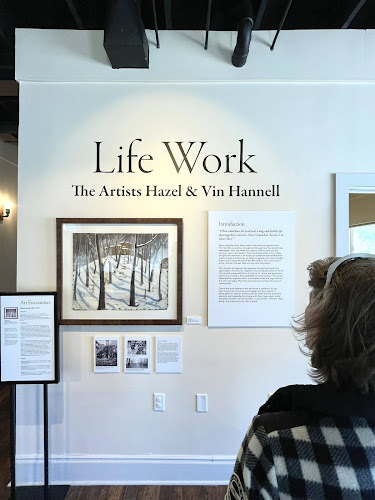
Visitors who like to plan appreciate that onsite services and tours are offered. Guided tours, when available, add layers to the exhibits by connecting small objects to broader trends in Porter County and Indiana history. When a docent points out a seemingly unremarkable tool and explains the story behind it, the whole county suddenly feels more connected. The museum staff also curates art shows—local artists get a stage alongside historical displays, which is an effective way to show how past aesthetics continue to influence contemporary creative practices in the region.
One of the lesser-known strengths is how the museum bridges local history with regional attractions. Travelers who show up after a morning at the Indiana Dunes or en route from Chicago discover that the museum offers context: why certain neighborhoods developed, how railroads shaped the economy, how migration influenced the cultural fabric. The museum doesn’t pretend to be the only authority on regional history, but it often fills gaps left by broader institutions. A casual visitor might come for an exhibit on agricultural life and walk away with a better sense of how Porter County’s landscape was shaped by both natural forces and human hands.
There’s an unmistakable community vibe that comes through. Longtime volunteers and a steady group of donors keep institutional knowledge alive; they are often the ones who provide the oral histories that animate exhibits. A volunteer might point to a faded ledger and say, candidly, that her great-grandfather ran a store that supplied the town during hard years. Those personal touches turn the museum from a repository into a living place. It’s the kind of institution where the receptionist might hand over a map highlighting storefronts from decades ago and then casually recommend a nearby bakery for a coffee break. That human dimension matters, especially when travel can feel anonymous.
Of course, no place is perfect, and the museum has its limitations. Space constraints mean that not every item can be on display at once, so regular visitors will see rotating exhibits rather than a static, encyclopedic collection. And while many programs are free or low-cost, special events occasionally require reservations or fees, which can be inconvenient for last-minute travelers. But these are modest trade-offs when weighed against the depth of local knowledge the museum preserves.
For travelers who care about accessibility, the Porter County Museum delivers. Wheelchair-accessible parking and entrances are specifically noted, and the layout generally supports smooth movement through galleries and the theater. Restroom facilities include accessible stalls and gender-neutral options—small but meaningful details for families, couples, and solo travelers who value inclusivity. The museum’s emphasis on tours and educational programming also makes it a useful stop on a day trip: a one-hour guided tour can fit neatly into an itinerary without devouring the whole afternoon.
Beyond exhibits and archives, the museum occasionally hosts special events that reveal local culture in a compact, social format. Film nights, lecture series, themed family days, and art receptions often coincide with weekend schedules, offering travelers a chance to mingle with residents and learn in a relaxed setting. These events also highlight the institution’s dual mission of preserving history while fostering community engagement. For someone traveling through Valparaiso, attending a public talk or an exhibition opening can turn a simple museum visit into a memorable social experience.
Practicalities are thoughtfully handled. Free parking options—both a lot and street parking—make it easy for travelers to pull in without hunting for a meter. The museum’s theater adds versatility; it’s used for everything from historical documentaries to community meetings, so timing can be a key factor to maximize what a visitor takes away. Tours and onsite services are available, but because schedules shift with seasons and staffing, advance inquiries are recommended for those on tight schedules.
The Porter County Museum is also quietly proud of its educational reach. Programs are tailored to local schools, and the museum collaborates with historical societies and regional partners. That means exhibits are often built with input from multiple voices: historians, educators, artists, and residents. The result? Displays that are historically informed, community approved, and surprisingly readable. That may sound odd—readable—because some museums lean heavy on labels and legalese. Here, curators aim to make interpretation accessible without dumbing down complexity.
Finally, the aesthetic of the museum will appeal to travelers who like authenticity over slickness. It doesn’t try to wow with high-tech gimmicks. Instead, it trusts the material: old photographs, oral histories, tools, art pieces, and local ephemera. The experience is contemplative rather than sensational. For many visitors, that’s a relief. They leave feeling like they actually learned where the place came from, not just what it looks like in a tourist brochure.
In short, the Porter County Museum in Valparaiso is a small but thoughtful institution that rewards curiosity. It is committed to telling the layered stories of Porter County and does so with a mix of archival rigor, community voice, and practical amenities. For travelers interested in local history, regional art, or simply a better sense of how this corner of Indiana came to be, the museum is a meaningful stop. Expect warm, human-scale interpretation, accessible facilities, and programming that ties the past to life today. And if a visitor happens to catch a docent-led tour, they might leave with a piece of story they won’t find anywhere else.
Key Features
More Details
Updated August 29, 2025
Table of Contents
Description
The Porter County Museum in Valparaiso presents a lively, thoughtful conversation between past and present. It engages Porter County’s rich past with its evolving present to educate, enrich, and inspire the surrounding communities. More than a static gallery of relics, the museum operates as a community memory bank: artifacts, photographs, oral histories, and local art come together to tell the stories of farms and factories, immigrant families and civic milestones, the shoreline and the small towns that shaped northwest Indiana.
Located in downtown Valparaiso, the museum is intentionally approachable. Visitors find exhibits that range from carefully conserved household items and agricultural tools to rotating displays of local art and thematic exhibits about industrial life, transportation, and community events. A theater space provides context and atmosphere for lectures, film screenings, and educational programs—useful for school groups, history buffs, and casual travelers alike. And the museum’s staff and volunteers take pride in translating archival material into engaging interpretive displays; plain facts become narratives that people can actually relate to.
The Porter County Museum is a hub for local history researchers as well. Its collection policies favor items that illuminate everyday life as well as notable events, making the museum a practical resource for genealogists, writers, and educators. Collections include newspapers, city directories, family papers, photographs, and artifacts that span the nineteenth century into the modern era. For someone trying to piece together family history or trace the development of an industry in Porter County, these archives are quietly invaluable. It’s the kind of place where a single old photograph can answer a dozen questions about who lived where, what they made, and how they spent their Sundays.
Accessibility and family-friendly programming are real strengths. The museum lists wheelchair-accessible entrances and restrooms, gender-neutral facilities, and a parking setup that accommodates both cars and buses. Kids are encouraged to get involved: hands-on, kid-friendly activities and changing tables are available, and exhibits often include touchable components or guided discovery prompts geared toward younger minds. Excursions for school groups are regular, and the museum’s approach to education emphasizes interactive learning over rote memorization.
Visitors who like to plan appreciate that onsite services and tours are offered. Guided tours, when available, add layers to the exhibits by connecting small objects to broader trends in Porter County and Indiana history. When a docent points out a seemingly unremarkable tool and explains the story behind it, the whole county suddenly feels more connected. The museum staff also curates art shows—local artists get a stage alongside historical displays, which is an effective way to show how past aesthetics continue to influence contemporary creative practices in the region.
One of the lesser-known strengths is how the museum bridges local history with regional attractions. Travelers who show up after a morning at the Indiana Dunes or en route from Chicago discover that the museum offers context: why certain neighborhoods developed, how railroads shaped the economy, how migration influenced the cultural fabric. The museum doesn’t pretend to be the only authority on regional history, but it often fills gaps left by broader institutions. A casual visitor might come for an exhibit on agricultural life and walk away with a better sense of how Porter County’s landscape was shaped by both natural forces and human hands.
There’s an unmistakable community vibe that comes through. Longtime volunteers and a steady group of donors keep institutional knowledge alive; they are often the ones who provide the oral histories that animate exhibits. A volunteer might point to a faded ledger and say, candidly, that her great-grandfather ran a store that supplied the town during hard years. Those personal touches turn the museum from a repository into a living place. It’s the kind of institution where the receptionist might hand over a map highlighting storefronts from decades ago and then casually recommend a nearby bakery for a coffee break. That human dimension matters, especially when travel can feel anonymous.
Of course, no place is perfect, and the museum has its limitations. Space constraints mean that not every item can be on display at once, so regular visitors will see rotating exhibits rather than a static, encyclopedic collection. And while many programs are free or low-cost, special events occasionally require reservations or fees, which can be inconvenient for last-minute travelers. But these are modest trade-offs when weighed against the depth of local knowledge the museum preserves.
For travelers who care about accessibility, the Porter County Museum delivers. Wheelchair-accessible parking and entrances are specifically noted, and the layout generally supports smooth movement through galleries and the theater. Restroom facilities include accessible stalls and gender-neutral options—small but meaningful details for families, couples, and solo travelers who value inclusivity. The museum’s emphasis on tours and educational programming also makes it a useful stop on a day trip: a one-hour guided tour can fit neatly into an itinerary without devouring the whole afternoon.
Beyond exhibits and archives, the museum occasionally hosts special events that reveal local culture in a compact, social format. Film nights, lecture series, themed family days, and art receptions often coincide with weekend schedules, offering travelers a chance to mingle with residents and learn in a relaxed setting. These events also highlight the institution’s dual mission of preserving history while fostering community engagement. For someone traveling through Valparaiso, attending a public talk or an exhibition opening can turn a simple museum visit into a memorable social experience.
Practicalities are thoughtfully handled. Free parking options—both a lot and street parking—make it easy for travelers to pull in without hunting for a meter. The museum’s theater adds versatility; it’s used for everything from historical documentaries to community meetings, so timing can be a key factor to maximize what a visitor takes away. Tours and onsite services are available, but because schedules shift with seasons and staffing, advance inquiries are recommended for those on tight schedules.
The Porter County Museum is also quietly proud of its educational reach. Programs are tailored to local schools, and the museum collaborates with historical societies and regional partners. That means exhibits are often built with input from multiple voices: historians, educators, artists, and residents. The result? Displays that are historically informed, community approved, and surprisingly readable. That may sound odd—readable—because some museums lean heavy on labels and legalese. Here, curators aim to make interpretation accessible without dumbing down complexity.
Finally, the aesthetic of the museum will appeal to travelers who like authenticity over slickness. It doesn’t try to wow with high-tech gimmicks. Instead, it trusts the material: old photographs, oral histories, tools, art pieces, and local ephemera. The experience is contemplative rather than sensational. For many visitors, that’s a relief. They leave feeling like they actually learned where the place came from, not just what it looks like in a tourist brochure.
In short, the Porter County Museum in Valparaiso is a small but thoughtful institution that rewards curiosity. It is committed to telling the layered stories of Porter County and does so with a mix of archival rigor, community voice, and practical amenities. For travelers interested in local history, regional art, or simply a better sense of how this corner of Indiana came to be, the museum is a meaningful stop. Expect warm, human-scale interpretation, accessible facilities, and programming that ties the past to life today. And if a visitor happens to catch a docent-led tour, they might leave with a piece of story they won’t find anywhere else.
Key Highlights
Porter County Museum
Location
Places to Stay Near Porter County Museum
Find and Book a Tour
Explore More Travel Guides
No reviews found! Be the first to review!
Traveler Reviews for Porter County Museum
There are no reviews yet. Be the first one to write one.
Have you visited Porter County Museum? Help other travelers by sharing your review.
You Might Also Like

Museo a Cielo Abierto

Valparaíso
Arco Británico
Find Accommodations Nearby
Recommended Tours & Activities
Visitor Reviews
There are no reviews yet. Be the first one to write one.
Share Your Experience
Have you visited Porter County Museum? Help other travelers by leaving a review.