

Pokhara
About Pokhara
Description
Pokhara sits beside Phewa Lake in central Nepal, and it behaves like a pause button for travelers who have been moving too fast. The city has a calm, almost deliberate rhythm, broken only by paragliders drifting overhead and the occasional boat oar dipping into the lake. It is known widely as the gateway to the Annapurna Circuit, but reducing Pokhara to a trekking stop would miss the point. This is a place where people come to breathe out, think a little, and then maybe think again.
The lake defines daily life here. Early mornings belong to fishermen and joggers, while afternoons see paddleboats gliding past reflections of the Annapurna range. On clear days, Machapuchare, the sacred fishtail peak, feels close enough to touch, though it never is. That illusion alone keeps people staring longer than they planned. And yes, sometimes the clouds roll in and hide everything. That’s Pokhara too. The city doesn’t perform on demand.
The Lakeside area on the eastern shore has grown into a hub of cafes, yoga studios, bookshops, and gear stores. It’s relaxed but not sleepy. Travelers linger here longer than expected, often extending stays by “just two more nights,” which somehow become a week. South of the lake, the International Mountain Museum quietly tells the story of Himalayan mountaineering and the cultures shaped by altitude, cold, and patience. It’s one of those museums people don’t rush through, even if they thought they would.
There are flaws, and it’s fair to say that. Traffic can feel chaotic, and development has been uneven. But the overall mood remains generous and unhurried. Pokhara doesn’t try to impress you. It just goes about its day, and if you’re paying attention, that’s when it works its magic.
Key Features
- Phewa Lake with boating, sunrise reflections, and quiet shoreline walks
- Tal Barahi Temple, a two-story pagoda set on a small island in the lake
- Lakeside district with yoga centers, international restaurants, and travel cafés
- Gateway access to the Annapurna Circuit and other Himalayan trekking routes
- International Mountain Museum showcasing mountaineering history and Himalayan cultures
- Paragliding launch points offering aerial views of the valley and mountains
- Day hikes and viewpoints like World Peace Pagoda overlooking the lake and city
Best Time to Visit
The best time to visit Pokhara is generally from late September to November and again from February to April. During these months, the skies behave themselves more often than not, and the mountain views are sharp and dramatic. Autumn, especially October, is when trekkers flood in, and the energy feels purposeful. Spring brings warmer days, blooming rhododendrons in nearby hills, and a slightly softer pace.
Winter is quieter. Mornings can be cold, and the mountains sometimes hide behind haze, but the city feels more personal then. Cafes are easier to claim, and the lake belongs to those willing to wake early. Summer and monsoon season, from June to August, divides opinion. Rain arrives hard and fast, and clouds dominate the skyline. But here’s the thing people don’t always say out loud: Pokhara during monsoon is lush, green, and oddly romantic. Fewer crowds, dramatic skies, and discounted hotels can make it worthwhile if you’re not here solely for mountain views.
And yes, weather changes its mind quickly. Anyone telling you otherwise hasn’t waited out a Pokhara afternoon shower with a cup of overly sweet milk tea.
How to Get There
Most travelers reach Pokhara from Kathmandu, either by road or by air. The drive takes around six to eight hours depending on traffic, road conditions, and how often the bus stops for snacks. Tourist buses are comfortable enough, and the route follows rivers and hills that make the journey part of the experience, even when it gets bumpy. Private cars offer flexibility but not necessarily speed.
Flying is the quicker option, with short domestic flights that offer, on clear days, unreal views of the Himalayas. Seats on the left side of the plane are often the ones people quietly hope for. Flights can be delayed due to weather, though, and locals accept this with a shrug. Time works differently here.
Once in Pokhara, getting around is easy. Taxis are common, motorbikes can be rented, and many areas around Lakeside are walkable. Walking, honestly, is how the city reveals itself best. You notice small shrines, roadside fruit sellers, and kids practicing English with cheerful confidence.
Tips for Visiting
Travelers planning a visit to Pokhara will do well to slow down. This isn’t a checklist destination. Staying an extra day without plans can be more rewarding than rushing through landmarks. Early mornings are gold. The lake at sunrise feels like a private showing, and the mountains, when visible, look almost unreal.
Dress in layers. Evenings cool off quickly, and weather shifts without warning. Comfortable shoes matter, especially if day hikes or long lakeside walks are on the agenda. And yes, sunscreen is essential, even when clouds pretend otherwise.
Food in Pokhara ranges from local Nepali dishes to surprisingly good international options. Trying dal bhat at least once is almost a rule, but smaller family-run eateries often deliver the most memorable meals. Prices are generally reasonable, though menus in tourist-heavy areas can creep upward.
Respect local customs, especially around temples and religious sites. Modest clothing and a bit of patience go a long way. Pokhara feels relaxed, but it is still deeply rooted in tradition.
Lastly, keep expectations flexible. Sometimes the mountains won’t show. Sometimes plans change. But that unpredictability is part of why people remember Pokhara long after they leave. It’s not just a place you visit; it’s a place that quietly teaches you how to pause. And for many travelers, that lesson ends up being the most valuable souvenir they take home.
Key Features
- Phewa Lake with boating, sunrise reflections, and quiet shoreline walks
- Tal Barahi Temple, a two-story pagoda set on a small island in the lake
- Lakeside district with yoga centers, international restaurants, and travel cafés
- Gateway access to the Annapurna Circuit and other Himalayan trekking routes
- International Mountain Museum showcasing mountaineering history and Himalayan cultures
- Paragliding launch points offering aerial views of the valley and mountains
- Day hikes and viewpoints like World Peace Pagoda overlooking the lake and city
More Details
Updated December 30, 2025
Table of Contents
Description
Pokhara sits beside Phewa Lake in central Nepal, and it behaves like a pause button for travelers who have been moving too fast. The city has a calm, almost deliberate rhythm, broken only by paragliders drifting overhead and the occasional boat oar dipping into the lake. It is known widely as the gateway to the Annapurna Circuit, but reducing Pokhara to a trekking stop would miss the point. This is a place where people come to breathe out, think a little, and then maybe think again.
The lake defines daily life here. Early mornings belong to fishermen and joggers, while afternoons see paddleboats gliding past reflections of the Annapurna range. On clear days, Machapuchare, the sacred fishtail peak, feels close enough to touch, though it never is. That illusion alone keeps people staring longer than they planned. And yes, sometimes the clouds roll in and hide everything. That’s Pokhara too. The city doesn’t perform on demand.
The Lakeside area on the eastern shore has grown into a hub of cafes, yoga studios, bookshops, and gear stores. It’s relaxed but not sleepy. Travelers linger here longer than expected, often extending stays by “just two more nights,” which somehow become a week. South of the lake, the International Mountain Museum quietly tells the story of Himalayan mountaineering and the cultures shaped by altitude, cold, and patience. It’s one of those museums people don’t rush through, even if they thought they would.
There are flaws, and it’s fair to say that. Traffic can feel chaotic, and development has been uneven. But the overall mood remains generous and unhurried. Pokhara doesn’t try to impress you. It just goes about its day, and if you’re paying attention, that’s when it works its magic.
Key Features
- Phewa Lake with boating, sunrise reflections, and quiet shoreline walks
- Tal Barahi Temple, a two-story pagoda set on a small island in the lake
- Lakeside district with yoga centers, international restaurants, and travel cafés
- Gateway access to the Annapurna Circuit and other Himalayan trekking routes
- International Mountain Museum showcasing mountaineering history and Himalayan cultures
- Paragliding launch points offering aerial views of the valley and mountains
- Day hikes and viewpoints like World Peace Pagoda overlooking the lake and city
Best Time to Visit
The best time to visit Pokhara is generally from late September to November and again from February to April. During these months, the skies behave themselves more often than not, and the mountain views are sharp and dramatic. Autumn, especially October, is when trekkers flood in, and the energy feels purposeful. Spring brings warmer days, blooming rhododendrons in nearby hills, and a slightly softer pace.
Winter is quieter. Mornings can be cold, and the mountains sometimes hide behind haze, but the city feels more personal then. Cafes are easier to claim, and the lake belongs to those willing to wake early. Summer and monsoon season, from June to August, divides opinion. Rain arrives hard and fast, and clouds dominate the skyline. But here’s the thing people don’t always say out loud: Pokhara during monsoon is lush, green, and oddly romantic. Fewer crowds, dramatic skies, and discounted hotels can make it worthwhile if you’re not here solely for mountain views.
And yes, weather changes its mind quickly. Anyone telling you otherwise hasn’t waited out a Pokhara afternoon shower with a cup of overly sweet milk tea.
How to Get There
Most travelers reach Pokhara from Kathmandu, either by road or by air. The drive takes around six to eight hours depending on traffic, road conditions, and how often the bus stops for snacks. Tourist buses are comfortable enough, and the route follows rivers and hills that make the journey part of the experience, even when it gets bumpy. Private cars offer flexibility but not necessarily speed.
Flying is the quicker option, with short domestic flights that offer, on clear days, unreal views of the Himalayas. Seats on the left side of the plane are often the ones people quietly hope for. Flights can be delayed due to weather, though, and locals accept this with a shrug. Time works differently here.
Once in Pokhara, getting around is easy. Taxis are common, motorbikes can be rented, and many areas around Lakeside are walkable. Walking, honestly, is how the city reveals itself best. You notice small shrines, roadside fruit sellers, and kids practicing English with cheerful confidence.
Tips for Visiting
Travelers planning a visit to Pokhara will do well to slow down. This isn’t a checklist destination. Staying an extra day without plans can be more rewarding than rushing through landmarks. Early mornings are gold. The lake at sunrise feels like a private showing, and the mountains, when visible, look almost unreal.
Dress in layers. Evenings cool off quickly, and weather shifts without warning. Comfortable shoes matter, especially if day hikes or long lakeside walks are on the agenda. And yes, sunscreen is essential, even when clouds pretend otherwise.
Food in Pokhara ranges from local Nepali dishes to surprisingly good international options. Trying dal bhat at least once is almost a rule, but smaller family-run eateries often deliver the most memorable meals. Prices are generally reasonable, though menus in tourist-heavy areas can creep upward.
Respect local customs, especially around temples and religious sites. Modest clothing and a bit of patience go a long way. Pokhara feels relaxed, but it is still deeply rooted in tradition.
Lastly, keep expectations flexible. Sometimes the mountains won’t show. Sometimes plans change. But that unpredictability is part of why people remember Pokhara long after they leave. It’s not just a place you visit; it’s a place that quietly teaches you how to pause. And for many travelers, that lesson ends up being the most valuable souvenir they take home.
Key Highlights
- Phewa Lake with boating, sunrise reflections, and quiet shoreline walks
- Tal Barahi Temple, a two-story pagoda set on a small island in the lake
- Lakeside district with yoga centers, international restaurants, and travel cafés
- Gateway access to the Annapurna Circuit and other Himalayan trekking routes
- International Mountain Museum showcasing mountaineering history and Himalayan cultures
- Paragliding launch points offering aerial views of the valley and mountains
- Day hikes and viewpoints like World Peace Pagoda overlooking the lake and city
Location
Places to Stay Near Pokhara
Find and Book a Tour
Explore More Travel Guides
No reviews found! Be the first to review!
Traveler Reviews for Pokhara
There are no reviews yet. Be the first one to write one.
Have you visited Pokhara? Help other travelers by sharing your review.
You Might Also Like

Gyarjati View Point

Mahendra Cave
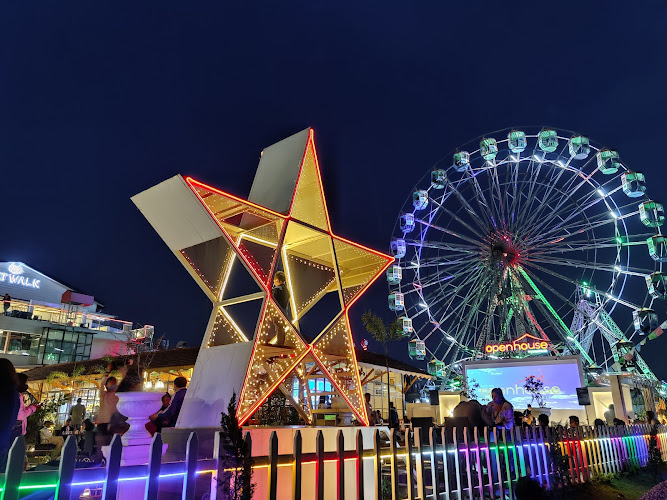
GauriGhat, South Pokhara-6,Lakeside
Find Accommodations Nearby
Recommended Tours & Activities
Visitor Reviews
There are no reviews yet. Be the first one to write one.
Share Your Experience
Have you visited Pokhara? Help other travelers by leaving a review.