
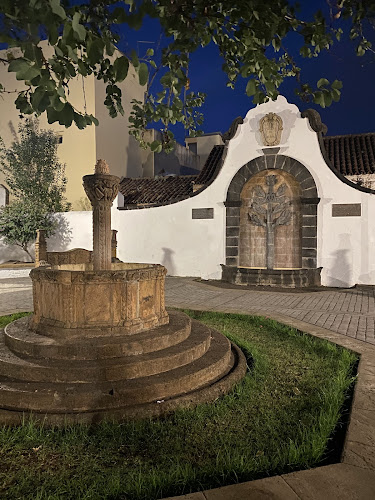
Plaza Teresa de Bolívar
About Plaza Teresa de Bolívar
Description
Plaza Teresa de Bolívar is one of those places that doesn’t scream for attention but slowly earns it. Travelers often pass through thinking it’s just another town square, and then, ten minutes later, they’re still there, sitting on a bench, watching life happen. The plaza works as a public park and a tourist attraction, but really, it’s more like a shared living room for the neighborhood. Kids zigzag across the open space, dogs nap in the shade, and older locals sit with that relaxed posture that tells you they’ve been coming here for decades.
The name itself hints at history. Teresa de Bolívar, wife of Simón Bolívar, doesn’t get nearly as much spotlight as her famous husband, and this plaza feels like a quiet nod to that overlooked story. There’s something fitting about that. It’s not grand or intimidating. It’s approachable. And that, honestly, makes it more enjoyable for travelers who want to feel grounded rather than rushed from one photo stop to the next.
From personal experience, this is the kind of place where plans dissolve. I once meant to stop by for a quick walk and ended up staying almost an hour, mostly because a street musician started playing an old folk tune I half-recognized from my childhood. And yes, I missed my next stop, but I didn’t regret it. Plaza Teresa de Bolívar rewards patience. If you give it time, it gives you back a sense of place.
The atmosphere is generally calm, though not sleepy. There’s enough movement to keep it interesting, but not so much that you feel overwhelmed. It’s well-suited for travelers who appreciate people-watching, casual strolling, or just sitting with a coffee and letting their thoughts wander. Accessibility is a strong point here, too. Wheelchair users can enter without hassle, and families with strollers won’t be cursing uneven paths every five seconds. That matters more than people realize.
It’s also a park that welcomes everyday life. Dogs are allowed, kids are encouraged, and nobody looks at you strangely if you show up with snacks and stay a while. The plaza feels lived-in, not polished for tourists. And that balance, between visitor-friendly and genuinely local, is what makes it stand out.
Key Features
- Open public square with shaded seating areas ideal for resting between sightseeing stops
- Accessible pathways suitable for wheelchairs and strollers
- Pet-friendly environment where locals often walk their dogs
- Space for children to play safely without heavy traffic nearby
- Historical significance tied to Teresa de Bolívar and the wider Bolívar legacy
- Frequent informal performances by musicians or local artists
- Natural meeting point for community gatherings and casual conversations
Best Time to Visit
Timing matters here, but not in the strict, museum-opening-hours kind of way. Early mornings are quiet and reflective. If you like the sound of sweeping brooms, distant chatter, and the plaza slowly waking up, aim for before 9 a.m. The light at that hour is soft, and it’s perfect for photos that feel natural rather than staged.
Late afternoons are my personal favorite. Around 4 to 6 p.m., the plaza comes alive without feeling crowded. Kids finish school, locals stop by after work, and the heat (depending on the season) usually eases off. There’s a sense of shared relief in the air, like everyone collectively exhaling. And you, as a traveler, get to be part of that rhythm instead of watching from the outside.
Evenings can be pleasant, too, especially if there’s a bit of activity or music going on. But if you’re sensitive to noise or prefer quieter spaces, you might want to stick to daylight hours. Weekends naturally draw more people, which can be fun if you enjoy energy and interaction. On weekdays, it leans more introspective.
Seasonally, dry months tend to be more comfortable for lingering outdoors. Rainy periods don’t ruin the experience, but they do shorten how long people stick around. That said, there’s something oddly charming about the plaza after a light rain, with the ground cooling and conversations softening.
How to Get There
Getting to Plaza Teresa de Bolívar is generally straightforward, which is part of its appeal. It’s located within an area that’s easy to reach by local transportation, whether you’re using buses, taxis, or ride-hailing apps. Drivers usually recognize the name, or at least the general area, so you won’t need to practice complicated directions in advance. That’s always a relief when you’re traveling, right?
If you’re staying nearby, walking is often the best option. Approaching on foot lets you see how the surrounding streets gradually open into the plaza, which gives you a better sense of how it fits into daily life. I always think you understand a place more when you arrive at human speed instead of jumping out of a car.
Public transportation users should aim for stops close to the central area, then walk the last few minutes. The paths leading to the plaza are generally manageable, and signage in the area helps. For travelers with mobility concerns, the accessibility of the plaza itself is reassuring, and the surrounding sidewalks are usually in decent condition.
And if you’re the kind of traveler who likes to wander without a strict plan, the plaza often reveals itself naturally. You’ll notice a change in atmosphere, more open space, more people lingering. Follow that feeling. It usually leads you right there.
Tips for Visiting
First tip, and this comes from someone who learned the hard way: don’t rush it. Plaza Teresa de Bolívar isn’t designed for a five-minute visit. Bring a bit of flexibility into your schedule. Even thirty unplanned minutes can change how you feel about the place.
Second, observe before acting. Sit down, watch how locals use the space, and then join in naturally. If people are chatting quietly, keep your voice low. If kids are running around and laughing, relax and enjoy the energy. Matching the tone of the plaza goes a long way toward feeling welcome.
Traveling with kids? Let them burn off energy here. It’s safer than many busy streets, and you’ll appreciate the chance to rest. Got a dog with you? Keep it leashed and hydrated, especially during warmer hours. Locals are generally friendly toward pets, but basic courtesy always helps.
Bring water and maybe a small snack, but don’t overpack. This isn’t a picnic-heavy park. It’s more about light comfort. A hat or sunscreen is useful during midday, and a light jacket might come in handy if you stay into the evening.
Photography lovers should focus less on wide shots and more on details. The way people interact, the textures of the space, the expressions during conversations. Those photos tell a better story than another empty square shot. Trust me on that one.
Lastly, manage expectations. Not everyone falls in love with this plaza instantly, and that’s okay. It has a modest charm, not a dramatic one. But for many travelers, especially those who value authenticity and everyday culture, Plaza Teresa de Bolívar ends up being one of those places they remember long after the trip ends. And honestly, that’s saying a lot.
Key Features
- Open public square with shaded seating areas ideal for resting between sightseeing stops
- Accessible pathways suitable for wheelchairs and strollers
- Pet-friendly environment where locals often walk their dogs
- Space for children to play safely without heavy traffic nearby
- Historical significance tied to Teresa de Bolívar and the wider Bolívar legacy
- Frequent informal performances by musicians or local artists
- Natural meeting point for community gatherings and casual conversations
More Details
Updated December 31, 2025
Table of Contents
Description
Plaza Teresa de Bolívar is one of those places that doesn’t scream for attention but slowly earns it. Travelers often pass through thinking it’s just another town square, and then, ten minutes later, they’re still there, sitting on a bench, watching life happen. The plaza works as a public park and a tourist attraction, but really, it’s more like a shared living room for the neighborhood. Kids zigzag across the open space, dogs nap in the shade, and older locals sit with that relaxed posture that tells you they’ve been coming here for decades.
The name itself hints at history. Teresa de Bolívar, wife of Simón Bolívar, doesn’t get nearly as much spotlight as her famous husband, and this plaza feels like a quiet nod to that overlooked story. There’s something fitting about that. It’s not grand or intimidating. It’s approachable. And that, honestly, makes it more enjoyable for travelers who want to feel grounded rather than rushed from one photo stop to the next.
From personal experience, this is the kind of place where plans dissolve. I once meant to stop by for a quick walk and ended up staying almost an hour, mostly because a street musician started playing an old folk tune I half-recognized from my childhood. And yes, I missed my next stop, but I didn’t regret it. Plaza Teresa de Bolívar rewards patience. If you give it time, it gives you back a sense of place.
The atmosphere is generally calm, though not sleepy. There’s enough movement to keep it interesting, but not so much that you feel overwhelmed. It’s well-suited for travelers who appreciate people-watching, casual strolling, or just sitting with a coffee and letting their thoughts wander. Accessibility is a strong point here, too. Wheelchair users can enter without hassle, and families with strollers won’t be cursing uneven paths every five seconds. That matters more than people realize.
It’s also a park that welcomes everyday life. Dogs are allowed, kids are encouraged, and nobody looks at you strangely if you show up with snacks and stay a while. The plaza feels lived-in, not polished for tourists. And that balance, between visitor-friendly and genuinely local, is what makes it stand out.
Key Features
- Open public square with shaded seating areas ideal for resting between sightseeing stops
- Accessible pathways suitable for wheelchairs and strollers
- Pet-friendly environment where locals often walk their dogs
- Space for children to play safely without heavy traffic nearby
- Historical significance tied to Teresa de Bolívar and the wider Bolívar legacy
- Frequent informal performances by musicians or local artists
- Natural meeting point for community gatherings and casual conversations
Best Time to Visit
Timing matters here, but not in the strict, museum-opening-hours kind of way. Early mornings are quiet and reflective. If you like the sound of sweeping brooms, distant chatter, and the plaza slowly waking up, aim for before 9 a.m. The light at that hour is soft, and it’s perfect for photos that feel natural rather than staged.
Late afternoons are my personal favorite. Around 4 to 6 p.m., the plaza comes alive without feeling crowded. Kids finish school, locals stop by after work, and the heat (depending on the season) usually eases off. There’s a sense of shared relief in the air, like everyone collectively exhaling. And you, as a traveler, get to be part of that rhythm instead of watching from the outside.
Evenings can be pleasant, too, especially if there’s a bit of activity or music going on. But if you’re sensitive to noise or prefer quieter spaces, you might want to stick to daylight hours. Weekends naturally draw more people, which can be fun if you enjoy energy and interaction. On weekdays, it leans more introspective.
Seasonally, dry months tend to be more comfortable for lingering outdoors. Rainy periods don’t ruin the experience, but they do shorten how long people stick around. That said, there’s something oddly charming about the plaza after a light rain, with the ground cooling and conversations softening.
How to Get There
Getting to Plaza Teresa de Bolívar is generally straightforward, which is part of its appeal. It’s located within an area that’s easy to reach by local transportation, whether you’re using buses, taxis, or ride-hailing apps. Drivers usually recognize the name, or at least the general area, so you won’t need to practice complicated directions in advance. That’s always a relief when you’re traveling, right?
If you’re staying nearby, walking is often the best option. Approaching on foot lets you see how the surrounding streets gradually open into the plaza, which gives you a better sense of how it fits into daily life. I always think you understand a place more when you arrive at human speed instead of jumping out of a car.
Public transportation users should aim for stops close to the central area, then walk the last few minutes. The paths leading to the plaza are generally manageable, and signage in the area helps. For travelers with mobility concerns, the accessibility of the plaza itself is reassuring, and the surrounding sidewalks are usually in decent condition.
And if you’re the kind of traveler who likes to wander without a strict plan, the plaza often reveals itself naturally. You’ll notice a change in atmosphere, more open space, more people lingering. Follow that feeling. It usually leads you right there.
Tips for Visiting
First tip, and this comes from someone who learned the hard way: don’t rush it. Plaza Teresa de Bolívar isn’t designed for a five-minute visit. Bring a bit of flexibility into your schedule. Even thirty unplanned minutes can change how you feel about the place.
Second, observe before acting. Sit down, watch how locals use the space, and then join in naturally. If people are chatting quietly, keep your voice low. If kids are running around and laughing, relax and enjoy the energy. Matching the tone of the plaza goes a long way toward feeling welcome.
Traveling with kids? Let them burn off energy here. It’s safer than many busy streets, and you’ll appreciate the chance to rest. Got a dog with you? Keep it leashed and hydrated, especially during warmer hours. Locals are generally friendly toward pets, but basic courtesy always helps.
Bring water and maybe a small snack, but don’t overpack. This isn’t a picnic-heavy park. It’s more about light comfort. A hat or sunscreen is useful during midday, and a light jacket might come in handy if you stay into the evening.
Photography lovers should focus less on wide shots and more on details. The way people interact, the textures of the space, the expressions during conversations. Those photos tell a better story than another empty square shot. Trust me on that one.
Lastly, manage expectations. Not everyone falls in love with this plaza instantly, and that’s okay. It has a modest charm, not a dramatic one. But for many travelers, especially those who value authenticity and everyday culture, Plaza Teresa de Bolívar ends up being one of those places they remember long after the trip ends. And honestly, that’s saying a lot.
Key Highlights
- Open public square with shaded seating areas ideal for resting between sightseeing stops
- Accessible pathways suitable for wheelchairs and strollers
- Pet-friendly environment where locals often walk their dogs
- Space for children to play safely without heavy traffic nearby
- Historical significance tied to Teresa de Bolívar and the wider Bolívar legacy
- Frequent informal performances by musicians or local artists
- Natural meeting point for community gatherings and casual conversations
Location
Places to Stay Near Plaza Teresa de Bolívar
Find and Book a Tour
Explore More Travel Guides
No reviews found! Be the first to review!
Traveler Reviews for Plaza Teresa de Bolívar
There are no reviews yet. Be the first one to write one.
Have you visited Plaza Teresa de Bolívar? Help other travelers by sharing your review.
Find Accommodations Nearby
Recommended Tours & Activities
Visitor Reviews
There are no reviews yet. Be the first one to write one.
Share Your Experience
Have you visited Plaza Teresa de Bolívar? Help other travelers by leaving a review.