
Plage Mahdia
About Plage Mahdia
Description
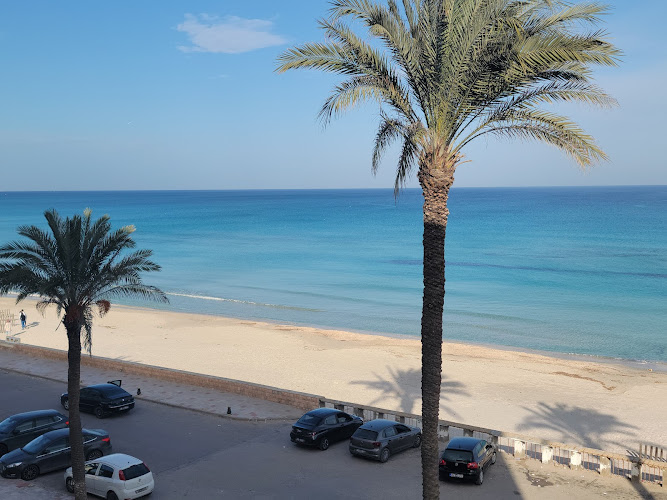
Okay, let's dive deep into Plage Mahdia—the shore where locals and wanderers both keep returning, and honestly, I totally get why. This isn’t your typical, over-the-top Mediterranean beach blitz; it’s much more mellow, unpretentious, and, dare I say, charming in the way some busy coastal hotspots just aren’t anymore. If you’re the kind of traveler who gets a bit giddy about endless stretches of sugar-white sand, gentle turquoise water, and a shoreline that lets you breathe (and move, without bumping elbows), you’re probably going to fall for this place. Not head-over-heels, maybe, but at least a solid swoon.
One reason I adore Mahdia’s main beach: it keeps it simple, yet there’s an undeniable warmth and authenticity here. The sea—calm and inviting for a long paddle, even for younger kids—sparkles under that burning North African sun, with fishing boats dotting the horizon. Local families spill over the sand with oversized umbrellas, laughter echoing around, and yes, vendors gently tempting you with fresh fruit, sweet street snacks, or the occasional seashell bracelet. Sometimes these little things are what stick with you long after you leave.
Of course, it’s not a perfectly manicured paradise. I’ve seen cracked shells and the odd bit of seaweed along the tide line, and honestly, the presence of plastics washes up now and then. For me, it’s a gentle reminder: beautiful places are delicate. Still, the authorities and locals genuinely try to keep things tidy, but beach cleanups aren’t 100%—so bring a reusable bag and do your part (if you’re like me and pick up litter wherever you go).
I’ve found Plage Mahdia is just plain easier than some of the endlessly crowded Mediterranean escapes. You actually have space to stretch out your towel, read a book, or—my personal favorite—simply do absolutely nothing but listen to the gentle slap of water on sand. Sure, you’ll hear a bit of lively chatter, sometimes a whistle from a beach soccer match, or the bartender at the nearby café declaring it’s time for mint tea, but the overwhelming vibe is slow, easygoing, and steeped in that gentle North African hospitality.
And, side note: the sunsets here have this wild sort of glow—fiery golds and pinks streaking the sky. Watching dusk fall at Mahdia is a downright poetic experience. If you like to keep moments sacred (and, let’s face it, grab those social-media-worthy shots), you’ll be hard-pressed to find a better place. Want genuine? Plage Mahdia’s got it.
Key Features
- Pristine white sand: That really fine, powdery feel underfoot. (No need for water shoes. Kick them off!)
- Shallow, calm waters: Gentle enough for kids, swimmers just learning, or grownups craving lazy floating.
- Local beach cafés: Try brik, mint tea, or fresh orange juice right on the sand—simple, authentic, and satisfying.
- Traditional fishing boats: Watch local fishermen haul in their evening catch – it's a slice of Mahdia's daily life.
- Space to relax: Even in peak season, there are usually roomy patches—big win for introverts or families who want a “quiet zone.”
- Stunning sunsets: The colors go wild here, especially during the warmest summer months. Bring your camera—or just your memory.
- Safety presence: Lifeguards are around, but you know the best part? Locals have your back, too.
- Easy wander to the medina: The historic center is only a short stroll, so you don’t need to pick between beach time and exploring—do both!
- Unique, relaxed vibe: Slightly under the radar compared to Sousse or Hammamet, which means fewer tourists and more genuine Tunisian flavor.
- Beach sports and activities: Football, volleyball, paddleboats, and occasionally camel rides—classic, fun, and not too “theme park.”
Best Time to Visit
A quick confession: I’m a shoulder-season devotee. There’s something magical about Plage Mahdia in late spring (May-June) or early fall (September-October). Sure, the sea starts out crisp, but by midday it’s warm as a bath. You get mild temperatures, soft breezes, and you dodge the biggest tourist crowds (which, honestly, for Mahdia means only a gentle trickle anyway).
If you visit in high summer (July-August), be ready for serious sun and lively beach scenes. It’s when local families flock here for their holidays, the cafés are bustling, and the air is positively electric with activity. Personally, if you like your beach day with a bit of buzz, this is your window. Just, you know, slap on the SPF 50 and hydrate generously—North African summers don’t mess around.
Truthfully, winter isn’t swim-friendly—unless you’re braver than I am—but the Mediterranean breezes and empty sands make it dreamy for long shell-hunting walks or a contemplative moment with a hot coffee. I even met a resident artist sketching the battered boats one January afternoon; he said Mahdia’s winter light is a dream for painters. Go figure.
How to Get There
Finding Mahdia is part of the adventure, but it’s definitely not a labyrinth. You’ve got some solid options, even if you’re coming from the capital:
- By Train: There’s a direct, reasonably comfortable train connecting Tunis, Sousse, and Mahdia. It’s a bit slow—think “enjoy the view, don’t rush”—but the ride is scenic, winding through olive groves and sleepy villages. I recommend grabbing the window seat.
- By Car: Renting a car gives you more freedom to roam the coastline before or after your beach day. Roads are generally decent, but slow down for those random goats crossing near the villages—they’re confident, and you should be cautious.
- By Louage (Shared Taxi): For the full local experience, jump in a louage. It’s affordable, anywhere from 5-20 TND depending on the starting city. Bonus: Instant conversation (and maybe a snack recommendation) with fellow passengers. You really do learn the best secrets this way.
- By Bus: There’s regular service from most bigger cities. Not the fastest, but wallet-friendly and a perfect way to people-watch (and catch a quick nap if you’re lucky).
Once you’re actually in Mahdia, everything’s walkable. The medina, main beach, and most hotels are all in cozy proximity. Honestly, leave the car behind for the day—you’ll do your best exploring on foot.
Tips for Visiting
Let me give you the inside scoop, from someone who’s spent a few long summer days and one regrettably sunburned afternoon here:
- Don’t underestimate the sun. Even if there’s a breeze, that Mediterranean glare is intense. Wide-brimmed hat, high SPF, and frequent dips in the sea are your best friends. Really. I once thought I could “just pop out for an hour.” Big mistake—my nose glowed for days.
- Try the beachside snacks. The fresh brik (crispy pastry with egg and tuna) is messy but totally worth it. You’ll spot locals grabbing theirs to go. Juice bars often squeeze oranges right there while you wait—so refreshing.
- Carry a cash stash. Some cafés and umbrella rentals don’t accept cards. It’s a low-stress, low-tech environment, and, honestly, it feels nice to escape the tap-and-go world for a day.
- If you’re sensitive to noise, pick a weekday and aim for the far ends of the beach. Weekends (especially in July and August) get happier and louder—think kids squealing, teens with portable speakers, and the hum of summer holidays in the air.
- Take a trash bag and help keep the beach beautiful. It’s not perfect—some days the sea delivers more than seashells, so a little citizen clean-up goes a long way.
- Feeling adventurous? Paddleboats and kayaks are often available to rent. Or, you know, try your hand at bargaining for a camel ride—just be clear about the price before you hop on.
- The medina is close enough to wander to after your swim. In fact, I recommend drying off, popping on comfortable shoes, and winding through the old city streets for spiced coffee or a peek at local artisan shops. It’s a heady contrast—sun-soaked beach one minute, shadowy labyrinth the next.
- Pack a light cover-up or scarf if you pop into town. The area isn’t super conservative, but you’ll feel more comfortable blending in as you wander into shops or grab a cab home.
- If you’re staying late, the beach transforms around sunset. Everything quiets
Key Features
- Carry a cash stash. Some cafés and umbrella rentals don’t accept cards. It’s a low-stress, low-tech environment, and, honestly, it feels nice to escape the tap-and-go world for a day.
- Take a trash bag and help keep the beach beautiful. It’s not perfect—some days the sea delivers more than seashells, so a little citizen clean-up goes a long way.
- Feeling adventurous? Paddleboats and kayaks are often available to rent. Or, you know, try your hand at bargaining for a camel ride—just be clear about the price before you hop on.
- Pack a light cover-up or scarf if you pop into town. The area isn’t super conservative, but you’ll feel more comfortable blending in as you wander into shops or grab a cab home.
More Details
Updated July 1, 2025
Table of Contents
Description
Okay, let’s dive deep into Plage Mahdia—the shore where locals and wanderers both keep returning, and honestly, I totally get why. This isn’t your typical, over-the-top Mediterranean beach blitz; it’s much more mellow, unpretentious, and, dare I say, charming in the way some busy coastal hotspots just aren’t anymore. If you’re the kind of traveler who gets a bit giddy about endless stretches of sugar-white sand, gentle turquoise water, and a shoreline that lets you breathe (and move, without bumping elbows), you’re probably going to fall for this place. Not head-over-heels, maybe, but at least a solid swoon.
One reason I adore Mahdia’s main beach: it keeps it simple, yet there’s an undeniable warmth and authenticity here. The sea—calm and inviting for a long paddle, even for younger kids—sparkles under that burning North African sun, with fishing boats dotting the horizon. Local families spill over the sand with oversized umbrellas, laughter echoing around, and yes, vendors gently tempting you with fresh fruit, sweet street snacks, or the occasional seashell bracelet. Sometimes these little things are what stick with you long after you leave.
Of course, it’s not a perfectly manicured paradise. I’ve seen cracked shells and the odd bit of seaweed along the tide line, and honestly, the presence of plastics washes up now and then. For me, it’s a gentle reminder: beautiful places are delicate. Still, the authorities and locals genuinely try to keep things tidy, but beach cleanups aren’t 100%—so bring a reusable bag and do your part (if you’re like me and pick up litter wherever you go).
I’ve found Plage Mahdia is just plain easier than some of the endlessly crowded Mediterranean escapes. You actually have space to stretch out your towel, read a book, or—my personal favorite—simply do absolutely nothing but listen to the gentle slap of water on sand. Sure, you’ll hear a bit of lively chatter, sometimes a whistle from a beach soccer match, or the bartender at the nearby café declaring it’s time for mint tea, but the overwhelming vibe is slow, easygoing, and steeped in that gentle North African hospitality.
And, side note: the sunsets here have this wild sort of glow—fiery golds and pinks streaking the sky. Watching dusk fall at Mahdia is a downright poetic experience. If you like to keep moments sacred (and, let’s face it, grab those social-media-worthy shots), you’ll be hard-pressed to find a better place. Want genuine? Plage Mahdia’s got it.
Key Features
- Pristine white sand: That really fine, powdery feel underfoot. (No need for water shoes. Kick them off!)
- Shallow, calm waters: Gentle enough for kids, swimmers just learning, or grownups craving lazy floating.
- Local beach cafés: Try brik, mint tea, or fresh orange juice right on the sand—simple, authentic, and satisfying.
- Traditional fishing boats: Watch local fishermen haul in their evening catch – it’s a slice of Mahdia’s daily life.
- Space to relax: Even in peak season, there are usually roomy patches—big win for introverts or families who want a “quiet zone.”
- Stunning sunsets: The colors go wild here, especially during the warmest summer months. Bring your camera—or just your memory.
- Safety presence: Lifeguards are around, but you know the best part? Locals have your back, too.
- Easy wander to the medina: The historic center is only a short stroll, so you don’t need to pick between beach time and exploring—do both!
- Unique, relaxed vibe: Slightly under the radar compared to Sousse or Hammamet, which means fewer tourists and more genuine Tunisian flavor.
- Beach sports and activities: Football, volleyball, paddleboats, and occasionally camel rides—classic, fun, and not too “theme park.”
Best Time to Visit
A quick confession: I’m a shoulder-season devotee. There’s something magical about Plage Mahdia in late spring (May-June) or early fall (September-October). Sure, the sea starts out crisp, but by midday it’s warm as a bath. You get mild temperatures, soft breezes, and you dodge the biggest tourist crowds (which, honestly, for Mahdia means only a gentle trickle anyway).
If you visit in high summer (July-August), be ready for serious sun and lively beach scenes. It’s when local families flock here for their holidays, the cafés are bustling, and the air is positively electric with activity. Personally, if you like your beach day with a bit of buzz, this is your window. Just, you know, slap on the SPF 50 and hydrate generously—North African summers don’t mess around.
Truthfully, winter isn’t swim-friendly—unless you’re braver than I am—but the Mediterranean breezes and empty sands make it dreamy for long shell-hunting walks or a contemplative moment with a hot coffee. I even met a resident artist sketching the battered boats one January afternoon; he said Mahdia’s winter light is a dream for painters. Go figure.
How to Get There
Finding Mahdia is part of the adventure, but it’s definitely not a labyrinth. You’ve got some solid options, even if you’re coming from the capital:
- By Train: There’s a direct, reasonably comfortable train connecting Tunis, Sousse, and Mahdia. It’s a bit slow—think “enjoy the view, don’t rush”—but the ride is scenic, winding through olive groves and sleepy villages. I recommend grabbing the window seat.
- By Car: Renting a car gives you more freedom to roam the coastline before or after your beach day. Roads are generally decent, but slow down for those random goats crossing near the villages—they’re confident, and you should be cautious.
- By Louage (Shared Taxi): For the full local experience, jump in a louage. It’s affordable, anywhere from 5-20 TND depending on the starting city. Bonus: Instant conversation (and maybe a snack recommendation) with fellow passengers. You really do learn the best secrets this way.
- By Bus: There’s regular service from most bigger cities. Not the fastest, but wallet-friendly and a perfect way to people-watch (and catch a quick nap if you’re lucky).
Once you’re actually in Mahdia, everything’s walkable. The medina, main beach, and most hotels are all in cozy proximity. Honestly, leave the car behind for the day—you’ll do your best exploring on foot.
Tips for Visiting
Let me give you the inside scoop, from someone who’s spent a few long summer days and one regrettably sunburned afternoon here:
- Don’t underestimate the sun. Even if there’s a breeze, that Mediterranean glare is intense. Wide-brimmed hat, high SPF, and frequent dips in the sea are your best friends. Really. I once thought I could “just pop out for an hour.” Big mistake—my nose glowed for days.
- Try the beachside snacks. The fresh brik (crispy pastry with egg and tuna) is messy but totally worth it. You’ll spot locals grabbing theirs to go. Juice bars often squeeze oranges right there while you wait—so refreshing.
- Carry a cash stash. Some cafés and umbrella rentals don’t accept cards. It’s a low-stress, low-tech environment, and, honestly, it feels nice to escape the tap-and-go world for a day.
- If you’re sensitive to noise, pick a weekday and aim for the far ends of the beach. Weekends (especially in July and August) get happier and louder—think kids squealing, teens with portable speakers, and the hum of summer holidays in the air.
- Take a trash bag and help keep the beach beautiful. It’s not perfect—some days the sea delivers more than seashells, so a little citizen clean-up goes a long way.
- Feeling adventurous? Paddleboats and kayaks are often available to rent. Or, you know, try your hand at bargaining for a camel ride—just be clear about the price before you hop on.
- The medina is close enough to wander to after your swim. In fact, I recommend drying off, popping on comfortable shoes, and winding through the old city streets for spiced coffee or a peek at local artisan shops. It’s a heady contrast—sun-soaked beach one minute, shadowy labyrinth the next.
- Pack a light cover-up or scarf if you pop into town. The area isn’t super conservative, but you’ll feel more comfortable blending in as you wander into shops or grab a cab home.
- If you’re staying late, the beach transforms around sunset. Everything quiets
Key Highlights
- Carry a cash stash. Some cafés and umbrella rentals don’t accept cards. It’s a low-stress, low-tech environment, and, honestly, it feels nice to escape the tap-and-go world for a day.
- Take a trash bag and help keep the beach beautiful. It’s not perfect—some days the sea delivers more than seashells, so a little citizen clean-up goes a long way.
- Feeling adventurous? Paddleboats and kayaks are often available to rent. Or, you know, try your hand at bargaining for a camel ride—just be clear about the price before you hop on.
- Pack a light cover-up or scarf if you pop into town. The area isn’t super conservative, but you’ll feel more comfortable blending in as you wander into shops or grab a cab home.
Location
Places to Stay Near Plage Mahdia
Find and Book a Tour
Explore More Travel Guides
No reviews found! Be the first to review!
Traveler Reviews for Plage Mahdia
There are no reviews yet. Be the first one to write one.
Have you visited Plage Mahdia? Help other travelers by sharing your review.
You Might Also Like

Cap Africa Mahdia

Mosquée Hadj MUSTAPHA
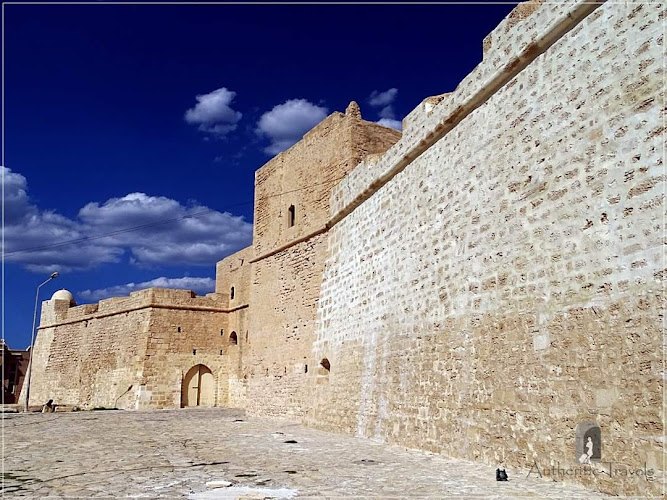
Borj el Kebir: Ottoman Fort
Find Accommodations Nearby
Recommended Tours & Activities
Visitor Reviews
There are no reviews yet. Be the first one to write one.
Share Your Experience
Have you visited Plage Mahdia? Help other travelers by leaving a review.