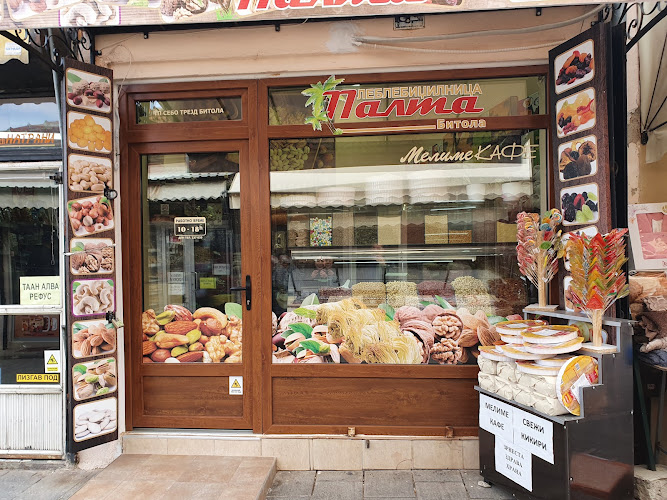
За многу посетители, разгледувањето на Битола е насочено кон посета на старата битолска чаршија со централниот градски пазар, локација која претставува историското наследство.Според анализите направени во неколку периоди во централното градско подрачје, односно маас пазар во пазарен ден фреквенцијата на граѓани достигнува и до 2000 посетители во 1 ден. Со тоа вкупен број на посетители во пазарните денови односно граѓани и клиентите кои користат простор под закуп за продавање на производи достигнува над 2 500 граѓани додека во не пазарни денови фреквенцијата на граѓаните кои гравитираат во централниот градски пазарен регион достигнува до 1000 граѓани.
Highlights & Key Features
Local produce from Pelagonia: Expect mountains of tomatoes, peppers, cucumbers, onions, apples from the Prespa side, plums in late summer, and citrus crates in winter. Herbs like dill and parsley are bundled fresh each morning, and you’ll often see seasonal specialties that never make it to supermarkets.
Dairy and deli counters: Try creamy white cheese (sirenje) and firmer yellow cheese (kaškaval). Some stalls also sell cured meats and homemade “ajvar” when in season. Don’t be shy about asking for a taste—sampling is part of the fun.
Street snacks and bakeries nearby: While the core of the bazar is produce, the perimeter is dotted with bakeries and grills. I usually grab a slice of burek or a soft kifla before diving deeper into the aisles. If you’re hungry at midday, you won’t have trouble finding a quick, tasty bite.
Clothes and household goods: Beyond the produce, you’ll find rows of stalls hawking jeans, t-shirts, socks, shoes, and kitchen tools. Prices tend to be reasonable, and it’s a good place to replace a worn-out belt or pick up a simple rain poncho if the weather turns.
Prices you can compare at a glance: One of the perks of Gradksi Pazar is seeing prices side by side. If you’re buying in quantity, you can politely ask if there’s a better price per kilo. Cash is standard; bring small bills.
Everyday atmosphere in the old čaršija: The market blends seamlessly with Bitola’s historic bazaar streets. You can move from a hardware stall to a spice stand to a cobbler without breaking stride.
Accessibility: The main entrance and a nearby parking area are wheelchair accessible. Surfaces are mostly paved; however, expect occasional uneven sections and crowded pinch points during peak hours.
Photography with personality: Bright produce, traditional scales, and hand-written price signs make great photos. As always, ask before photographing people up close—most stallholders appreciate the courtesy.
Genuine interactions: This is a working market, not a staged attraction. You’ll pick up bits of Macedonian, learn what’s in season, and probably get produce tips you didn’t know you needed.
Visitor Guide & Information
Gradski Pazar in Bitola is a lively open-air market operating daily around the central Shirok Sokak pedestrian area, offering fresh produce, local cheeses, cured meats, and seasonal fruits sourced from nearby Pelagonia farms. The market’s compact network of covered stalls and adjacent streets showcases a mix of long-running family vendors and newer artisans selling handmade textiles, Carpentry items, and traditional Macedonian spices. Visiting during morning hours lets you observe local shopping routines, compare regional varieties like kashkaval and ajvar, and sample small ready-to-eat bites while absorbing the city’s everyday commercial life.
Community & Insider Notes
Last modified September 16, 2025
Gradski Pazar in Bitola is a lively open-air market operating daily around the central Shirok Sokak pedestrian area, offering fresh produce, local cheeses, cured meats, and seasonal fruits sourced from nearby Pelagonia farms. The market’s compact network of covered stalls and adjacent streets showcases a mix of long-running family vendors and newer artisans selling handmade textiles, Carpentry items, and traditional Macedonian spices. Visiting during morning hours lets you observe local shopping routines, compare regional varieties like kashkaval and ajvar, and sample small ready-to-eat bites while absorbing the city’s everyday commercial life.
Local produce from Pelagonia: Expect mountains of tomatoes, peppers, cucumbers, onions, apples from the Prespa side, plums in late summer, and citrus crates in winter. Herbs like dill and parsley are bundled fresh each morning, and you’ll often see seasonal specialties that never make it to supermarkets.
Dairy and deli counters: Try creamy white cheese (sirenje) and firmer yellow cheese (kaškaval). Some stalls also sell cured meats and homemade “ajvar” when in season. Don’t be shy about asking for a taste—sampling is part of the fun.
Street snacks and bakeries nearby: While the core of the bazar is produce, the perimeter is dotted with bakeries and grills. I usually grab a slice of burek or a soft kifla before diving deeper into the aisles. If you’re hungry at midday, you won’t have trouble finding a quick, tasty bite.
Clothes and household goods: Beyond the produce, you’ll find rows of stalls hawking jeans, t-shirts, socks, shoes, and kitchen tools. Prices tend to be reasonable, and it’s a good place to replace a worn-out belt or pick up a simple rain poncho if the weather turns.
Prices you can compare at a glance: One of the perks of Gradksi Pazar is seeing prices side by side. If you’re buying in quantity, you can politely ask if there’s a better price per kilo. Cash is standard; bring small bills.
Everyday atmosphere in the old čaršija: The market blends seamlessly with Bitola’s historic bazaar streets. You can move from a hardware stall to a spice stand to a cobbler without breaking stride.
Accessibility: The main entrance and a nearby parking area are wheelchair accessible. Surfaces are mostly paved; however, expect occasional uneven sections and crowded pinch points during peak hours.
Photography with personality: Bright produce, traditional scales, and hand-written price signs make great photos. As always, ask before photographing people up close—most stallholders appreciate the courtesy.
Genuine interactions: This is a working market, not a staged attraction. You’ll pick up bits of Macedonian, learn what’s in season, and probably get produce tips you didn’t know you needed.
I’ve wandered through a lot of markets in the Balkans, and the one that always pulls me back is Градски Пазар (Gradski Pazar), the Bitola City Market on Kole Nedelkovski 1. It sits right by the old Bitola čaršija, the historic bazaar area that still anchors daily life in the center of Bitola, North Macedonia. From the first step inside, you’re hit with that unmistakable mix of ripe tomatoes, fresh herbs, roasted peppers, and warm bread coming from the bakeries edging the lanes. It’s not a curated experience—this is a living market, where conversations carry across stalls and prices are discussed with a nod and a smile.
Gradski Pazar is at its most animated on peak “pazar” days, when locals stock up on produce and traders from the Pelagonia plain arrive with trucks stacked with crates. Analyses over several periods count around 2,000 visitors on a single market day, and if you add the vendors and those renting space, the figure surpasses 2,500 people within a day. On non-market days, you’ll still find around 1,000 visitors moving through the area—never empty, just calmer. Either way, the pace feels purposeful rather than hurried, and you can take your time picking out the sweetest figs or the crispiest peppers without feeling rushed.
What I love most here is how the Bitola bazaar tradition blends with practical, everyday shopping. You can browse seasonal fruits and vegetables, try local cheeses, compare prices on clothes and shoes, and chat with stallholders who’ll tell you exactly which farm their beans came from. If you’re visiting Bitola for the first time, the market offers an easy snapshot of local culture—unfiltered and deliciously real. And if you’re coming back, it’s the place that makes you feel like you never left.
The setting is central, just a short walk from Širok Sokak, the city’s well-loved pedestrian street, and close to historic sights like the Clock Tower and the old mosques of the čaršija. That makes Gradksi Pazar an easy addition to a day of sightseeing. I usually swing by in the morning, fill a small bag with fruit, grab a pastry, and then wander off toward the old streets; if I’m in town during late summer or early autumn, I stop to watch piles of red peppers destined for ajvar sitting like little rubies in the sun.
For practical travelers: the Bitola City Market has a wheelchair-accessible entrance and a wheelchair-accessible parking lot. Aisles can get busy and occasionally narrow—especially on big market days—so it’s worth arriving earlier to avoid the densest crowds if you’re navigating with wheels or a stroller. Vendors are used to locals shopping with carts and trolleys, and people are generally considerate in the flow of foot traffic.
Key Features
Local produce from Pelagonia: Expect mountains of tomatoes, peppers, cucumbers, onions, apples from the Prespa side, plums in late summer, and citrus crates in winter. Herbs like dill and parsley are bundled fresh each morning, and you’ll often see seasonal specialties that never make it to supermarkets.
Dairy and deli counters: Try creamy white cheese (sirenje) and firmer yellow cheese (kaškaval). Some stalls also sell cured meats and homemade “ajvar” when in season. Don’t be shy about asking for a taste—sampling is part of the fun.
Street snacks and bakeries nearby: While the core of the bazar is produce, the perimeter is dotted with bakeries and grills. I usually grab a slice of burek or a soft kifla before diving deeper into the aisles. If you’re hungry at midday, you won’t have trouble finding a quick, tasty bite.
Clothes and household goods: Beyond the produce, you’ll find rows of stalls hawking jeans, t-shirts, socks, shoes, and kitchen tools. Prices tend to be reasonable, and it’s a good place to replace a worn-out belt or pick up a simple rain poncho if the weather turns.
Prices you can compare at a glance: One of the perks of Gradksi Pazar is seeing prices side by side. If you’re buying in quantity, you can politely ask if there’s a better price per kilo. Cash is standard; bring small bills.
Everyday atmosphere in the old čaršija: The market blends seamlessly with Bitola’s historic bazaar streets. You can move from a hardware stall to a spice stand to a cobbler without breaking stride.
Accessibility: The main entrance and a nearby parking area are wheelchair accessible. Surfaces are mostly paved; however, expect occasional uneven sections and crowded pinch points during peak hours.
Photography with personality: Bright produce, traditional scales, and hand-written price signs make great photos. As always, ask before photographing people up close—most stallholders appreciate the courtesy.
Genuine interactions: This is a working market, not a staged attraction. You’ll pick up bits of Macedonian, learn what’s in season, and probably get produce tips you didn’t know you needed.
Best Time to Visit
For the most relaxed experience, arrive in the morning when stalls are full and the air is cooler. I like to get there early enough to see vendors arranging pyramids of tomatoes and weighing out grapes for the first customers of the day. By late morning, the market hums with steady trade; by early afternoon, some items sell out.
On designated market days—locals will call them “pazarni denovi”—the energy spikes. Visitor counts reach around 2,000 people in a single day, and with vendors included the total tops 2,500. It’s a great time to feel the market’s pulse, though you’ll want to be patient in the busier aisles. Non-market days still bring around 1,000 people, which makes for smoother browsing and easier conversation with stallholders.
Seasonality matters here. Late summer and early autumn are fantastic: mounds of peppers, tomatoes, and eggplants signal ajvar season, and you’ll notice the smoky scent of roasting peppers drifting from nearby courtyards. Spring brings tender greens and fresh herbs, while winter leans into pickled vegetables, citrus, and hearty produce. If you’re after the broadest range of fruits, aim for August to October; for herbs and greens, April and May are especially nice.
If accessibility is a priority, consider weekday mornings on non-market days. The aisles are calmer, the wheelchair-accessible entrance is easy to navigate, and parking spaces are more readily available.
How to Get There
Градски Пазар (Bitola City Market) is located at Kole Nedelkovski 1, Bitola 7000, right in the central urban area. If you’re already exploring the old Bitola čaršija or strolling along Širok Sokak, you’re essentially there—just keep an eye out for the cluster of stalls and the steady rhythm of shoppers moving in and out with bags of produce.
On foot, it’s straightforward from most central hotels and apartments—five to ten minutes from many places near the Clock Tower. From the bus or train station, it’s a manageable walk of roughly 20–25 minutes, or a short taxi ride if you’ve got luggage or you’re carrying purchases. Local buses serve the city center, and drivers will understand if you ask for “Gradski Pazar.”
If you’re arriving by car, plan on city-center driving. Parking around the market can be competitive on busy days, but there is a wheelchair-accessible parking area near the entrance, and you can usually find a spot a few blocks away if you’re patient. I’ve had the best luck when arriving early in the morning or later in the afternoon, once the midday rush subsides. As in most of North Macedonia, watch for signed parking zones and pay stations.
Once you’re within the čaršija, orientation is easy: follow the flow of people carrying mesh bags filled with peppers, apples, or greens. You’ll know you’ve hit the heart of the Bitola bazaar when the fruit colors begin to outnumber the street signs.
Tips for Visiting
Bring cash in Macedonian denars (MKD). While Bitola is modernizing quickly, the bazar still runs mostly on cash. Small bills and coins make it easier to pay exact prices, especially when you’re buying just a handful of plums or a bunch of parsley.
Shop with your senses. Taste a grape, tap the watermelon, and smell the mint. Vendors are happy to offer samples if you ask politely. It’s perfectly normal to compare a few stalls before buying—it’s part of the market dance.
Ask prices clearly and check units. Prices are typically per kilogram, and you’ll see them chalked on small boards or stickers. If you’re unsure, a simple “Kolku košta?” (How much is it?) works wonders. For quantity, point to the amount you want or say “polovina kilo” for a half-kilo.
Pack light and carry a reusable bag. A foldable tote or backpack is enough for a morning haul. If you’re planning to pick up fragile items—berries or eggs—ask the vendor for a protective box or bring a small container.
Time your visit with your plans. If you’re heading to Pelister National Park or a longer day trip, swing by early for snacks. If you’re cooking at your accommodation, ask vendors which tomatoes are best for salad versus sauce; the advice is part of the purchase.
Watch your step and your pockets. The ground can be uneven, especially after rain, and the market grows dense at peak hours. Bitola is generally safe, but as with any busy market in Europe, keep your phone and wallet secure.
Be respectful with photos. Fruit and cheese are fair game; portraits should be asked for. A quick nod or a “može?” goes a long way. Most sellers are proud of their displays and don’t mind a snapshot.
Mind the weather. In summer, arrive in the morning before the heat builds. In winter, stalls are still active but bundle up; you’ll be grateful for a warm burek and a hot drink from a nearby café. After a downpour, some aisles gather puddles—nothing dramatic, just something to watch for with open shoes or wheels.
Accessibility notes. The entrance and nearby parking are wheelchair accessible, and the main paths are paved. On major market days, crowds can slow movement in narrower aisles; morning visits on non-market days are the smoothest if you need extra space.
Support small producers. When you can, buy from the growers who proudly point to their own garden’s parsley or peppers. You’ll taste the difference, and you’re directly supporting Bitola’s local economy.
Finally, let the market guide you. I rarely arrive with a strict shopping list at Gradksi Pazar. Instead, I walk a loop, see what’s freshest, and build a meal in my head from what looks best. If you’re new to Bitola, it’s the most enjoyable way to experience the city’s food culture—fresh, seasonal, and deliciously tied to the rhythms of the old bazaar.
Explore verified points of interest within walking or short transit distance.
No neighboring places mapped within 5 km yet.
Find Places to Stay Nearby
Stay22 provides this accommodation search. We may earn a commission if you book through it; verify current prices and terms with the provider.
🗺️
Interactive accommodation map requires marketing cookies to display live rates.
Recommended Experiences & Activities
GetYourGuide provides this tour inventory. We may earn a commission if you book through it; verify current availability, prices, and terms with the provider.
Top Viator Experiences & Guided Tours in Bitola
We may earn a commission if you book through links on this page at no extra cost to you. All tours feature verified customer reviews and flexible cancellation options.