
Pharmacy Museum
About Pharmacy Museum
Description
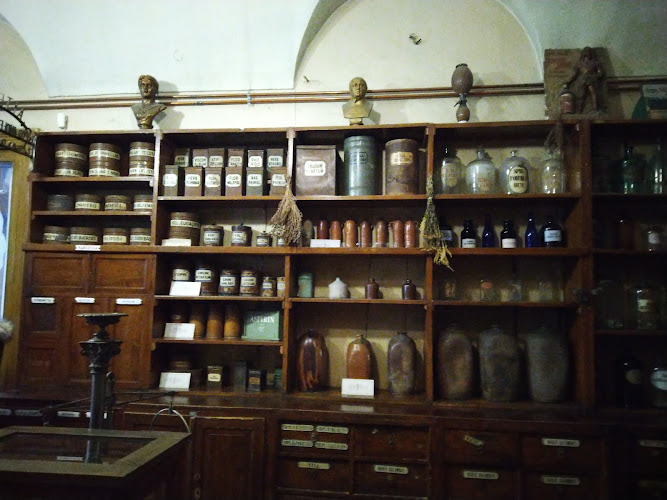
The Pharmacy Museum is one of those places that quietly surprises you. Tucked away in the heart of Lviv’s historic center, this museum isn’t flashy or loud—it’s more like stepping into a time capsule that smells faintly of herbs, old wood, and stories. Opened in 1966, it occupies an 18th-century apothecary that once served real customers. The building itself feels like a relic—creaky floors, thick stone walls, and cabinets full of glass jars with mysterious powders and potions. It’s the kind of spot where you half expect a bearded pharmacist in a long coat to appear from behind a counter, muttering Latin names of plants.
What really strikes visitors is how immersive it feels. The museum doesn’t just display pharmaceutical artifacts—it lets you imagine what medicine looked like before modern science took over. There are shelves lined with ceramic jars, brass scales, and hand-blown glass bottles filled with colorful liquids. Some are labeled in Latin, others in old Ukrainian or Polish, and a few are just plain unidentifiable. And that’s part of the charm—you’re not just learning about medicine, you’re walking through centuries of human trial and error.
Of course, it’s not perfect. The lighting can be dim in places, and the signage isn’t always in English, so you might find yourself guessing what a certain contraption was used for. But honestly, that’s half the fun. There’s a sense of discovery here that polished, modern museums often lack. You wander room to room, and every corner feels like a secret waiting to be uncovered.
It’s also surprisingly atmospheric—especially the cellar. Downstairs, you’ll find what looks like an old alchemist’s laboratory, complete with stone arches and shelves of ancient tools. It’s slightly eerie, but in the best way possible. You can almost feel the weight of history pressing in, as if the ghosts of pharmacists past are still busy mixing their potions.
If you’re into history, science, or just quirky local experiences, this museum hits the sweet spot. It’s small enough to explore in under an hour, yet detailed enough to keep you fascinated the whole time. And while it may not have fancy digital displays or interactive screens, it makes up for it with authenticity. You’re not just seeing history—you’re standing in it.
Key Features
- Authentic 18th-century apothecary interior with original furnishings and decor
- Extensive collection of antique pharmaceutical tools, glassware, and medical instruments
- Cellar-level alchemy room showcasing early chemistry and potion-making practices
- Exhibits on herbal medicine, early pharmacology, and the evolution of medical science
- Guided tours available for deeper historical insights (in select languages)
- Family-friendly environment that sparks curiosity in both adults and kids
- Located in one of Lviv’s most picturesque historic districts
Best Time to Visit
Honestly, any time you’re wandering through Lviv’s old town is a good time to drop by the Pharmacy Museum. But if you want to avoid crowds and really soak in the atmosphere, go in the morning or late afternoon. Weekdays tend to be quieter, giving you space to linger in each room without feeling rushed.
Spring and autumn are especially nice—the weather is mild, and the city feels alive but not overwhelmed with tourists. In winter, the museum takes on an almost magical quality. The old wooden counters and flickering lights feel extra cozy against the chill outside. Summer can be busier, but even then, stepping inside offers a cool, shaded break from the heat and noise of the streets.
If you’re a photographer or just love capturing details, go when the natural light filters through the old windows—it gives everything a golden glow that makes the glass jars and brass instruments shimmer.
How to Get There
Getting to the Pharmacy Museum is pretty straightforward if you’re already exploring Lviv’s old town. The streets around it are narrow and cobblestoned, so walking is your best bet. Most of the city’s main attractions are within easy reach, so you can easily fit it into a day of sightseeing.
If you’re staying a bit farther out, public transportation or a short taxi ride will get you close enough to walk the final stretch. The museum doesn’t have dedicated parking, so driving right up to the entrance isn’t ideal. But honestly, walking through those winding lanes is part of the experience—you’ll pass colorful buildings, little cafes, and street musicians along the way.
For those who like to plan ahead, it’s worth checking the opening hours before you go—they can vary slightly depending on the season or holidays. And while it’s not a huge museum, give yourself at least an hour to explore without feeling rushed.
Tips for Visiting
First off, bring your curiosity. This isn’t the kind of museum where you just glance at displays and move on—it rewards those who linger, who ask questions, who look closely at the tiny handwritten labels on bottles. If you’ve got a knack for detail or love old-world craftsmanship, you’ll find plenty to marvel at.
It’s also worth noting that the museum isn’t fully wheelchair accessible, and there’s no on-site restroom or café. So plan accordingly—grab a coffee beforehand and wear comfortable shoes, especially if you’re exploring the cellar. The stone floors can be uneven, and the stairs are a bit narrow.
If you’re visiting with kids, they’ll probably get a kick out of the “magic potion” vibe of the place. The alchemy room, in particular, tends to capture their imagination. Just be ready to answer lots of “what’s that?” questions—it’s that kind of place.
One thing I always tell friends: don’t rush through. The museum may seem small at first glance, but every shelf and cabinet holds something intriguing. I once spent ten minutes staring at an old mortar and pestle, wondering what herbs had been crushed there centuries ago. It’s those little moments of connection that make this museum special.
And here’s a small insider tip—chat with the staff if you can. They’re usually locals who genuinely love the place and can share stories or details you won’t find on the signs. Sometimes they’ll point out hidden features, like secret drawers or old pharmacist’s notes tucked behind glass.
Lastly, take a few minutes to just stand still and breathe it all in. The scent of old wood, herbs, and dust—it’s oddly comforting. In a world where everything moves fast and feels digital, this museum reminds you that knowledge once came from patience, observation, and a little bit of mystery.
So if you find yourself wandering Lviv’s cobblestone streets, make time for the Pharmacy Museum. It’s a quiet gem—a place that doesn’t shout for attention but rewards those who listen. You’ll leave with a deeper appreciation for how far medicine has come, and maybe a tiny spark of wonder about the people who once believed that a pinch of herbs and a drop of courage could heal the world.
Key Features
- Authentic 18th-century apothecary interior with original furnishings and decor
- Extensive collection of antique pharmaceutical tools, glassware, and medical instruments
- Cellar-level alchemy room showcasing early chemistry and potion-making practices
- Exhibits on herbal medicine, early pharmacology, and the evolution of medical science
- Guided tours available for deeper historical insights (in select languages)
- Family-friendly environment that sparks curiosity in both adults and kids
- Located in one of Lviv’s most picturesque historic districts
More Details
Updated November 7, 2025
Table of Contents
Description
The Pharmacy Museum is one of those places that quietly surprises you. Tucked away in the heart of Lviv’s historic center, this museum isn’t flashy or loud—it’s more like stepping into a time capsule that smells faintly of herbs, old wood, and stories. Opened in 1966, it occupies an 18th-century apothecary that once served real customers. The building itself feels like a relic—creaky floors, thick stone walls, and cabinets full of glass jars with mysterious powders and potions. It’s the kind of spot where you half expect a bearded pharmacist in a long coat to appear from behind a counter, muttering Latin names of plants.
What really strikes visitors is how immersive it feels. The museum doesn’t just display pharmaceutical artifacts—it lets you imagine what medicine looked like before modern science took over. There are shelves lined with ceramic jars, brass scales, and hand-blown glass bottles filled with colorful liquids. Some are labeled in Latin, others in old Ukrainian or Polish, and a few are just plain unidentifiable. And that’s part of the charm—you’re not just learning about medicine, you’re walking through centuries of human trial and error.
Of course, it’s not perfect. The lighting can be dim in places, and the signage isn’t always in English, so you might find yourself guessing what a certain contraption was used for. But honestly, that’s half the fun. There’s a sense of discovery here that polished, modern museums often lack. You wander room to room, and every corner feels like a secret waiting to be uncovered.
It’s also surprisingly atmospheric—especially the cellar. Downstairs, you’ll find what looks like an old alchemist’s laboratory, complete with stone arches and shelves of ancient tools. It’s slightly eerie, but in the best way possible. You can almost feel the weight of history pressing in, as if the ghosts of pharmacists past are still busy mixing their potions.
If you’re into history, science, or just quirky local experiences, this museum hits the sweet spot. It’s small enough to explore in under an hour, yet detailed enough to keep you fascinated the whole time. And while it may not have fancy digital displays or interactive screens, it makes up for it with authenticity. You’re not just seeing history—you’re standing in it.
Key Features
- Authentic 18th-century apothecary interior with original furnishings and decor
- Extensive collection of antique pharmaceutical tools, glassware, and medical instruments
- Cellar-level alchemy room showcasing early chemistry and potion-making practices
- Exhibits on herbal medicine, early pharmacology, and the evolution of medical science
- Guided tours available for deeper historical insights (in select languages)
- Family-friendly environment that sparks curiosity in both adults and kids
- Located in one of Lviv’s most picturesque historic districts
Best Time to Visit
Honestly, any time you’re wandering through Lviv’s old town is a good time to drop by the Pharmacy Museum. But if you want to avoid crowds and really soak in the atmosphere, go in the morning or late afternoon. Weekdays tend to be quieter, giving you space to linger in each room without feeling rushed.
Spring and autumn are especially nice—the weather is mild, and the city feels alive but not overwhelmed with tourists. In winter, the museum takes on an almost magical quality. The old wooden counters and flickering lights feel extra cozy against the chill outside. Summer can be busier, but even then, stepping inside offers a cool, shaded break from the heat and noise of the streets.
If you’re a photographer or just love capturing details, go when the natural light filters through the old windows—it gives everything a golden glow that makes the glass jars and brass instruments shimmer.
How to Get There
Getting to the Pharmacy Museum is pretty straightforward if you’re already exploring Lviv’s old town. The streets around it are narrow and cobblestoned, so walking is your best bet. Most of the city’s main attractions are within easy reach, so you can easily fit it into a day of sightseeing.
If you’re staying a bit farther out, public transportation or a short taxi ride will get you close enough to walk the final stretch. The museum doesn’t have dedicated parking, so driving right up to the entrance isn’t ideal. But honestly, walking through those winding lanes is part of the experience—you’ll pass colorful buildings, little cafes, and street musicians along the way.
For those who like to plan ahead, it’s worth checking the opening hours before you go—they can vary slightly depending on the season or holidays. And while it’s not a huge museum, give yourself at least an hour to explore without feeling rushed.
Tips for Visiting
First off, bring your curiosity. This isn’t the kind of museum where you just glance at displays and move on—it rewards those who linger, who ask questions, who look closely at the tiny handwritten labels on bottles. If you’ve got a knack for detail or love old-world craftsmanship, you’ll find plenty to marvel at.
It’s also worth noting that the museum isn’t fully wheelchair accessible, and there’s no on-site restroom or café. So plan accordingly—grab a coffee beforehand and wear comfortable shoes, especially if you’re exploring the cellar. The stone floors can be uneven, and the stairs are a bit narrow.
If you’re visiting with kids, they’ll probably get a kick out of the “magic potion” vibe of the place. The alchemy room, in particular, tends to capture their imagination. Just be ready to answer lots of “what’s that?” questions—it’s that kind of place.
One thing I always tell friends: don’t rush through. The museum may seem small at first glance, but every shelf and cabinet holds something intriguing. I once spent ten minutes staring at an old mortar and pestle, wondering what herbs had been crushed there centuries ago. It’s those little moments of connection that make this museum special.
And here’s a small insider tip—chat with the staff if you can. They’re usually locals who genuinely love the place and can share stories or details you won’t find on the signs. Sometimes they’ll point out hidden features, like secret drawers or old pharmacist’s notes tucked behind glass.
Lastly, take a few minutes to just stand still and breathe it all in. The scent of old wood, herbs, and dust—it’s oddly comforting. In a world where everything moves fast and feels digital, this museum reminds you that knowledge once came from patience, observation, and a little bit of mystery.
So if you find yourself wandering Lviv’s cobblestone streets, make time for the Pharmacy Museum. It’s a quiet gem—a place that doesn’t shout for attention but rewards those who listen. You’ll leave with a deeper appreciation for how far medicine has come, and maybe a tiny spark of wonder about the people who once believed that a pinch of herbs and a drop of courage could heal the world.
Key Highlights
- Authentic 18th-century apothecary interior with original furnishings and decor
- Extensive collection of antique pharmaceutical tools, glassware, and medical instruments
- Cellar-level alchemy room showcasing early chemistry and potion-making practices
- Exhibits on herbal medicine, early pharmacology, and the evolution of medical science
- Guided tours available for deeper historical insights (in select languages)
- Family-friendly environment that sparks curiosity in both adults and kids
- Located in one of Lviv’s most picturesque historic districts
Location
Places to Stay Near Pharmacy Museum
Find and Book a Tour
Explore More Travel Guides
No reviews found! Be the first to review!
Traveler Reviews for Pharmacy Museum
There are no reviews yet. Be the first one to write one.
Have you visited Pharmacy Museum? Help other travelers by sharing your review.
You Might Also Like

Lviv National Opera
Italian Courtyard
Palats Didushytsʹkykh
Find Accommodations Nearby
Recommended Tours & Activities
Visitor Reviews
There are no reviews yet. Be the first one to write one.
Share Your Experience
Have you visited Pharmacy Museum? Help other travelers by leaving a review.