
Peshwe Museum
About Peshwe Museum
History and Significance
If you find yourself in Pune and want to truly dive into the rich heritage of the Maratha Empire, the Peshwe Museum stationed atop Parvati Hill is an absolute must-visit. This museum occupies part of what was once the grand Peshwa Palace, originally built by Nanasaheb Peshwa in 1795. It stands not just as a building but as a beacon preserving the legacy of the Peshwas—those powerful prime ministers who ruled the Maratha Empire and shaped Maharashtra’s history in the 18th century. The museum itself is a remarkable portal into the past, offering a tangible connection to the lives, culture, and craftsmanship of that era amidst the serenity of one of Pune’s highest vantage points.
The location is quintessentially symbolic—the Parvati Hill complex also houses an ancient temple, and the museum’s proximity to this sacred site blends spiritual history with royal grandeur. Over the years, the Peshwa Museum has evolved from a historical monument to a thorough narrative space, welcoming history buffs, culture seekers, and curious travelers alike. It celebrates the Peshwa rule not only through grand architecture but through a thoughtfully curated collection that tells stories of war, governance, art, daily life, and the indomitable spirit of a bygone age.
Main Attractions and Activities
Once inside the museum, you’ll find yourself immersed in a treasure trove of artifacts that are anything but static displays. The museum holds an impressive collection of weaponry, jewelry, clothing, furniture, musical instruments, riding attire, locks, utensils, and personal items that belonged to the influential Peshwa family and their court. These objects don’t just sit behind glass; they bridge you directly to the past, revealing the craftsmanship and lifestyles from two and a half centuries ago.
Walls and stairways adorned with old paintings of Pune chronicle the city’s history and development, adding layers of context to your visit. There’s also a fascinating Peshwa family tree on display, alongside detailed maps and paintings of Shaniwar Wada, the Peshwas’ famous fort and seat of governance. This combination gives you a vivid mental picture of the political and social world that the Peshwas managed.
For lovers of numismatics, the museum dazzles with a large collection of coins and currencies spanning various eras and regions, ranging from the Chola Dynasty and Mughal Empire to the Portuguese and British periods. This collection is a subtle reminder of the varied histories converging in Maharashtra.
The building itself, once a palace, welcomes you with its traditional architecture and the breathtaking panoramic views of Pune city from the hilltop, creating an experiential blend of history and nature. Beyond simply browsing, many visitors enjoy taking guided tours, enriching their understanding with stories and insights brought to life by passionate docents.
Visitor Experience
Your journey within the Peshwe Museum is nothing if not immersive. Walking through the halls, you might catch yourself marveling at delicate jewels, imagining the opulence and power of the Peshwas. The atmosphere is calm, but expect a bubbling undercurrent of history whispering around every corner. The exhibits are curated with great attention to detail, so you never just glance — you absorb.
I recall ascending the Parvati Hill under the warm Pune sun, pacing up the stone steps with anticipation. Arriving at the museum, the first thing that struck me was the serene view over the city, one that has witnessed the same vistas for centuries. Inside, each room felt like stepping into different chapters of history — from war chambers showcasing weaponry to rooms filled with everyday objects that humanized the Peshwa rulers beyond their royal titles.
Though this isn’t a flashy modern museum, the authenticity and preservation work shine through, making the experience feel intimate and genuine. You can sense the contrasting worlds of regal splendor and the humble devotion intertwined here, especially with the nearby temple complex. Visitors often take their time lingering, taking photos, or simply sitting by the windows, soaking in the views and quiet grandeur.
Tips for Visitors
To make the most of your visit to the Peshwe Museum, here are some handy tips:
Come early or late: The museum gets busier midday, so mornings or late afternoons offer a quieter, more contemplative experience.
Wear comfortable shoes: The climb up Parvati Hill involves uneven stone steps and some uphill walking.
Hire a guide or join a guided tour: The stories and historical background elevate the visit far beyond just seeing objects.
Bring a camera: The panoramic views of Pune from the hilltop, combined with antique collections, provide fantastic photo ops.
Check opening hours: The museum opens early and closes around evening, but always verify timings and any special holiday closures.
Hydrate and prepare for the weather: The hilltop can get sunny and warm—carry water and sun protection.
Explore the temple complex nearby: Pair your museum visit with the Parvati Temple to soak in local spirituality and architecture.
Accessibility note: The climb and uneven pathways mean it’s less suited if you have mobility issues.
Following these tips can transform your trip from good to memorable, letting you savor both the artifacts and the ambiance at your own pace.
Accessibility and Facilities
Located atop Parvati Hill, the Peshwe Museum is a bit of a climb from Pune’s city bustle. While access is fairly straightforward by auto-rickshaw or taxi, be ready for the uphill trek and some staircases. For those relying on public transport, a bus can get you close to the hill’s base, and from there, it’s about a 10 to 15-minute walk uphill.
Facilities within the museum are modest but adequate, focusing primarily on preserving the historical structure and artifacts. The museum provides clean restrooms and resting spots near the entrance and within the temple complex. However, the stone pathways and steps aren’t wheelchair-friendly, so visitors with limited mobility should plan accordingly and consider assistance.
Overall, accessibility balances historical preservation with visitor needs in a way that respects the site’s age and significance but does limit ease of access for some.
Unique Features
The Peshwe Museum’s uniqueness stems from its dual identity as both a heritage palace and a museum, capturing the grand lifestyle of the Peshwas while serving as a cultural node atop one of Pune’s highest points. Few museums offer not only a treasure trove of artifacts spanning from weaponry to coins but also the experience of being in a former palace overlooking a city that was the power base for the Maratha empire.
Another standout feature is the combination of historical artifacts with panoramic city views, which bring history to life visually and emotionally. The surrounding Parvati Temple and hilltop gardens add layers of architectural and spiritual depth, visiting more than just a stroll through history—it’s a sensory and contemplative journey.
The detailed Peshwa family tree and historical maps showcased are a rare find, offering an intricate glimpse into political alliances, territorial reach, and dynasty transitions in a visually comprehensible form. This makes the museum a genuine educational hub that appeals to scholars and casual visitors alike.
Overall Impressions
Honestly, visiting the Peshwe Museum is like stepping back into a pivotal chapter of Indian, and particularly Maharashtrian, history. It’s not just a place to view old relics but a space that fosters connection with the Peshwas’ world—through objects, paintings, architecture, and the very atmosphere atop Parvati Hill.
The mix of historical depth, artistic detail, and natural beauty sets it apart from typical city museums. You leave with a deeper appreciation for the Peshwas’ complexity—from their military might to artistic passions and cultural footprints.
If you’re the kind of traveler who enjoys soaking in history at a human scale, savoring views, and wandering through layered narratives, this museum will stay with you long after you descend back to Pune’s busy streets.
Pros and Cons
| Pros | Cons |
|---|---|
| Rich, authentic collection showcasing the Peshwa lifestyle | Steep climbs and uneven pathways can be challenging |
| Stunning panoramic views of Pune from Parvati Hill | Limited modern visitor amenities |
| A combination of museum and historical palace environment | Accessibility issues for those with mobility problems |
| Wide range of artifacts: weapons, clothing, coins | Limited signage in English; guided tours recommended |
| Peaceful hilltop setting with a temple nearby | Can get busy during weekends and festivals |
| Insightful paintings, family trees, and historic maps | No major cafes or eateries on-site |
If you want a genuine immersion into the Maratha Empire’s legacy wrapped in a stunning hilltop setting, the Peshwe Museum is a historic and cultural gem waiting for your discovery. Take your time to explore, reflect, and connect with a heritage that shaped a significant part of India’s history.
Key Features
- 18th-century Peshwa palace architecture and courtyard
- Collections of Maratha-era weaponry, coins and ceremonial costumes
- Original artifacts and household items from the Peshwa period
- Panoramic hilltop views over Pune from Parvati Hill
- Quiet, less-crowded atmosphere ideal for photography and reflection
Nearby Attractions
Parvati Hill temples (temple complex adjacent to the museum)
Raja Dinkar Kelkar Museum
Shaniwar Wada
You Might Also Like

1, Swarn Jayanti Park Rd
1/33, Rajiv Park Rd
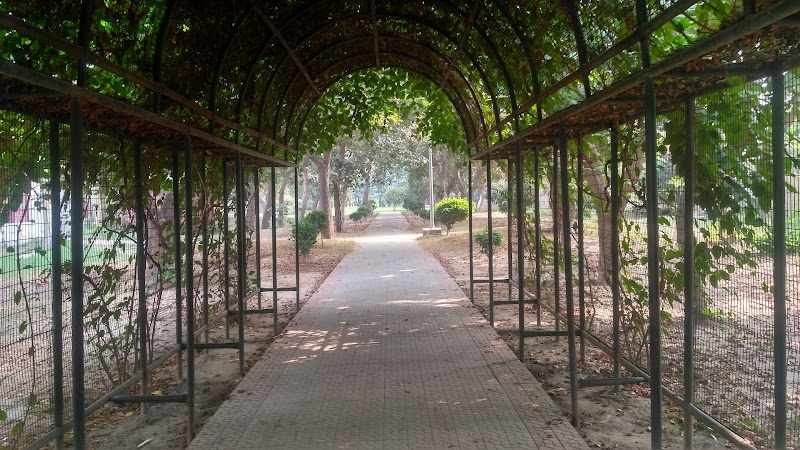
3D Park
Tours & Activities
GetYourGuide provides this tour inventory. We may earn a commission if you book through it; verify current availability, prices, and terms with the provider.
Visitor Reviews
There are no reviews yet. Be the first one to write one.
Share Your Experience
Have you visited Peshwe Museum? Help other travelers by leaving a review.