
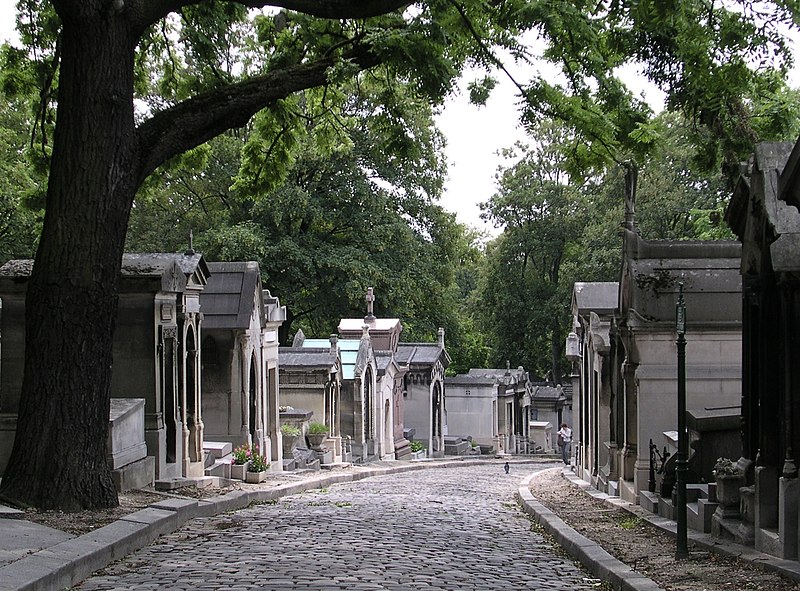
Père Lachaise Cemetery
About Père Lachaise Cemetery
History and Significance
The Père Lachaise Cemetery, officially known as Cimetière du Père Lachaise, holds a fascinating and somewhat macabre history within its walls. Established in 1804 by Napoleon Bonaparte, this municipal cemetery was named after Père François de la Chaise, the confessor of King Louis XIV. Initially, Parisians were hesitant to be buried in this relatively distant 20th arrondissement, finding the location quite inconvenient. And honestly, who could blame them? But, in a brilliant marketing ploy that would make any modern PR guru proud, the remains of famous figures like Molière and Jean de La Fontaine were strategically relocated here. This move, a clever bit of psychological manipulation, rapidly boosted the cemetery’s prestige, transforming it into the highly sought-after burial ground it remains today. It truly became a desirable final resting place. This vast 44-hectare garden cemetery quickly became the epitome of chic final resting places in France. Over the centuries, it has welcomed a veritable who's who of cultural icons, creating an unparalleled collection of monuments and tombs. From the likes of Honoré de Balzac and Marcel Proust to the iconic Frédéric Chopin, Eugène Delacroix, and Sarah Bernhardt, the sheer concentration of historical heavyweights is staggering. It’s not just a cemetery; it’s a sprawling narrative of human achievement, a testament to the enduring legacies of those who once walked among us. And I tell you, walking through its paths, you can almost feel the echoes of their lives.
Main Attractions and Activities
A visit to Père Lachaise Cemetery is an immersive journey, and frankly, you could spend days here and still not see it all. For many, the undeniable draw is the chance to pay homage at Jim Morrison's grave. His tomb, often adorned with flowers and graffiti, remains a major pilgrimage site for fans from all over the world, even decades after his death. But while Jim Morrison's presence is a powerful magnet, the cemetery in Paris holds countless other treasures. You simply cannot miss the striking monument dedicated to Oscar Wilde, a truly magnificent piece of art, often covered in lipstick kisses left by admirers. Beyond these well-known graves, the Père Lachaise Cemetery in Paris offers a wealth of other attractions. You can find the poignant final resting place of Edith Piaf, the beloved "Sparrow" of French song, or discover the elaborate tombs of Colette and Gertrude Stein. For history buffs, the Mur des Fédérés, a wall where Communards were executed in 1871, offers a somber but important historical lesson. Honestly, a guided tour from the tourist office is a fantastic way to navigate this vast and complex space, ensuring you don’t miss out on the fascinating stories behind figures like Héloise and Abélard. It truly is the most visited cemetery in the world for a reason.Visitor Experience
My friends, a visit to Père Lachaise Cemetery is truly an experience that transcends mere tourism; it’s an emotional journey. I’ve personally witnessed the profound impact this place has on visitors, myself included, as they wander among the graves and monuments. The atmosphere, a unique blend of solemnity and vibrant history, encourages reflection. You’ll find yourself contemplating the lives of the famous individuals buried here, from the poignant story of Frédéric Chopin’s heart, separated from his body and interred elsewhere, to the dramatic flair of Sarah Bernhardt's elegant tomb. It’s an opportunity to connect with history on a deeply personal level, far beyond what any textbook could offer. And trust me, it’s far more moving than I ever anticipated on my first visit. The sheer variety of visitor experiences here is quite remarkable. Some come to pay their respects at Jim Morrison's grave, leaving behind flowers, notes, and even bottles of whiskey—a testament to his enduring legacy. Others seek out the literary giants like Marcel Proust and Honoré de Balzac, their resting places often inspiring quiet contemplation. And then there are those, like me, who simply revel in the artistic beauty of the sculptures and architecture that adorn this vast garden cemetery. Each visit uncovers new details, new stories. It's a place where you can get lost, both literally and figuratively, and emerge feeling profoundly touched by the human experience. Truly, it’s not just a cemetery; it’s a living testament to humanity.Tips for Visitors
So, you’re planning a trip to Père Lachaise Cemetery? Excellent choice! To make the most of your visit to this sprawling cemetery in Paris, I highly recommend a few key things. First and foremost, wear comfortable shoes. This place is huge—44 hectares, to be precise—and you’ll be doing a lot of walking over uneven cobblestones. Believe me, I learned that the hard way. A good map, readily available at the entrance or via a reliable app, is also indispensable. Trying to navigate this labyrinthine space without one is like trying to find a needle in a haystack, and frankly, you’ll waste precious time. You don't want to miss Molière’s final resting place because you took a wrong turn. Consider joining a guided tour from the tourist office. This is, in my opinion, the absolute best way to uncover the rich stories behind the famous figures buried at Père Lachaise, from the witty epitaphs on Oscar Wilde’s monument to the tragic tale of Héloise and Abélard. A knowledgeable guide can bring the history of this municipal cemetery to life, pointing out hidden gems and sharing fascinating anecdotes that you’d never discover on your own. And remember, while it's the most visited cemetery in the world, it's still a place of remembrance. Be respectful of the solemn atmosphere; it’s a final resting place for countless souls, not just a tourist attraction. Bring water, too, especially if you visit on a hot day.Accessibility and Facilities
Navigating Père Lachaise Cemetery, given its expansive nature and hilly terrain, can present some challenges, particularly for visitors with mobility issues. While the main pathways are generally well-maintained, many of the smaller routes to individual tombs are unpaved or steep. I’ve often seen people struggle, and it’s a reality we should acknowledge. The cemetery, being a historic site, doesn’t have the same level of modern accessibility features as a newly built park. So, if you or someone in your group has mobility concerns, it’s wise to plan your route carefully and perhaps focus on the more accessible sections near the main entrances. The terrain is part of its charm, but also its challenge. In terms of facilities, the Père Lachaise Cemetery does offer some basic amenities for visitors. You’ll find public restrooms, though they can sometimes be a bit of a trek depending on where you are within the sprawling grounds. There are also a few small shops selling maps, guidebooks, and even some light refreshments near the main entrances. And importantly, for those seeking a more permanent connection, the crematorium within the cemetery grounds is an active facility. For many, this historic burial ground, including the Columbarium, serves not just as a place of historical interest but also as a contemporary site of remembrance for the residents of the city of Paris. It's a blend of past and present.Unique Features
What truly sets Père Lachaise Cemetery apart, in my humble opinion, is its unparalleled blend of artistic expression and historical gravity. It’s not just a burial place; it’s an outdoor gallery where each tomb tells a story, and frankly, some of these stories are more compelling than any novel I’ve ever read. You’ll encounter a dizzying array of architectural styles, from grand Neoclassical mausoleums to whimsical Art Nouveau sculptures, each reflecting the personality and era of its inhabitant. For instance, the sheer scale and ornate details of Honoré de Balzac's resting place speak volumes about his literary stature, while the often graffiti-adorned but always revered Jim Morrison's grave is a stark, raw reflection of his rock 'n' roll legend. It’s a place where the macabre meets the magnificent, and that, my friends, is a unique feature indeed. Beyond the individual monuments, the Père Lachaise Cemetery also distinguishes itself through its park-like setting. This garden cemetery, sprawling over 44 hectares, is a tranquil oasis in the bustling city of Paris. The winding paths, mature trees, and thoughtful landscaping create an atmosphere that encourages quiet contemplation rather than morbid fascination. It’s a deliberate design choice that goes back to its inception as a municipal cemetery, a departure from the crowded and unhygienic churchyards of old. And really, it’s quite a testament to the foresight of its creators that this space remains so beautiful and inviting, even as it serves as the final resting place for countless souls, including legendary figures like Marcel Proust and Eugène Delacroix. It truly is a unique experience.Overall Impressions
My overall impression of Père Lachaise Cemetery is one of profound awe and, dare I say, a touch of melancholy beauty. It’s a place that manages to be both deeply personal and universally resonant. As you wander through its vast expanse, from the celebrated tomb of Oscar Wilde, adorned with countless lipstick kisses, to the more understated final resting place of Edith Piaf, you can’t help but feel a powerful connection to the past. It’s a stark reminder of human mortality, yes, but also a vibrant celebration of lives well-lived and legacies that endure. I’ve visited many cemeteries in my travels, but none possess the same magnetic pull as Père Lachaise. It simply exudes a unique energy. The sheer scale of history contained within this part of the cemetery is staggering. Every turn offers a discovery, a new name that sparks recognition, a new story to ponder. I recall stumbling upon the graves of Molière and Jean de La Fontaine and feeling an almost palpable sense of their enduring literary presence. And then there's Frédéric Chopin, whose music seems to echo softly through the pathways. The Père Lachaise Cemetery is more than just a collection of graves; it’s a living archive, a place where the echoes of the past are remarkably clear. And for a journalist like me, who thrives on stories, it’s an endless source of inspiration and reflection. It leaves an indelible mark, truly.Pros and Cons
Let's talk brass tacks about visiting Père Lachaise Cemetery, shall we? On the "pros" side, the undeniable historical significance is a massive draw. You're walking on hallowed ground where figures like Honoré de Balzac and Colette found their final rest. The artistic merit of the monuments, from elaborate sculptures to humble, poignant headstones, is simply breathtaking. It's an open-air museum, and frankly, you won't find a more comprehensive collection of notable graves anywhere. The garden cemetery aspect is also a huge plus; it's a beautiful, tranquil escape from the urban hustle of the 20th arrondissement, offering moments of quiet reflection amidst stunning greenery. Plus, if you're like me, a good guided tour can bring these stories to life in a way a book simply can't. However, it's not all roses and quiet contemplation. On the "cons" side, the sheer size of Père Lachaise Cemetery can be overwhelming. Without a good map or a knowledgeable guide from the tourist office, you're likely to get lost, and believe me, those hills can be a workout! Finding specific tombs, like Jim Morrison's grave or the monument to Oscar Wilde, can be a challenge in this labyrinthine municipal cemetery. Also, while it's the most visited cemetery in the world, the facilities are somewhat limited – don't expect a café on every corner. And sometimes, the solemnity is occasionally disrupted by less respectful tourists, which, while rare, can be a bit jarring in this profound resting place. But honestly, the pros far outweigh the cons for this unique site.Key Features
- Historic graves of famous figures (Chopin, Oscar Wilde, Édith Piaf, Jim Morrison)
- Extensive funerary art and diverse mausoleums spanning 19th–20th centuries
- Large, park-like grounds with winding paths and mature trees
- Informational maps and numbered grave locations for self-guided exploration
- Accessible by multiple metro stops and integrated into local walking routes
More Details
Updated June 30, 2025
Table of Contents
- History and Significance
- Main Attractions and Activities
- Visitor Experience
- Tips for Visitors
- Accessibility and Facilities
- Unique Features
- Overall Impressions
- Pros and Cons
- Key Highlights
- Location
- Places to Stay Near Père Lachaise Cemetery"This needs to be on your list of things to do."
- Find and Book a Tour
- Explore More Travel Guides
- Nearby Places You Might Like
- Traveler Reviews for Père Lachaise Cemetery
- Share Your Experience
History and Significance
The Père Lachaise Cemetery, officially known as Cimetière du Père Lachaise, holds a fascinating and somewhat macabre history within its walls. Established in 1804 by Napoleon Bonaparte, this municipal cemetery was named after Père François de la Chaise, the confessor of King Louis XIV. Initially, Parisians were hesitant to be buried in this relatively distant 20th arrondissement, finding the location quite inconvenient. And honestly, who could blame them? But, in a brilliant marketing ploy that would make any modern PR guru proud, the remains of famous figures like Molière and Jean de La Fontaine were strategically relocated here. This move, a clever bit of psychological manipulation, rapidly boosted the cemetery’s prestige, transforming it into the highly sought-after burial ground it remains today. It truly became a desirable final resting place. This vast 44-hectare garden cemetery quickly became the epitome of chic final resting places in France. Over the centuries, it has welcomed a veritable who’s who of cultural icons, creating an unparalleled collection of monuments and tombs. From the likes of Honoré de Balzac and Marcel Proust to the iconic Frédéric Chopin, Eugène Delacroix, and Sarah Bernhardt, the sheer concentration of historical heavyweights is staggering. It’s not just a cemetery; it’s a sprawling narrative of human achievement, a testament to the enduring legacies of those who once walked among us. And I tell you, walking through its paths, you can almost feel the echoes of their lives.
Main Attractions and Activities
A visit to Père Lachaise Cemetery is an immersive journey, and frankly, you could spend days here and still not see it all. For many, the undeniable draw is the chance to pay homage at Jim Morrison’s grave. His tomb, often adorned with flowers and graffiti, remains a major pilgrimage site for fans from all over the world, even decades after his death. But while Jim Morrison’s presence is a powerful magnet, the cemetery in Paris holds countless other treasures. You simply cannot miss the striking monument dedicated to Oscar Wilde, a truly magnificent piece of art, often covered in lipstick kisses left by admirers. Beyond these well-known graves, the Père Lachaise Cemetery in Paris offers a wealth of other attractions. You can find the poignant final resting place of Edith Piaf, the beloved “Sparrow” of French song, or discover the elaborate tombs of Colette and Gertrude Stein. For history buffs, the Mur des Fédérés, a wall where Communards were executed in 1871, offers a somber but important historical lesson. Honestly, a guided tour from the tourist office is a fantastic way to navigate this vast and complex space, ensuring you don’t miss out on the fascinating stories behind figures like Héloise and Abélard. It truly is the most visited cemetery in the world for a reason.
Visitor Experience
My friends, a visit to Père Lachaise Cemetery is truly an experience that transcends mere tourism; it’s an emotional journey. I’ve personally witnessed the profound impact this place has on visitors, myself included, as they wander among the graves and monuments. The atmosphere, a unique blend of solemnity and vibrant history, encourages reflection. You’ll find yourself contemplating the lives of the famous individuals buried here, from the poignant story of Frédéric Chopin’s heart, separated from his body and interred elsewhere, to the dramatic flair of Sarah Bernhardt’s elegant tomb. It’s an opportunity to connect with history on a deeply personal level, far beyond what any textbook could offer. And trust me, it’s far more moving than I ever anticipated on my first visit. The sheer variety of visitor experiences here is quite remarkable. Some come to pay their respects at Jim Morrison’s grave, leaving behind flowers, notes, and even bottles of whiskey—a testament to his enduring legacy. Others seek out the literary giants like Marcel Proust and Honoré de Balzac, their resting places often inspiring quiet contemplation. And then there are those, like me, who simply revel in the artistic beauty of the sculptures and architecture that adorn this vast garden cemetery. Each visit uncovers new details, new stories. It’s a place where you can get lost, both literally and figuratively, and emerge feeling profoundly touched by the human experience. Truly, it’s not just a cemetery; it’s a living testament to humanity.
Tips for Visitors
So, you’re planning a trip to Père Lachaise Cemetery? Excellent choice! To make the most of your visit to this sprawling cemetery in Paris, I highly recommend a few key things. First and foremost, wear comfortable shoes. This place is huge—44 hectares, to be precise—and you’ll be doing a lot of walking over uneven cobblestones. Believe me, I learned that the hard way. A good map, readily available at the entrance or via a reliable app, is also indispensable. Trying to navigate this labyrinthine space without one is like trying to find a needle in a haystack, and frankly, you’ll waste precious time. You don’t want to miss Molière’s final resting place because you took a wrong turn. Consider joining a guided tour from the tourist office. This is, in my opinion, the absolute best way to uncover the rich stories behind the famous figures buried at Père Lachaise, from the witty epitaphs on Oscar Wilde’s monument to the tragic tale of Héloise and Abélard. A knowledgeable guide can bring the history of this municipal cemetery to life, pointing out hidden gems and sharing fascinating anecdotes that you’d never discover on your own. And remember, while it’s the most visited cemetery in the world, it’s still a place of remembrance. Be respectful of the solemn atmosphere; it’s a final resting place for countless souls, not just a tourist attraction. Bring water, too, especially if you visit on a hot day.
Accessibility and Facilities
Navigating Père Lachaise Cemetery, given its expansive nature and hilly terrain, can present some challenges, particularly for visitors with mobility issues. While the main pathways are generally well-maintained, many of the smaller routes to individual tombs are unpaved or steep. I’ve often seen people struggle, and it’s a reality we should acknowledge. The cemetery, being a historic site, doesn’t have the same level of modern accessibility features as a newly built park. So, if you or someone in your group has mobility concerns, it’s wise to plan your route carefully and perhaps focus on the more accessible sections near the main entrances. The terrain is part of its charm, but also its challenge. In terms of facilities, the Père Lachaise Cemetery does offer some basic amenities for visitors. You’ll find public restrooms, though they can sometimes be a bit of a trek depending on where you are within the sprawling grounds. There are also a few small shops selling maps, guidebooks, and even some light refreshments near the main entrances. And importantly, for those seeking a more permanent connection, the crematorium within the cemetery grounds is an active facility. For many, this historic burial ground, including the Columbarium, serves not just as a place of historical interest but also as a contemporary site of remembrance for the residents of the city of Paris. It’s a blend of past and present.
Unique Features
What truly sets Père Lachaise Cemetery apart, in my humble opinion, is its unparalleled blend of artistic expression and historical gravity. It’s not just a burial place; it’s an outdoor gallery where each tomb tells a story, and frankly, some of these stories are more compelling than any novel I’ve ever read. You’ll encounter a dizzying array of architectural styles, from grand Neoclassical mausoleums to whimsical Art Nouveau sculptures, each reflecting the personality and era of its inhabitant. For instance, the sheer scale and ornate details of Honoré de Balzac’s resting place speak volumes about his literary stature, while the often graffiti-adorned but always revered Jim Morrison’s grave is a stark, raw reflection of his rock ‘n’ roll legend. It’s a place where the macabre meets the magnificent, and that, my friends, is a unique feature indeed. Beyond the individual monuments, the Père Lachaise Cemetery also distinguishes itself through its park-like setting. This garden cemetery, sprawling over 44 hectares, is a tranquil oasis in the bustling city of Paris. The winding paths, mature trees, and thoughtful landscaping create an atmosphere that encourages quiet contemplation rather than morbid fascination. It’s a deliberate design choice that goes back to its inception as a municipal cemetery, a departure from the crowded and unhygienic churchyards of old. And really, it’s quite a testament to the foresight of its creators that this space remains so beautiful and inviting, even as it serves as the final resting place for countless souls, including legendary figures like Marcel Proust and Eugène Delacroix. It truly is a unique experience.
Overall Impressions
My overall impression of Père Lachaise Cemetery is one of profound awe and, dare I say, a touch of melancholy beauty. It’s a place that manages to be both deeply personal and universally resonant. As you wander through its vast expanse, from the celebrated tomb of Oscar Wilde, adorned with countless lipstick kisses, to the more understated final resting place of Edith Piaf, you can’t help but feel a powerful connection to the past. It’s a stark reminder of human mortality, yes, but also a vibrant celebration of lives well-lived and legacies that endure. I’ve visited many cemeteries in my travels, but none possess the same magnetic pull as Père Lachaise. It simply exudes a unique energy. The sheer scale of history contained within this part of the cemetery is staggering. Every turn offers a discovery, a new name that sparks recognition, a new story to ponder. I recall stumbling upon the graves of Molière and Jean de La Fontaine and feeling an almost palpable sense of their enduring literary presence. And then there’s Frédéric Chopin, whose music seems to echo softly through the pathways. The Père Lachaise Cemetery is more than just a collection of graves; it’s a living archive, a place where the echoes of the past are remarkably clear. And for a journalist like me, who thrives on stories, it’s an endless source of inspiration and reflection. It leaves an indelible mark, truly.
Pros and Cons
Let’s talk brass tacks about visiting Père Lachaise Cemetery, shall we? On the “pros” side, the undeniable historical significance is a massive draw. You’re walking on hallowed ground where figures like Honoré de Balzac and Colette found their final rest. The artistic merit of the monuments, from elaborate sculptures to humble, poignant headstones, is simply breathtaking. It’s an open-air museum, and frankly, you won’t find a more comprehensive collection of notable graves anywhere. The garden cemetery aspect is also a huge plus; it’s a beautiful, tranquil escape from the urban hustle of the 20th arrondissement, offering moments of quiet reflection amidst stunning greenery. Plus, if you’re like me, a good guided tour can bring these stories to life in a way a book simply can’t. However, it’s not all roses and quiet contemplation. On the “cons” side, the sheer size of Père Lachaise Cemetery can be overwhelming. Without a good map or a knowledgeable guide from the tourist office, you’re likely to get lost, and believe me, those hills can be a workout! Finding specific tombs, like Jim Morrison’s grave or the monument to Oscar Wilde, can be a challenge in this labyrinthine municipal cemetery. Also, while it’s the most visited cemetery in the world, the facilities are somewhat limited – don’t expect a café on every corner. And sometimes, the solemnity is occasionally disrupted by less respectful tourists, which, while rare, can be a bit jarring in this profound resting place. But honestly, the pros far outweigh the cons for this unique site.
Key Highlights
- Historic graves of famous figures (Chopin, Oscar Wilde, Édith Piaf, Jim Morrison)
- Extensive funerary art and diverse mausoleums spanning 19th–20th centuries
- Large, park-like grounds with winding paths and mature trees
- Informational maps and numbered grave locations for self-guided exploration
- Accessible by multiple metro stops and integrated into local walking routes
Location
Places to Stay Near Père Lachaise Cemetery"This needs to be on your list of things to do."
Find and Book a Tour
Explore More Travel Guides
No reviews found! Be the first to review!
Traveler Reviews for Père Lachaise Cemetery
There are no reviews yet. Be the first one to write one.
Have you visited Père Lachaise Cemetery? Help other travelers by sharing your review.
Nearby Attractions
You Might Also Like
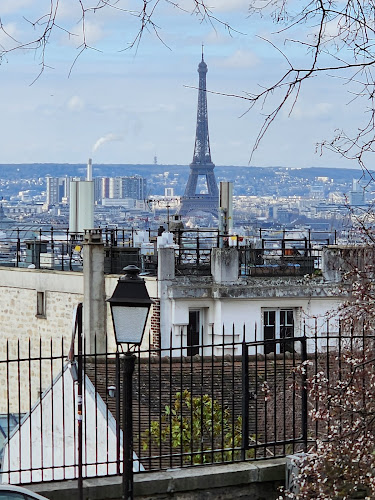
Square Nadar

La Quatrième Pomme de Frank Scurti
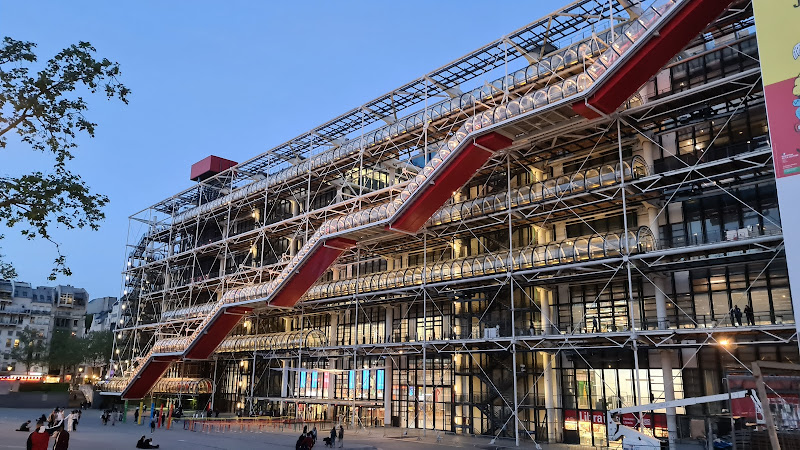
The Centre Pompidou
Find Accommodations Nearby
Recommended Tours & Activities
Visitor Reviews
There are no reviews yet. Be the first one to write one.
Share Your Experience
Have you visited Père Lachaise Cemetery? Help other travelers by leaving a review.