

Pelotas
About Pelotas
Description
Pelotas, tucked away in the far south of Brazil’s Rio Grande do Sul, has this quiet charm that sneaks up on you. It’s not the kind of city that shouts for attention — it hums with history, sweetness, and a sense of pride that you can feel in its cobblestone streets. Known as the National Capital of Sweets, Pelotas has built its reputation on traditional confections called “doces,” recipes handed down through generations since the 19th century. You can literally smell the sugar and caramel wafting through the old colonial streets during local festivals. It’s the kind of place where you slow down, wander aimlessly, and end up discovering something delightful at every corner.
The city is the fourth largest in Rio Grande do Sul, sitting about 270 kilometers from Porto Alegre and not far from the Uruguayan border. Its European-style architecture reflects the influence of Portuguese, German, and Italian immigrants who shaped much of its personality. Walking through Pelotas feels a little like stepping back in time — ornate facades, pastel-colored mansions, and iron balconies that whisper stories of an elegant past. Yet, somehow, it doesn’t feel stuck in history. There’s a youthful energy here too, thanks to its universities and thriving cultural scene. The mix of old and new gives Pelotas a distinctive flavor — like a recipe perfected over time but with a modern twist.
One of the things that struck me most when I first visited was how genuine the locals are. They’ll stop to chat, offer you a sweet (probably a “quindim” or “camafeu”), and tell you about their city as if it were a dear friend. Pelotas isn’t a polished tourist trap — it’s authentic, sometimes a bit rough around the edges, but always warm. The city’s slower rhythm is contagious. You’ll find yourself lingering over coffee at the Café Aquários, watching the world go by, or strolling through Praça Coronel Pedro Osório, where the trees seem to hold centuries of stories.
Key Features
- Architectural Heritage: Dozens of preserved 19th-century buildings, including the grand Theatro Sete de Abril and the Public Market, showcase Pelotas’ historical wealth.
- National Capital of Sweets: Home to the famous “Fenadoce” festival, celebrating traditional confectionery with over 300 types of local sweets.
- Cultural Scene: A strong mix of music, theater, and art events throughout the year, often tied to the city’s university culture.
- Natural Beauty: Proximity to Lagoa dos Patos — one of the largest lagoons in the world — offers scenic views, birdwatching, and peaceful waterfront experiences.
- Local Cuisine: Rich southern Brazilian flavors with a touch of European influence — think hearty churrasco, seafood stews, and buttery pastries.
- Festivals & Events: Fenadoce (sweet festival), Semana Farroupilha (gaucho culture celebration), and the Pelotas Carnival bring color and tradition to the streets.
- Friendly Locals: Pelotenses are known for their warmth and hospitality, always ready to share stories and traditions.
Best Time to Visit
Honestly, Pelotas can be enjoyed year-round, but if you want to experience the city at its sweetest, plan your trip between May and June when the Fenadoce festival takes over. The air fills with the scent of sugar, and you can sample treats from hundreds of local confectioners under one roof — it’s a dream for anyone with a sweet tooth. The weather around that time is mild, hovering between 15°C and 22°C, which makes wandering through the historic center quite pleasant.
Summer (December to March) brings warmer temperatures, sometimes hitting 30°C, and a more relaxed, vacation-like vibe — perfect if you want to spend time by Lagoa dos Patos or enjoy outdoor cafés. Winter, on the other hand, can be chilly and damp, but there’s a cozy charm to sipping chimarrão (a traditional herbal tea) while wrapped in a blanket watching the drizzle outside. If you’re into photography, autumn’s golden tones make the city even more picturesque.
How to Get There
Getting to Pelotas is easier than you might think, though it’s a bit off the main tourist trail. The city has its own airport — João Simões Lopes Neto Airport — with regular flights from Porto Alegre and São Paulo. If you’re coming from Porto Alegre, you can also take a scenic bus ride that lasts around four hours, passing through rolling countryside and small gaucho towns along the way. I’ve done that trip myself, and honestly, it’s one of those rides where you just lean your head against the window and watch Brazil’s southern landscapes unfold like a moving painting.
For those driving, the BR-116 highway connects Pelotas to Porto Alegre and the Uruguayan border, making it a convenient stop if you’re doing a road trip through southern Brazil or heading toward Uruguay. Once in the city, getting around is easy — taxis, rideshare apps, and local buses are all available, but the historic center is best explored on foot. The streets are compact, and half the fun is stumbling upon hidden bakeries or antique shops that don’t show up on maps.
Tips for Visiting
Here’s the thing — Pelotas isn’t a city you rush through. Take your time. Start your mornings with a strong Brazilian coffee and a “pastel de Santa Clara,” then just wander. The architecture alone could fill an entire afternoon if you’re into photography or history. I recommend visiting the Charqueadas — old estates where dried beef was produced in the 19th century — they’re fascinating windows into the city’s economic past. Some have been restored and turned into museums or event spaces, and they often host cultural performances.
When it comes to sweets, don’t just stick to the big-name confectioneries. Some of the best “doces de Pelotas” are made in tiny family-run shops tucked away on quiet streets. Ask locals where they buy their favorites — they’ll usually point you toward a hidden gem. And if you’re lucky enough to visit during Fenadoce, bring an extra bag because you’ll want to take some treats home. Trust me on that one; I once left with a box so full of sweets that I had to check it as luggage.
Safety-wise, Pelotas is generally calm, especially in the central and tourist-friendly areas, though it’s always wise to take normal precautions — avoid flashing valuables and stick to well-lit streets at night. The city’s public spaces are lively but not overcrowded, and you’ll often find street musicians playing traditional gaucho tunes in the evenings. It’s those little moments that stay with you long after you’ve left.
For day trips, consider heading to São Lourenço do Sul, about an hour away, where you can enjoy beaches along the lagoon. Or, if you’re into nature, explore the nearby wetlands that attract migratory birds — it’s a paradise for birdwatchers. And don’t skip a visit to the local market — it’s not just about food; it’s where you feel the pulse of the city, where conversations flow as easily as the coffee.
Pelotas may not be the most famous Brazilian destination, but that’s part of its charm. It’s a place that rewards curiosity and patience. It’s where history, sweetness, and southern warmth blend into something quietly unforgettable. If you love discovering places that feel lived-in and real, Pelotas will probably steal a little piece of your heart — just like it did mine.
Key Features
- Key Features
- Best Time to Visit
- How to Get There
- Tips for Visiting
More Details
Updated December 1, 2025
Table of Contents
Description
Pelotas, tucked away in the far south of Brazil’s Rio Grande do Sul, has this quiet charm that sneaks up on you. It’s not the kind of city that shouts for attention — it hums with history, sweetness, and a sense of pride that you can feel in its cobblestone streets. Known as the National Capital of Sweets, Pelotas has built its reputation on traditional confections called “doces,” recipes handed down through generations since the 19th century. You can literally smell the sugar and caramel wafting through the old colonial streets during local festivals. It’s the kind of place where you slow down, wander aimlessly, and end up discovering something delightful at every corner.
The city is the fourth largest in Rio Grande do Sul, sitting about 270 kilometers from Porto Alegre and not far from the Uruguayan border. Its European-style architecture reflects the influence of Portuguese, German, and Italian immigrants who shaped much of its personality. Walking through Pelotas feels a little like stepping back in time — ornate facades, pastel-colored mansions, and iron balconies that whisper stories of an elegant past. Yet, somehow, it doesn’t feel stuck in history. There’s a youthful energy here too, thanks to its universities and thriving cultural scene. The mix of old and new gives Pelotas a distinctive flavor — like a recipe perfected over time but with a modern twist.
One of the things that struck me most when I first visited was how genuine the locals are. They’ll stop to chat, offer you a sweet (probably a “quindim” or “camafeu”), and tell you about their city as if it were a dear friend. Pelotas isn’t a polished tourist trap — it’s authentic, sometimes a bit rough around the edges, but always warm. The city’s slower rhythm is contagious. You’ll find yourself lingering over coffee at the Café Aquários, watching the world go by, or strolling through Praça Coronel Pedro Osório, where the trees seem to hold centuries of stories.
Key Features
- Architectural Heritage: Dozens of preserved 19th-century buildings, including the grand Theatro Sete de Abril and the Public Market, showcase Pelotas’ historical wealth.
- National Capital of Sweets: Home to the famous “Fenadoce” festival, celebrating traditional confectionery with over 300 types of local sweets.
- Cultural Scene: A strong mix of music, theater, and art events throughout the year, often tied to the city’s university culture.
- Natural Beauty: Proximity to Lagoa dos Patos — one of the largest lagoons in the world — offers scenic views, birdwatching, and peaceful waterfront experiences.
- Local Cuisine: Rich southern Brazilian flavors with a touch of European influence — think hearty churrasco, seafood stews, and buttery pastries.
- Festivals & Events: Fenadoce (sweet festival), Semana Farroupilha (gaucho culture celebration), and the Pelotas Carnival bring color and tradition to the streets.
- Friendly Locals: Pelotenses are known for their warmth and hospitality, always ready to share stories and traditions.
Best Time to Visit
Honestly, Pelotas can be enjoyed year-round, but if you want to experience the city at its sweetest, plan your trip between May and June when the Fenadoce festival takes over. The air fills with the scent of sugar, and you can sample treats from hundreds of local confectioners under one roof — it’s a dream for anyone with a sweet tooth. The weather around that time is mild, hovering between 15°C and 22°C, which makes wandering through the historic center quite pleasant.
Summer (December to March) brings warmer temperatures, sometimes hitting 30°C, and a more relaxed, vacation-like vibe — perfect if you want to spend time by Lagoa dos Patos or enjoy outdoor cafés. Winter, on the other hand, can be chilly and damp, but there’s a cozy charm to sipping chimarrão (a traditional herbal tea) while wrapped in a blanket watching the drizzle outside. If you’re into photography, autumn’s golden tones make the city even more picturesque.
How to Get There
Getting to Pelotas is easier than you might think, though it’s a bit off the main tourist trail. The city has its own airport — João Simões Lopes Neto Airport — with regular flights from Porto Alegre and São Paulo. If you’re coming from Porto Alegre, you can also take a scenic bus ride that lasts around four hours, passing through rolling countryside and small gaucho towns along the way. I’ve done that trip myself, and honestly, it’s one of those rides where you just lean your head against the window and watch Brazil’s southern landscapes unfold like a moving painting.
For those driving, the BR-116 highway connects Pelotas to Porto Alegre and the Uruguayan border, making it a convenient stop if you’re doing a road trip through southern Brazil or heading toward Uruguay. Once in the city, getting around is easy — taxis, rideshare apps, and local buses are all available, but the historic center is best explored on foot. The streets are compact, and half the fun is stumbling upon hidden bakeries or antique shops that don’t show up on maps.
Tips for Visiting
Here’s the thing — Pelotas isn’t a city you rush through. Take your time. Start your mornings with a strong Brazilian coffee and a “pastel de Santa Clara,” then just wander. The architecture alone could fill an entire afternoon if you’re into photography or history. I recommend visiting the Charqueadas — old estates where dried beef was produced in the 19th century — they’re fascinating windows into the city’s economic past. Some have been restored and turned into museums or event spaces, and they often host cultural performances.
When it comes to sweets, don’t just stick to the big-name confectioneries. Some of the best “doces de Pelotas” are made in tiny family-run shops tucked away on quiet streets. Ask locals where they buy their favorites — they’ll usually point you toward a hidden gem. And if you’re lucky enough to visit during Fenadoce, bring an extra bag because you’ll want to take some treats home. Trust me on that one; I once left with a box so full of sweets that I had to check it as luggage.
Safety-wise, Pelotas is generally calm, especially in the central and tourist-friendly areas, though it’s always wise to take normal precautions — avoid flashing valuables and stick to well-lit streets at night. The city’s public spaces are lively but not overcrowded, and you’ll often find street musicians playing traditional gaucho tunes in the evenings. It’s those little moments that stay with you long after you’ve left.
For day trips, consider heading to São Lourenço do Sul, about an hour away, where you can enjoy beaches along the lagoon. Or, if you’re into nature, explore the nearby wetlands that attract migratory birds — it’s a paradise for birdwatchers. And don’t skip a visit to the local market — it’s not just about food; it’s where you feel the pulse of the city, where conversations flow as easily as the coffee.
Pelotas may not be the most famous Brazilian destination, but that’s part of its charm. It’s a place that rewards curiosity and patience. It’s where history, sweetness, and southern warmth blend into something quietly unforgettable. If you love discovering places that feel lived-in and real, Pelotas will probably steal a little piece of your heart — just like it did mine.
Key Highlights
- Key Features
- Best Time to Visit
- How to Get There
- Tips for Visiting
Location
Places to Stay Near Pelotas
Find and Book a Tour
Explore More Travel Guides
No reviews found! Be the first to review!
Traveler Reviews for Pelotas
There are no reviews yet. Be the first one to write one.
Have you visited Pelotas? Help other travelers by sharing your review.
You Might Also Like

Hotel Westphal
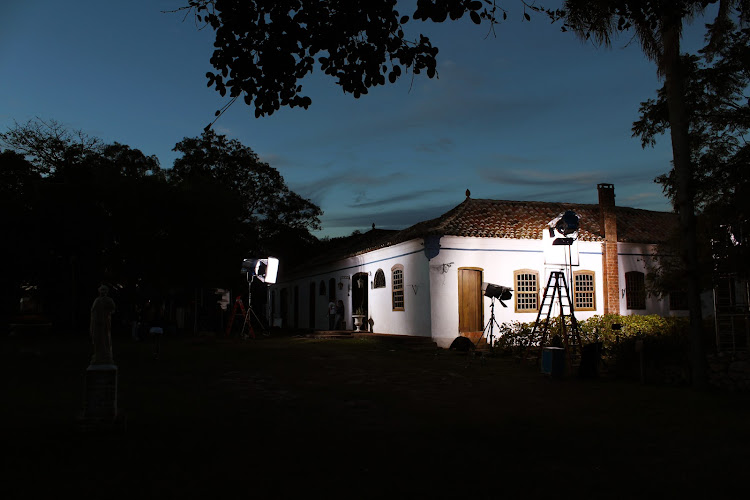
Charqueada São João

Buffet Griep
Find Accommodations Nearby
Recommended Tours & Activities
Visitor Reviews
There are no reviews yet. Be the first one to write one.
Share Your Experience
Have you visited Pelotas? Help other travelers by leaving a review.