

Pasaje Rubio
About Pasaje Rubio
Description
Pasaje Rubio stands as one of those hidden architectural treasures that somehow manages to blend historic charm with contemporary shopping experiences in a way that feels completely natural. This covered passageway has been drawing both locals and curious travelers for years, and honestly, it's not hard to see why once you step inside. The space itself serves as a small shopping arcade that specializes primarily in jewelry, though you'll find it's much more than just another place to browse sparkly things. Walking through Pasaje Rubio feels a bit like stepping into a different era – the architectural details speak to an older time when these covered passages were all the rage in urban design. And yet, the businesses inside are thoroughly modern, creating this interesting juxtaposition that makes the experience memorable. What strikes most visitors first is the intimate scale of the place. This isn't one of those massive shopping centers where you need a map and comfortable shoes just to survive the afternoon. Instead, Pasaje Rubio offers a more curated, walkable experience where you can actually take your time examining craftsmanship without feeling overwhelmed by crowds or noise. The jewelry vendors here have built their reputations over time, and many travelers report finding unique pieces they'd never encounter in typical tourist shops. The passage maintains its character through careful preservation of original architectural elements while accommodating modern needs. You'll notice the attention to detail in the ceiling work, the way natural light filters through, and the general ambiance that makes browsing feel less like shopping and more like exploration. It's the kind of place where even people who claim they "don't do shopping" find themselves lingering longer than expected.Key Features
Visitors to Pasaje Rubio can expect several standout features that enhance their experience: • Complete wheelchair accessibility throughout the entrance and passageway, making it welcoming for all travelers regardless of mobility needs • Extensive jewelry selection from multiple vendors, offering everything from contemporary designs to more traditional pieces that reflect local craftsmanship • Full modern payment options including credit cards, debit cards, and NFC mobile payments – you won't need to worry about carrying excessive cash • Onsite services that provide personalized attention and expert guidance when selecting pieces or learning about jewelry care • Historic architectural details preserved within the passage structure, creating an atmospheric setting that photography enthusiasts particularly appreciate • Protection from weather elements thanks to the covered design, making it an excellent option during rainy days or when you need a break from intense sun • Central location that makes it easy to incorporate into broader walking tours of the surrounding area • Intimate shopping environment that allows for genuine conversations with vendors and personalized service rarely found in larger commercial spacesBest Time to Visit
Timing your visit to Pasaje Rubio can genuinely affect your experience, though I'd argue it's less critical here than at some outdoor attractions. The covered nature of the passage means you're protected from weather conditions, which gives you more flexibility than you'd have at open-air markets or outdoor sites. Weekday mornings tend to offer the most relaxed browsing experience. You'll have more opportunities for one-on-one conversations with the jewelry vendors, and the passage won't feel crowded. I've found that arriving around mid-morning – say between 10 AM and noon – hits that sweet spot where everything's fully open but the lunch rush hasn't begun. But weekends have their own appeal, especially if you enjoy a bit more energy in your shopping experience. Saturday afternoons bring a mix of locals and tourists, creating a lively atmosphere without becoming overwhelming. You might wait a bit longer for assistance, though the vendors here are generally good about acknowledging everyone who comes through. Avoiding peak tourist season entirely isn't really necessary for Pasaje Rubio since the indoor setting naturally limits overcrowding. However, visiting during shoulder seasons – those periods just before or after the main tourist influx – can offer slight advantages in terms of vendor availability and a more relaxed pace. Late afternoons, particularly on weekdays, can be surprisingly peaceful. Many day-trippers have moved on to other activities, and you'll find the passage takes on a different character as natural light shifts through the architecture. It's actually quite lovely for photography if that's something you're into. Consider your own shopping style when planning your visit. If you're someone who likes to take time examining pieces, asking questions, and really considering purchases, definitely aim for those quieter periods. If you prefer the energy of busier times and don't mind waiting a bit for attention, weekends work perfectly fine.How to Get There
Getting to Pasaje Rubio proves fairly straightforward for most travelers, though it helps to have a general sense of the surrounding area before you set out. The passage occupies a central location that's accessible through various transportation methods. Walking remains the most popular option for visitors already exploring the downtown area. The surrounding streets are generally pedestrian-friendly, and many travelers incorporate Pasaje Rubio into longer walking tours that hit multiple points of interest. Just keep comfortable shoes in mind – not because the passage itself requires them, but because you'll likely be doing quite a bit of urban exploration in the vicinity. Public transportation serves the area well. Several bus routes pass within a few blocks of Pasaje Rubio, and you'll find that asking locals for directions typically yields helpful responses. Most people in the area know the passage and can point you in the right direction if you get turned around. Taxis and ride-sharing services can drop you very close to the entrance, which makes things convenient if you're coming from farther away or carrying purchases from earlier shopping stops. The drivers usually know the location by name, though having a map application ready as backup never hurts. If you're driving yourself, be aware that parking directly at Pasaje Rubio isn't really an option given its location within a pedestrian-focused area. You'll need to find parking in nearby facilities or street parking a few blocks away. Honestly, driving isn't the recommended approach unless you have mobility concerns that make walking from farther distances impractical. Metro access – if available in the city – typically puts you within reasonable walking distance as well. Check which station serves the downtown core most effectively and plan your route from there. The entrance itself can be a bit subtle if you're not looking carefully. Unlike massive shopping centers with obvious signage, Pasaje Rubio maintains a more understated presence that blends with the surrounding architecture. Keep your eyes open for the passage entrance, and don't hesitate to ask nearby shopkeepers if you're having trouble locating it.Tips for Visiting
Making the most of your Pasaje Rubio experience comes down to approaching it with the right mindset and a few practical considerations that frequent visitors have learned over time. First off, take your time. This isn't the kind of place you rush through in fifteen minutes. The jewelry here deserves actual examination, and the vendors appreciate customers who show genuine interest in craftsmanship. I've seen too many travelers blow through too quickly and then regret not spending more time once they're down the street. Engage with the vendors directly. Most are incredibly knowledgeable about their pieces and happy to share information about materials, techniques, and design inspiration. These conversations often prove more valuable than any guidebook description. And don't be shy about asking questions – it's literally part of the experience here. Photography is generally welcomed, but always ask permission before photographing specific jewelry pieces or vendor displays. It's just good manners, and you'll often get better photo opportunities when vendors know what you're trying to capture. Budget considerations matter here. Yes, you'll find pieces at various price points, but quality jewelry requires appropriate investment. Set a realistic budget before you arrive, but also stay somewhat flexible if you encounter something truly special. Many travelers report finding pieces that became treasured keepsakes from their journey. Payment flexibility is excellent here with modern options accepted, but having some cash on hand never hurts for potential small purchases or tips. Though most transactions run smoothly through electronic payment, occasional technical hiccups do happen. Visit multiple vendors before committing to a purchase. The passage houses several jewelry specialists, and taking time to compare offerings helps ensure you're truly getting what you want. Vendors understand this approach and won't pressure you into hasty decisions. Consider the practical aspects of traveling with jewelry purchases. If you're buying valuable pieces, think about how you'll transport them safely, whether customs declarations might apply when returning home, and if insurance considerations come into play. The accessibility features here are genuinely functional, not just token gestures. If you or travel companions have mobility needs, rest assured the wheelchair accessible entrance actually works well and the passage layout accommodates everyone comfortably. Don't overlook the architectural experience itself. While jewelry draws most visitors, the passage structure deserves attention too. Look up occasionally, notice the details, appreciate how the space was designed. It adds depth to the overall experience. Local context helps. Understanding something about the area's jewelry traditions, if applicable, makes examining pieces more meaningful. Some vendors are happy to provide this context, while others stick to discussing their specific offerings. And finally, treat this as an experience rather than just a shopping errand. Whether you end up purchasing anything or simply browse and absorb the atmosphere, Pasaje Rubio offers something beyond mere commerce – it provides a glimpse into how historic commercial spaces continue functioning in contemporary urban environments while maintaining their essential character.Key Features
- Key Features
- Best Time to Visit
- How to Get There
- Tips for Visiting
More Details
Updated March 30, 2026
Table of Contents
Description
Pasaje Rubio stands as one of those hidden architectural treasures that somehow manages to blend historic charm with contemporary shopping experiences in a way that feels completely natural. This covered passageway has been drawing both locals and curious travelers for years, and honestly, it’s not hard to see why once you step inside.
The space itself serves as a small shopping arcade that specializes primarily in jewelry, though you’ll find it’s much more than just another place to browse sparkly things. Walking through Pasaje Rubio feels a bit like stepping into a different era – the architectural details speak to an older time when these covered passages were all the rage in urban design. And yet, the businesses inside are thoroughly modern, creating this interesting juxtaposition that makes the experience memorable.
What strikes most visitors first is the intimate scale of the place. This isn’t one of those massive shopping centers where you need a map and comfortable shoes just to survive the afternoon. Instead, Pasaje Rubio offers a more curated, walkable experience where you can actually take your time examining craftsmanship without feeling overwhelmed by crowds or noise. The jewelry vendors here have built their reputations over time, and many travelers report finding unique pieces they’d never encounter in typical tourist shops.
The passage maintains its character through careful preservation of original architectural elements while accommodating modern needs. You’ll notice the attention to detail in the ceiling work, the way natural light filters through, and the general ambiance that makes browsing feel less like shopping and more like exploration. It’s the kind of place where even people who claim they “don’t do shopping” find themselves lingering longer than expected.
Key Features
Visitors to Pasaje Rubio can expect several standout features that enhance their experience:
• Complete wheelchair accessibility throughout the entrance and passageway, making it welcoming for all travelers regardless of mobility needs
• Extensive jewelry selection from multiple vendors, offering everything from contemporary designs to more traditional pieces that reflect local craftsmanship
• Full modern payment options including credit cards, debit cards, and NFC mobile payments – you won’t need to worry about carrying excessive cash
• Onsite services that provide personalized attention and expert guidance when selecting pieces or learning about jewelry care
• Historic architectural details preserved within the passage structure, creating an atmospheric setting that photography enthusiasts particularly appreciate
• Protection from weather elements thanks to the covered design, making it an excellent option during rainy days or when you need a break from intense sun
• Central location that makes it easy to incorporate into broader walking tours of the surrounding area
• Intimate shopping environment that allows for genuine conversations with vendors and personalized service rarely found in larger commercial spaces
Best Time to Visit
Timing your visit to Pasaje Rubio can genuinely affect your experience, though I’d argue it’s less critical here than at some outdoor attractions. The covered nature of the passage means you’re protected from weather conditions, which gives you more flexibility than you’d have at open-air markets or outdoor sites.
Weekday mornings tend to offer the most relaxed browsing experience. You’ll have more opportunities for one-on-one conversations with the jewelry vendors, and the passage won’t feel crowded. I’ve found that arriving around mid-morning – say between 10 AM and noon – hits that sweet spot where everything’s fully open but the lunch rush hasn’t begun.
But weekends have their own appeal, especially if you enjoy a bit more energy in your shopping experience. Saturday afternoons bring a mix of locals and tourists, creating a lively atmosphere without becoming overwhelming. You might wait a bit longer for assistance, though the vendors here are generally good about acknowledging everyone who comes through.
Avoiding peak tourist season entirely isn’t really necessary for Pasaje Rubio since the indoor setting naturally limits overcrowding. However, visiting during shoulder seasons – those periods just before or after the main tourist influx – can offer slight advantages in terms of vendor availability and a more relaxed pace.
Late afternoons, particularly on weekdays, can be surprisingly peaceful. Many day-trippers have moved on to other activities, and you’ll find the passage takes on a different character as natural light shifts through the architecture. It’s actually quite lovely for photography if that’s something you’re into.
Consider your own shopping style when planning your visit. If you’re someone who likes to take time examining pieces, asking questions, and really considering purchases, definitely aim for those quieter periods. If you prefer the energy of busier times and don’t mind waiting a bit for attention, weekends work perfectly fine.
How to Get There
Getting to Pasaje Rubio proves fairly straightforward for most travelers, though it helps to have a general sense of the surrounding area before you set out. The passage occupies a central location that’s accessible through various transportation methods.
Walking remains the most popular option for visitors already exploring the downtown area. The surrounding streets are generally pedestrian-friendly, and many travelers incorporate Pasaje Rubio into longer walking tours that hit multiple points of interest. Just keep comfortable shoes in mind – not because the passage itself requires them, but because you’ll likely be doing quite a bit of urban exploration in the vicinity.
Public transportation serves the area well. Several bus routes pass within a few blocks of Pasaje Rubio, and you’ll find that asking locals for directions typically yields helpful responses. Most people in the area know the passage and can point you in the right direction if you get turned around.
Taxis and ride-sharing services can drop you very close to the entrance, which makes things convenient if you’re coming from farther away or carrying purchases from earlier shopping stops. The drivers usually know the location by name, though having a map application ready as backup never hurts.
If you’re driving yourself, be aware that parking directly at Pasaje Rubio isn’t really an option given its location within a pedestrian-focused area. You’ll need to find parking in nearby facilities or street parking a few blocks away. Honestly, driving isn’t the recommended approach unless you have mobility concerns that make walking from farther distances impractical.
Metro access – if available in the city – typically puts you within reasonable walking distance as well. Check which station serves the downtown core most effectively and plan your route from there.
The entrance itself can be a bit subtle if you’re not looking carefully. Unlike massive shopping centers with obvious signage, Pasaje Rubio maintains a more understated presence that blends with the surrounding architecture. Keep your eyes open for the passage entrance, and don’t hesitate to ask nearby shopkeepers if you’re having trouble locating it.
Tips for Visiting
Making the most of your Pasaje Rubio experience comes down to approaching it with the right mindset and a few practical considerations that frequent visitors have learned over time.
First off, take your time. This isn’t the kind of place you rush through in fifteen minutes. The jewelry here deserves actual examination, and the vendors appreciate customers who show genuine interest in craftsmanship. I’ve seen too many travelers blow through too quickly and then regret not spending more time once they’re down the street.
Engage with the vendors directly. Most are incredibly knowledgeable about their pieces and happy to share information about materials, techniques, and design inspiration. These conversations often prove more valuable than any guidebook description. And don’t be shy about asking questions – it’s literally part of the experience here.
Photography is generally welcomed, but always ask permission before photographing specific jewelry pieces or vendor displays. It’s just good manners, and you’ll often get better photo opportunities when vendors know what you’re trying to capture.
Budget considerations matter here. Yes, you’ll find pieces at various price points, but quality jewelry requires appropriate investment. Set a realistic budget before you arrive, but also stay somewhat flexible if you encounter something truly special. Many travelers report finding pieces that became treasured keepsakes from their journey.
Payment flexibility is excellent here with modern options accepted, but having some cash on hand never hurts for potential small purchases or tips. Though most transactions run smoothly through electronic payment, occasional technical hiccups do happen.
Visit multiple vendors before committing to a purchase. The passage houses several jewelry specialists, and taking time to compare offerings helps ensure you’re truly getting what you want. Vendors understand this approach and won’t pressure you into hasty decisions.
Consider the practical aspects of traveling with jewelry purchases. If you’re buying valuable pieces, think about how you’ll transport them safely, whether customs declarations might apply when returning home, and if insurance considerations come into play.
The accessibility features here are genuinely functional, not just token gestures. If you or travel companions have mobility needs, rest assured the wheelchair accessible entrance actually works well and the passage layout accommodates everyone comfortably.
Don’t overlook the architectural experience itself. While jewelry draws most visitors, the passage structure deserves attention too. Look up occasionally, notice the details, appreciate how the space was designed. It adds depth to the overall experience.
Local context helps. Understanding something about the area’s jewelry traditions, if applicable, makes examining pieces more meaningful. Some vendors are happy to provide this context, while others stick to discussing their specific offerings.
And finally, treat this as an experience rather than just a shopping errand. Whether you end up purchasing anything or simply browse and absorb the atmosphere, Pasaje Rubio offers something beyond mere commerce – it provides a glimpse into how historic commercial spaces continue functioning in contemporary urban environments while maintaining their essential character.
Key Highlights
- Key Features
- Best Time to Visit
- How to Get There
- Tips for Visiting
Location
Places to Stay Near Pasaje Rubio
Find and Book a Tour
Explore More Travel Guides
No reviews found! Be the first to review!
Pasaje Rubio is a prominent attractions located in Guatemala City.
Visit us at: JFRP+99W, 9A Calle, Cdad. de Guatemala, Guatemala.
Traveler Reviews for Pasaje Rubio
There are no reviews yet. Be the first one to write one.
Have you visited Pasaje Rubio? Help other travelers by sharing your review.
You Might Also Like

Aldea Lo de Mejía

Zone 5
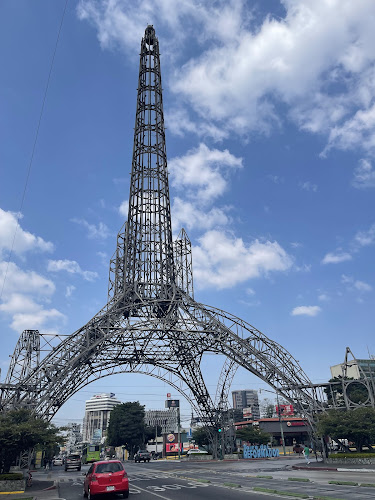
Torre del Reformador
Find Accommodations Nearby
Recommended Tours & Activities
Visitor Reviews
There are no reviews yet. Be the first one to write one.
Share Your Experience
Have you visited Pasaje Rubio? Help other travelers by leaving a review.