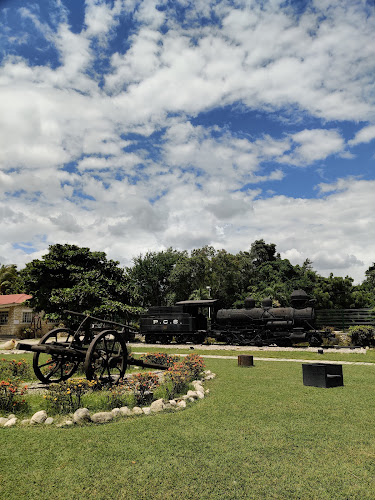
About Parc Historique De La Canne À Sucre

Description

Parc Historique De La Canne À Sucre is one of those places that quietly sneaks up on you. At first glance, it looks like a peaceful green space just outside Port-au-Prince, but spend a little time wandering around, and you’ll feel the layers of history unfolding right under your feet. This open-air museum was once a working sugar plantation, and it tells a story that’s as much about Haiti’s fight for freedom as it is about the people who shaped its identity. You can almost hear the echo of the sugar mills, the clinking of metal tools, and the hum of workers who once toiled here. It’s humbling, honestly.

The park doesn’t feel overly polished or commercialized, which, in my opinion, adds to its authenticity. You’ll find restored colonial-style buildings, old sugar presses, and massive iron boilers that once powered the mill. There’s a certain stillness in the air—like the place remembers. But what makes it special is how it bridges the past and present. Families come here for picnics, kids run around the open lawns, and school groups gather under shady mango trees to learn about the country’s roots. It’s history that breathes, not just something trapped behind glass.

I remember the first time I visited; it was on a warm afternoon, and the smell of sugarcane juice from a nearby vendor filled the air. I sat on a stone bench, watching a local guide passionately recount stories of the Haitian Revolution. It struck me then how much the park represents resilience. It’s not just about the sugar industry—it’s about the people who turned oppression into strength. And that’s something worth seeing firsthand.

Key Features

  • Open-air museum showcasing restored sugarcane mills, colonial buildings, and historical artifacts from Haiti’s plantation era.
  • Educational exhibits that trace the evolution of sugar production and its deep ties to Haiti’s independence movement.
  • Spacious grounds perfect for picnics, family outings, and even kids’ birthday celebrations.
  • Wheelchair-accessible entrances and parking, making it inclusive for all visitors.
  • Public restrooms conveniently located throughout the park.
  • Pet-friendly environment—dogs are welcome, so you don’t have to leave your furry friend behind.
  • Guided tours available in both French and English, offering deeper insight into the site’s cultural and historical significance.
  • Occasional cultural events and exhibitions that celebrate Haitian art, music, and cuisine.

One of the coolest parts, if you ask me, is the collection of old machinery. Some of the presses and boilers date back over a century, and you can still see the wear from years of hard labor. It’s a bit haunting but also strangely beautiful. The park isn’t just about looking—it’s about feeling. You walk through it, and you sense the endurance of a people who refused to be broken.

Best Time to Visit

If you want to make the most of your trip, plan to visit between November and April. That’s the dry season in Haiti, and the weather is usually sunny but not unbearably hot. The light during these months is perfect for photography—the kind that makes every rusted wheel and old stone wall look cinematic. Early mornings are lovely too; the air feels fresh, and you might catch the staff prepping for school groups or local tours.

That said, there’s also something to be said for visiting after a light rain. The grounds turn this lush, deep green, and the scent of the earth mixes with the faint sweetness of sugarcane. It’s not the most comfortable time if you’re not a fan of humidity, but it’s real Haiti—alive, fragrant, and a little unpredictable. And honestly, that’s part of the charm.

How to Get There

Getting to the park is pretty straightforward if you’re staying in or around Port-au-Prince. It’s located in the Tabarre area, just a short drive from the city center. You can take a taxi or hire a local driver—most know exactly where it is since it’s a popular stop for both tourists and locals. If you’re the adventurous type, moto-taxis are also an option, though I’d recommend that only if you don’t mind a bit of wind in your hair and the occasional bump in the road.

For those who prefer organized travel, many local tour operators include the park as part of a half-day or full-day cultural tour. That’s a good way to go if you want context and commentary along the way. Plus, you’ll probably get to visit nearby attractions like the Musée du Panthéon National Haïtien or the Iron Market afterward.

Parking is available on-site, and it’s free. The entrance is wheelchair accessible, which is great because not all historical sites in Haiti can say the same. If you’re using public transport, minibuses heading toward Tabarre usually pass nearby, but you’ll need to ask the driver to drop you close to the park entrance.

Tips for Visiting

Here’s the thing: Parc Historique De La Canne À Sucre isn’t the kind of place you rush through. Give yourself at least two hours to wander, read, and reflect. Bring water, sunscreen, and a hat—the sun can be relentless, especially around midday. There’s some shade, but not everywhere, and you’ll want to be comfortable while exploring.

If you’re traveling with kids, they’ll love the open space. It’s safe, clean, and full of little nooks to explore. And if you’re a history buff, definitely take the guided tour. The guides are locals who know the stories behind every brick and artifact. You’ll walk away not just with facts but with a deeper understanding of Haiti’s soul.

A few practical things: wear comfortable shoes (the paths are a mix of gravel and grass), and bring a small snack if you plan to stay long. There are vendors outside the park selling drinks and local treats, but it’s always good to be prepared. Oh, and don’t forget your camera—every corner of this place begs to be photographed.

One more tip from personal experience: take a moment to just sit quietly. Find a bench or a patch of grass and listen. Between the rustling leaves and distant chatter, you might catch the faint rhythm of history whispering through the air. It’s a reminder that the park isn’t just preserving the past—it’s keeping it alive.

Parc Historique De La Canne À Sucre is more than a tourist stop. It’s a living memory, a space where the weight of history meets the lightness of everyday life. Whether you’re a traveler chasing culture, a family looking for a meaningful outing, or someone simply curious about Haiti’s story, this park offers something rare: connection. And that, in my book, makes it worth every minute.

Key Features

  • Open-air museum showcasing restored sugarcane mills, colonial buildings, and historical artifacts from Haiti’s plantation era.
  • Educational exhibits that trace the evolution of sugar production and its deep ties to Haiti’s independence movement.
  • Spacious grounds perfect for picnics, family outings, and even kids’ birthday celebrations.
  • Wheelchair-accessible entrances and parking, making it inclusive for all visitors.
  • Public restrooms conveniently located throughout the park.
  • Pet-friendly environment—dogs are welcome, so you don’t have to leave your furry friend behind.
  • Guided tours available in both French and English, offering deeper insight into the site’s cultural and historical significance.
  • Occasional cultural events and exhibitions that celebrate Haitian art, music, and cuisine.

More Details

Updated October 9, 2025


Description

Parc Historique De La Canne À Sucre is one of those places that quietly sneaks up on you. At first glance, it looks like a peaceful green space just outside Port-au-Prince, but spend a little time wandering around, and you’ll feel the layers of history unfolding right under your feet. This open-air museum was once a working sugar plantation, and it tells a story that’s as much about Haiti’s fight for freedom as it is about the people who shaped its identity. You can almost hear the echo of the sugar mills, the clinking of metal tools, and the hum of workers who once toiled here. It’s humbling, honestly.

The park doesn’t feel overly polished or commercialized, which, in my opinion, adds to its authenticity. You’ll find restored colonial-style buildings, old sugar presses, and massive iron boilers that once powered the mill. There’s a certain stillness in the air—like the place remembers. But what makes it special is how it bridges the past and present. Families come here for picnics, kids run around the open lawns, and school groups gather under shady mango trees to learn about the country’s roots. It’s history that breathes, not just something trapped behind glass.

I remember the first time I visited; it was on a warm afternoon, and the smell of sugarcane juice from a nearby vendor filled the air. I sat on a stone bench, watching a local guide passionately recount stories of the Haitian Revolution. It struck me then how much the park represents resilience. It’s not just about the sugar industry—it’s about the people who turned oppression into strength. And that’s something worth seeing firsthand.

Key Features

  • Open-air museum showcasing restored sugarcane mills, colonial buildings, and historical artifacts from Haiti’s plantation era.
  • Educational exhibits that trace the evolution of sugar production and its deep ties to Haiti’s independence movement.
  • Spacious grounds perfect for picnics, family outings, and even kids’ birthday celebrations.
  • Wheelchair-accessible entrances and parking, making it inclusive for all visitors.
  • Public restrooms conveniently located throughout the park.
  • Pet-friendly environment—dogs are welcome, so you don’t have to leave your furry friend behind.
  • Guided tours available in both French and English, offering deeper insight into the site’s cultural and historical significance.
  • Occasional cultural events and exhibitions that celebrate Haitian art, music, and cuisine.

One of the coolest parts, if you ask me, is the collection of old machinery. Some of the presses and boilers date back over a century, and you can still see the wear from years of hard labor. It’s a bit haunting but also strangely beautiful. The park isn’t just about looking—it’s about feeling. You walk through it, and you sense the endurance of a people who refused to be broken.

Best Time to Visit

If you want to make the most of your trip, plan to visit between November and April. That’s the dry season in Haiti, and the weather is usually sunny but not unbearably hot. The light during these months is perfect for photography—the kind that makes every rusted wheel and old stone wall look cinematic. Early mornings are lovely too; the air feels fresh, and you might catch the staff prepping for school groups or local tours.

That said, there’s also something to be said for visiting after a light rain. The grounds turn this lush, deep green, and the scent of the earth mixes with the faint sweetness of sugarcane. It’s not the most comfortable time if you’re not a fan of humidity, but it’s real Haiti—alive, fragrant, and a little unpredictable. And honestly, that’s part of the charm.

How to Get There

Getting to the park is pretty straightforward if you’re staying in or around Port-au-Prince. It’s located in the Tabarre area, just a short drive from the city center. You can take a taxi or hire a local driver—most know exactly where it is since it’s a popular stop for both tourists and locals. If you’re the adventurous type, moto-taxis are also an option, though I’d recommend that only if you don’t mind a bit of wind in your hair and the occasional bump in the road.

For those who prefer organized travel, many local tour operators include the park as part of a half-day or full-day cultural tour. That’s a good way to go if you want context and commentary along the way. Plus, you’ll probably get to visit nearby attractions like the Musée du Panthéon National Haïtien or the Iron Market afterward.

Parking is available on-site, and it’s free. The entrance is wheelchair accessible, which is great because not all historical sites in Haiti can say the same. If you’re using public transport, minibuses heading toward Tabarre usually pass nearby, but you’ll need to ask the driver to drop you close to the park entrance.

Tips for Visiting

Here’s the thing: Parc Historique De La Canne À Sucre isn’t the kind of place you rush through. Give yourself at least two hours to wander, read, and reflect. Bring water, sunscreen, and a hat—the sun can be relentless, especially around midday. There’s some shade, but not everywhere, and you’ll want to be comfortable while exploring.

If you’re traveling with kids, they’ll love the open space. It’s safe, clean, and full of little nooks to explore. And if you’re a history buff, definitely take the guided tour. The guides are locals who know the stories behind every brick and artifact. You’ll walk away not just with facts but with a deeper understanding of Haiti’s soul.

A few practical things: wear comfortable shoes (the paths are a mix of gravel and grass), and bring a small snack if you plan to stay long. There are vendors outside the park selling drinks and local treats, but it’s always good to be prepared. Oh, and don’t forget your camera—every corner of this place begs to be photographed.

One more tip from personal experience: take a moment to just sit quietly. Find a bench or a patch of grass and listen. Between the rustling leaves and distant chatter, you might catch the faint rhythm of history whispering through the air. It’s a reminder that the park isn’t just preserving the past—it’s keeping it alive.

Parc Historique De La Canne À Sucre is more than a tourist stop. It’s a living memory, a space where the weight of history meets the lightness of everyday life. Whether you’re a traveler chasing culture, a family looking for a meaningful outing, or someone simply curious about Haiti’s story, this park offers something rare: connection. And that, in my book, makes it worth every minute.

Key Highlights

  • Open-air museum showcasing restored sugarcane mills, colonial buildings, and historical artifacts from Haiti’s plantation era.
  • Educational exhibits that trace the evolution of sugar production and its deep ties to Haiti’s independence movement.
  • Spacious grounds perfect for picnics, family outings, and even kids’ birthday celebrations.
  • Wheelchair-accessible entrances and parking, making it inclusive for all visitors.
  • Public restrooms conveniently located throughout the park.
  • Pet-friendly environment—dogs are welcome, so you don’t have to leave your furry friend behind.
  • Guided tours available in both French and English, offering deeper insight into the site’s cultural and historical significance.
  • Occasional cultural events and exhibitions that celebrate Haitian art, music, and cuisine.

Location

Places to Stay Near Parc Historique De La Canne À Sucre

Find and Book a Tour

Explore More Travel Guides

No reviews found! Be the first to review!

Traveler Reviews for Parc Historique De La Canne À Sucre

There are no reviews yet. Be the first one to write one.

Share Your Experience

Have you visited Parc Historique De La Canne À Sucre? Help other travelers by sharing your review.

Find Accommodations Nearby

Recommended Tours & Activities

Visitor Reviews

There are no reviews yet. Be the first one to write one.

Share Your Experience

Have you visited Parc Historique De La Canne À Sucre? Help other travelers by leaving a review.