
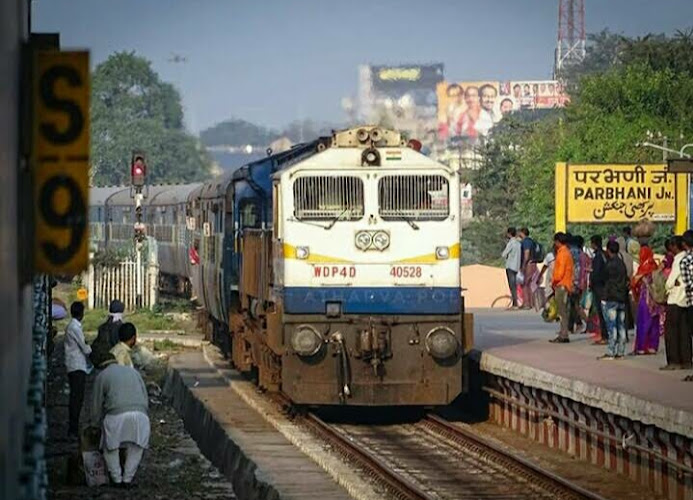
Parbhani
About Parbhani
Description
Parbhani sits in the heart of the Marathwada region of Maharashtra, and honestly, it’s one of those places that doesn’t try too hard to impress you. It just is. A proper working city, a district headquarters, and a daily-life kind of destination where you see India as it actually runs—slow buses, chai stalls, government offices, students rushing to class, farmers coming in from nearby villages. And if you’re the kind of traveler who likes real places more than postcard-perfect spots, Parbhani might quietly win you over. Geographically, it’s about 200 kilometers from Aurangabad and just under 500 kilometers from Mumbai, which already tells you something: Parbhani isn’t built for tourists who want instant gratification. It takes a bit of effort to get here, and maybe that’s why the city still feels grounded. I remember passing through Parbhani on a long train journey years ago, thinking it would just be a stop. I got down for tea, talked to a local bookseller near the station, and ended up staying the night. That’s Parbhani for you. It pulls you in without a flashy welcome sign. The city plays an important role in regional education and agriculture. Parbhani is especially known for agricultural research, with institutions focusing on dryland farming—something Marathwada badly needs. This shapes the vibe of the city. You’ll notice discussions about crops, rainfall, and soil conditions happening as casually as cricket scores. And yes, cricket is still king here, like most of India. Culturally, Parbhani feels very Maharashtrian, with strong local traditions, Marathi language dominance, and a food scene that’s simple but satisfying. This isn’t a luxury travel destination. But if you want to understand life in inland Maharashtra, beyond coastal clichés and big-city gloss, Parbhani delivers that lesson quietly and honestly. Some travelers may find it rough around the edges. Others, including me, find that refreshing.Key Features
- Administrative headquarters of Parbhani district, giving it political and civic importance
- One of the larger cities in the Marathwada region with a strong local economy
- Major center for agricultural education and research, especially dryland farming
- Deep-rooted Maharashtrian culture, language, and everyday traditions
- Local markets that reflect rural-urban life blending together
- Good base for understanding Marathwada’s social and economic realities
- Rail connectivity that makes it a functional transit point for the region
Best Time to Visit
If you ask me, timing your visit to Parbhani matters more than in many tourist cities. Summers can be unforgiving. Temperatures easily cross 40°C, and unless you grew up in similar heat, it can drain your energy fast. I once made the mistake of visiting in May. Bad idea. Even the locals looked tired, and afternoon walks were basically impossible. The best time to visit Parbhani is between October and February. Winters here are mild, sometimes even pleasant in the mornings and evenings. Days are comfortable enough to explore markets, walk around educational campuses, or just sit outside with a cutting chai without feeling like the sun is attacking you personally. This period also lines up with festivals, which gives you a peek into local customs and celebrations. Monsoon months, from June to September, are a mixed bag. On one hand, the landscape around Parbhani turns greener, and the heat drops. On the other, heavy rains can disrupt travel plans, and roads outside the city may get messy. If you enjoy monsoons and don’t mind a bit of unpredictability, it can still be a rewarding time to visit. Just pack patience along with your umbrella.How to Get There
Getting to Parbhani requires some planning, but it’s far from impossible. The city is well-connected by rail, and that’s honestly the most practical option for most travelers. Parbhani Junction is an important station on regional routes, with trains connecting it to major cities like Mumbai, Hyderabad, and Aurangabad. Train travel here feels very Indian in the classic sense—crowded sometimes, chatty passengers, vendors selling snacks. I actually enjoy that part, but you might feel differently. By road, Parbhani is accessible via state highways connecting it to other parts of Maharashtra and neighboring states. Buses run regularly, both government and private. If you’re driving yourself, expect long, straight stretches broken by sudden potholes. It’s manageable, but don’t rush. Roads in Marathwada teach patience whether you like it or not. The nearest major airport is in Aurangabad. From there, you’ll need to continue by road or rail. This extra step is exactly why Parbhani doesn’t see mass tourism. But if you’re already exploring interior Maharashtra, adding Parbhani to your route makes sense. It fits naturally into a slower, more thoughtful travel plan.Tips for Visiting
First things first: manage your expectations. Parbhani is not about monuments and museums. It’s about atmosphere, people, and daily life. Go in with curiosity rather than a checklist. That mindset changes everything. Dress simply and comfortably. The city is conservative in many ways, and blending in makes interactions smoother. Plus, you’ll walk more than you expect, especially if you like exploring local markets and neighborhoods. Comfortable footwear is non-negotiable. Food is another thing. Don’t expect fancy cafes. Look for small local eateries and street vendors. Bhakri, pitla, local vegetables, and simple Maharashtrian meals dominate. I once had the best home-style lunch here at a tiny place with no signboard. I only found it because a shopkeeper insisted I try it. Trust locals when they recommend food. They usually know. Language can be a barrier, but not a wall. Marathi is widely spoken, and Hindi works in many places. English is less common outside institutions and colleges. A few Marathi phrases go a long way. Even a basic namaskar changes how people respond to you. And people here are generally helpful, even if communication gets a bit messy. Hand gestures, smiles, and patience do the job. Accommodation options are functional rather than fancy. Choose places that are centrally located so you can move around easily. And don’t expect luxury amenities everywhere. Power cuts happen. Internet can be slow. It’s part of the deal. But if you’re okay with that, the experience feels more real. Finally, give yourself time. Parbhani doesn’t reveal itself in a rush. Sit at a tea stall. Watch students debate politics. Listen to farmers talk about rainfall predictions. These small moments stay with you longer than any selfie. If you let the city set the pace, rather than forcing your own, Parbhani becomes less of a stopover and more of a story you’ll tell later. And honestly, those are the best kind of travel stories.Key Features
- Administrative headquarters of Parbhani district, giving it political and civic importance
- One of the larger cities in the Marathwada region with a strong local economy
- Major center for agricultural education and research, especially dryland farming
- Deep-rooted Maharashtrian culture, language, and everyday traditions
- Local markets that reflect rural-urban life blending together
- Good base for understanding Marathwada’s social and economic realities
- Rail connectivity that makes it a functional transit point for the region
More Details
Updated December 31, 2025
Table of Contents
Description
Parbhani sits in the heart of the Marathwada region of Maharashtra, and honestly, it’s one of those places that doesn’t try too hard to impress you. It just is. A proper working city, a district headquarters, and a daily-life kind of destination where you see India as it actually runs—slow buses, chai stalls, government offices, students rushing to class, farmers coming in from nearby villages. And if you’re the kind of traveler who likes real places more than postcard-perfect spots, Parbhani might quietly win you over.
Geographically, it’s about 200 kilometers from Aurangabad and just under 500 kilometers from Mumbai, which already tells you something: Parbhani isn’t built for tourists who want instant gratification. It takes a bit of effort to get here, and maybe that’s why the city still feels grounded. I remember passing through Parbhani on a long train journey years ago, thinking it would just be a stop. I got down for tea, talked to a local bookseller near the station, and ended up staying the night. That’s Parbhani for you. It pulls you in without a flashy welcome sign.
The city plays an important role in regional education and agriculture. Parbhani is especially known for agricultural research, with institutions focusing on dryland farming—something Marathwada badly needs. This shapes the vibe of the city. You’ll notice discussions about crops, rainfall, and soil conditions happening as casually as cricket scores. And yes, cricket is still king here, like most of India.
Culturally, Parbhani feels very Maharashtrian, with strong local traditions, Marathi language dominance, and a food scene that’s simple but satisfying. This isn’t a luxury travel destination. But if you want to understand life in inland Maharashtra, beyond coastal clichés and big-city gloss, Parbhani delivers that lesson quietly and honestly. Some travelers may find it rough around the edges. Others, including me, find that refreshing.
Key Features
- Administrative headquarters of Parbhani district, giving it political and civic importance
- One of the larger cities in the Marathwada region with a strong local economy
- Major center for agricultural education and research, especially dryland farming
- Deep-rooted Maharashtrian culture, language, and everyday traditions
- Local markets that reflect rural-urban life blending together
- Good base for understanding Marathwada’s social and economic realities
- Rail connectivity that makes it a functional transit point for the region
Best Time to Visit
If you ask me, timing your visit to Parbhani matters more than in many tourist cities. Summers can be unforgiving. Temperatures easily cross 40°C, and unless you grew up in similar heat, it can drain your energy fast. I once made the mistake of visiting in May. Bad idea. Even the locals looked tired, and afternoon walks were basically impossible.
The best time to visit Parbhani is between October and February. Winters here are mild, sometimes even pleasant in the mornings and evenings. Days are comfortable enough to explore markets, walk around educational campuses, or just sit outside with a cutting chai without feeling like the sun is attacking you personally. This period also lines up with festivals, which gives you a peek into local customs and celebrations.
Monsoon months, from June to September, are a mixed bag. On one hand, the landscape around Parbhani turns greener, and the heat drops. On the other, heavy rains can disrupt travel plans, and roads outside the city may get messy. If you enjoy monsoons and don’t mind a bit of unpredictability, it can still be a rewarding time to visit. Just pack patience along with your umbrella.
How to Get There
Getting to Parbhani requires some planning, but it’s far from impossible. The city is well-connected by rail, and that’s honestly the most practical option for most travelers. Parbhani Junction is an important station on regional routes, with trains connecting it to major cities like Mumbai, Hyderabad, and Aurangabad. Train travel here feels very Indian in the classic sense—crowded sometimes, chatty passengers, vendors selling snacks. I actually enjoy that part, but you might feel differently.
By road, Parbhani is accessible via state highways connecting it to other parts of Maharashtra and neighboring states. Buses run regularly, both government and private. If you’re driving yourself, expect long, straight stretches broken by sudden potholes. It’s manageable, but don’t rush. Roads in Marathwada teach patience whether you like it or not.
The nearest major airport is in Aurangabad. From there, you’ll need to continue by road or rail. This extra step is exactly why Parbhani doesn’t see mass tourism. But if you’re already exploring interior Maharashtra, adding Parbhani to your route makes sense. It fits naturally into a slower, more thoughtful travel plan.
Tips for Visiting
First things first: manage your expectations. Parbhani is not about monuments and museums. It’s about atmosphere, people, and daily life. Go in with curiosity rather than a checklist. That mindset changes everything.
Dress simply and comfortably. The city is conservative in many ways, and blending in makes interactions smoother. Plus, you’ll walk more than you expect, especially if you like exploring local markets and neighborhoods. Comfortable footwear is non-negotiable.
Food is another thing. Don’t expect fancy cafes. Look for small local eateries and street vendors. Bhakri, pitla, local vegetables, and simple Maharashtrian meals dominate. I once had the best home-style lunch here at a tiny place with no signboard. I only found it because a shopkeeper insisted I try it. Trust locals when they recommend food. They usually know.
Language can be a barrier, but not a wall. Marathi is widely spoken, and Hindi works in many places. English is less common outside institutions and colleges. A few Marathi phrases go a long way. Even a basic namaskar changes how people respond to you. And people here are generally helpful, even if communication gets a bit messy. Hand gestures, smiles, and patience do the job.
Accommodation options are functional rather than fancy. Choose places that are centrally located so you can move around easily. And don’t expect luxury amenities everywhere. Power cuts happen. Internet can be slow. It’s part of the deal. But if you’re okay with that, the experience feels more real.
Finally, give yourself time. Parbhani doesn’t reveal itself in a rush. Sit at a tea stall. Watch students debate politics. Listen to farmers talk about rainfall predictions. These small moments stay with you longer than any selfie. If you let the city set the pace, rather than forcing your own, Parbhani becomes less of a stopover and more of a story you’ll tell later. And honestly, those are the best kind of travel stories.
Key Highlights
- Administrative headquarters of Parbhani district, giving it political and civic importance
- One of the larger cities in the Marathwada region with a strong local economy
- Major center for agricultural education and research, especially dryland farming
- Deep-rooted Maharashtrian culture, language, and everyday traditions
- Local markets that reflect rural-urban life blending together
- Good base for understanding Marathwada’s social and economic realities
- Rail connectivity that makes it a functional transit point for the region
Location
Places to Stay Near Parbhani
Find and Book a Tour
Explore More Travel Guides
No reviews found! Be the first to review!
Traveler Reviews for Parbhani
There are no reviews yet. Be the first one to write one.
Have you visited Parbhani? Help other travelers by sharing your review.
You Might Also Like

goat farm
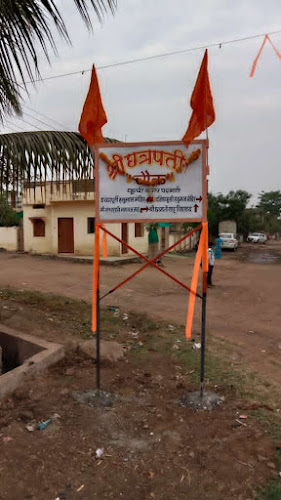
Shri Chhatrapati Chowk
मराठवाडा मुक्तीसंग्राम प्रवेशद्वार
Find Accommodations Nearby
Recommended Tours & Activities
Visitor Reviews
There are no reviews yet. Be the first one to write one.
Share Your Experience
Have you visited Parbhani? Help other travelers by leaving a review.