
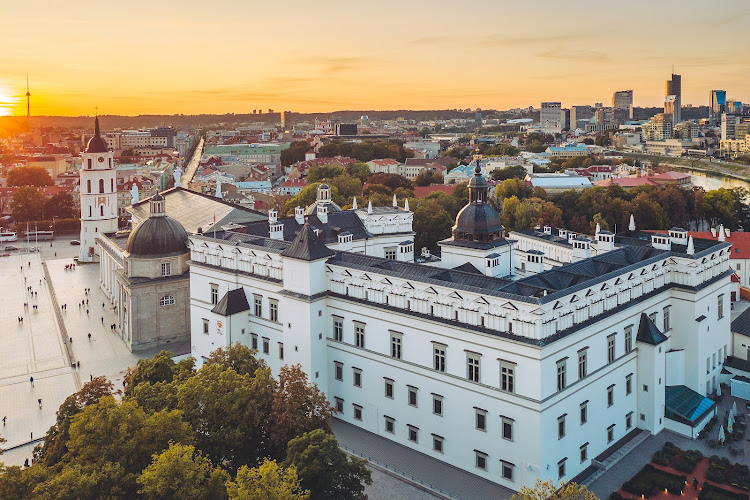
Palace of the Grand Dukes of Lithuania
About Palace of the Grand Dukes of Lithuania
Description
The Palace of the Grand Dukes of Lithuania stands as one of Vilnius’s most fascinating historical landmarks—a place where centuries of royal intrigue, political power, and cultural evolution have been carefully reconstructed into a living museum. This grand building, sitting in the heart of the city near the Cathedral Square, isn’t just a museum—it’s a journey through Lithuania’s past, told through stone walls, ancient artifacts, and immersive exhibitions that make history feel surprisingly alive. When I first walked through its enormous wooden doors, I half expected to see a duke strolling down the corridor. There’s something about the smell of old wood and the echo of footsteps in those vaulted halls that pulls you right into another era. The museum’s curators have done an incredible job of balancing authenticity with accessibility—so even if you’re not a history buff, you’ll still find yourself completely absorbed. Inside, the Palace tells the story of Lithuania’s rise during the Grand Duchy period, its decline under foreign rule, and its ultimate rebirth. You’ll find archeological remains from the original 15th-century palace, intricate models showing how it evolved, and even digital reconstructions that let you peek into rooms as they once were. The exhibits are beautifully laid out, and the audio guide (available in multiple languages) adds just the right amount of storytelling flair without overwhelming you with dates and names. Now, I’ll be honest—some visitors say a few sections feel a bit too academic, especially if you’re traveling with kids. But that’s where the museum’s interactive displays and live performances save the day. The occasional reenactments, music performances, and costumed guides bring a dose of fun and warmth that makes the place feel less like a dusty museum and more like a cultural time machine.
Key Features
- Reconstructed palace showcasing the grandeur of Lithuania’s royal past
- Archaeological exhibits with original foundations and artifacts from the 15th–17th centuries
- Interactive displays and digital reconstructions of historical rooms
- Live performances and cultural events held throughout the year
- Comprehensive audio guide available in multiple languages
- Wheelchair-accessible entrances, restrooms, and parking
- Onsite restaurant and café for a relaxing break
- Family-friendly environment with changing tables and kid-friendly exhibits
- Free Wi-Fi for visitors
I particularly loved how the museum merges old and new—the ancient masonry sits right next to sleek multimedia screens that bring the stories to life. It’s a careful balance that works beautifully. You can easily spend two or three hours wandering through the four main exhibition routes, each focusing on a different aspect of the palace’s history: architecture, daily life, governance, and cultural heritage. And if you’re someone who enjoys quiet moments of reflection, the upper terrace offers a lovely view over Vilnius Old Town—it’s like stepping out of a history book and into a postcard.
Best Time to Visit
If you’re planning a trip, timing can make all the difference. Personally, I think spring (April to June) and early autumn (September to early October) are the sweet spots. The weather is mild, the crowds are smaller, and the city’s old town feels extra magical with the soft golden light hitting those Baroque facades. Summer, of course, is the busiest season. The palace gets packed with tourists, especially on weekends, and while the atmosphere is lively, you might find yourself queuing for tickets or jostling for space in popular exhibit rooms. On the flip side, that’s also when most of the live performances and outdoor cultural events take place, so if you love energy and excitement, it’s worth braving the crowds. Winter has its charm too. Vilnius under a dusting of snow feels straight out of a fairy tale, and the palace’s warm interiors offer a cozy escape from the cold. Just keep in mind that daylight hours are short, so plan your visit earlier in the day to catch the best light for photos.
How to Get There
Getting to the Palace of the Grand Dukes is refreshingly easy, especially if you’re already exploring Vilnius’s Old Town. Most people simply walk there—it’s right next to the Cathedral and within strolling distance of major landmarks like Gediminas Tower and the National Museum of Lithuania. If you’re staying a bit farther out, public transport is a breeze. Several bus and trolleybus routes stop nearby, and the Vilnius City Card often covers these rides. Taxis and ride-sharing services like Bolt are also reliable and affordable. For those who love a bit of adventure, renting a bike is a great way to explore the city. Vilnius is surprisingly bike-friendly, and cycling through the cobbled streets toward the palace gives you a fantastic sense of the city’s rhythm. Just watch out for those uneven stones—they’ve got a way of sneaking up on you!
Tips for Visiting
Here’s where I get practical. After spending a good chunk of time wandering through the palace (and making a few rookie mistakes myself), I’ve gathered some tips to help you make the most of your visit:
- Buy your tickets online if possible, especially in summer. It saves time and lets you skip long lines.
- Take the audio guide—it’s genuinely worth it. The narration adds depth and context that you’d miss just reading the signs.
- Start early in the morning to avoid the biggest crowds and have more space to explore the exhibits peacefully.
- Don’t rush through. The palace is layered with detail, and the more time you spend, the more you’ll notice—the carved doorframes, the ornate ceilings, the subtle symbolism in the artwork.
- Check the events calendar. The museum often hosts concerts, lectures, and reenactments that can completely transform your experience.
- Bring kids along—there are interactive displays and family-friendly features that keep younger visitors engaged.
- Dress comfortably. The floors are stone, and you’ll be walking a lot. Trust me, your feet will thank you.
- Take a break at the onsite café. The coffee is decent, and the view from the terrace is worth lingering over.
Oh, and one more thing—if you’re a photography enthusiast, the lighting inside can be tricky. The mix of natural and artificial light creates some beautiful contrasts, but you’ll want to adjust your camera settings or use a phone with good low-light performance. I learned that the hard way after coming home with a dozen slightly blurry shots of what could’ve been an amazing composition. Overall, visiting the Palace of the Grand Dukes of Lithuania is more than just a history lesson—it’s a chance to feel connected to the country’s soul. Every corner tells a story, every artifact whispers of lives once lived, and every visitor leaves with a deeper appreciation for Lithuania’s resilience and artistry. It’s not a perfect museum—some exhibits could use better lighting, and a few labels might test your patience—but that’s part of its charm. It feels real, human, and alive. And that’s what travel should be about, right? Not just ticking off landmarks, but feeling something genuine along the way.
So, if you find yourself in Vilnius, give yourself at least half a day here. Wander slowly, listen carefully, and let the echoes of the past guide you through the halls. Whether you’re a history lover, an art admirer, or just someone chasing meaningful experiences, the Palace of the Grand Dukes of Lithuania will leave a lasting impression—one that lingers long after you’ve stepped back into the modern world.
Key Features
- Reconstructed palace showcasing the grandeur of Lithuania’s royal past
- Archaeological exhibits with original foundations and artifacts from the 15th–17th centuries
- Interactive displays and digital reconstructions of historical rooms
- Live performances and cultural events held throughout the year
- Comprehensive audio guide available in multiple languages
- Wheelchair-accessible entrances, restrooms, and parking
- Onsite restaurant and café for a relaxing break
- Family-friendly environment with changing tables and kid-friendly exhibits
More Details
Updated October 8, 2025
Table of Contents
- Description
- Key Features
- Best Time to Visit
- How to Get There
- Tips for Visiting
- Key Highlights
- Location
- Places to Stay Near Palace of the Grand Dukes of Lithuania
- Find and Book a Tour
- Explore More Travel Guides
- Nearby Places You Might Like
- Traveler Reviews for Palace of the Grand Dukes of Lithuania
- Share Your Experience
Description
The Palace of the Grand Dukes of Lithuania stands as one of Vilnius’s most fascinating historical landmarks—a place where centuries of royal intrigue, political power, and cultural evolution have been carefully reconstructed into a living museum. This grand building, sitting in the heart of the city near the Cathedral Square, isn’t just a museum—it’s a journey through Lithuania’s past, told through stone walls, ancient artifacts, and immersive exhibitions that make history feel surprisingly alive.
When I first walked through its enormous wooden doors, I half expected to see a duke strolling down the corridor. There’s something about the smell of old wood and the echo of footsteps in those vaulted halls that pulls you right into another era. The museum’s curators have done an incredible job of balancing authenticity with accessibility—so even if you’re not a history buff, you’ll still find yourself completely absorbed.
Inside, the Palace tells the story of Lithuania’s rise during the Grand Duchy period, its decline under foreign rule, and its ultimate rebirth. You’ll find archeological remains from the original 15th-century palace, intricate models showing how it evolved, and even digital reconstructions that let you peek into rooms as they once were. The exhibits are beautifully laid out, and the audio guide (available in multiple languages) adds just the right amount of storytelling flair without overwhelming you with dates and names.
Now, I’ll be honest—some visitors say a few sections feel a bit too academic, especially if you’re traveling with kids. But that’s where the museum’s interactive displays and live performances save the day. The occasional reenactments, music performances, and costumed guides bring a dose of fun and warmth that makes the place feel less like a dusty museum and more like a cultural time machine.
Key Features
- Reconstructed palace showcasing the grandeur of Lithuania’s royal past
- Archaeological exhibits with original foundations and artifacts from the 15th–17th centuries
- Interactive displays and digital reconstructions of historical rooms
- Live performances and cultural events held throughout the year
- Comprehensive audio guide available in multiple languages
- Wheelchair-accessible entrances, restrooms, and parking
- Onsite restaurant and café for a relaxing break
- Family-friendly environment with changing tables and kid-friendly exhibits
- Free Wi-Fi for visitors
I particularly loved how the museum merges old and new—the ancient masonry sits right next to sleek multimedia screens that bring the stories to life. It’s a careful balance that works beautifully. You can easily spend two or three hours wandering through the four main exhibition routes, each focusing on a different aspect of the palace’s history: architecture, daily life, governance, and cultural heritage. And if you’re someone who enjoys quiet moments of reflection, the upper terrace offers a lovely view over Vilnius Old Town—it’s like stepping out of a history book and into a postcard.
Best Time to Visit
If you’re planning a trip, timing can make all the difference. Personally, I think spring (April to June) and early autumn (September to early October) are the sweet spots. The weather is mild, the crowds are smaller, and the city’s old town feels extra magical with the soft golden light hitting those Baroque facades.
Summer, of course, is the busiest season. The palace gets packed with tourists, especially on weekends, and while the atmosphere is lively, you might find yourself queuing for tickets or jostling for space in popular exhibit rooms. On the flip side, that’s also when most of the live performances and outdoor cultural events take place, so if you love energy and excitement, it’s worth braving the crowds.
Winter has its charm too. Vilnius under a dusting of snow feels straight out of a fairy tale, and the palace’s warm interiors offer a cozy escape from the cold. Just keep in mind that daylight hours are short, so plan your visit earlier in the day to catch the best light for photos.
How to Get There
Getting to the Palace of the Grand Dukes is refreshingly easy, especially if you’re already exploring Vilnius’s Old Town. Most people simply walk there—it’s right next to the Cathedral and within strolling distance of major landmarks like Gediminas Tower and the National Museum of Lithuania.
If you’re staying a bit farther out, public transport is a breeze. Several bus and trolleybus routes stop nearby, and the Vilnius City Card often covers these rides. Taxis and ride-sharing services like Bolt are also reliable and affordable.
For those who love a bit of adventure, renting a bike is a great way to explore the city. Vilnius is surprisingly bike-friendly, and cycling through the cobbled streets toward the palace gives you a fantastic sense of the city’s rhythm. Just watch out for those uneven stones—they’ve got a way of sneaking up on you!
Tips for Visiting
Here’s where I get practical. After spending a good chunk of time wandering through the palace (and making a few rookie mistakes myself), I’ve gathered some tips to help you make the most of your visit:
- Buy your tickets online if possible, especially in summer. It saves time and lets you skip long lines.
- Take the audio guide—it’s genuinely worth it. The narration adds depth and context that you’d miss just reading the signs.
- Start early in the morning to avoid the biggest crowds and have more space to explore the exhibits peacefully.
- Don’t rush through. The palace is layered with detail, and the more time you spend, the more you’ll notice—the carved doorframes, the ornate ceilings, the subtle symbolism in the artwork.
- Check the events calendar. The museum often hosts concerts, lectures, and reenactments that can completely transform your experience.
- Bring kids along—there are interactive displays and family-friendly features that keep younger visitors engaged.
- Dress comfortably. The floors are stone, and you’ll be walking a lot. Trust me, your feet will thank you.
- Take a break at the onsite café. The coffee is decent, and the view from the terrace is worth lingering over.
Oh, and one more thing—if you’re a photography enthusiast, the lighting inside can be tricky. The mix of natural and artificial light creates some beautiful contrasts, but you’ll want to adjust your camera settings or use a phone with good low-light performance. I learned that the hard way after coming home with a dozen slightly blurry shots of what could’ve been an amazing composition.
Overall, visiting the Palace of the Grand Dukes of Lithuania is more than just a history lesson—it’s a chance to feel connected to the country’s soul. Every corner tells a story, every artifact whispers of lives once lived, and every visitor leaves with a deeper appreciation for Lithuania’s resilience and artistry.
It’s not a perfect museum—some exhibits could use better lighting, and a few labels might test your patience—but that’s part of its charm. It feels real, human, and alive. And that’s what travel should be about, right? Not just ticking off landmarks, but feeling something genuine along the way.
So, if you find yourself in Vilnius, give yourself at least half a day here. Wander slowly, listen carefully, and let the echoes of the past guide you through the halls. Whether you’re a history lover, an art admirer, or just someone chasing meaningful experiences, the Palace of the Grand Dukes of Lithuania will leave a lasting impression—one that lingers long after you’ve stepped back into the modern world.
Key Highlights
- Reconstructed palace showcasing the grandeur of Lithuania’s royal past
- Archaeological exhibits with original foundations and artifacts from the 15th–17th centuries
- Interactive displays and digital reconstructions of historical rooms
- Live performances and cultural events held throughout the year
- Comprehensive audio guide available in multiple languages
- Wheelchair-accessible entrances, restrooms, and parking
- Onsite restaurant and café for a relaxing break
- Family-friendly environment with changing tables and kid-friendly exhibits
Location
Places to Stay Near Palace of the Grand Dukes of Lithuania
Find and Book a Tour
Explore More Travel Guides
No reviews found! Be the first to review!
Traveler Reviews for Palace of the Grand Dukes of Lithuania
There are no reviews yet. Be the first one to write one.
Have you visited Palace of the Grand Dukes of Lithuania? Help other travelers by sharing your review.
You Might Also Like

Vilniaus universiteto botanikos sodas
"Miracle" Tile
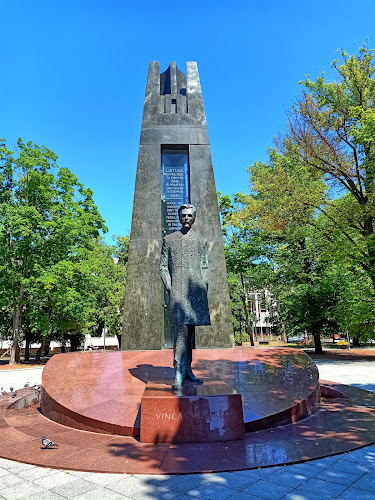
Vincas Kudirka Square
Find Accommodations Nearby
Recommended Tours & Activities
Visitor Reviews
There are no reviews yet. Be the first one to write one.
Share Your Experience
Have you visited Palace of the Grand Dukes of Lithuania? Help other travelers by leaving a review.