
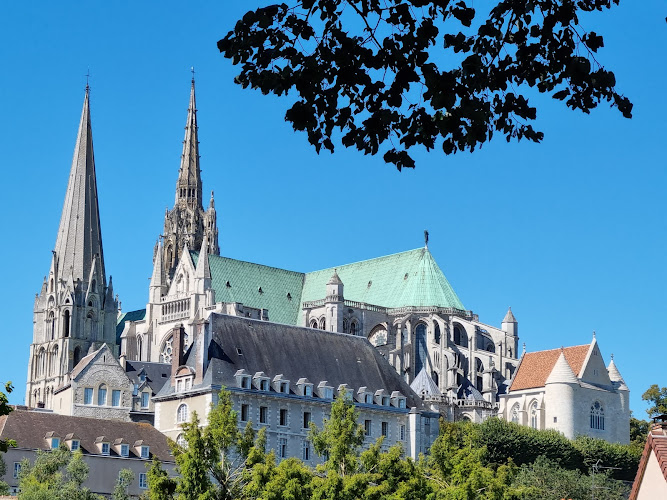
Our Lady of Chartres Cathedral
About Our Lady of Chartres Cathedral
Description
Our Lady of Chartres Cathedral, also known as Chartres Cathedral, is one of those places that quietly takes your breath away before you even realize it’s happening. Standing tall above the town of Chartres, this 13th-century Gothic masterpiece is more than just a building—it’s a story carved in stone and painted in light. The first time I saw it, I remember thinking that no photograph could ever capture the scale of its towers or the deep blue glow of its stained-glass windows. And honestly, that’s still true. You really have to be there, craning your neck up at those flying buttresses, to understand its grandeur.
The cathedral has survived wars, revolutions, and centuries of weathering, yet it still feels alive. It’s not just a relic of the past; it’s a living monument where locals still attend mass, where pilgrims still walk the labyrinth on the floor, and where travelers like you find themselves whispering without even meaning to. The craftsmanship is astonishing—every statue, every portal, every piece of glass seems to tell a story. The famous “Chartres blue” in the stained glass is unlike any other hue you’ll ever see. I once spent nearly half an hour just watching the sunlight shift through those windows, as if the whole building was breathing color.
While most visitors rave about its beauty (and rightly so), some find the crowds a bit much during peak season or the dim lighting inside challenging for photography. But that’s part of its charm—it’s a place that asks you to slow down. To stand still. To let the centuries speak. Whether you’re drawn by faith, history, or sheer curiosity, Chartres Cathedral has a way of making you feel small in the best possible way.
Key Features
- Gothic Architecture: A textbook example of French Gothic design, featuring ribbed vaults, pointed arches, and soaring spires that seem to touch the clouds.
- Stained Glass Windows: Over 150 windows, most from the 12th and 13th centuries, still intact—flooding the interior with vivid blues, reds, and golds.
- Flying Buttresses: Among the earliest and most elegant examples in Europe, supporting the cathedral’s immense walls with grace and strength.
- The Labyrinth: A circular stone path set into the floor, walked by pilgrims for centuries as a symbolic journey of faith and reflection.
- Royal Portal: The western entrance, adorned with intricate carvings of kings, prophets, and angels—each figure sculpted with astonishing detail.
- Crypt and Towers: The crypt is one of the largest in France, while the towers offer panoramic views of Chartres and the surrounding countryside.
- Accessibility: The cathedral is wheelchair accessible, ensuring that all visitors can experience its beauty firsthand.
Best Time to Visit
If you want to experience Chartres Cathedral without feeling rushed, aim for early morning or late afternoon visits. The light is softer then, and the stained glass truly comes alive. Spring and early autumn are ideal—the weather is pleasant, and the town feels lively without being overcrowded. I once went in mid-May when the air smelled faintly of blooming lilacs, and I swear it made the whole experience even more magical.
Summer, though beautiful, can be busy. Tour groups and school trips fill the nave, and you might have to wait your turn for a good view of the windows. Winter, on the other hand, offers a quieter, more contemplative atmosphere. The cathedral feels almost private then, its stone walls echoing softly with every footstep. If you’re lucky, you might even catch one of the candlelit concerts or Christmas services—it’s pure goosebumps.
For something truly special, visit during the Chartres en Lumières festival, when the entire façade is illuminated with colorful projections. It’s like watching the cathedral come alive in technicolor—a stunning blend of history and modern artistry.
How to Get There
Getting to Chartres Cathedral is surprisingly easy, especially if you’re coming from Paris. The train from Gare Montparnasse takes about an hour, and once you step off at Chartres station, you can actually see the spires in the distance. It’s about a 10–15 minute walk through charming cobblestone streets lined with cafés and bakeries (and yes, you should absolutely stop for a croissant on the way).
If you’re driving, the route is straightforward—just follow the A11 motorway west from Paris. There’s parking available near the old town, though spaces can fill up quickly on weekends. I once took a road trip there on a whim, and honestly, the drive through the French countryside was half the fun. Rolling fields, quiet villages, and that moment when the cathedral suddenly appears on the horizon—it’s unforgettable.
For travelers exploring more of the Loire Valley, Chartres makes for a perfect half-day detour or a peaceful overnight stop. The town itself is small enough to explore on foot, and everything seems to lead back to the cathedral anyway.
Tips for Visiting
Here’s the thing about Chartres Cathedral—it rewards those who linger. So don’t rush. Take your time wandering around the exterior first; the sculpted portals are like an open-air museum. Bring binoculars or a small zoom lens if you can—the details high up on the façade are incredible. Inside, let your eyes adjust to the dim light before you start snapping photos. The colors of the glass reveal themselves slowly, almost shyly.
If you’re into history or architecture, consider joining one of the guided tours. The local guides are passionate and full of fascinating tidbits—like how the builders used different limestone quarries for symbolic reasons, or how the labyrinth’s design reflects medieval cosmology. And if you’re there on a sunny day, watch how the light moves across the floor—it’s like a living sundial.
Wear comfortable shoes; the stone floors can be hard on your feet. And if you plan to climb the tower, be prepared for narrow spiral stairs (worth every step for the view, though). The cathedral is open year-round, but check ahead for special events or restoration work that might limit access to certain areas.
A small but important note: this is still an active place of worship. Be respectful during services, and keep voices low. I once sat quietly at the back during a weekday mass, even though I’m not particularly religious, and it was one of the most peaceful moments of my travels.
Finally, don’t forget to explore the town itself after your visit. Chartres has lovely little cafés, artisan shops, and a riverside walk that feels straight out of a painting. Grab a coffee, sit outside, and just look back at the cathedral from afar. It’s a view that stays with you long after you’ve left.
Visiting Our Lady of Chartres Cathedral isn’t just about ticking off a UNESCO World Heritage site—it’s about stepping into a space where art, faith, and time all meet. It’s a reminder of what humans can create when they reach for something higher, and honestly, that feeling alone makes the trip worth it.
Key Features
- Key Features
- Best Time to Visit
- How to Get There
- Tips for Visiting
More Details
Updated December 1, 2025
Table of Contents
Description
Our Lady of Chartres Cathedral, also known as Chartres Cathedral, is one of those places that quietly takes your breath away before you even realize it’s happening. Standing tall above the town of Chartres, this 13th-century Gothic masterpiece is more than just a building—it’s a story carved in stone and painted in light. The first time I saw it, I remember thinking that no photograph could ever capture the scale of its towers or the deep blue glow of its stained-glass windows. And honestly, that’s still true. You really have to be there, craning your neck up at those flying buttresses, to understand its grandeur.
The cathedral has survived wars, revolutions, and centuries of weathering, yet it still feels alive. It’s not just a relic of the past; it’s a living monument where locals still attend mass, where pilgrims still walk the labyrinth on the floor, and where travelers like you find themselves whispering without even meaning to. The craftsmanship is astonishing—every statue, every portal, every piece of glass seems to tell a story. The famous “Chartres blue” in the stained glass is unlike any other hue you’ll ever see. I once spent nearly half an hour just watching the sunlight shift through those windows, as if the whole building was breathing color.
While most visitors rave about its beauty (and rightly so), some find the crowds a bit much during peak season or the dim lighting inside challenging for photography. But that’s part of its charm—it’s a place that asks you to slow down. To stand still. To let the centuries speak. Whether you’re drawn by faith, history, or sheer curiosity, Chartres Cathedral has a way of making you feel small in the best possible way.
Key Features
- Gothic Architecture: A textbook example of French Gothic design, featuring ribbed vaults, pointed arches, and soaring spires that seem to touch the clouds.
- Stained Glass Windows: Over 150 windows, most from the 12th and 13th centuries, still intact—flooding the interior with vivid blues, reds, and golds.
- Flying Buttresses: Among the earliest and most elegant examples in Europe, supporting the cathedral’s immense walls with grace and strength.
- The Labyrinth: A circular stone path set into the floor, walked by pilgrims for centuries as a symbolic journey of faith and reflection.
- Royal Portal: The western entrance, adorned with intricate carvings of kings, prophets, and angels—each figure sculpted with astonishing detail.
- Crypt and Towers: The crypt is one of the largest in France, while the towers offer panoramic views of Chartres and the surrounding countryside.
- Accessibility: The cathedral is wheelchair accessible, ensuring that all visitors can experience its beauty firsthand.
Best Time to Visit
If you want to experience Chartres Cathedral without feeling rushed, aim for early morning or late afternoon visits. The light is softer then, and the stained glass truly comes alive. Spring and early autumn are ideal—the weather is pleasant, and the town feels lively without being overcrowded. I once went in mid-May when the air smelled faintly of blooming lilacs, and I swear it made the whole experience even more magical.
Summer, though beautiful, can be busy. Tour groups and school trips fill the nave, and you might have to wait your turn for a good view of the windows. Winter, on the other hand, offers a quieter, more contemplative atmosphere. The cathedral feels almost private then, its stone walls echoing softly with every footstep. If you’re lucky, you might even catch one of the candlelit concerts or Christmas services—it’s pure goosebumps.
For something truly special, visit during the Chartres en Lumières festival, when the entire façade is illuminated with colorful projections. It’s like watching the cathedral come alive in technicolor—a stunning blend of history and modern artistry.
How to Get There
Getting to Chartres Cathedral is surprisingly easy, especially if you’re coming from Paris. The train from Gare Montparnasse takes about an hour, and once you step off at Chartres station, you can actually see the spires in the distance. It’s about a 10–15 minute walk through charming cobblestone streets lined with cafés and bakeries (and yes, you should absolutely stop for a croissant on the way).
If you’re driving, the route is straightforward—just follow the A11 motorway west from Paris. There’s parking available near the old town, though spaces can fill up quickly on weekends. I once took a road trip there on a whim, and honestly, the drive through the French countryside was half the fun. Rolling fields, quiet villages, and that moment when the cathedral suddenly appears on the horizon—it’s unforgettable.
For travelers exploring more of the Loire Valley, Chartres makes for a perfect half-day detour or a peaceful overnight stop. The town itself is small enough to explore on foot, and everything seems to lead back to the cathedral anyway.
Tips for Visiting
Here’s the thing about Chartres Cathedral—it rewards those who linger. So don’t rush. Take your time wandering around the exterior first; the sculpted portals are like an open-air museum. Bring binoculars or a small zoom lens if you can—the details high up on the façade are incredible. Inside, let your eyes adjust to the dim light before you start snapping photos. The colors of the glass reveal themselves slowly, almost shyly.
If you’re into history or architecture, consider joining one of the guided tours. The local guides are passionate and full of fascinating tidbits—like how the builders used different limestone quarries for symbolic reasons, or how the labyrinth’s design reflects medieval cosmology. And if you’re there on a sunny day, watch how the light moves across the floor—it’s like a living sundial.
Wear comfortable shoes; the stone floors can be hard on your feet. And if you plan to climb the tower, be prepared for narrow spiral stairs (worth every step for the view, though). The cathedral is open year-round, but check ahead for special events or restoration work that might limit access to certain areas.
A small but important note: this is still an active place of worship. Be respectful during services, and keep voices low. I once sat quietly at the back during a weekday mass, even though I’m not particularly religious, and it was one of the most peaceful moments of my travels.
Finally, don’t forget to explore the town itself after your visit. Chartres has lovely little cafés, artisan shops, and a riverside walk that feels straight out of a painting. Grab a coffee, sit outside, and just look back at the cathedral from afar. It’s a view that stays with you long after you’ve left.
Visiting Our Lady of Chartres Cathedral isn’t just about ticking off a UNESCO World Heritage site—it’s about stepping into a space where art, faith, and time all meet. It’s a reminder of what humans can create when they reach for something higher, and honestly, that feeling alone makes the trip worth it.
Key Highlights
- Key Features
- Best Time to Visit
- How to Get There
- Tips for Visiting
Location
Places to Stay Near Our Lady of Chartres Cathedral
Find and Book a Tour
Explore More Travel Guides
No reviews found! Be the first to review!
Traveler Reviews for Our Lady of Chartres Cathedral
There are no reviews yet. Be the first one to write one.
Have you visited Our Lady of Chartres Cathedral? Help other travelers by sharing your review.
You Might Also Like
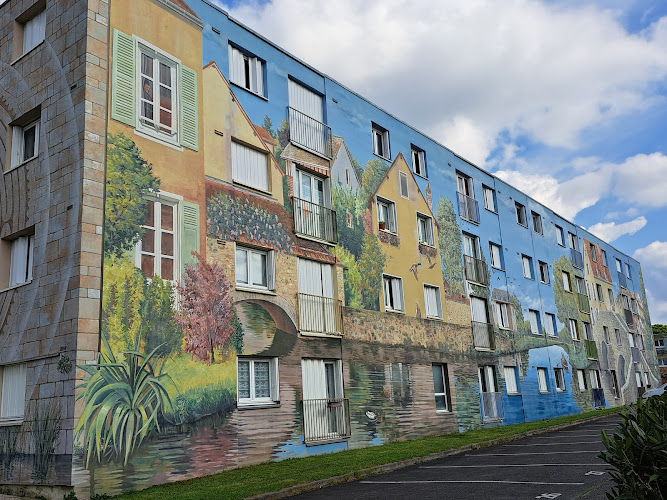
Les Fresques de Bel Air
Museum of Fine Arts in Chartres
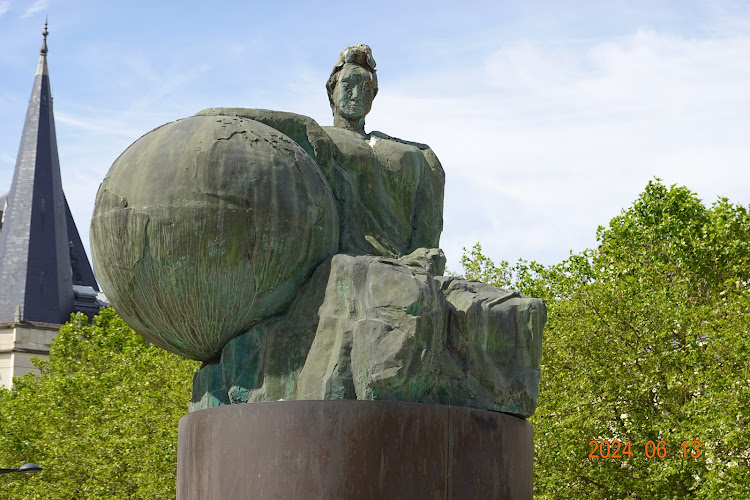
Monument de la déclaration des droits de l
Find Accommodations Nearby
Recommended Tours & Activities
Visitor Reviews
There are no reviews yet. Be the first one to write one.
Share Your Experience
Have you visited Our Lady of Chartres Cathedral? Help other travelers by leaving a review.