
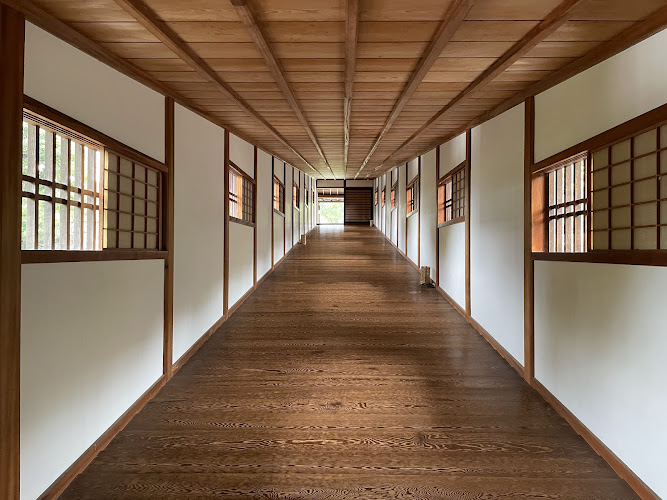
Ohashiroka Bridge
About Ohashiroka Bridge
Description
Ohashiroka Bridge is one of those places that sneaks up on you. On paper, it’s a bridge connected to a castle site, practical and historical, nothing flashy. But when you’re actually there, standing with your hands on the railing and looking out, it hits different. The bridge acts as a symbolic gateway to the old castle grounds, and you can feel that sense of transition, like you’re stepping from the everyday world into a quieter, older layer of Japan.
The name itself hints at its role. Ohashiroka roughly connects to the idea of a castle approach, and that’s exactly how it feels. Historically, bridges like this weren’t just for crossing water or terrain; they were part of a defense system, a psychological threshold. I remember visiting on a slightly overcast afternoon, thinking I’d stay ten minutes. I ended up lingering almost an hour, mostly because the atmosphere was oddly calming, even with other visitors around.
What makes Ohashiroka Bridge appealing to travelers is that it’s not overproduced. You won’t find loud attractions or over-the-top displays. Instead, there’s a sense of authenticity. The structure blends into its surroundings, and depending on the season, the view shifts dramatically. Spring brings soft colors and families strolling with kids. Summer feels lush and green. Autumn is, honestly, my favorite, with fallen leaves collecting near the base and a slightly nostalgic air that’s hard to describe without sounding cheesy. But yeah, it gets to you.
The castle connection adds depth. Even if most of the original castle structures are no longer fully standing, the layout, stonework, and bridge alignment tell a story. Travelers interested in Japanese history will appreciate how the bridge fits into the broader defensive and ceremonial design. And if you’re not a history buff? That’s fine too. It’s an easy, pleasant walk and a good place to slow down, especially if your itinerary’s been packed.
Families often underestimate places like this, but kids tend to enjoy it more than expected. There’s space to move, things to look at, and enough visual interest to spark curiosity. I once overheard a child asking why castles needed bridges like this, and the parent gave a surprisingly good explanation. Moments like that feel very in tune with the place.
Key Features
- Traditional bridge design tied closely to historic castle architecture
- Clear sightlines that offer great photo angles without trying too hard
- Safe and manageable for children, with plenty of space to walk
- Seasonal scenery that changes the mood throughout the year
- Quiet, reflective atmosphere compared to larger tourist landmarks
- Stonework and layout that hint at defensive strategies from the past
- Easy to combine with a short castle grounds walk
One thing I really appreciate is how the bridge doesn’t scream for attention. It lets you notice details if you want to. The texture of the materials, the way the path subtly guides your movement, even the sound of footsteps changes as you cross. That kind of sensory experience sticks with you more than flashy exhibits ever do.
Best Time to Visit
Timing matters here, more than people think. Early morning is magic if you can manage it. Fewer people, softer light, and a calm that makes the bridge feel almost private. I’m not naturally a morning person, but this is one of those spots where it’s worth setting the alarm. And yes, I complained the whole way there, but I was glad I did it.
Spring is popular, understandably. The surrounding area comes alive, and the bridge feels like part of a painting. That said, it can get a bit busier. Autumn, though, strikes the best balance in my opinion. Cooler air, rich colors, and a slower pace. Summer is fine too, especially if you go earlier in the day, but midday heat can sap some of the enjoyment. Winter has its own quiet charm, especially if there’s a light dusting of snow, though it’s not guaranteed.
Weekdays are better than weekends if you want space to breathe. The bridge never feels chaotic, but there is a noticeable difference. If you’re traveling with kids, late morning works well. Everyone’s awake, but not yet tired or hungry, which helps, trust me.
How to Get There
Reaching Ohashiroka Bridge is fairly straightforward, which is part of its appeal. It’s accessible by public transportation followed by a short walk, and that walk is actually part of the experience. The approach gradually shifts from modern surroundings to something more historical, and you can feel the change as you go.
If you’re driving, parking is usually manageable, though availability can vary during peak seasons. From there, it’s an easy stroll. I like that you don’t just step off a bus and immediately see everything. There’s a sense of arrival, of building anticipation, even if you’re not consciously thinking about it.
For travelers using trains and buses, signage is generally clear, and locals are helpful if you get turned around. I’ve found that even my broken Japanese plus hand gestures usually does the trick. And honestly, getting a little lost isn’t the worst thing. Some of my favorite travel memories come from wrong turns.
Tips for Visiting
First tip: slow down. This isn’t a place you rush through. Give yourself time to cross the bridge more than once if you want. The view changes depending on direction and light, and you’ll notice different things each time.
Wear comfortable shoes. Sounds obvious, but you’d be surprised how many people underestimate walking around historic sites. The surfaces can be uneven in places, especially near older stone sections.
If you’re visiting with children, let them lead a bit. The bridge is safe, and kids often spot details adults miss. Plus, it turns the visit into a shared discovery instead of a lecture.
Bring a camera, but don’t live behind it. A few photos are great, but some moments are better just experienced. I once put my camera away and ended up chatting with another traveler about why quiet places often leave the strongest impressions. That conversation stuck with me more than any photo.
Finally, pair the visit with a walk around the castle grounds. The bridge makes more sense in context, and you’ll appreciate its role once you see how everything connects. It’s not about ticking off a landmark. It’s about understanding why it’s there and how it’s been quietly doing its job for generations.
Ohashiroka Bridge may not dominate postcards or travel lists, but that’s exactly why it works. It offers a grounded, thoughtful experience that rewards attention and curiosity. If you’re the kind of traveler who enjoys places with a bit of soul, you’ll probably walk away feeling quietly satisfied, like you found something others might’ve rushed past. And those are the best travel days, if you ask me.
Key Features
- Traditional bridge design tied closely to historic castle architecture
- Clear sightlines that offer great photo angles without trying too hard
- Safe and manageable for children, with plenty of space to walk
- Seasonal scenery that changes the mood throughout the year
- Quiet, reflective atmosphere compared to larger tourist landmarks
- Stonework and layout that hint at defensive strategies from the past
- Easy to combine with a short castle grounds walk
More Details
Updated December 30, 2025
Table of Contents
Description
Ohashiroka Bridge is one of those places that sneaks up on you. On paper, it’s a bridge connected to a castle site, practical and historical, nothing flashy. But when you’re actually there, standing with your hands on the railing and looking out, it hits different. The bridge acts as a symbolic gateway to the old castle grounds, and you can feel that sense of transition, like you’re stepping from the everyday world into a quieter, older layer of Japan.
The name itself hints at its role. Ohashiroka roughly connects to the idea of a castle approach, and that’s exactly how it feels. Historically, bridges like this weren’t just for crossing water or terrain; they were part of a defense system, a psychological threshold. I remember visiting on a slightly overcast afternoon, thinking I’d stay ten minutes. I ended up lingering almost an hour, mostly because the atmosphere was oddly calming, even with other visitors around.
What makes Ohashiroka Bridge appealing to travelers is that it’s not overproduced. You won’t find loud attractions or over-the-top displays. Instead, there’s a sense of authenticity. The structure blends into its surroundings, and depending on the season, the view shifts dramatically. Spring brings soft colors and families strolling with kids. Summer feels lush and green. Autumn is, honestly, my favorite, with fallen leaves collecting near the base and a slightly nostalgic air that’s hard to describe without sounding cheesy. But yeah, it gets to you.
The castle connection adds depth. Even if most of the original castle structures are no longer fully standing, the layout, stonework, and bridge alignment tell a story. Travelers interested in Japanese history will appreciate how the bridge fits into the broader defensive and ceremonial design. And if you’re not a history buff? That’s fine too. It’s an easy, pleasant walk and a good place to slow down, especially if your itinerary’s been packed.
Families often underestimate places like this, but kids tend to enjoy it more than expected. There’s space to move, things to look at, and enough visual interest to spark curiosity. I once overheard a child asking why castles needed bridges like this, and the parent gave a surprisingly good explanation. Moments like that feel very in tune with the place.
Key Features
- Traditional bridge design tied closely to historic castle architecture
- Clear sightlines that offer great photo angles without trying too hard
- Safe and manageable for children, with plenty of space to walk
- Seasonal scenery that changes the mood throughout the year
- Quiet, reflective atmosphere compared to larger tourist landmarks
- Stonework and layout that hint at defensive strategies from the past
- Easy to combine with a short castle grounds walk
One thing I really appreciate is how the bridge doesn’t scream for attention. It lets you notice details if you want to. The texture of the materials, the way the path subtly guides your movement, even the sound of footsteps changes as you cross. That kind of sensory experience sticks with you more than flashy exhibits ever do.
Best Time to Visit
Timing matters here, more than people think. Early morning is magic if you can manage it. Fewer people, softer light, and a calm that makes the bridge feel almost private. I’m not naturally a morning person, but this is one of those spots where it’s worth setting the alarm. And yes, I complained the whole way there, but I was glad I did it.
Spring is popular, understandably. The surrounding area comes alive, and the bridge feels like part of a painting. That said, it can get a bit busier. Autumn, though, strikes the best balance in my opinion. Cooler air, rich colors, and a slower pace. Summer is fine too, especially if you go earlier in the day, but midday heat can sap some of the enjoyment. Winter has its own quiet charm, especially if there’s a light dusting of snow, though it’s not guaranteed.
Weekdays are better than weekends if you want space to breathe. The bridge never feels chaotic, but there is a noticeable difference. If you’re traveling with kids, late morning works well. Everyone’s awake, but not yet tired or hungry, which helps, trust me.
How to Get There
Reaching Ohashiroka Bridge is fairly straightforward, which is part of its appeal. It’s accessible by public transportation followed by a short walk, and that walk is actually part of the experience. The approach gradually shifts from modern surroundings to something more historical, and you can feel the change as you go.
If you’re driving, parking is usually manageable, though availability can vary during peak seasons. From there, it’s an easy stroll. I like that you don’t just step off a bus and immediately see everything. There’s a sense of arrival, of building anticipation, even if you’re not consciously thinking about it.
For travelers using trains and buses, signage is generally clear, and locals are helpful if you get turned around. I’ve found that even my broken Japanese plus hand gestures usually does the trick. And honestly, getting a little lost isn’t the worst thing. Some of my favorite travel memories come from wrong turns.
Tips for Visiting
First tip: slow down. This isn’t a place you rush through. Give yourself time to cross the bridge more than once if you want. The view changes depending on direction and light, and you’ll notice different things each time.
Wear comfortable shoes. Sounds obvious, but you’d be surprised how many people underestimate walking around historic sites. The surfaces can be uneven in places, especially near older stone sections.
If you’re visiting with children, let them lead a bit. The bridge is safe, and kids often spot details adults miss. Plus, it turns the visit into a shared discovery instead of a lecture.
Bring a camera, but don’t live behind it. A few photos are great, but some moments are better just experienced. I once put my camera away and ended up chatting with another traveler about why quiet places often leave the strongest impressions. That conversation stuck with me more than any photo.
Finally, pair the visit with a walk around the castle grounds. The bridge makes more sense in context, and you’ll appreciate its role once you see how everything connects. It’s not about ticking off a landmark. It’s about understanding why it’s there and how it’s been quietly doing its job for generations.
Ohashiroka Bridge may not dominate postcards or travel lists, but that’s exactly why it works. It offers a grounded, thoughtful experience that rewards attention and curiosity. If you’re the kind of traveler who enjoys places with a bit of soul, you’ll probably walk away feeling quietly satisfied, like you found something others might’ve rushed past. And those are the best travel days, if you ask me.
Key Highlights
- Traditional bridge design tied closely to historic castle architecture
- Clear sightlines that offer great photo angles without trying too hard
- Safe and manageable for children, with plenty of space to walk
- Seasonal scenery that changes the mood throughout the year
- Quiet, reflective atmosphere compared to larger tourist landmarks
- Stonework and layout that hint at defensive strategies from the past
- Easy to combine with a short castle grounds walk
Location
Places to Stay Near Ohashiroka Bridge
Find and Book a Tour
Explore More Travel Guides
No reviews found! Be the first to review!
Traveler Reviews for Ohashiroka Bridge
There are no reviews yet. Be the first one to write one.
Have you visited Ohashiroka Bridge? Help other travelers by sharing your review.
You Might Also Like
Kongo Sammai-in
Kobe Ōji Zoo

Wakayama
Find Accommodations Nearby
Recommended Tours & Activities
Visitor Reviews
There are no reviews yet. Be the first one to write one.
Share Your Experience
Have you visited Ohashiroka Bridge? Help other travelers by leaving a review.