

Nyungwe National Park
About Nyungwe National Park
Nyungwe National Park is a truly impressive slice of wilderness tucked away in southwest Rwanda, holding on as the largest remaining forest in the country. It’s not just your average forest either; this place is buzzing with biodiversity and gripping the spotlight as one of Africa’s prime montane rainforest ecosystems. The park is a living museum, showcasing over 13 primate species including the ever-charismatic chimpanzees that’ll have you grinning ear to ear as they swing effortlessly through the trees. And hey, if you’re a bird nerd, brace yourself—Nyungwe is home to more than 300 bird species, some you might only find here.
But it’s not just about the wildlife. The story behind Nyungwe’s recent revival is pretty inspiring. Back in 2020, the African Parks Network teamed up with the Rwanda Development Board on a 20-year mission. Their goal? To revive this magnificent landscape, engage local communities deeply, and build sustainable tourism that actually benefits everyone involved. It’s a partnership that’s breathing new life into the park, aiming to balance ecological health with economic viability—a tricky dance in conservation, but Nyungwe seems to be pulling it off.
As a traveler, what hits you first is the accessibility. Don’t think this wild green giant is off-limits to anyone. Nyungwe has made strides in becoming more welcoming: accessible entrances, parking, restrooms, even seating for wheelchair users. Plus, the vibe among visitors is pretty inclusive, with efforts to ensure that the park is LGBTQ+ friendly too. If you’re bringing kids along, rest assured there are plenty of safe, kid-friendly activities and plenty to keep little explorers busy.
Yes, the park can be a bit challenging to get around if you’re expecting a polished, theme-park-style experience, and, sure, the weather can throw a wrench into things (this is rainforest after all), but that’s part of the charm, right? You get authenticity, a raw connection to nature that’s rare these days, and some truly unforgettable hikes. The occasional drizzle just makes the forest even greener and fresher—trust me, it’s magical.
Overall, visits to Nyungwe leave people with stories about eerie night walks where you might glimpse nocturnal creatures, or encounters with colobus monkeys flaunting their stunning black-and-white fur, reminding you of how wild and wonderful Africa’s forests really are. Whether you’re a hardcore nature lover or someone looking to dive into a unique eco-adventure, Nyungwe is a crown jewel of Rwanda’s natural heritage worth taking the time to explore.
Key Features
- Largest remaining tract of montane rainforest in Rwanda, covering around 1,020 square kilometers
- Home to over 13 primate species, including chimpanzees, black-and-white colobus monkeys, and baboons
- Hosts more than 300 bird species, making it a hotspot for bird watchers
- Wide network of hiking trails ranging from gentle walks to challenging treks, including canopy walks for a thrilling forest perspective
- Accessible facilities including wheelchair-friendly entrances, parking, restrooms, and seating areas
- Kid and family friendly, with educational programs and activities tailored to young visitors
- LGBTQ+ inclusive and welcoming, enhancing the visitor experience for all
- Developed cycling lanes for exploring the park on two wheels
- Managed through a unique public-private partnership focused on long-term conservation and community involvement
Best Time to Visit
Look, Nyungwe’s a rainforest, so it has its own rhythm when it comes to weather. The park gets a fair bit of rain, which keeps everything lush and alive but can also make trekking a bit more adventurous than some might prefer. So, if you want to dodge the mud and maximize your chances of dry days, aim for the drier months.
The best windows are typically between June and September, and then again from December to February. These periods offer more manageable trails and clearer skies, making chimpanzee tracking and canopy walks much more enjoyable. But, to be honest, visiting during the rainy season isn’t a total no-go either. The forest gets quieter, fewer tourists around, and the greenery pops like never before. Just pack that raincoat and some sturdy boots, and you’ll be golden.
Also, mornings are your golden hours if you want to spot primates or birds—the early birds really get the worm here. And don’t forget to catch a night walk if you can; it’s a super humbling, sometimes spooky way to experience the forest’s nocturnal side.
How to Get There
Getting to Nyungwe isn’t as straightforward as hopping on the next bus, but it’s totally doable and part of the adventure. The closest major hub is Kigali, Rwanda’s capital, which has an international airport. From Kigali, it’s about a 5 to 6-hour drive south-west—prepare for some bumpy, scenic roads that weave through Rwanda’s incredibly diverse landscapes of rolling hills and tea plantations.
Hiring a 4×4 or booking a guided transfer through your lodge or tour operator is usually the easiest way. You’ll want a vehicle that can handle the rugged bits and give you confidence on somewhat narrow rural roads. Public transport is limited and can be tricky with luggage, so if you value your time and sanity, private transport is the way to go.
Sometimes, adventurous travelers opt for a self-drive experience, but, heads-up, navigation might get tricky if you’re not used to rural African roads. Airports and bus stations near the park proper are non-existent, so your base will either be in nearby towns or at accommodations around the park’s perimeter. And on arrival, the park’s visitor centers and guides will help you map out your explorations.
Tips for Visiting
Alright, if you want to make your trip to Nyungwe National Park really stick with you, here are some nuggets of wisdom I’ve picked up along the way—or, well, through countless travel chats and research.
- Bring layers and rain gear. The microclimate can change fast. One minute you’re basking in sunshine, the next caught in a downpour. Waterproof jackets and sturdy hiking boots are essentials, not just nice-to-haves.
- Hire a knowledgeable local guide. Trust me, they can make or break your visit. These folks know the forest inside out—from where that rare primate likes to hide to spotting elusive birds. Plus, you’ll support local communities directly.
- Start hikes early. Daylight fades early in thick forest, and wildlife is more active during cooler morning hours. Also, it helps you avoid the midday heat and afternoon rains.
- Don’t underestimate altitude and terrain. Nyungwe sits at 1,600 to 2,950 meters above sea level, so some trails can really test your lungs and legs—pacing yourself is key.
- Stay hydrated and carry snacks. You’re out in nature for hours sometimes, and while some lodges provide meals, it’s good to have quick energy boosts on hand.
- Respect the wildlife and the environment. No feeding animals or littering. The forest’s delicate ecosystem depends on your care.
- Keep an eye on health requirements. You might be asked for a negative COVID-19 test or proof of vaccination. Double-check current regulations before you pack your bags.
- Camera gear. If you’re into photography, bring a decent zoom lens. The forest canopy and shy creatures are not always easy to snap up close, but oh, the shots you can get feel totally worth it.
- Early reservations. Nyungwe’s tourism is growing but still limited in infrastructure. Book lodges and tours well in advance to snag the best spots and guides.
- Charge your devices. Electricity isn’t guaranteed everywhere in the park. Take power banks along to keep your gadgets alive for documenting memories—or simply contacting the outside world.
In the end, Nyungwe demands some patience and a spirit of discovery. But man, it rewards you with memories deep enough to linger long after you’ve left—whether it’s the sight of a chimpanzee family daydreaming in the treetops or the feeling of misty forest air filling your lungs on a morning walk. So gear up, get curious, and prepare to step into a wild story you’ll tell over and over.
Key Features
- Largest remaining tract of montane rainforest in Rwanda, covering around 1,020 square kilometers
- Home to over 13 primate species, including chimpanzees, black-and-white colobus monkeys, and baboons
- Hosts more than 300 bird species, making it a hotspot for bird watchers
- Wide network of hiking trails ranging from gentle walks to challenging treks, including canopy walks for a thrilling forest perspective
- Accessible facilities including wheelchair-friendly entrances, parking, restrooms, and seating areas
- Kid and family friendly, with educational programs and activities tailored to young visitors
- LGBTQ+ inclusive and welcoming, enhancing the visitor experience for all
- Developed cycling lanes for exploring the park on two wheels
You Might Also Like
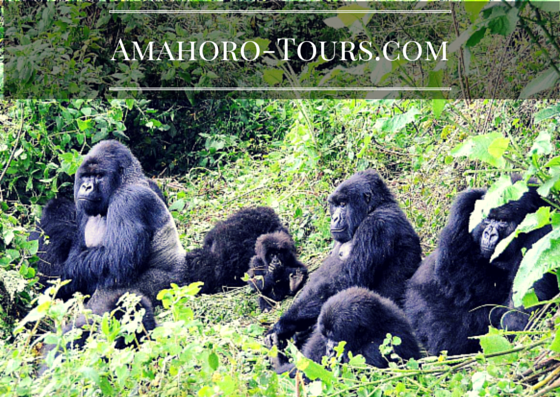
Amahoro Tours
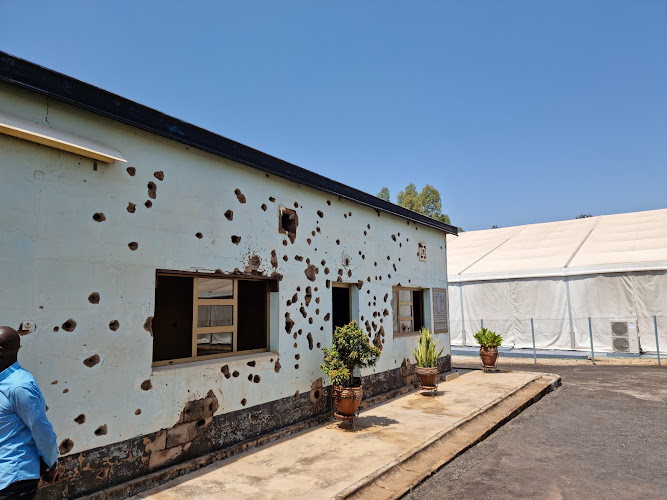
Belgian Peacekeepers Memorial
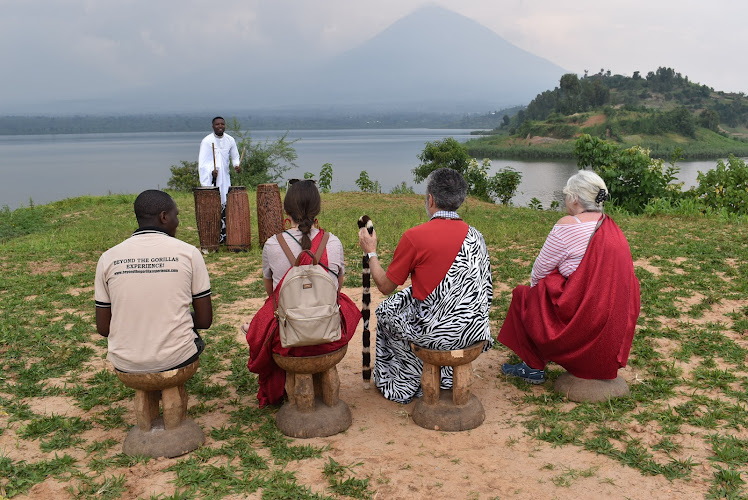
Beyond the Gorillas Experience
Tours & Activities
GetYourGuide provides this tour inventory. We may earn a commission if you book through it; verify current availability, prices, and terms with the provider.
Visitor Reviews
There are no reviews yet. Be the first one to write one.
Share Your Experience
Have you visited Nyungwe National Park? Help other travelers by leaving a review.