

Northwest Museum of Arts & Culture
About Northwest Museum of Arts & Culture
Description
The Northwest Museum of Arts & Culture, often shortened to MAC by locals who know it well, is one of those places that quietly sneaks up on you. At first glance, it sounds like a standard regional museum. But spend a few hours inside and you’ll realize it’s more like several museums stitched together by stories, opinions, and a real sense of place. And honestly, that’s what travelers usually want, even if they don’t say it out loud.
This museum dives deep into the Inland Northwest’s past, from Indigenous cultures and early settlement to contemporary art and social movements. It doesn’t sugarcoat things. Some exhibits are heavy, others surprisingly playful, and a few might make you stop and think longer than planned. I once ducked in “just to kill an hour” and somehow emerged almost four hours later, slightly hungry and very full of ideas. That happens here.
One of the standout aspects is how the museum blends history and art without forcing them into neat boxes. You might move from a gallery featuring Native American artifacts into a room showcasing bold, modern installations by regional artists. And it somehow works. There’s a narrative thread running through the whole place about identity, land, and how culture evolves. It’s not preachy, but it’s not shallow either.
The Campbell House mansion tour is another layer entirely. Walking through the restored Victorian-era home feels like stepping sideways in time. The woodwork, the furniture, the tiny details you’d miss if you blink. I remember thinking how quiet it felt, even with other visitors around, like the house itself was holding its breath. It’s a contrast to the more open, contemporary museum spaces, and that contrast is part of the charm.
Travelers tend to appreciate that the Northwest Museum of Arts & Culture isn’t trying to be flashy. It’s thoughtful, sometimes a bit imperfect, and clearly rooted in the community. Families, solo travelers, art lovers, history buffs, and curious wanderers all seem to find their own entry point. And yes, there’s a café and gift shop, which sounds basic, but trust me, after a long wander, they matter more than you think.
Key Features
- Rotating exhibitions that explore regional history, Indigenous cultures, and contemporary art
- Historic Campbell House mansion tours with original furnishings and architecture
- Live performances and talks that bring local voices into the museum space
- On-site café serving meals and snacks, good for mid-visit refueling
- Thoughtfully curated gift shop with locally made items and art-inspired keepsakes
- Family-friendly exhibits designed to keep kids engaged without dumbing things down
- Wheelchair-accessible entrances, restrooms, and parking for easier navigation
- Theater space used for films, lectures, and special events
- Free on-site parking, which is more rare than it should be
Best Time to Visit
The museum is an all-season kind of place, but timing does change the vibe. Fall and winter visits feel cozy and contemplative. On cold or rainy days, it’s honestly a relief to step into a space that invites you to slow down. I’ve visited during a snowstorm once, and the quiet outside seemed to echo inside the galleries. Fewer crowds, more room to linger.
Spring and summer bring more energy. Families, school groups, and travelers passing through tend to show up in higher numbers. That can mean a livelier atmosphere, especially during special exhibitions or live performances. But it also means you might wait a bit longer for the mansion tour or café seating. Not a deal-breaker, just something to plan around.
If you’re the type who likes breathing room, weekday mornings are gold. Weekends are busier, but not overwhelming. And if you’re visiting Spokane during peak travel season, this museum makes a solid anchor activity, something dependable when the weather or your energy level shifts.
How to Get There
Getting to the Northwest Museum of Arts & Culture is refreshingly straightforward. It sits within easy reach of central Spokane, making it a practical stop whether you’re staying downtown or exploring nearby neighborhoods. Most travelers opt to drive, especially since the museum offers free on-site parking. That alone takes a lot of stress out of the equation.
Public transportation can also get you close, though you may need a short walk depending on the route. For those who enjoy walking, the surrounding area is pleasant enough, and the stroll gives you a nice mental transition before stepping into the galleries. I’ve walked there on a crisp morning, coffee in hand, and it set the tone for the whole visit.
Rideshare services are another easy option, particularly if you’re tight on time or visiting during a busy travel weekend. And once you arrive, everything is well-marked and easy to navigate, so you won’t feel lost or rushed.
Tips for Visiting
First tip: give yourself more time than you think you need. This isn’t a quick pop-in museum unless you make it one. Two hours is the bare minimum, and three to four hours feels just right if you want to see everything without speed-walking.
Second, check what exhibitions are on before you go. The rotating exhibits are often the highlight, and knowing what’s currently featured can help you prioritize. Some are lighter, others emotionally intense. It’s okay to pace yourself.
If you’re traveling with kids, don’t skip the family-oriented exhibits. They’re designed to engage younger minds, but adults often find them unexpectedly insightful too. I’ve learned more than once that explaining something to a child forces you to really understand it yourself.
The Campbell House tour is guided, so plan around tour times. And don’t rush it. Ask questions. The guides tend to know their stuff and enjoy sharing small anecdotes that aren’t always on the placards.
Budget-wise, there’s an admission fee, but it feels fair for what you get. If you’re trying to keep costs down, the gift shop is still worth a look, even if you don’t buy anything. It’s a good place to see what local artists are up to these days.
Accessibility is handled well here. Wheelchair users and those with mobility concerns should find the main areas easy to navigate. If you have specific needs, staff members are generally approachable and willing to help. That human factor makes a difference.
And finally, let yourself wander a bit. Don’t treat the museum like a checklist. Sit on a bench. Watch a short film in the theater. Grab a bite at the café even if you’re not starving. Some of the best moments happen in between the “must-see” items. That’s been my experience, anyway.
The Northwest Museum of Arts & Culture isn’t trying to impress you with spectacle. It earns your attention through depth, honesty, and a clear love for the region it represents. For travelers who want to understand where they are, not just pass through, it’s a stop that sticks with you long after you leave.
Key Features
- Rotating exhibitions that explore regional history, Indigenous cultures, and contemporary art
- Historic Campbell House mansion tours with original furnishings and architecture
- Live performances and talks that bring local voices into the museum space
- On-site café serving meals and snacks, good for mid-visit refueling
- Thoughtfully curated gift shop with locally made items and art-inspired keepsakes
- Family-friendly exhibits designed to keep kids engaged without dumbing things down
- Wheelchair-accessible entrances, restrooms, and parking for easier navigation
- Theater space used for films, lectures, and special events
More Details
Updated December 31, 2025
Table of Contents
- Description
- Key Features
- Best Time to Visit
- How to Get There
- Tips for Visiting
- Key Highlights
- Location
- Places to Stay Near Northwest Museum of Arts & Culture
- Find and Book a Tour
- Explore More Travel Guides
- Nearby Places You Might Like
- Traveler Reviews for Northwest Museum of Arts & Culture
- Share Your Experience
Description
The Northwest Museum of Arts & Culture, often shortened to MAC by locals who know it well, is one of those places that quietly sneaks up on you. At first glance, it sounds like a standard regional museum. But spend a few hours inside and you’ll realize it’s more like several museums stitched together by stories, opinions, and a real sense of place. And honestly, that’s what travelers usually want, even if they don’t say it out loud.
This museum dives deep into the Inland Northwest’s past, from Indigenous cultures and early settlement to contemporary art and social movements. It doesn’t sugarcoat things. Some exhibits are heavy, others surprisingly playful, and a few might make you stop and think longer than planned. I once ducked in “just to kill an hour” and somehow emerged almost four hours later, slightly hungry and very full of ideas. That happens here.
One of the standout aspects is how the museum blends history and art without forcing them into neat boxes. You might move from a gallery featuring Native American artifacts into a room showcasing bold, modern installations by regional artists. And it somehow works. There’s a narrative thread running through the whole place about identity, land, and how culture evolves. It’s not preachy, but it’s not shallow either.
The Campbell House mansion tour is another layer entirely. Walking through the restored Victorian-era home feels like stepping sideways in time. The woodwork, the furniture, the tiny details you’d miss if you blink. I remember thinking how quiet it felt, even with other visitors around, like the house itself was holding its breath. It’s a contrast to the more open, contemporary museum spaces, and that contrast is part of the charm.
Travelers tend to appreciate that the Northwest Museum of Arts & Culture isn’t trying to be flashy. It’s thoughtful, sometimes a bit imperfect, and clearly rooted in the community. Families, solo travelers, art lovers, history buffs, and curious wanderers all seem to find their own entry point. And yes, there’s a café and gift shop, which sounds basic, but trust me, after a long wander, they matter more than you think.
Key Features
- Rotating exhibitions that explore regional history, Indigenous cultures, and contemporary art
- Historic Campbell House mansion tours with original furnishings and architecture
- Live performances and talks that bring local voices into the museum space
- On-site café serving meals and snacks, good for mid-visit refueling
- Thoughtfully curated gift shop with locally made items and art-inspired keepsakes
- Family-friendly exhibits designed to keep kids engaged without dumbing things down
- Wheelchair-accessible entrances, restrooms, and parking for easier navigation
- Theater space used for films, lectures, and special events
- Free on-site parking, which is more rare than it should be
Best Time to Visit
The museum is an all-season kind of place, but timing does change the vibe. Fall and winter visits feel cozy and contemplative. On cold or rainy days, it’s honestly a relief to step into a space that invites you to slow down. I’ve visited during a snowstorm once, and the quiet outside seemed to echo inside the galleries. Fewer crowds, more room to linger.
Spring and summer bring more energy. Families, school groups, and travelers passing through tend to show up in higher numbers. That can mean a livelier atmosphere, especially during special exhibitions or live performances. But it also means you might wait a bit longer for the mansion tour or café seating. Not a deal-breaker, just something to plan around.
If you’re the type who likes breathing room, weekday mornings are gold. Weekends are busier, but not overwhelming. And if you’re visiting Spokane during peak travel season, this museum makes a solid anchor activity, something dependable when the weather or your energy level shifts.
How to Get There
Getting to the Northwest Museum of Arts & Culture is refreshingly straightforward. It sits within easy reach of central Spokane, making it a practical stop whether you’re staying downtown or exploring nearby neighborhoods. Most travelers opt to drive, especially since the museum offers free on-site parking. That alone takes a lot of stress out of the equation.
Public transportation can also get you close, though you may need a short walk depending on the route. For those who enjoy walking, the surrounding area is pleasant enough, and the stroll gives you a nice mental transition before stepping into the galleries. I’ve walked there on a crisp morning, coffee in hand, and it set the tone for the whole visit.
Rideshare services are another easy option, particularly if you’re tight on time or visiting during a busy travel weekend. And once you arrive, everything is well-marked and easy to navigate, so you won’t feel lost or rushed.
Tips for Visiting
First tip: give yourself more time than you think you need. This isn’t a quick pop-in museum unless you make it one. Two hours is the bare minimum, and three to four hours feels just right if you want to see everything without speed-walking.
Second, check what exhibitions are on before you go. The rotating exhibits are often the highlight, and knowing what’s currently featured can help you prioritize. Some are lighter, others emotionally intense. It’s okay to pace yourself.
If you’re traveling with kids, don’t skip the family-oriented exhibits. They’re designed to engage younger minds, but adults often find them unexpectedly insightful too. I’ve learned more than once that explaining something to a child forces you to really understand it yourself.
The Campbell House tour is guided, so plan around tour times. And don’t rush it. Ask questions. The guides tend to know their stuff and enjoy sharing small anecdotes that aren’t always on the placards.
Budget-wise, there’s an admission fee, but it feels fair for what you get. If you’re trying to keep costs down, the gift shop is still worth a look, even if you don’t buy anything. It’s a good place to see what local artists are up to these days.
Accessibility is handled well here. Wheelchair users and those with mobility concerns should find the main areas easy to navigate. If you have specific needs, staff members are generally approachable and willing to help. That human factor makes a difference.
And finally, let yourself wander a bit. Don’t treat the museum like a checklist. Sit on a bench. Watch a short film in the theater. Grab a bite at the café even if you’re not starving. Some of the best moments happen in between the “must-see” items. That’s been my experience, anyway.
The Northwest Museum of Arts & Culture isn’t trying to impress you with spectacle. It earns your attention through depth, honesty, and a clear love for the region it represents. For travelers who want to understand where they are, not just pass through, it’s a stop that sticks with you long after you leave.
Key Highlights
- Rotating exhibitions that explore regional history, Indigenous cultures, and contemporary art
- Historic Campbell House mansion tours with original furnishings and architecture
- Live performances and talks that bring local voices into the museum space
- On-site café serving meals and snacks, good for mid-visit refueling
- Thoughtfully curated gift shop with locally made items and art-inspired keepsakes
- Family-friendly exhibits designed to keep kids engaged without dumbing things down
- Wheelchair-accessible entrances, restrooms, and parking for easier navigation
- Theater space used for films, lectures, and special events
Location
Places to Stay Near Northwest Museum of Arts & Culture
Find and Book a Tour
Explore More Travel Guides
No reviews found! Be the first to review!
Traveler Reviews for Northwest Museum of Arts & Culture
There are no reviews yet. Be the first one to write one.
Have you visited Northwest Museum of Arts & Culture? Help other travelers by sharing your review.
You Might Also Like

Wonderland Family Fun Center Pizza - & Local brews

Nishinomiya Tsutakawa Japanese Garden
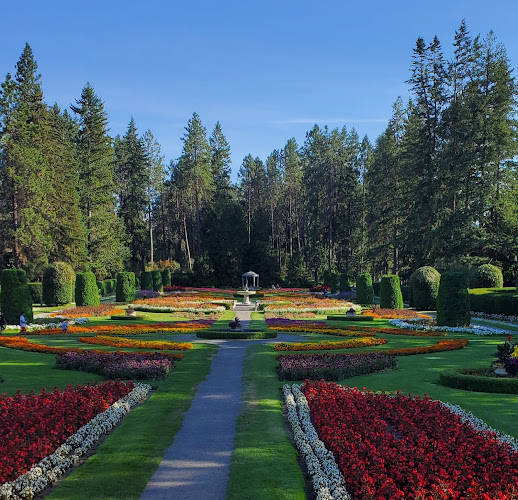
Manito Park
Find Accommodations Nearby
Recommended Tours & Activities
Visitor Reviews
There are no reviews yet. Be the first one to write one.
Share Your Experience
Have you visited Northwest Museum of Arts & Culture? Help other travelers by leaving a review.