
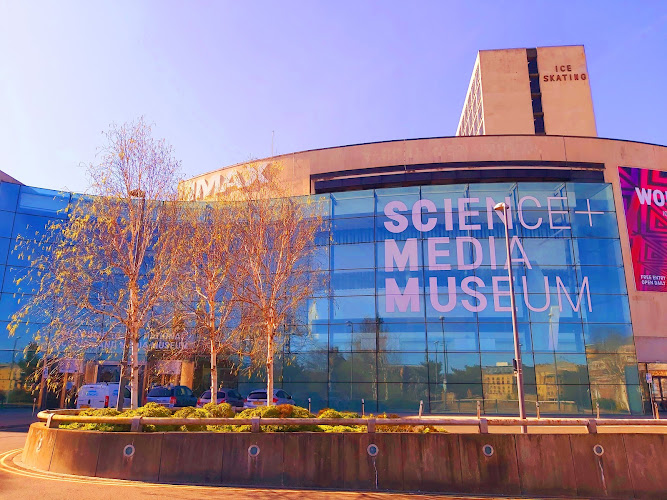
National Science and Media Museum
About National Science and Media Museum
Description
The National Science and Media Museum in Pictureville, Bradford is a hands-on, curious place where the story of image, sound and moving pictures is told with a wink. It positions itself as a modern museum of television, radio, film and photography and does this with a mix of large-scale galleries, smaller themed exhibitions, and an IMAX cinema that still manages to make grown-ups gasp. Visitors who love the mechanics behind what they watch and hear will find plenty to poke at: historic cameras, film posters, early television sets, sound experiments and displays that trace how images and tech shaped culture and everyday life.
Exhibits range from deep dives into photography collections to lively film and animation displays, plus rotating themed exhibitions that change the mood every few months. There is a strong emphasis on the moving image and its science — the museum showcases the evolution of film and broadcast technology alongside modern digital practices, so it’s both a nostalgia trip and a peek into the future. The Pictureville Theatre and IMAX screen host special screenings and live performances, and the museum’s cafe-bar is one of those places that turns a museum break into a mini social event.
Accessibility is taken seriously here: wheelchair accessible entrances, parking and restrooms are in place, and facilities like changing tables make it more practical for families. The on-site amenities include a restaurant and free Wi-Fi, which matters more than people often admit when planning a long city visit. It is bright, sometimes noisy (especially when schools are in), and generally designed to be family-friendly and welcoming to people of all ages and interests.
There is a mix of reactions among visitors, and that’s worth mentioning upfront. Many praise the breadth of the collection and the IMAX experience, while some find particular galleries less engaging or wish for clearer signposting. Queues for popular screenings and exhibitions can form at peak times, so plan accordingly. All in all the museum leans toward a strong, memorable day out for those who appreciate photography, film history, interactive science displays and a good cinema screen.
Key Features
- IMAX cinema and multiple film screens including special screenings and live performance events
- Extensive photography collections and galleries showcasing historical and contemporary images
- Themed exhibitions that rotate regularly, offering fresh reasons to return
- Interactive exhibits about sound, image and broadcasting technology
- Family-friendly facilities: changing tables, accessible restrooms, and hands-on displays for kids
- Onsite cafe-bar and restaurant for relaxed breaks or quick refuels
- Wheelchair accessible entrance and parking, with accessible routes through key galleries
- Paid parking options nearby including a dedicated paid parking lot and street parking
- Free Wi-Fi for planning the rest of the day or sharing that perfect museum photo
- Guided talks, live demonstrations and occasional workshops for deeper engagement
Best Time to Visit
The museum tends to be busiest during school holidays, weekends and when popular IMAX titles or special exhibitions are on — which, frankly, is often. Weekday mornings, especially right after opening, usually offer quieter galleries and better chances to linger by the big photography displays without feeling rushed. Late afternoon weekdays can also be calmer, though the cafe-bar sees a lull at that time so it’s perfect for a relaxed snack.
For film fans wanting the IMAX to themselves, an early weekday screening is a little gem. Families with small children might prefer midweek visits to avoid queues and to make use of changing and family facilities without hunts for space. If someone wants to catch a live performance or a special exhibition opening, that often means more energy in the building — great if they like buzz, less great if they prefer solitude.
Seasonal notes: rainy days often swell indoor visitor numbers across Bradford, so expect more crowds then. Conversely, a fine summer afternoon paired with a weekday visit can feel surprisingly peaceful, and affords time to wander nearby streets and discover local cafes after leaving the museum.
How to Get There
The museum sits in Pictureville in Bradford city centre, so it’s straightforward to reach whether coming by train, bus or car. From the mainline station, visitors can walk or take a short local bus; taxis and rideshares are frequently available to drop off near the entrance. For those driving, there is paid parking close by and options for paid street parking; a paid parking lot serves the area for longer stays. Note that parking spaces can fill up during busy exhibitions and film events, so arriving early or planning alternative transport is wise.
Public transport is often the easiest bet in peak times. Bradford has decent bus connections from surrounding towns and cities, and trains from Leeds and other regional hubs stop within walking distance. Walkers and cyclists are rewarded with a compact city centre route and bike parking nearby. Visitors with accessibility needs will find the museum’s approach is generally manageable, with wheelchair accessible entrances and clearly marked accessible facilities on site.
Tips for Visiting
Buy tickets in advance where possible. Popular IMAX screenings and special exhibitions can sell out, and booking ahead removes the frustration of missing the best bits. The museum’s timetable changes frequently for screenings, live performances and workshops, so double-check what’s on the day one plans to go. If a traveler is on a tight schedule, reserving screening seats or pre-booking exhibition times will save time and stress.
Bring layers. Galleries and theatres can feel cooler than the street, and the climate control means comfort comes in different degrees. Comfortable shoes are a must; there’s more to see than people casually expect and it’s easy to clock up a fair number of steps.
For photographers and film buffs who want to linger, allocate at least two to three hours — longer if a film is on the agenda. The photography collection in particular rewards slow looking; a few quiet moments in front of a single print often reveal stories that a quick scan misses. Conversely, those who prefer highlights can plan a focused one-hour walk through key galleries and then catch a short film or grab a coffee.
Eat smart. The on-site cafe-bar is convenient and pleasant, but it can be busy at peak times. For a slightly more relaxed meal, the nearby streets around the museum have interesting independent cafés and restaurants. Families should note the museum provides family-friendly seating and changing facilities, but bringing a small snack and refillable water bottle makes a visit smoother between exhibits.
Expect mixed pacing. Some galleries are intentionally interactive and noisy, geared to experiments and hands-on learning. Others are contemplative spaces for historical objects and images. If someone wants both moods in one visit, plan to alternate between busy interactive zones and quieter display rooms to avoid sensory overload.
Ask staff for hidden gems. Museum teams often love recommending off-path exhibits or telling quick behind-the-scenes stories; asking can turn a routine visit into a memorable anecdote. And one last tip: the IMAX screenings are a proper treat — better than many multiplex experiences — so if the program includes a subject that intrigues, treat it like a museum highlight.
Finally, be flexible. Themed exhibitions rotate, technical demos and live events pop up, and sometimes parts of the building are used for private events. A little flexibility pays dividends; if a planned gallery is closed, the staff can usually point to an alternative that is just as satisfying. Visitors leave with a better sense of how image and sound shaped modern life, and often with an urge to come back — because there’s always a new film to see or a fresh exhibit to explore.
Key Features
- IMAX cinema and multiple film screens including special screenings and live performance events
- Extensive photography collections and galleries showcasing historical and contemporary images
- Themed exhibitions that rotate regularly, offering fresh reasons to return
- Interactive exhibits about sound, image and broadcasting technology
- Family-friendly facilities: changing tables, accessible restrooms, and hands-on displays for kids
- Onsite cafe-bar and restaurant for relaxed breaks or quick refuels
- Wheelchair accessible entrance and parking, with accessible routes through key galleries
- Paid parking options nearby including a dedicated paid parking lot and street parking
More Details
Updated August 29, 2025
Table of Contents
Description
The National Science and Media Museum in Pictureville, Bradford is a hands-on, curious place where the story of image, sound and moving pictures is told with a wink. It positions itself as a modern museum of television, radio, film and photography and does this with a mix of large-scale galleries, smaller themed exhibitions, and an IMAX cinema that still manages to make grown-ups gasp. Visitors who love the mechanics behind what they watch and hear will find plenty to poke at: historic cameras, film posters, early television sets, sound experiments and displays that trace how images and tech shaped culture and everyday life.
Exhibits range from deep dives into photography collections to lively film and animation displays, plus rotating themed exhibitions that change the mood every few months. There is a strong emphasis on the moving image and its science — the museum showcases the evolution of film and broadcast technology alongside modern digital practices, so it’s both a nostalgia trip and a peek into the future. The Pictureville Theatre and IMAX screen host special screenings and live performances, and the museum’s cafe-bar is one of those places that turns a museum break into a mini social event.
Accessibility is taken seriously here: wheelchair accessible entrances, parking and restrooms are in place, and facilities like changing tables make it more practical for families. The on-site amenities include a restaurant and free Wi-Fi, which matters more than people often admit when planning a long city visit. It is bright, sometimes noisy (especially when schools are in), and generally designed to be family-friendly and welcoming to people of all ages and interests.
There is a mix of reactions among visitors, and that’s worth mentioning upfront. Many praise the breadth of the collection and the IMAX experience, while some find particular galleries less engaging or wish for clearer signposting. Queues for popular screenings and exhibitions can form at peak times, so plan accordingly. All in all the museum leans toward a strong, memorable day out for those who appreciate photography, film history, interactive science displays and a good cinema screen.
Key Features
- IMAX cinema and multiple film screens including special screenings and live performance events
- Extensive photography collections and galleries showcasing historical and contemporary images
- Themed exhibitions that rotate regularly, offering fresh reasons to return
- Interactive exhibits about sound, image and broadcasting technology
- Family-friendly facilities: changing tables, accessible restrooms, and hands-on displays for kids
- Onsite cafe-bar and restaurant for relaxed breaks or quick refuels
- Wheelchair accessible entrance and parking, with accessible routes through key galleries
- Paid parking options nearby including a dedicated paid parking lot and street parking
- Free Wi-Fi for planning the rest of the day or sharing that perfect museum photo
- Guided talks, live demonstrations and occasional workshops for deeper engagement
Best Time to Visit
The museum tends to be busiest during school holidays, weekends and when popular IMAX titles or special exhibitions are on — which, frankly, is often. Weekday mornings, especially right after opening, usually offer quieter galleries and better chances to linger by the big photography displays without feeling rushed. Late afternoon weekdays can also be calmer, though the cafe-bar sees a lull at that time so it’s perfect for a relaxed snack.
For film fans wanting the IMAX to themselves, an early weekday screening is a little gem. Families with small children might prefer midweek visits to avoid queues and to make use of changing and family facilities without hunts for space. If someone wants to catch a live performance or a special exhibition opening, that often means more energy in the building — great if they like buzz, less great if they prefer solitude.
Seasonal notes: rainy days often swell indoor visitor numbers across Bradford, so expect more crowds then. Conversely, a fine summer afternoon paired with a weekday visit can feel surprisingly peaceful, and affords time to wander nearby streets and discover local cafes after leaving the museum.
How to Get There
The museum sits in Pictureville in Bradford city centre, so it’s straightforward to reach whether coming by train, bus or car. From the mainline station, visitors can walk or take a short local bus; taxis and rideshares are frequently available to drop off near the entrance. For those driving, there is paid parking close by and options for paid street parking; a paid parking lot serves the area for longer stays. Note that parking spaces can fill up during busy exhibitions and film events, so arriving early or planning alternative transport is wise.
Public transport is often the easiest bet in peak times. Bradford has decent bus connections from surrounding towns and cities, and trains from Leeds and other regional hubs stop within walking distance. Walkers and cyclists are rewarded with a compact city centre route and bike parking nearby. Visitors with accessibility needs will find the museum’s approach is generally manageable, with wheelchair accessible entrances and clearly marked accessible facilities on site.
Tips for Visiting
Buy tickets in advance where possible. Popular IMAX screenings and special exhibitions can sell out, and booking ahead removes the frustration of missing the best bits. The museum’s timetable changes frequently for screenings, live performances and workshops, so double-check what’s on the day one plans to go. If a traveler is on a tight schedule, reserving screening seats or pre-booking exhibition times will save time and stress.
Bring layers. Galleries and theatres can feel cooler than the street, and the climate control means comfort comes in different degrees. Comfortable shoes are a must; there’s more to see than people casually expect and it’s easy to clock up a fair number of steps.
For photographers and film buffs who want to linger, allocate at least two to three hours — longer if a film is on the agenda. The photography collection in particular rewards slow looking; a few quiet moments in front of a single print often reveal stories that a quick scan misses. Conversely, those who prefer highlights can plan a focused one-hour walk through key galleries and then catch a short film or grab a coffee.
Eat smart. The on-site cafe-bar is convenient and pleasant, but it can be busy at peak times. For a slightly more relaxed meal, the nearby streets around the museum have interesting independent cafés and restaurants. Families should note the museum provides family-friendly seating and changing facilities, but bringing a small snack and refillable water bottle makes a visit smoother between exhibits.
Expect mixed pacing. Some galleries are intentionally interactive and noisy, geared to experiments and hands-on learning. Others are contemplative spaces for historical objects and images. If someone wants both moods in one visit, plan to alternate between busy interactive zones and quieter display rooms to avoid sensory overload.
Ask staff for hidden gems. Museum teams often love recommending off-path exhibits or telling quick behind-the-scenes stories; asking can turn a routine visit into a memorable anecdote. And one last tip: the IMAX screenings are a proper treat — better than many multiplex experiences — so if the program includes a subject that intrigues, treat it like a museum highlight.
Finally, be flexible. Themed exhibitions rotate, technical demos and live events pop up, and sometimes parts of the building are used for private events. A little flexibility pays dividends; if a planned gallery is closed, the staff can usually point to an alternative that is just as satisfying. Visitors leave with a better sense of how image and sound shaped modern life, and often with an urge to come back — because there’s always a new film to see or a fresh exhibit to explore.
Key Highlights
- IMAX cinema and multiple film screens including special screenings and live performance events
- Extensive photography collections and galleries showcasing historical and contemporary images
- Themed exhibitions that rotate regularly, offering fresh reasons to return
- Interactive exhibits about sound, image and broadcasting technology
- Family-friendly facilities: changing tables, accessible restrooms, and hands-on displays for kids
- Onsite cafe-bar and restaurant for relaxed breaks or quick refuels
- Wheelchair accessible entrance and parking, with accessible routes through key galleries
- Paid parking options nearby including a dedicated paid parking lot and street parking
Location
Places to Stay Near National Science and Media Museum
Find and Book a Tour
Explore More Travel Guides
No reviews found! Be the first to review!
Traveler Reviews for National Science and Media Museum
There are no reviews yet. Be the first one to write one.
Have you visited National Science and Media Museum? Help other travelers by sharing your review.
You Might Also Like

Russell Hall Park

Bowling Park

Bolling Hall
Find Accommodations Nearby
Recommended Tours & Activities
Visitor Reviews
There are no reviews yet. Be the first one to write one.
Share Your Experience
Have you visited National Science and Media Museum? Help other travelers by leaving a review.