About National Museum of Myanmar (Naypyidaw)

Description

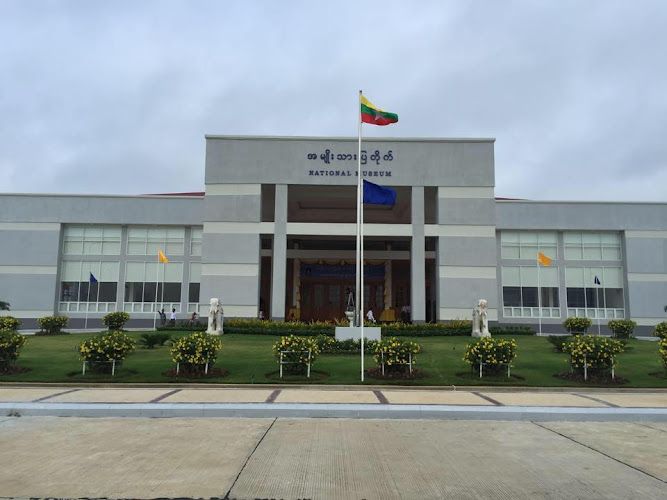
The National Museum of Myanmar in Naypyidaw is the kind of place that makes you pause and think about how much history can live within four walls. It’s not just another museum filled with old artifacts behind glass; it’s a living, breathing space that tells the story of an entire nation. Located in Myanmar’s capital city, this museum stands as a proud symbol of the country’s cultural identity and evolution. I remember walking through its grand entrance on a warm afternoon, the subtle hum of the air conditioning greeting me like a polite host. It’s modern, clean, and surprisingly quiet—almost like the building itself wants to give you space to think.

The museum showcases Myanmar’s story from prehistoric times to the present day. You’ll find everything from ancient royal regalia to Buddhist art, traditional musical instruments, and even displays on the country’s diverse ethnic groups. It’s the kind of place where you can spend hours wandering and still feel like you’ve barely scratched the surface. And if you’re anything like me, you’ll find yourself stopping every few minutes just to admire the craftsmanship of an artifact or the sheer beauty of a centuries-old manuscript.

What’s particularly impressive is how well the exhibits are curated. Each hall flows naturally into the next, guiding you through the different eras of Burmese history without ever feeling overwhelming. The lighting is soft but purposeful, drawing your attention to the right details. There’s a sense of reverence here, but it’s not stuffy or pretentious. It feels genuine—like the people who built this museum truly care about preserving their heritage. And honestly, that’s something you can feel in the air.

While most visitors rave about the grandeur of the Royal Regalia Hall, my personal favorite was the section dedicated to traditional crafts. Watching videos of artisans weaving and carving with such precision reminded me of my grandmother’s handwoven textiles back home. It’s those little human touches that make the museum more than just a collection of objects—it’s a tribute to the people behind them.

Key Features

  • Extensive Historical Exhibits: Displays covering Myanmar’s evolution from prehistoric civilizations to modern independence.
  • Royal Regalia Hall: A breathtaking collection of thrones, crowns, and ceremonial artifacts once used by Burmese kings.
  • Ethnography Galleries: Insight into the lifestyles, clothing, and traditions of Myanmar’s many ethnic groups.
  • Buddhist Art and Sculpture: Exquisite statues, relics, and murals that reflect the country’s deep spiritual heritage.
  • Children-Friendly Spaces: Interactive displays and visual storytelling that keep younger visitors engaged.
  • Accessibility: Fully wheelchair accessible, with ramps, restrooms, and wide corridors for easy navigation.
  • Modern Architecture: A sleek, contemporary design that complements the museum’s cultural depth.
  • Photography Allowed in Certain Areas: Visitors can capture parts of their experience, though some halls restrict photography.

Best Time to Visit

If you’re planning your trip, the best time to visit the National Museum of Myanmar is between November and February. The weather in Naypyidaw during these months is cooler and more comfortable, making it easier to explore without feeling drained by the heat. The museum itself is air-conditioned, but trust me—walking around the capital before or after your visit can be much more pleasant when the sun isn’t blazing.

Weekdays tend to be quieter, which means you’ll have more space to linger in front of exhibits without feeling rushed. I once visited on a Sunday, and while it wasn’t crowded by big-city standards, there were definitely more families and school groups. If you enjoy a bit of buzz and local energy, weekends have their charm too. The museum is open year-round, so even if you’re traveling outside peak season, it’s still worth visiting—especially if you’re seeking a peaceful, air-conditioned escape from the tropical weather.

How to Get There

Getting to the museum is pretty straightforward if you’re staying in Naypyidaw. The city’s layout is spacious and well-planned, so traffic isn’t usually an issue. Most visitors either hire a private taxi or use a local driver for the day, which is both convenient and affordable. Public transport options are limited, but some hotels can arrange shuttle services upon request.

If you’re coming from Yangon or Mandalay, you can reach Naypyidaw by bus, train, or domestic flight. The museum is located near the city’s main government district, so it’s easy to combine your visit with other attractions like Uppatasanti Pagoda or the Parliament complex. And honestly, part of the fun is just driving through Naypyidaw’s wide, almost surreal roads—it feels like a city designed for the future, with space and calm that you rarely find in Southeast Asian capitals.

Tips for Visiting

Here’s the thing about the National Museum of Myanmar: it’s huge. Like, really huge. So my first piece of advice? Wear comfortable shoes. You’ll be walking a lot, and while the floors are smooth and spotless, your feet will thank you later. Also, bring a bottle of water. There’s no café or restaurant inside, and you’ll definitely get thirsty midway through exploring.

Photography rules vary by section, so check the signs before snapping pictures. Some of the most delicate artifacts—especially those in the Royal Regalia Hall—are off-limits for photography to protect them from light damage. It’s worth respecting those rules; the staff are friendly but firm about it.

If you’re traveling with kids, you’ll be happy to know that the museum is family-friendly. The exhibits are visually engaging, and there’s enough variety to keep younger visitors interested. My niece, who’s usually impatient in museums, spent nearly half an hour watching a video about ancient Burmese architecture—it was that captivating.

Accessibility-wise, the museum does an excellent job. Ramps, elevators, and wheelchair-accessible restrooms make it easy for everyone to enjoy the visit. The staff are also helpful if you need assistance, which adds to the overall welcoming vibe.

Plan to spend at least two to three hours here if you want to see everything at a comfortable pace. But if you’re a history buff or an art lover, you could easily spend half a day exploring every corner. And trust me, it’s worth taking your time. Each exhibit tells a story, and when you string them all together, you start to see the bigger picture of Myanmar’s identity—its struggles, triumphs, and unshakable sense of pride.

One last thing: don’t rush out after your visit. Step outside, take a moment to look at the museum’s architecture from the outside—it’s striking in its simplicity, with clean lines and an almost meditative symmetry. It’s the kind of place that leaves a quiet impression, one that lingers long after you’ve left. If you’re someone who loves learning about cultures through their art and history, the National Museum of Myanmar in Naypyidaw is not just a stop on your itinerary—it’s an experience that stays with you.

Key Features

  • Key Features
  • Best Time to Visit
  • How to Get There
  • Tips for Visiting

More Details

Updated October 11, 2025


Description

The National Museum of Myanmar in Naypyidaw is the kind of place that makes you pause and think about how much history can live within four walls. It’s not just another museum filled with old artifacts behind glass; it’s a living, breathing space that tells the story of an entire nation. Located in Myanmar’s capital city, this museum stands as a proud symbol of the country’s cultural identity and evolution. I remember walking through its grand entrance on a warm afternoon, the subtle hum of the air conditioning greeting me like a polite host. It’s modern, clean, and surprisingly quiet—almost like the building itself wants to give you space to think.

The museum showcases Myanmar’s story from prehistoric times to the present day. You’ll find everything from ancient royal regalia to Buddhist art, traditional musical instruments, and even displays on the country’s diverse ethnic groups. It’s the kind of place where you can spend hours wandering and still feel like you’ve barely scratched the surface. And if you’re anything like me, you’ll find yourself stopping every few minutes just to admire the craftsmanship of an artifact or the sheer beauty of a centuries-old manuscript.

What’s particularly impressive is how well the exhibits are curated. Each hall flows naturally into the next, guiding you through the different eras of Burmese history without ever feeling overwhelming. The lighting is soft but purposeful, drawing your attention to the right details. There’s a sense of reverence here, but it’s not stuffy or pretentious. It feels genuine—like the people who built this museum truly care about preserving their heritage. And honestly, that’s something you can feel in the air.

While most visitors rave about the grandeur of the Royal Regalia Hall, my personal favorite was the section dedicated to traditional crafts. Watching videos of artisans weaving and carving with such precision reminded me of my grandmother’s handwoven textiles back home. It’s those little human touches that make the museum more than just a collection of objects—it’s a tribute to the people behind them.

Key Features

  • Extensive Historical Exhibits: Displays covering Myanmar’s evolution from prehistoric civilizations to modern independence.
  • Royal Regalia Hall: A breathtaking collection of thrones, crowns, and ceremonial artifacts once used by Burmese kings.
  • Ethnography Galleries: Insight into the lifestyles, clothing, and traditions of Myanmar’s many ethnic groups.
  • Buddhist Art and Sculpture: Exquisite statues, relics, and murals that reflect the country’s deep spiritual heritage.
  • Children-Friendly Spaces: Interactive displays and visual storytelling that keep younger visitors engaged.
  • Accessibility: Fully wheelchair accessible, with ramps, restrooms, and wide corridors for easy navigation.
  • Modern Architecture: A sleek, contemporary design that complements the museum’s cultural depth.
  • Photography Allowed in Certain Areas: Visitors can capture parts of their experience, though some halls restrict photography.

Best Time to Visit

If you’re planning your trip, the best time to visit the National Museum of Myanmar is between November and February. The weather in Naypyidaw during these months is cooler and more comfortable, making it easier to explore without feeling drained by the heat. The museum itself is air-conditioned, but trust me—walking around the capital before or after your visit can be much more pleasant when the sun isn’t blazing.

Weekdays tend to be quieter, which means you’ll have more space to linger in front of exhibits without feeling rushed. I once visited on a Sunday, and while it wasn’t crowded by big-city standards, there were definitely more families and school groups. If you enjoy a bit of buzz and local energy, weekends have their charm too. The museum is open year-round, so even if you’re traveling outside peak season, it’s still worth visiting—especially if you’re seeking a peaceful, air-conditioned escape from the tropical weather.

How to Get There

Getting to the museum is pretty straightforward if you’re staying in Naypyidaw. The city’s layout is spacious and well-planned, so traffic isn’t usually an issue. Most visitors either hire a private taxi or use a local driver for the day, which is both convenient and affordable. Public transport options are limited, but some hotels can arrange shuttle services upon request.

If you’re coming from Yangon or Mandalay, you can reach Naypyidaw by bus, train, or domestic flight. The museum is located near the city’s main government district, so it’s easy to combine your visit with other attractions like Uppatasanti Pagoda or the Parliament complex. And honestly, part of the fun is just driving through Naypyidaw’s wide, almost surreal roads—it feels like a city designed for the future, with space and calm that you rarely find in Southeast Asian capitals.

Tips for Visiting

Here’s the thing about the National Museum of Myanmar: it’s huge. Like, really huge. So my first piece of advice? Wear comfortable shoes. You’ll be walking a lot, and while the floors are smooth and spotless, your feet will thank you later. Also, bring a bottle of water. There’s no café or restaurant inside, and you’ll definitely get thirsty midway through exploring.

Photography rules vary by section, so check the signs before snapping pictures. Some of the most delicate artifacts—especially those in the Royal Regalia Hall—are off-limits for photography to protect them from light damage. It’s worth respecting those rules; the staff are friendly but firm about it.

If you’re traveling with kids, you’ll be happy to know that the museum is family-friendly. The exhibits are visually engaging, and there’s enough variety to keep younger visitors interested. My niece, who’s usually impatient in museums, spent nearly half an hour watching a video about ancient Burmese architecture—it was that captivating.

Accessibility-wise, the museum does an excellent job. Ramps, elevators, and wheelchair-accessible restrooms make it easy for everyone to enjoy the visit. The staff are also helpful if you need assistance, which adds to the overall welcoming vibe.

Plan to spend at least two to three hours here if you want to see everything at a comfortable pace. But if you’re a history buff or an art lover, you could easily spend half a day exploring every corner. And trust me, it’s worth taking your time. Each exhibit tells a story, and when you string them all together, you start to see the bigger picture of Myanmar’s identity—its struggles, triumphs, and unshakable sense of pride.

One last thing: don’t rush out after your visit. Step outside, take a moment to look at the museum’s architecture from the outside—it’s striking in its simplicity, with clean lines and an almost meditative symmetry. It’s the kind of place that leaves a quiet impression, one that lingers long after you’ve left. If you’re someone who loves learning about cultures through their art and history, the National Museum of Myanmar in Naypyidaw is not just a stop on your itinerary—it’s an experience that stays with you.

Key Highlights

  • Key Features
  • Best Time to Visit
  • How to Get There
  • Tips for Visiting

Location

Places to Stay Near National Museum of Myanmar (Naypyidaw)

Find and Book a Tour

Explore More Travel Guides

No reviews found! Be the first to review!

Traveler Reviews for National Museum of Myanmar (Naypyidaw)

There are no reviews yet. Be the first one to write one.

Share Your Experience

Have you visited National Museum of Myanmar (Naypyidaw)? Help other travelers by sharing your review.

Find Accommodations Nearby

Recommended Tours & Activities

Visitor Reviews

There are no reviews yet. Be the first one to write one.

Share Your Experience

Have you visited National Museum of Myanmar (Naypyidaw)? Help other travelers by leaving a review.