
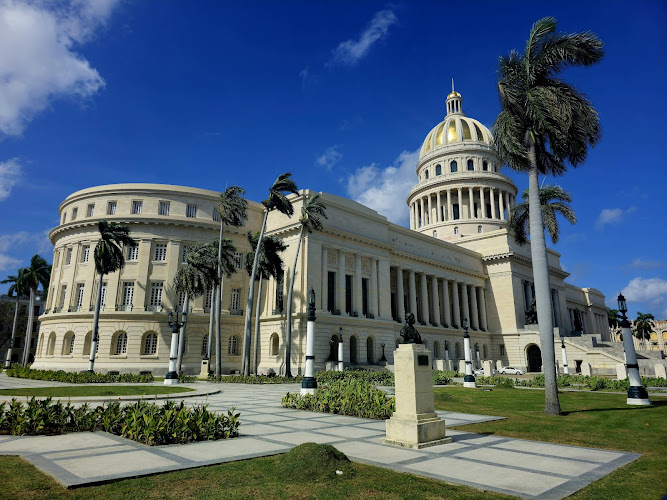
National Capitol of Cuba
About National Capitol of Cuba
Description
The National Capitol of Cuba, known locally as El Capitolio, stands as one of Havana’s most iconic landmarks—a grand architectural statement that’s impossible to miss when wandering through the city. Completed in 1929, this monumental building once served as the seat of government and today houses the Cuban Academy of Sciences and the National Assembly. Its massive dome dominates the skyline, reminiscent of Washington D.C.’s Capitol, yet with a flair that’s unmistakably Cuban—ornate, proud, and a little bit dramatic in the best way possible.
Walking up to it for the first time, you can almost feel the weight of history pressing against those marble steps. I remember the first time I stood at its base—it was humid, the air thick with that Havana mix of salt and diesel, and the sound of classic cars rumbling by. The building gleamed under the Caribbean sun, its limestone exterior glowing almost golden. There’s something magnetic about it. You can tell that this place has seen revolutions, parades, and countless tourists craning their necks just to get that perfect photo of the dome.
Inside, the grandeur continues. The interior is filled with marble floors, gilded details, and towering columns that make you feel both tiny and awestruck. The main hall features La Estatua de la República—a colossal bronze statue that’s one of the largest indoor statues in the world. Trust me, standing beneath it gives you chills. The craftsmanship is unreal, and every inch of the building seems to whisper stories from Cuba’s complex political and cultural past.
While not everything is perfectly preserved (you might notice a few cracks here and there), that’s part of its charm. It’s a place that has lived many lives, and it wears its history proudly. Some travelers find it overwhelming; others, like me, find it deeply moving. Either way, it’s the kind of site that sticks with you long after you’ve left.
Key Features
- Majestic Dome: The Capitol’s dome is one of the tallest in the world, even taller than the one in Washington, D.C. It’s topped with a 24-karat gold-coated replica of the Republic’s coat of arms—a dazzling sight when the sun hits it just right.
- La Estatua de la República: This bronze statue stands over 15 meters tall and represents the spirit of the Cuban people. It’s incredibly detailed, and seeing it in person gives you a real sense of the artistry behind the Capitol’s design.
- Hall of Lost Steps: Named for its incredible acoustics, this grand hallway is lined with marble and leads to the main chamber. You can literally hear your footsteps echo dramatically as you walk through—it’s almost cinematic.
- Architectural Blend: The building combines neoclassical and art deco elements, giving it a unique personality that reflects the era it was built in. It’s elegant, but not sterile—there’s warmth in its details.
- Restoration Efforts: After years of wear, major restoration projects have brought the Capitol back to its former glory. The craftsmanship involved is impressive, and visitors today can appreciate both its historical authenticity and renewed splendor.
- Public Access: Visitors can explore parts of the interior with guided tours, learning about its political history and architectural significance. It’s not just a pretty façade—it’s a living piece of Cuban identity.
Best Time to Visit
If you’re planning a trip, the best time to visit the National Capitol is between November and April. The weather is cooler, the skies are clearer, and you’ll avoid the heavy summer humidity that can make walking around Havana a sweaty affair. I went in February once, and it was perfect—sunny but not scorching, with a soft breeze that made sitting on the Capitol’s steps feel almost poetic.
Morning visits are ideal if you want to beat the crowds and get those crisp photos with fewer people in the background. The light hits the dome beautifully in the early hours, making for some stunning shots. Late afternoon is also lovely, especially if you enjoy watching the city glow during golden hour. At night, the building is illuminated, and it’s a completely different experience—quiet, majestic, almost cinematic. You might even catch a few locals sitting nearby, chatting or playing music, which adds to the charm.
How to Get There
The Capitol sits right in the heart of Havana, so getting there is pretty straightforward. If you’re staying in Old Havana, you can easily walk—it’s about a 10- to 15-minute stroll from most central hotels and plazas. The walk itself is half the fun, passing through streets filled with classic cars, pastel-colored buildings, and the occasional street musician serenading passersby.
For those coming from farther out, taxis and vintage cars (the kind you’ve seen in every Havana postcard) are your best bet. Always agree on the fare before you hop in; it’s part of the local dance of negotiation. If you’re in Vedado or Miramar, expect a 10- to 20-minute ride depending on traffic. Some travelers prefer to take a bici-taxi for the experience—it’s slower but offers a more intimate look at the city’s rhythm. Public buses are available but can be confusing for non-locals, so unless you’re feeling adventurous, I’d skip that option.
Once you arrive, you’ll find the Capitol surrounded by other notable landmarks like the Gran Teatro de La Habana and Parque Central, making it easy to bundle your visit with other nearby attractions. It’s a great area to spend half a day exploring, especially if you’re into architecture or photography.
Tips for Visiting
First off, wear comfortable shoes. The Capitol’s marble floors and the surrounding streets can be tough on your feet if you’re not prepared. And bring water—it gets hot, even in the cooler months. There’s a small café nearby where you can grab a coffee or a cold drink, but having a bottle on hand is always smart.
Guided tours are worth it. They’re not expensive, and the guides often share fascinating stories you’d never find in a travel book. One guide told me about how the building’s central point was once considered “Kilometer Zero” for all of Cuba’s highways—a small detail, but one that adds depth to your visit. Plus, they’ll point out hidden details you might miss, like ornate ceiling carvings or original light fixtures that survived decades of change.
Photography is allowed in most areas, so bring your camera or phone fully charged. The lighting indoors can be tricky, so if you’re into photography, play around with your angles and settings—you’ll get some incredible shots of the dome and corridors. Just be respectful; some areas are restricted, and guards will kindly (or not-so-kindly) remind you if you cross the line.
Accessibility-wise, it’s worth noting that the main entrance isn’t wheelchair-friendly. There are stairs leading up to the portico, and while some side entrances may offer easier access, it’s still a challenge for those with mobility issues. Restrooms are available inside, though, and they’re surprisingly clean compared to many public facilities in Havana.
Finally, take your time. Don’t rush through it like a checklist item. Sit on the steps. Watch the locals go about their day. Listen to the echoes in the Hall of Lost Steps. The Capitol isn’t just a building—it’s a symbol of Cuba’s resilience, beauty, and contradictions. Every crack in its marble, every restored column tells a story. And if you let yourself slow down, you’ll feel a connection that goes beyond sightseeing—it’s like stepping into the living heart of Havana itself.
In the end, the National Capitol of Cuba isn’t just a stop on your itinerary—it’s an experience. It’s where history, art, and politics collide in one magnificent structure. Whether you’re an architecture buff, a history lover, or just someone who appreciates beautiful places, it’s one of those landmarks that makes you pause, look up, and think, “Wow, this is what travel is all about.”
Key Features
- Key Features
- Best Time to Visit
- How to Get There
- Tips for Visiting
More Details
Updated December 1, 2025
Table of Contents
Description
The National Capitol of Cuba, known locally as El Capitolio, stands as one of Havana’s most iconic landmarks—a grand architectural statement that’s impossible to miss when wandering through the city. Completed in 1929, this monumental building once served as the seat of government and today houses the Cuban Academy of Sciences and the National Assembly. Its massive dome dominates the skyline, reminiscent of Washington D.C.’s Capitol, yet with a flair that’s unmistakably Cuban—ornate, proud, and a little bit dramatic in the best way possible.
Walking up to it for the first time, you can almost feel the weight of history pressing against those marble steps. I remember the first time I stood at its base—it was humid, the air thick with that Havana mix of salt and diesel, and the sound of classic cars rumbling by. The building gleamed under the Caribbean sun, its limestone exterior glowing almost golden. There’s something magnetic about it. You can tell that this place has seen revolutions, parades, and countless tourists craning their necks just to get that perfect photo of the dome.
Inside, the grandeur continues. The interior is filled with marble floors, gilded details, and towering columns that make you feel both tiny and awestruck. The main hall features La Estatua de la República—a colossal bronze statue that’s one of the largest indoor statues in the world. Trust me, standing beneath it gives you chills. The craftsmanship is unreal, and every inch of the building seems to whisper stories from Cuba’s complex political and cultural past.
While not everything is perfectly preserved (you might notice a few cracks here and there), that’s part of its charm. It’s a place that has lived many lives, and it wears its history proudly. Some travelers find it overwhelming; others, like me, find it deeply moving. Either way, it’s the kind of site that sticks with you long after you’ve left.
Key Features
- Majestic Dome: The Capitol’s dome is one of the tallest in the world, even taller than the one in Washington, D.C. It’s topped with a 24-karat gold-coated replica of the Republic’s coat of arms—a dazzling sight when the sun hits it just right.
- La Estatua de la República: This bronze statue stands over 15 meters tall and represents the spirit of the Cuban people. It’s incredibly detailed, and seeing it in person gives you a real sense of the artistry behind the Capitol’s design.
- Hall of Lost Steps: Named for its incredible acoustics, this grand hallway is lined with marble and leads to the main chamber. You can literally hear your footsteps echo dramatically as you walk through—it’s almost cinematic.
- Architectural Blend: The building combines neoclassical and art deco elements, giving it a unique personality that reflects the era it was built in. It’s elegant, but not sterile—there’s warmth in its details.
- Restoration Efforts: After years of wear, major restoration projects have brought the Capitol back to its former glory. The craftsmanship involved is impressive, and visitors today can appreciate both its historical authenticity and renewed splendor.
- Public Access: Visitors can explore parts of the interior with guided tours, learning about its political history and architectural significance. It’s not just a pretty façade—it’s a living piece of Cuban identity.
Best Time to Visit
If you’re planning a trip, the best time to visit the National Capitol is between November and April. The weather is cooler, the skies are clearer, and you’ll avoid the heavy summer humidity that can make walking around Havana a sweaty affair. I went in February once, and it was perfect—sunny but not scorching, with a soft breeze that made sitting on the Capitol’s steps feel almost poetic.
Morning visits are ideal if you want to beat the crowds and get those crisp photos with fewer people in the background. The light hits the dome beautifully in the early hours, making for some stunning shots. Late afternoon is also lovely, especially if you enjoy watching the city glow during golden hour. At night, the building is illuminated, and it’s a completely different experience—quiet, majestic, almost cinematic. You might even catch a few locals sitting nearby, chatting or playing music, which adds to the charm.
How to Get There
The Capitol sits right in the heart of Havana, so getting there is pretty straightforward. If you’re staying in Old Havana, you can easily walk—it’s about a 10- to 15-minute stroll from most central hotels and plazas. The walk itself is half the fun, passing through streets filled with classic cars, pastel-colored buildings, and the occasional street musician serenading passersby.
For those coming from farther out, taxis and vintage cars (the kind you’ve seen in every Havana postcard) are your best bet. Always agree on the fare before you hop in; it’s part of the local dance of negotiation. If you’re in Vedado or Miramar, expect a 10- to 20-minute ride depending on traffic. Some travelers prefer to take a bici-taxi for the experience—it’s slower but offers a more intimate look at the city’s rhythm. Public buses are available but can be confusing for non-locals, so unless you’re feeling adventurous, I’d skip that option.
Once you arrive, you’ll find the Capitol surrounded by other notable landmarks like the Gran Teatro de La Habana and Parque Central, making it easy to bundle your visit with other nearby attractions. It’s a great area to spend half a day exploring, especially if you’re into architecture or photography.
Tips for Visiting
First off, wear comfortable shoes. The Capitol’s marble floors and the surrounding streets can be tough on your feet if you’re not prepared. And bring water—it gets hot, even in the cooler months. There’s a small café nearby where you can grab a coffee or a cold drink, but having a bottle on hand is always smart.
Guided tours are worth it. They’re not expensive, and the guides often share fascinating stories you’d never find in a travel book. One guide told me about how the building’s central point was once considered “Kilometer Zero” for all of Cuba’s highways—a small detail, but one that adds depth to your visit. Plus, they’ll point out hidden details you might miss, like ornate ceiling carvings or original light fixtures that survived decades of change.
Photography is allowed in most areas, so bring your camera or phone fully charged. The lighting indoors can be tricky, so if you’re into photography, play around with your angles and settings—you’ll get some incredible shots of the dome and corridors. Just be respectful; some areas are restricted, and guards will kindly (or not-so-kindly) remind you if you cross the line.
Accessibility-wise, it’s worth noting that the main entrance isn’t wheelchair-friendly. There are stairs leading up to the portico, and while some side entrances may offer easier access, it’s still a challenge for those with mobility issues. Restrooms are available inside, though, and they’re surprisingly clean compared to many public facilities in Havana.
Finally, take your time. Don’t rush through it like a checklist item. Sit on the steps. Watch the locals go about their day. Listen to the echoes in the Hall of Lost Steps. The Capitol isn’t just a building—it’s a symbol of Cuba’s resilience, beauty, and contradictions. Every crack in its marble, every restored column tells a story. And if you let yourself slow down, you’ll feel a connection that goes beyond sightseeing—it’s like stepping into the living heart of Havana itself.
In the end, the National Capitol of Cuba isn’t just a stop on your itinerary—it’s an experience. It’s where history, art, and politics collide in one magnificent structure. Whether you’re an architecture buff, a history lover, or just someone who appreciates beautiful places, it’s one of those landmarks that makes you pause, look up, and think, “Wow, this is what travel is all about.”
Key Highlights
- Key Features
- Best Time to Visit
- How to Get There
- Tips for Visiting
Location
Places to Stay Near National Capitol of Cuba
Find and Book a Tour
Explore More Travel Guides
No reviews found! Be the first to review!
Traveler Reviews for National Capitol of Cuba
There are no reviews yet. Be the first one to write one.
Have you visited National Capitol of Cuba? Help other travelers by sharing your review.
You Might Also Like
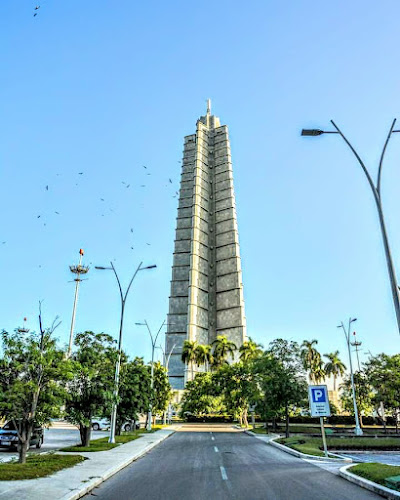
Havana
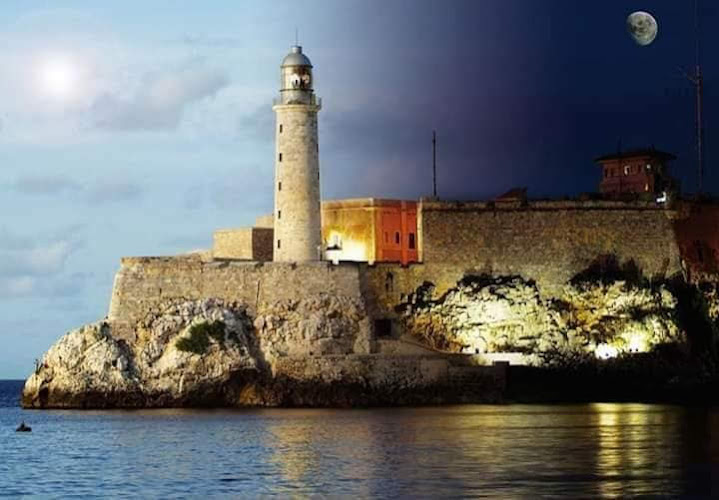
Castle of the Three Kings of Morro

Cathedral of the Immaculate Conception of the Virgin Mary
Find Accommodations Nearby
Recommended Tours & Activities
Visitor Reviews
There are no reviews yet. Be the first one to write one.
Share Your Experience
Have you visited National Capitol of Cuba? Help other travelers by leaving a review.