
Narayanhiti Palace
About Narayanhiti Palace
Description
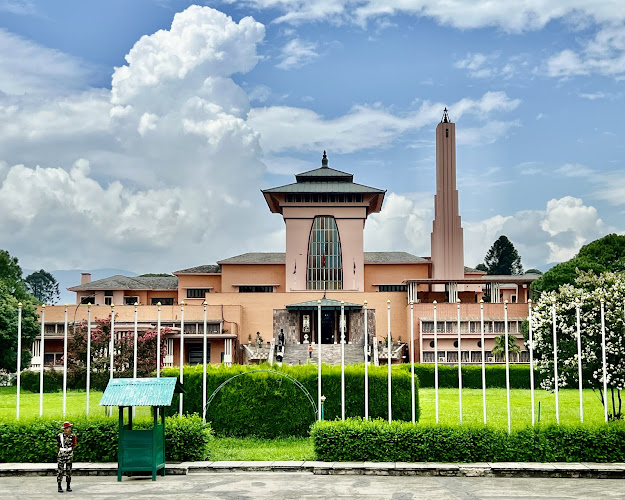
The Narayanhiti Palace Museum in Kathmandu is one of those places that quietly pulls you in with its layers of history. Once the royal residence of Nepal’s Shah dynasty, it’s now a museum that tells a story much deeper than just kings and crowns. The palace became a public museum in 2008, following Nepal’s transition from monarchy to republic, and walking through its halls feels like stepping into a living timeline of the nation’s political and cultural transformation.
I remember my first visit there—standing before the grand pink façade, I couldn’t help but think about how this same building once hosted lavish royal ceremonies and political meetings that shaped the nation. And yet, today, it’s open for everyone to explore. There’s something poetic about that, don’t you think?
Inside, the rooms are preserved almost exactly as they were left. The chandeliers still glimmer faintly, the carpets still whisper of royal footsteps, and the air carries a weight of history that’s hard to describe. The most haunting part, though, is the site of the tragic 2001 royal massacre, where King Birendra and several members of the royal family lost their lives. The museum doesn’t sensationalize it—it simply presents the facts, leaving visitors to reflect quietly.
The museum is well-maintained, and while some parts feel frozen in time, others have been carefully restored to ensure accessibility and safety. The staff are helpful, and the atmosphere is more contemplative than touristy. It’s not the kind of place you rush through; it’s one you absorb slowly.
Key Features
- Former royal palace turned public museum, offering a rare glimpse into Nepal’s monarchy.
- Authentic preservation of royal chambers, meeting halls, and ceremonial rooms.
- Exhibition of royal regalia, including crowns, jewels, and personal artifacts of former monarchs.
- Site of the 2001 Nepalese Royal Massacre, with a dedicated section marking the event.
- Wheelchair-accessible facilities including entrances, restrooms, and parking areas.
- Family-friendly environment suitable for children interested in history and culture.
- Peaceful gardens and courtyards that contrast beautifully with the palace’s grand architecture.
- Photography restrictions inside the main halls to preserve artifacts and privacy.
One of the most fascinating details is the architecture itself—a blend of traditional Nepali design and mid-20th-century modern influences. It’s not overly ornate, but it carries an understated elegance that feels distinctly Nepali. The name “Narayanhiti” comes from two words: “Narayan,” referring to the Hindu god Vishnu, and “Hiti,” meaning water spout. The palace’s name literally means “the water spout of Lord Vishnu,” which feels symbolic considering how deeply religion and royalty were intertwined in Nepal’s past.
Best Time to Visit
Kathmandu’s weather plays a big role in shaping your experience here. The best time to visit Narayanhiti Palace Museum is between October and March, when the skies are clear, and the air is crisp. During this period, you can stroll through the palace grounds without sweating under the midday sun.
I once visited during the monsoon season, and while the rain added a moody charm to the palace’s exterior, it made moving between sections a bit tricky. So, unless you’re into that kind of atmospheric drizzle (which I secretly am), you might prefer the drier months.
If you’re lucky enough to visit during one of Nepal’s major festivals—like Dashain or Tihar—you’ll witness the city around the palace come alive with lights, music, and rituals. Even though the museum itself remains calm, the festive energy outside adds a whole new dimension to the experience.
How to Get There
The palace sits right in the heart of Kathmandu, making it easily accessible from most parts of the city. If you’re staying in Thamel, the main tourist hub, you can actually walk there—it’s only about a 10 to 15-minute stroll depending on traffic and how often you stop for photos (which, let’s be honest, will be quite a few times).
For those coming from farther away, taxis and ride-sharing apps are the most convenient. The drivers all know where it is—just say “Narayanhiti Palace,” and they’ll nod knowingly. Public buses also pass nearby, but they can be crowded and confusing if you’re not familiar with local routes.
If you’re someone who likes to explore on foot, I recommend starting your day early, grabbing a cup of Nepali coffee from a local café, and making your way to the museum before the crowds arrive. The early morning light on the palace’s façade is absolutely worth it.
Tips for Visiting
A few things I wish I’d known before my first visit—consider these your insider tips:
- Plan at least two hours for your visit. There’s more to see than you might expect, and rushing through would miss the point.
- No photography is allowed inside the main exhibition halls. It can be tempting, but the guards are strict about it.
- Wear comfortable shoes. The palace grounds are extensive, and you’ll be walking a lot.
- Bring cash for the entry ticket; while some places accept cards, cash is still the norm here.
- Visit early in the day to avoid crowds and enjoy a quieter atmosphere.
- Be respectful. Remember, this isn’t just a museum—it’s also a site of tragedy and national importance.
- Check opening hours before you go, as they can change during holidays or special occasions.
If you’re traveling with kids, they’ll likely enjoy the grandeur of the palace and the stories behind it. The museum is surprisingly engaging for younger visitors, especially those curious about kings and castles. For history buffs, the detailed exhibits on Nepal’s monarchy and political evolution are a goldmine.
One thing I always tell fellow travelers: don’t just look at the palace—listen to it. The echoes in the halls, the creak of old wood, even the hush of visitors moving from room to room… they all tell a story. There’s a strange stillness there that lingers long after you leave.
And when you step back outside, the noise of Kathmandu feels louder than before, almost jarring. It’s a reminder of how much the country has changed—and how this palace, once a symbol of power, now stands as a quiet witness to it all.
So, if you’re planning your Kathmandu itinerary, make sure the Narayanhiti Palace Museum has a spot on it. It’s not just another museum; it’s a piece of living history that helps you understand Nepal in a way guidebooks never could. And who knows—you might walk out feeling a little more connected to the country than you expected.
Key Features
- Former royal palace turned public museum, offering a rare glimpse into Nepal’s monarchy.
- Authentic preservation of royal chambers, meeting halls, and ceremonial rooms.
- Exhibition of royal regalia, including crowns, jewels, and personal artifacts of former monarchs.
- Site of the 2001 Nepalese Royal Massacre, with a dedicated section marking the event.
- Wheelchair-accessible facilities including entrances, restrooms, and parking areas.
- Family-friendly environment suitable for children interested in history and culture.
- Peaceful gardens and courtyards that contrast beautifully with the palace’s grand architecture.
- Photography restrictions inside the main halls to preserve artifacts and privacy.
More Details
Updated October 9, 2025
Table of Contents
Description
The Narayanhiti Palace Museum in Kathmandu is one of those places that quietly pulls you in with its layers of history. Once the royal residence of Nepal’s Shah dynasty, it’s now a museum that tells a story much deeper than just kings and crowns. The palace became a public museum in 2008, following Nepal’s transition from monarchy to republic, and walking through its halls feels like stepping into a living timeline of the nation’s political and cultural transformation.
I remember my first visit there—standing before the grand pink façade, I couldn’t help but think about how this same building once hosted lavish royal ceremonies and political meetings that shaped the nation. And yet, today, it’s open for everyone to explore. There’s something poetic about that, don’t you think?
Inside, the rooms are preserved almost exactly as they were left. The chandeliers still glimmer faintly, the carpets still whisper of royal footsteps, and the air carries a weight of history that’s hard to describe. The most haunting part, though, is the site of the tragic 2001 royal massacre, where King Birendra and several members of the royal family lost their lives. The museum doesn’t sensationalize it—it simply presents the facts, leaving visitors to reflect quietly.
The museum is well-maintained, and while some parts feel frozen in time, others have been carefully restored to ensure accessibility and safety. The staff are helpful, and the atmosphere is more contemplative than touristy. It’s not the kind of place you rush through; it’s one you absorb slowly.
Key Features
- Former royal palace turned public museum, offering a rare glimpse into Nepal’s monarchy.
- Authentic preservation of royal chambers, meeting halls, and ceremonial rooms.
- Exhibition of royal regalia, including crowns, jewels, and personal artifacts of former monarchs.
- Site of the 2001 Nepalese Royal Massacre, with a dedicated section marking the event.
- Wheelchair-accessible facilities including entrances, restrooms, and parking areas.
- Family-friendly environment suitable for children interested in history and culture.
- Peaceful gardens and courtyards that contrast beautifully with the palace’s grand architecture.
- Photography restrictions inside the main halls to preserve artifacts and privacy.
One of the most fascinating details is the architecture itself—a blend of traditional Nepali design and mid-20th-century modern influences. It’s not overly ornate, but it carries an understated elegance that feels distinctly Nepali. The name “Narayanhiti” comes from two words: “Narayan,” referring to the Hindu god Vishnu, and “Hiti,” meaning water spout. The palace’s name literally means “the water spout of Lord Vishnu,” which feels symbolic considering how deeply religion and royalty were intertwined in Nepal’s past.
Best Time to Visit
Kathmandu’s weather plays a big role in shaping your experience here. The best time to visit Narayanhiti Palace Museum is between October and March, when the skies are clear, and the air is crisp. During this period, you can stroll through the palace grounds without sweating under the midday sun.
I once visited during the monsoon season, and while the rain added a moody charm to the palace’s exterior, it made moving between sections a bit tricky. So, unless you’re into that kind of atmospheric drizzle (which I secretly am), you might prefer the drier months.
If you’re lucky enough to visit during one of Nepal’s major festivals—like Dashain or Tihar—you’ll witness the city around the palace come alive with lights, music, and rituals. Even though the museum itself remains calm, the festive energy outside adds a whole new dimension to the experience.
How to Get There
The palace sits right in the heart of Kathmandu, making it easily accessible from most parts of the city. If you’re staying in Thamel, the main tourist hub, you can actually walk there—it’s only about a 10 to 15-minute stroll depending on traffic and how often you stop for photos (which, let’s be honest, will be quite a few times).
For those coming from farther away, taxis and ride-sharing apps are the most convenient. The drivers all know where it is—just say “Narayanhiti Palace,” and they’ll nod knowingly. Public buses also pass nearby, but they can be crowded and confusing if you’re not familiar with local routes.
If you’re someone who likes to explore on foot, I recommend starting your day early, grabbing a cup of Nepali coffee from a local café, and making your way to the museum before the crowds arrive. The early morning light on the palace’s façade is absolutely worth it.
Tips for Visiting
A few things I wish I’d known before my first visit—consider these your insider tips:
- Plan at least two hours for your visit. There’s more to see than you might expect, and rushing through would miss the point.
- No photography is allowed inside the main exhibition halls. It can be tempting, but the guards are strict about it.
- Wear comfortable shoes. The palace grounds are extensive, and you’ll be walking a lot.
- Bring cash for the entry ticket; while some places accept cards, cash is still the norm here.
- Visit early in the day to avoid crowds and enjoy a quieter atmosphere.
- Be respectful. Remember, this isn’t just a museum—it’s also a site of tragedy and national importance.
- Check opening hours before you go, as they can change during holidays or special occasions.
If you’re traveling with kids, they’ll likely enjoy the grandeur of the palace and the stories behind it. The museum is surprisingly engaging for younger visitors, especially those curious about kings and castles. For history buffs, the detailed exhibits on Nepal’s monarchy and political evolution are a goldmine.
One thing I always tell fellow travelers: don’t just look at the palace—listen to it. The echoes in the halls, the creak of old wood, even the hush of visitors moving from room to room… they all tell a story. There’s a strange stillness there that lingers long after you leave.
And when you step back outside, the noise of Kathmandu feels louder than before, almost jarring. It’s a reminder of how much the country has changed—and how this palace, once a symbol of power, now stands as a quiet witness to it all.
So, if you’re planning your Kathmandu itinerary, make sure the Narayanhiti Palace Museum has a spot on it. It’s not just another museum; it’s a piece of living history that helps you understand Nepal in a way guidebooks never could. And who knows—you might walk out feeling a little more connected to the country than you expected.
Key Highlights
- Former royal palace turned public museum, offering a rare glimpse into Nepal’s monarchy.
- Authentic preservation of royal chambers, meeting halls, and ceremonial rooms.
- Exhibition of royal regalia, including crowns, jewels, and personal artifacts of former monarchs.
- Site of the 2001 Nepalese Royal Massacre, with a dedicated section marking the event.
- Wheelchair-accessible facilities including entrances, restrooms, and parking areas.
- Family-friendly environment suitable for children interested in history and culture.
- Peaceful gardens and courtyards that contrast beautifully with the palace’s grand architecture.
- Photography restrictions inside the main halls to preserve artifacts and privacy.
Location
Places to Stay Near Narayanhiti Palace
Find and Book a Tour
Explore More Travel Guides
No reviews found! Be the first to review!
Traveler Reviews for Narayanhiti Palace
There are no reviews yet. Be the first one to write one.
Have you visited Narayanhiti Palace? Help other travelers by sharing your review.
You Might Also Like

Garden of Dreams
Swayambhu Mahachaitya
Kathmandu Durbar Square
Find Accommodations Nearby
Recommended Tours & Activities
Visitor Reviews
There are no reviews yet. Be the first one to write one.
Share Your Experience
Have you visited Narayanhiti Palace? Help other travelers by leaving a review.