Nakuru
About Nakuru
Description
Nakuru, a city tucked deep in Kenya’s Great Rift Valley, has this kind of raw, unfiltered charm that sneaks up on you. It’s not just another stopover between Nairobi and the west — it’s a place that feels alive with stories, colors, and a rhythm all its own. The first time I rolled into Nakuru, I remember the air being crisp, almost sweet, with that faint earthy scent that only highland towns seem to have. It’s the capital of Nakuru County and, honestly, one of those places where nature and city life somehow manage to coexist without stepping on each other’s toes.
At the heart of it all is Lake Nakuru National Park — a shimmering soda lake surrounded by acacia woodlands and open grasslands. The lake’s algae-rich waters attract thousands of flamingos, painting the surface pink when the conditions are right. I’ve stood at Baboon Cliff, watching the birds swirl in synchronized waves, and it’s one of those sights that humbles you. The park isn’t just about flamingos, though; rhinos lumber through the bush, giraffes stretch lazily toward treetops, and if you’re lucky, you might spot a lion lounging under a fever tree. It’s wild, untamed, and yet oddly peaceful.
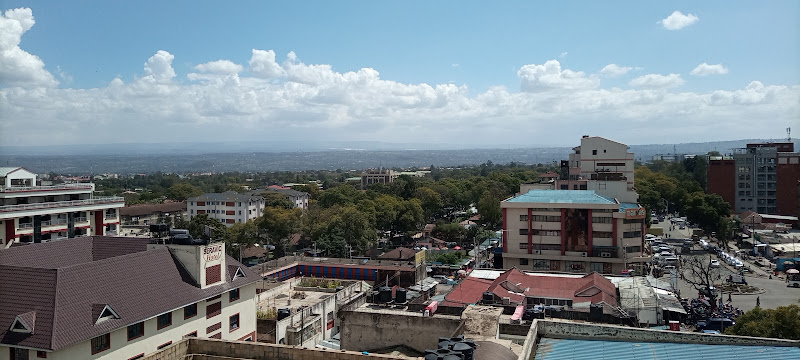
Beyond the park, Nakuru city itself has evolved into a lively urban hub. There’s a growing café culture, bustling markets, and a mix of old colonial architecture and modern buildings. The people here are warm — genuinely so — and conversations often flow easily, especially over a cup of Kenyan tea. It’s a place that doesn’t try too hard to impress you; it just quietly wins you over. And maybe that’s Nakuru’s magic — its authenticity.
Key Features
- Lake Nakuru National Park: Famous for flamingos, rhinos, and panoramic viewpoints like Baboon Cliff and Lion Hill.
- Rich Wildlife: Home to lions, leopards, giraffes, buffaloes, and hundreds of bird species.
- Great Rift Valley Views: Sweeping landscapes that stretch endlessly, perfect for photography and quiet reflection.
- Local Culture: Friendly residents, traditional markets, and authentic Kenyan cuisine that reflect the region’s diversity.
- Accessibility: Well-connected by road and rail, making it an easy weekend getaway from Nairobi.
- Adventure Opportunities: Hiking, game drives, birdwatching, and even exploring nearby crater lakes like Menengai Crater.
Best Time to Visit
If you ask me, the best time to visit Nakuru is during the dry seasons — roughly from June to October and again from December to February. That’s when the roads inside the park are easier to navigate, and the animals tend to gather around the lake, making them easier to spot. The weather’s pleasantly warm during the day and cool at night — perfect for early morning game drives followed by lazy afternoons in town.
That said, visiting during the rainy months (March to May and sometimes November) has its own kind of beauty. The landscape turns lush and green, the air feels cleaner, and the lake shimmers under moody skies. Sure, you might get stuck in the mud once or twice — I did, and it turned into quite the adventure — but it’s worth it for the solitude and the chance to see the park at its most alive.
How to Get There
Getting to Nakuru is relatively straightforward. From Nairobi, it’s about a two-and-a-half-hour drive (give or take, depending on traffic and how many times you stop for roasted maize along the way). The main highway, A104, cuts through scenic highlands and offers glimpses of the Rift Valley escarpment that’ll make you want to pull over for photos every few kilometers. Public buses and matatus run frequently between Nairobi and Nakuru, making it accessible even if you’re traveling on a budget.
For those who prefer a bit more comfort, private shuttles and tour operators offer transfers that include stops at viewpoints like the Great Rift Valley Lookout. And if you’re coming from the western side of Kenya — say, Eldoret or Kisumu — Nakuru sits conveniently along the main route, making it a perfect midway stop. There’s also a small airstrip nearby, though most travelers stick to the road trip — it’s half the fun, really.
Tips for Visiting
Here’s where I’ll get a bit personal. Nakuru taught me that travel doesn’t always have to be rushed. It’s one of those places that rewards curiosity and unplanned detours. Still, a few tips can make your trip smoother:
- Start early: The park gates open at dawn, and that’s when wildlife is most active. Plus, the sunrise over the lake is nothing short of breathtaking.
- Carry a good camera: Even if you’re not a professional photographer, you’ll regret not capturing those flamingo flocks or the view from Baboon Cliff.
- Stay hydrated: The air can get dry, especially during the hotter months. Always have water on hand.
- Respect the wildlife: Keep a safe distance and avoid loud noises. It’s their home — you’re just visiting.
- Explore beyond the park: Visit Menengai Crater, check out the local markets, or grab a meal at a roadside nyama choma joint. That’s where the real flavor of Nakuru lives.
- Book accommodation early: Nakuru’s popularity has grown, and lodges near the park can fill up quickly during peak seasons.
One last thing — take time to talk to locals. I’ve had some of my best travel moments just chatting with guides, shop owners, or even boda boda riders who always have a story or two to share. They’ll tell you about the old days when flamingos used to cover the entire lake or how the city has changed in the last decade. Those conversations add depth to your trip and make Nakuru more than just another destination.
In the end, Nakuru isn’t just a place you visit — it’s one you remember. It’s the kind of city that lingers in your mind long after you’ve left, with its pink shores, golden sunsets, and quiet charm that feels both familiar and new. Whether you’re a first-time traveler to Kenya or a returning adventurer, Nakuru has a way of making you feel like you belong. And that, I think, is what makes it truly special.
Key Features
- Key Features
- Best Time to Visit
- How to Get There
- Tips for Visiting
More Details
Updated December 1, 2025
Table of Contents
Description
Nakuru, a city tucked deep in Kenya’s Great Rift Valley, has this kind of raw, unfiltered charm that sneaks up on you. It’s not just another stopover between Nairobi and the west — it’s a place that feels alive with stories, colors, and a rhythm all its own. The first time I rolled into Nakuru, I remember the air being crisp, almost sweet, with that faint earthy scent that only highland towns seem to have. It’s the capital of Nakuru County and, honestly, one of those places where nature and city life somehow manage to coexist without stepping on each other’s toes.
At the heart of it all is Lake Nakuru National Park — a shimmering soda lake surrounded by acacia woodlands and open grasslands. The lake’s algae-rich waters attract thousands of flamingos, painting the surface pink when the conditions are right. I’ve stood at Baboon Cliff, watching the birds swirl in synchronized waves, and it’s one of those sights that humbles you. The park isn’t just about flamingos, though; rhinos lumber through the bush, giraffes stretch lazily toward treetops, and if you’re lucky, you might spot a lion lounging under a fever tree. It’s wild, untamed, and yet oddly peaceful.
Beyond the park, Nakuru city itself has evolved into a lively urban hub. There’s a growing café culture, bustling markets, and a mix of old colonial architecture and modern buildings. The people here are warm — genuinely so — and conversations often flow easily, especially over a cup of Kenyan tea. It’s a place that doesn’t try too hard to impress you; it just quietly wins you over. And maybe that’s Nakuru’s magic — its authenticity.
Key Features
- Lake Nakuru National Park: Famous for flamingos, rhinos, and panoramic viewpoints like Baboon Cliff and Lion Hill.
- Rich Wildlife: Home to lions, leopards, giraffes, buffaloes, and hundreds of bird species.
- Great Rift Valley Views: Sweeping landscapes that stretch endlessly, perfect for photography and quiet reflection.
- Local Culture: Friendly residents, traditional markets, and authentic Kenyan cuisine that reflect the region’s diversity.
- Accessibility: Well-connected by road and rail, making it an easy weekend getaway from Nairobi.
- Adventure Opportunities: Hiking, game drives, birdwatching, and even exploring nearby crater lakes like Menengai Crater.
Best Time to Visit
If you ask me, the best time to visit Nakuru is during the dry seasons — roughly from June to October and again from December to February. That’s when the roads inside the park are easier to navigate, and the animals tend to gather around the lake, making them easier to spot. The weather’s pleasantly warm during the day and cool at night — perfect for early morning game drives followed by lazy afternoons in town.
That said, visiting during the rainy months (March to May and sometimes November) has its own kind of beauty. The landscape turns lush and green, the air feels cleaner, and the lake shimmers under moody skies. Sure, you might get stuck in the mud once or twice — I did, and it turned into quite the adventure — but it’s worth it for the solitude and the chance to see the park at its most alive.
How to Get There
Getting to Nakuru is relatively straightforward. From Nairobi, it’s about a two-and-a-half-hour drive (give or take, depending on traffic and how many times you stop for roasted maize along the way). The main highway, A104, cuts through scenic highlands and offers glimpses of the Rift Valley escarpment that’ll make you want to pull over for photos every few kilometers. Public buses and matatus run frequently between Nairobi and Nakuru, making it accessible even if you’re traveling on a budget.
For those who prefer a bit more comfort, private shuttles and tour operators offer transfers that include stops at viewpoints like the Great Rift Valley Lookout. And if you’re coming from the western side of Kenya — say, Eldoret or Kisumu — Nakuru sits conveniently along the main route, making it a perfect midway stop. There’s also a small airstrip nearby, though most travelers stick to the road trip — it’s half the fun, really.
Tips for Visiting
Here’s where I’ll get a bit personal. Nakuru taught me that travel doesn’t always have to be rushed. It’s one of those places that rewards curiosity and unplanned detours. Still, a few tips can make your trip smoother:
- Start early: The park gates open at dawn, and that’s when wildlife is most active. Plus, the sunrise over the lake is nothing short of breathtaking.
- Carry a good camera: Even if you’re not a professional photographer, you’ll regret not capturing those flamingo flocks or the view from Baboon Cliff.
- Stay hydrated: The air can get dry, especially during the hotter months. Always have water on hand.
- Respect the wildlife: Keep a safe distance and avoid loud noises. It’s their home — you’re just visiting.
- Explore beyond the park: Visit Menengai Crater, check out the local markets, or grab a meal at a roadside nyama choma joint. That’s where the real flavor of Nakuru lives.
- Book accommodation early: Nakuru’s popularity has grown, and lodges near the park can fill up quickly during peak seasons.
One last thing — take time to talk to locals. I’ve had some of my best travel moments just chatting with guides, shop owners, or even boda boda riders who always have a story or two to share. They’ll tell you about the old days when flamingos used to cover the entire lake or how the city has changed in the last decade. Those conversations add depth to your trip and make Nakuru more than just another destination.
In the end, Nakuru isn’t just a place you visit — it’s one you remember. It’s the kind of city that lingers in your mind long after you’ve left, with its pink shores, golden sunsets, and quiet charm that feels both familiar and new. Whether you’re a first-time traveler to Kenya or a returning adventurer, Nakuru has a way of making you feel like you belong. And that, I think, is what makes it truly special.

Key Highlights
- Key Features
- Best Time to Visit
- How to Get There
- Tips for Visiting
Location
Places to Stay Near Nakuru
Find and Book a Tour
Explore More Travel Guides
No reviews found! Be the first to review!
Traveler Reviews for Nakuru
There are no reviews yet. Be the first one to write one.
Have you visited Nakuru? Help other travelers by sharing your review.
Find Accommodations Nearby
Recommended Tours & Activities
Visitor Reviews
There are no reviews yet. Be the first one to write one.
Share Your Experience
Have you visited Nakuru? Help other travelers by leaving a review.