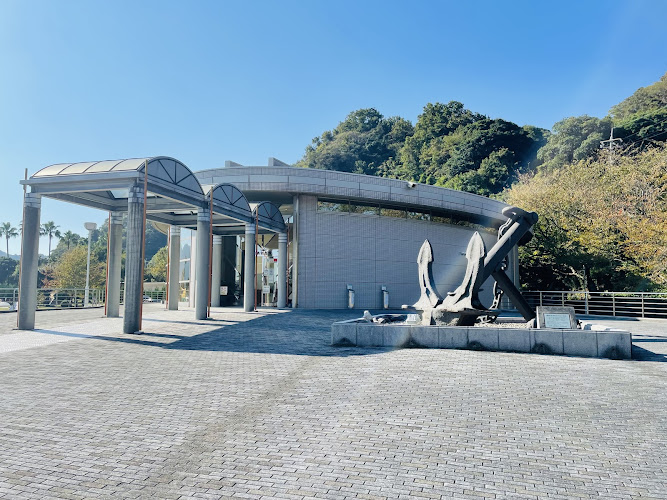
Dedicated to the battleship Mutsu, which tragically exploded and sank in 1943, the museum holds a collection of salvaged artifacts, photographs, and personal belongings of the sailors who lost their lives. It’s not just about the ship itself—it’s about the people, the families, and the memories that linger decades after the war. Walking through the exhibits, you can feel the weight of history pressing gently but firmly on your shoulders.
It’s not a flashy museum, and honestly, that’s part of its charm. The displays are straightforward, sometimes even a bit old-fashioned, but that makes them feel authentic. You’ll find pieces of the ship itself, including sections of its massive guns, as well as uniforms, diaries, and even models that help you imagine what the Mutsu looked like before disaster struck. There’s also a focus on the broader story of World War II and the repatriation of Japanese citizens after the war, which adds another layer of depth to the visit.
I’ll be honest—this isn’t a museum that leaves everyone with the same impression. Some visitors find it deeply moving, while others think the exhibits could use more polish. Personally, I think the slightly rough-around-the-edges presentation actually makes it more real. It’s less about spectacle and more about remembrance. You’re not just looking at history—you’re standing in the middle of it.
Best Time to Visit
If you’re planning a trip, spring and autumn are the most comfortable seasons to explore this part of Yamaguchi. The weather is mild, and the island scenery adds a peaceful backdrop to the solemn museum experience. Summer can be hot and humid, which makes lingering outdoors less appealing, while winter brings a quiet calm but also chilly winds. Personally, I enjoyed visiting in late October—the crisp air outside made stepping into the museum feel like entering a warm pocket of history.
Weekdays tend to be quieter, so if you prefer a reflective, less crowded atmosphere, that’s the way to go. On weekends or holidays, you’ll see more families and groups, which can add a lively energy but also takes away some of the solitude.
How to Get There
Reaching the museum requires a bit of planning, but that’s part of the adventure. Suo-Oshima is connected to the mainland by a bridge, so you can drive directly onto the island. If you’re coming by public transport, you’ll likely need to combine trains and buses, which can take some time but also gives you a chance to see the slower, rural side of Japan.
Driving is by far the easiest option, especially if you want flexibility to explore the island before or after your visit. Parking is available, and for those with electric vehicles, there’s a charging station on-site (though it’s a slow charger, so plan accordingly).
Tips for Visiting
First off, give yourself enough time. While the museum isn’t huge, you’ll want at least an hour or two to really absorb the exhibits. Rushing through would miss the point—it’s a place meant for reflection.
Bring some cash, as smaller regional museums in Japan sometimes don’t accept credit cards. And since there’s no restaurant on-site, consider grabbing a meal before or after your visit. Suo-Oshima has some great local seafood spots worth checking out.
If you’re traveling with kids, don’t worry—the museum is approachable for younger visitors. The models and ship parts tend to capture their attention, and it’s a good opportunity to talk about history in a way that feels tangible.
One personal tip: step outside after your visit and just take a moment to look at the sea. Knowing that the battleship Mutsu sank not far from this very island makes the view hit differently. It’s a quiet reminder of how close history really is.
And finally, don’t expect perfection here. The museum has its quirks, and that’s okay. It’s not about polished displays or high-tech presentations—it’s about memory, loss, and understanding. If you go in with that mindset, you’ll leave with something far more valuable than just facts.
 Real Journey Travels