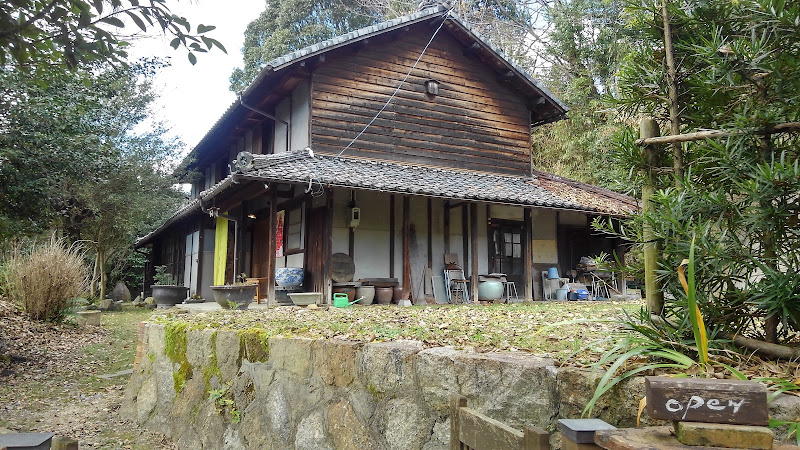
Housed in a restored Meiji-era home, the museum showcases the everyday tools, kilns, and ceramic works that once defined the rhythm of this pottery town. It’s not flashy or overwhelming, and that’s part of its charm—you can actually slow down here, take in the details, and imagine what it must have been like when the clink of clay and the smoke of kilns filled the air.
The atmosphere is calm, almost meditative. Some visitors walk away enchanted by the authenticity, while others might find it modest compared to larger museums. That’s fair, because this isn’t a place of grandeur—it’s a place of stories. The walls themselves, built from kiln tools and ceramic fragments, are a reminder that nothing went to waste in Seto’s pottery culture. Even the restroom, decorated with Hongyo tiles from the Meiji and Taisho eras, manages to tell its own quirky chapter of history.
For travelers who like to dig beneath the surface, this museum offers a rare glimpse into the craft traditions that shaped one of Japan’s most famous ceramic towns. It’s a quiet stop, but it lingers in your mind long after you leave.
Best Time to Visit
The museum is open year-round, but the experience changes with the seasons. In spring, the surrounding paths bloom with subtle greenery, making the stroll to the museum feel fresh and alive. Summer can be warm, and while the shaded alleys help, it’s best to go earlier in the day to avoid the heat. Personally, I think autumn is the sweet spot—the crisp air and golden leaves make the pottery walls stand out beautifully. Winter has its own charm too, quieter and more contemplative, though you’ll want a warm coat for the walk.
If you enjoy photography, late afternoon light casts a warm glow on the ceramic walls, creating textures and shadows that feel almost like art themselves. It’s also worth noting that weekends can be busier, so if you prefer a more peaceful visit, weekdays are a better bet.
How to Get There
Reaching the Kamagaki-no-Komichi Museum isn’t complicated, but it does involve a bit of planning. The nearest major city is Nagoya, and from there, Seto is accessible by train in under an hour. Once in Seto, the museum is best reached on foot, as it sits along the historic pottery path. The walk itself is part of the experience—you’ll pass houses, pottery walls, and narrow alleys that feel like stepping back in time.
There isn’t wheelchair access at the entrance or in the parking area, so those with mobility needs may find the museum difficult to navigate. For everyone else, sturdy shoes are recommended, since the path is uneven and slopes in places. It’s not a long walk, but it’s the kind where you’ll want to stop often, peeking at little details along the way.
Tips for Visiting
First, don’t rush. This isn’t the kind of museum you breeze through in 10 minutes. Take your time, look closely at the old tools, and notice how the walls themselves tell a story. If you’re traveling with kids, they might not find it as exciting as a big science museum, but older children who enjoy hands-on crafts or history could find it fascinating.
There’s no restaurant on-site, so plan to eat before or after your visit. Seto has plenty of small local eateries where you can try dishes served in handmade pottery—something that really ties the whole experience together. Restrooms are available inside, which is handy since the walk to the museum can take a while.
And here’s a personal suggestion: bring a small notebook. As I wandered through, I found myself jotting down thoughts and sketches. There’s something about being surrounded by centuries of craft that stirs up creativity, even if you’re not a potter yourself. Also, wear comfortable shoes and check the weather—rain can make the narrow paths slippery.
Finally, keep an open mind. Some visitors expect a polished, modern museum and leave underwhelmed. But if you approach it as a chance to step into the intimate world of Seto’s potters, you’ll likely walk away with an appreciation for the quiet resilience of this craft and the people who kept it alive.
 Real Journey Travels