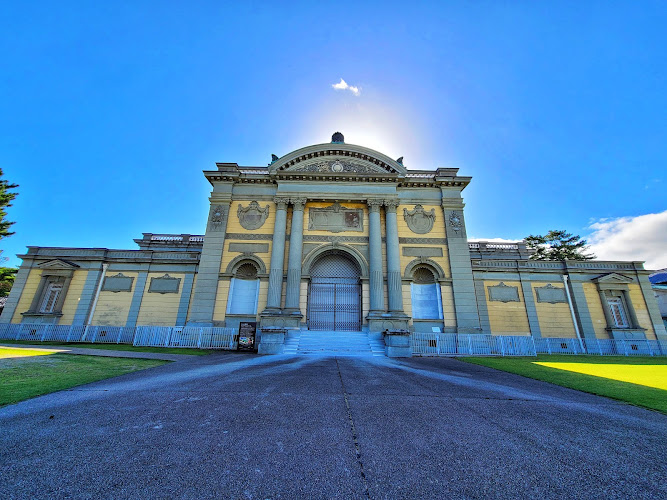
At first glance, it’s an elegant building sitting in Nara Park, surrounded by deer and the hum of visitors heading to Todaiji Temple. But once you step inside, the museum opens up into a world of Buddhist art that feels both ancient and alive. Founded back in 1889, it’s one of Japan’s oldest national museums, and it has earned a reputation for preserving treasures that span centuries of faith, artistry, and devotion.
What makes it stand out is the focus—this isn’t a museum trying to cover every corner of Japanese history. Instead, it zeroes in on Buddhist art: statues, scrolls, ritual objects, and paintings that carry the weight of spiritual practice. You don’t need to be religious to feel the impact. The sheer craftsmanship of the Buddha statues and the intricate details in the paintings are enough to stop you in your tracks. Personally, I remember standing in front of a centuries-old wooden statue of a Bodhisattva and thinking about the hands that carved it, the prayers whispered around it, and the journey it took to end up here. It’s humbling.
The museum itself is split into two wings, the original 19th-century building and a modern expansion, joined by an underground passage. The contrast between the old and new is kind of poetic, like the museum is bridging time itself. While most visitors rave about the annual Shōsōin Exhibition each autumn—where rare treasures from the Imperial collection are displayed—I think the permanent collection deserves just as much attention. It’s quieter, less crowded, and gives you space to linger. That said, I won’t sugarcoat it: not every corner is jaw-dropping. Some galleries feel a bit academic, almost like you’re flipping through a history book. But if you’re patient, the highlights more than make up for it.
Accessibility is also thoughtfully considered here. Wheelchair access, rentals, and family-friendly amenities like nursing rooms and changing tables make it welcoming for a wide range of visitors. And yes, there’s a café and museum shop—because let’s be honest, after a couple of hours of art appreciation, a cup of tea and a souvenir book feel pretty well-earned.
Best Time to Visit
If you’re flexible with your dates, autumn is hands-down the most exciting time to visit. The Shōsōin Exhibition usually takes place in late October to early November, drawing crowds from across Japan. It’s busy, yes, but the chance to see artifacts that rarely leave storage is worth the wait. That said, don’t rule out other seasons. Spring in Nara Park, with cherry blossoms framing the museum, is magical in its own way. Winter tends to be quieter, and you’ll appreciate the calm atmosphere inside the galleries when the park outside feels almost still. Personally, I prefer weekdays in spring or winter—fewer crowds, more space to breathe, and time to really take in the details without being jostled along.
How to Get There
The museum is smack in the middle of Nara Park, which makes it pretty easy to reach no matter where you’re coming from in the city. If you’re arriving by train, Kintetsu Nara Station is the closest—about a 15-minute walk through the park. JR Nara Station is a little farther, maybe 25 minutes on foot, but there are buses if walking isn’t your thing. Honestly, I recommend walking. The stroll through the park, with deer crossing your path and the sight of Todaiji’s massive gate in the distance, feels like part of the experience. If you’re driving, there are parking options nearby, though they can fill up quickly during peak seasons.
Tips for Visiting
Here are a few things I’ve learned (sometimes the hard way) that might make your visit smoother:
- Buy tickets in advance: Especially during the Shōsōin Exhibition, lines can get long. Booking ahead saves time.
- Plan at least 2 hours: You could rush through in less, but giving yourself time to sit, reflect, and maybe revisit a favorite gallery makes it more rewarding.
- Check the calendar: Temporary exhibitions rotate, and sometimes they’re the real gems. Don’t just rely on the permanent collection.
- Bring kids along: It’s surprisingly family-friendly, with discounts, kid-focused activities, and even nursing rooms. Just be ready to explain why they can’t climb on the statues (yes, I’ve seen it attempted).
- Take breaks: The café is a nice spot to rest your feet. And if you step outside, the park is right there for a picnic or a quick wander among the deer.
- Photography rules: Some areas allow it, others don’t. Always check the signs before snapping away.
- Go with an open mind: Even if Buddhist art isn’t your usual interest, the craftsmanship and history are captivating if you give them a chance.
In the end, the Nara National Museum isn’t just about looking at old statues. It’s about connecting to a cultural thread that’s been woven for over a thousand years. Whether you’re an art lover, a history buff, or just someone curious about Japan’s spiritual side, it’s a place that leaves an impression. And honestly, isn’t that what travel is all about?
 Real Journey Travels