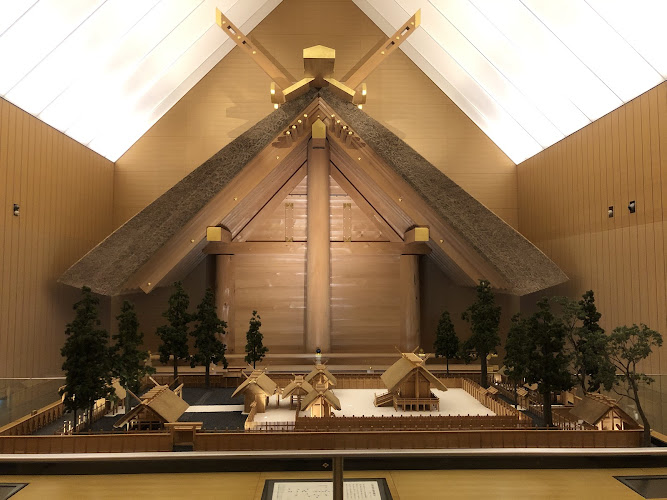
It’s a place that feels alive, tied directly to the heartbeat of Japan’s most sacred Shinto shrine, Ise Jingu. The museum was built to explain and celebrate the Shikinen Sengu ritual, a centuries-old tradition where the shrine is completely rebuilt every 20 years. Imagine that—tearing down and reconstructing an entire shrine complex, plank by plank, in the exact same way it’s been done for over 1,300 years. That’s the story Sengukan tells, and it does so with a mix of reverence and modern presentation that makes it surprisingly engaging, even if you’re not usually into religious history.
Walking through its halls, you’ll find detailed models, ceremonial tools, and even life-size reconstructions of shrine architecture. The craftsmanship is jaw-dropping—you can see the precision of the woodworking, the beauty of the sacred adornments, and the sheer scale of what it takes to honor a ritual of this magnitude. And it’s not just static displays. The museum uses interactive exhibits and audiovisual guides (available in multiple languages) to make sure international visitors don’t feel left out. It’s definitely not a “tourist trap” kind of museum—it feels more like a cultural bridge, letting you peek into something that’s usually reserved for insiders.
Now, I’ll be honest: if you’re looking for flashy entertainment, this might not be your spot. It’s calm, deliberate, and deeply rooted in tradition. But that’s exactly what makes it special. The atmosphere is serene, and you’ll leave with a sense of having touched something timeless. Families seem to enjoy it, too, because the exhibits are approachable, and kids can marvel at the giant models without needing to read every placard. For me, the most memorable part was standing in front of the full-scale replica of the shrine’s main hall—it gave me goosebumps, realizing that the same structure has been built and rebuilt for over a millennium, always in the same sacred forest.
Key Features
- Exhibits dedicated to the Shikinen Sengu ritual, including tools, garments, and sacred treasures
Best Time to Visit
There isn’t really a bad time to step into Sengukan, but your experience can vary depending on the season. Spring and autumn are particularly beautiful because the surrounding grounds of Ise Jingu come alive with either cherry blossoms or fiery autumn leaves. The museum itself maintains a steady climate year-round, so you don’t have to worry about the weather once you’re inside. If you want to avoid crowds, weekday mornings are your best bet. Weekends can get busy, especially when paired with pilgrimages to the shrine, but even then, the museum rarely feels overwhelming. Personally, I loved visiting on a rainy day—it gave the exhibits an even more contemplative feel, like the rain outside was syncing with the rhythm of the traditions inside.
How to Get There
Getting to Sengukan is straightforward if you’re already planning a trip to Ise Jingu. The museum is located right by the Geku (the Outer Shrine), which makes it a natural stop before or after your shrine visit. From Nagoya, the Kintetsu Railway can get you to Iseshi Station in about 90 minutes. From there, it’s just a 10-minute walk to the museum and the shrine grounds. Travelers coming from Osaka or Kyoto can also reach Iseshi Station in around two hours. If you’re driving, you’ll be happy to know there’s free parking available, both in lots and on nearby streets. Honestly, the short walk from the station is part of the charm—you’ll pass through quiet streets and feel the anticipation build as you approach the sacred grounds.
Tips for Visiting
Here are a few things I wish I’d known before my first visit. First, give yourself enough time. While the museum isn’t massive, you’ll want at least an hour to really take in the details, especially if you’re the type who likes to read every placard or listen to the full audio guide. Pairing the museum with a walk around Geku makes for a perfect half-day outing.
Second, don’t rush through the architectural displays. They’re easy to glance at and move on, but if you stop and really look, you’ll notice the incredible precision of the joinery and the symbolism in the designs. It’s like a crash course in traditional Japanese carpentry without needing a textbook. And if you’re traveling with kids, point out the scale models—they tend to love comparing the tiny replicas to the massive structures outside.
Third, keep in mind that there’s no restaurant inside the museum. Plan to eat before or after your visit. Luckily, the area around Iseshi Station has plenty of local eateries, and trying Ise udon is practically a must while you’re there. Also, while the museum is fully accessible, the shrine grounds can involve some walking on gravel paths, so wear comfortable shoes.
Lastly, approach the museum with an open mind. It’s not about being entertained in the flashy sense—it’s about slowing down and appreciating a tradition that has been carefully preserved for over a thousand years. If you let yourself sink into that mindset, you’ll walk away with a deeper appreciation of Japanese culture than any guidebook could give you. And honestly, that’s the kind of travel memory that sticks with you long after you’ve gone home.
 Real Journey Travels