

Museum Mamulengo
About Museum Mamulengo
Description
Museum Mamulengo is one of those places that quietly surprises you. Tucked away in the historic heart of Olinda, it’s not the kind of museum that overwhelms you with grandeur or size. Instead, it charms you with character, color, and a sense of playfulness that’s hard to find elsewhere. Dedicated to Brazil’s traditional puppet theater—known as “mamulengo”—this museum celebrates a form of art deeply rooted in the country’s folk culture. You can almost feel the rhythm of Pernambuco’s stories in every puppet’s carved face.
Walking through the museum feels like stepping into a lively conversation between the past and present. The puppets—some funny, others eerie, and a few downright bizarre—capture the soul of the Brazilian people: humorous, resilient, and endlessly creative. Each figure tells a story, often about everyday life, politics, and the joys and struggles of ordinary folks. There’s something personal about it all; you can sense that these weren’t just toys or props but voices of a community.
I remember the first time I visited. The air smelled faintly of wood and history. A local guide, with a grin that could light up the room, started moving one of the puppets, giving it a voice that was both comical and wise. I couldn’t help but laugh. And then I realized—that’s the whole point. Mamulengo isn’t just about puppetry; it’s about connection. It’s a reminder that art doesn’t need to be fancy to be meaningful.
The museum itself is small but thoughtfully arranged. The displays are colorful and interactive, making it a hit with kids and adults alike. You’ll find puppets dressed as kings, peasants, animals, and even politicians—each one carved with exaggerated expressions that somehow capture more truth than a photograph ever could. Some visitors spend twenty minutes here, others two hours, depending on how deeply they want to dive into the stories behind each figure.
It’s not perfect, of course. The lighting could be better in some rooms, and the signage sometimes lacks English translations. But honestly, that’s part of its charm. You don’t need to understand every word to feel what the museum is trying to say. The artistry speaks for itself. And if you’re lucky enough to visit during a live demonstration or festival, you’ll see the puppets come to life in ways that make you forget they’re made of wood and cloth.
Key Features
- Extensive collection of traditional Brazilian puppets, each with unique handcrafted details.
- Interactive exhibits that showcase the art of mamulengo performance.
- Accessible facilities including wheelchair-friendly entrances, restrooms, and parking.
- Family-friendly environment that engages children through storytelling and play.
- Located within Olinda’s historic district, making it easy to pair a visit with nearby cultural sites.
- Occasional live puppet shows and cultural events that highlight local traditions.
- Affordable entry fee and welcoming staff who are genuinely passionate about the art form.
Best Time to Visit
Honestly, there’s no bad time to visit Museum Mamulengo, but if you want to experience it at its most lively, plan your trip around Olinda’s Carnival season. That’s when the spirit of mamulengo spills out into the streets—literally. Puppeteers perform in plazas, and the museum often hosts special exhibitions. The energy is contagious.
If crowds aren’t your thing, though, weekdays in the late morning are ideal. You’ll have the place mostly to yourself, giving you time to really study the craftsmanship of each puppet. The weather in Olinda is warm year-round, but the months between July and September tend to be a bit cooler and less humid, which makes wandering the old cobblestone streets afterward much more pleasant.
How to Get There
Reaching the museum is fairly straightforward. If you’re staying in Recife or Olinda’s central area, it’s just a short drive or taxi ride away. Public buses also run regularly, and for the more adventurous, walking through Olinda’s historic streets is a treat in itself—though be prepared for a few hilly stretches.
I’ve walked it before on a sunny afternoon, and while my calves complained a bit, I wouldn’t trade that walk for anything. The route takes you past brightly painted colonial houses, street vendors selling coconut water, and the occasional musician strumming a guitar. It’s one of those journeys where the trip itself becomes part of the experience.
Parking is available nearby, and for those with mobility needs, the museum’s accessibility features make it a comfortable visit. Just keep in mind that Olinda’s old streets can be uneven, so a bit of caution goes a long way.
Tips for Visiting
First, take your time. It’s tempting to breeze through, but the real magic lies in the details—the tiny brushstrokes on a puppet’s face, the way the hands are carved to express emotion, the stories hidden in the corners of each display. Bring a camera, but don’t spend the whole time behind it. Some moments are better experienced than captured.
If you’re traveling with kids, this place is gold. The exhibits are engaging enough to keep their attention, and the puppets are colorful and funny in that slightly mischievous way kids love. There’s a restroom on-site, which makes family visits easier, though you’ll need to grab snacks elsewhere since there’s no restaurant inside.
And here’s a little personal tip: chat with the staff. They’re incredibly knowledgeable and often have stories that don’t appear on any sign. One guide told me about how some of the older puppets were rescued from traveling troupes that had fallen on hard times. That kind of behind-the-scenes insight adds a whole new layer of appreciation.
If you’re planning to explore more of Olinda afterward, wear comfortable shoes. The streets are charming but uneven. And don’t rush off right after your visit—there’s a small plaza nearby where you can sit, grab a drink, and just watch life unfold. It’s the perfect way to let the museum’s stories settle in your mind.
In the end, Museum Mamulengo isn’t just about puppets. It’s about storytelling, laughter, and the enduring spirit of Brazilian creativity. It’s a reminder that art doesn’t always hang in gilded frames—it sometimes dances on strings, cracking jokes and whispering truths in wooden voices. If you’re the kind of traveler who loves discovering the soul of a place through its culture, this museum will leave you smiling long after you’ve left its doors.
Key Features
- Extensive collection of traditional Brazilian puppets, each with unique handcrafted details.
- Interactive exhibits that showcase the art of mamulengo performance.
- Accessible facilities including wheelchair-friendly entrances, restrooms, and parking.
- Family-friendly environment that engages children through storytelling and play.
- Located within Olinda’s historic district, making it easy to pair a visit with nearby cultural sites.
- Occasional live puppet shows and cultural events that highlight local traditions.
- Affordable entry fee and welcoming staff who are genuinely passionate about the art form.
More Details
Updated November 7, 2025
Table of Contents
Description
Museum Mamulengo is one of those places that quietly surprises you. Tucked away in the historic heart of Olinda, it’s not the kind of museum that overwhelms you with grandeur or size. Instead, it charms you with character, color, and a sense of playfulness that’s hard to find elsewhere. Dedicated to Brazil’s traditional puppet theater—known as “mamulengo”—this museum celebrates a form of art deeply rooted in the country’s folk culture. You can almost feel the rhythm of Pernambuco’s stories in every puppet’s carved face.
Walking through the museum feels like stepping into a lively conversation between the past and present. The puppets—some funny, others eerie, and a few downright bizarre—capture the soul of the Brazilian people: humorous, resilient, and endlessly creative. Each figure tells a story, often about everyday life, politics, and the joys and struggles of ordinary folks. There’s something personal about it all; you can sense that these weren’t just toys or props but voices of a community.
I remember the first time I visited. The air smelled faintly of wood and history. A local guide, with a grin that could light up the room, started moving one of the puppets, giving it a voice that was both comical and wise. I couldn’t help but laugh. And then I realized—that’s the whole point. Mamulengo isn’t just about puppetry; it’s about connection. It’s a reminder that art doesn’t need to be fancy to be meaningful.
The museum itself is small but thoughtfully arranged. The displays are colorful and interactive, making it a hit with kids and adults alike. You’ll find puppets dressed as kings, peasants, animals, and even politicians—each one carved with exaggerated expressions that somehow capture more truth than a photograph ever could. Some visitors spend twenty minutes here, others two hours, depending on how deeply they want to dive into the stories behind each figure.
It’s not perfect, of course. The lighting could be better in some rooms, and the signage sometimes lacks English translations. But honestly, that’s part of its charm. You don’t need to understand every word to feel what the museum is trying to say. The artistry speaks for itself. And if you’re lucky enough to visit during a live demonstration or festival, you’ll see the puppets come to life in ways that make you forget they’re made of wood and cloth.
Key Features
- Extensive collection of traditional Brazilian puppets, each with unique handcrafted details.
- Interactive exhibits that showcase the art of mamulengo performance.
- Accessible facilities including wheelchair-friendly entrances, restrooms, and parking.
- Family-friendly environment that engages children through storytelling and play.
- Located within Olinda’s historic district, making it easy to pair a visit with nearby cultural sites.
- Occasional live puppet shows and cultural events that highlight local traditions.
- Affordable entry fee and welcoming staff who are genuinely passionate about the art form.
Best Time to Visit
Honestly, there’s no bad time to visit Museum Mamulengo, but if you want to experience it at its most lively, plan your trip around Olinda’s Carnival season. That’s when the spirit of mamulengo spills out into the streets—literally. Puppeteers perform in plazas, and the museum often hosts special exhibitions. The energy is contagious.
If crowds aren’t your thing, though, weekdays in the late morning are ideal. You’ll have the place mostly to yourself, giving you time to really study the craftsmanship of each puppet. The weather in Olinda is warm year-round, but the months between July and September tend to be a bit cooler and less humid, which makes wandering the old cobblestone streets afterward much more pleasant.
How to Get There
Reaching the museum is fairly straightforward. If you’re staying in Recife or Olinda’s central area, it’s just a short drive or taxi ride away. Public buses also run regularly, and for the more adventurous, walking through Olinda’s historic streets is a treat in itself—though be prepared for a few hilly stretches.
I’ve walked it before on a sunny afternoon, and while my calves complained a bit, I wouldn’t trade that walk for anything. The route takes you past brightly painted colonial houses, street vendors selling coconut water, and the occasional musician strumming a guitar. It’s one of those journeys where the trip itself becomes part of the experience.
Parking is available nearby, and for those with mobility needs, the museum’s accessibility features make it a comfortable visit. Just keep in mind that Olinda’s old streets can be uneven, so a bit of caution goes a long way.
Tips for Visiting
First, take your time. It’s tempting to breeze through, but the real magic lies in the details—the tiny brushstrokes on a puppet’s face, the way the hands are carved to express emotion, the stories hidden in the corners of each display. Bring a camera, but don’t spend the whole time behind it. Some moments are better experienced than captured.
If you’re traveling with kids, this place is gold. The exhibits are engaging enough to keep their attention, and the puppets are colorful and funny in that slightly mischievous way kids love. There’s a restroom on-site, which makes family visits easier, though you’ll need to grab snacks elsewhere since there’s no restaurant inside.
And here’s a little personal tip: chat with the staff. They’re incredibly knowledgeable and often have stories that don’t appear on any sign. One guide told me about how some of the older puppets were rescued from traveling troupes that had fallen on hard times. That kind of behind-the-scenes insight adds a whole new layer of appreciation.
If you’re planning to explore more of Olinda afterward, wear comfortable shoes. The streets are charming but uneven. And don’t rush off right after your visit—there’s a small plaza nearby where you can sit, grab a drink, and just watch life unfold. It’s the perfect way to let the museum’s stories settle in your mind.
In the end, Museum Mamulengo isn’t just about puppets. It’s about storytelling, laughter, and the enduring spirit of Brazilian creativity. It’s a reminder that art doesn’t always hang in gilded frames—it sometimes dances on strings, cracking jokes and whispering truths in wooden voices. If you’re the kind of traveler who loves discovering the soul of a place through its culture, this museum will leave you smiling long after you’ve left its doors.
Key Highlights
- Extensive collection of traditional Brazilian puppets, each with unique handcrafted details.
- Interactive exhibits that showcase the art of mamulengo performance.
- Accessible facilities including wheelchair-friendly entrances, restrooms, and parking.
- Family-friendly environment that engages children through storytelling and play.
- Located within Olinda’s historic district, making it easy to pair a visit with nearby cultural sites.
- Occasional live puppet shows and cultural events that highlight local traditions.
- Affordable entry fee and welcoming staff who are genuinely passionate about the art form.
Location
Places to Stay Near Museum Mamulengo
Find and Book a Tour
Explore More Travel Guides
No reviews found! Be the first to review!
Traveler Reviews for Museum Mamulengo
There are no reviews yet. Be the first one to write one.
Have you visited Museum Mamulengo? Help other travelers by sharing your review.
You Might Also Like
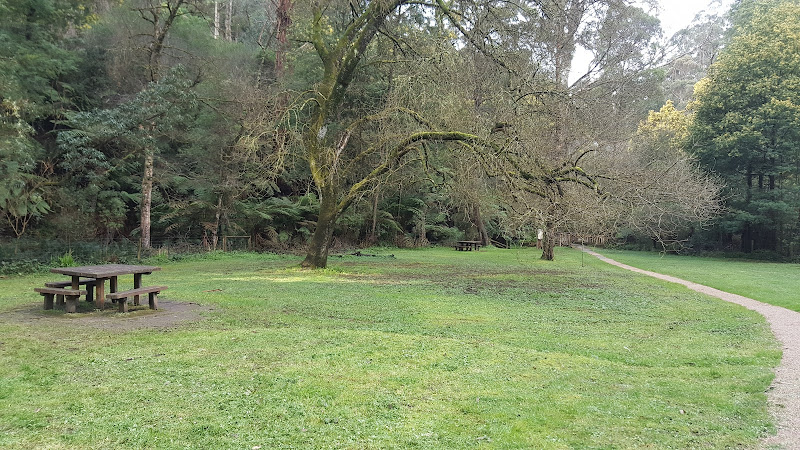
Kays Picnic Ground

Dandenong Ranges National Park, Olinda
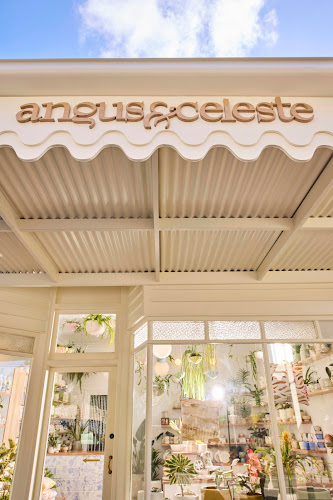
Angus & Celeste Olinda
Find Accommodations Nearby
Recommended Tours & Activities
Visitor Reviews
There are no reviews yet. Be the first one to write one.
Share Your Experience
Have you visited Museum Mamulengo? Help other travelers by leaving a review.