
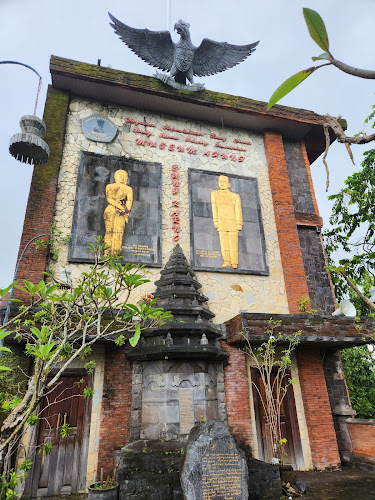
Museum Bung Karno
About Museum Bung Karno
Description
For travelers curious about Indonesia’s modern history, this museum in Denpasar offers one of the most personal encounters with the story of the country’s first president, Soekarno. Spread across multiple floors, the space is filled with artifacts, writings, photographs, and even stone engravings that capture the ideals and struggles of a man who shaped the nation. It’s not a dry, dusty archive; rather, it feels like stepping into a narrative that still resonates with many Indonesians today. The museum has the kind of atmosphere where you can sense both pride and nostalgia, and while it may not please every visitor equally, it leaves a strong impression on those who take the time to explore it fully.
Some visitors are captivated by the sheer scale of the collection, while others find the storytelling a little one-sided. That’s not surprising, really—after all, this is a place built to honor a national figure, not critique him. Personally, I think that’s part of its charm. You don’t come here expecting an academic debate; you come here to get closer to the spirit of Soekarno himself, to see the world through his eyes, and maybe to reflect on how his vision still shapes Indonesia today. And if you’re traveling with kids, the museum is surprisingly accommodating, with enough space to wander and exhibits that spark curiosity without overwhelming younger visitors. Restrooms are available, though you won’t find a café or restaurant inside, so it’s smart to grab a bite before or after your visit.
Key Features
- A four-story building filled with Soekarno’s personal collections, speeches, and writings
- Stone slabs engraved with letters and publications, giving the exhibits a unique tactile feel
- Interactive elements and displays that make the history more engaging
- Spacious galleries suitable for families and school groups
- Located in the cultural heart of Denpasar, close to other landmarks
- Clean restrooms available for visitors
Best Time to Visit
If you’re wondering when to go, mornings are usually the most pleasant. The museum tends to be quieter then, giving you more room to wander at your own pace without feeling rushed. Afternoons can bring in larger groups, especially students on school trips, so if you’re not a fan of crowds, earlier is better. Weather-wise, Bali is warm year-round, but the dry season (roughly April to October) makes exploring the city around the museum more comfortable. That said, I’ve visited during the rainy season too, and honestly, the museum is a great indoor escape when the skies open up. So don’t let a little rain stop you—it can actually make the experience cozier.
How to Get There
The museum is right in the middle of Denpasar, which makes it relatively easy to reach. If you’re staying in popular tourist areas like Kuta, Seminyak, or Sanur, expect a drive of about 30–45 minutes depending on traffic. Taxis and ride-hailing apps are the most convenient options, and they’re fairly affordable. For those who prefer more independence, renting a scooter is common in Bali, though navigating Denpasar traffic can be a bit of an adventure if you’re not used to it. Public buses aren’t the most reliable choice for travelers, so I’d recommend sticking with private transport. And here’s a small tip from experience: if you’re traveling during peak hours, plan some extra time because traffic in Denpasar can surprise you.
Tips for Visiting
First and foremost, give yourself enough time. Many travelers underestimate how much there is to see here and try to squeeze it into a quick stop. An hour won’t do justice—you’ll want at least two to three hours if you’re the kind of person who likes to read, reflect, and maybe even take notes. Bring a bottle of water since there’s no café inside, and wear comfortable shoes because you’ll be moving between floors. Photography is generally allowed, but it’s always polite to check the signs or ask the staff before snapping away.
If you’re traveling with kids, don’t worry about them getting bored too quickly. The exhibits are varied enough to hold their attention, and the spacious layout makes it easier for them to move around. For history buffs, I’d suggest brushing up a little on Indonesia’s independence movement before your visit—it really enriches the experience when you can connect the displays to the bigger story. And lastly, keep an open mind. Some visitors expect a perfectly balanced historical account, but this is more of a tribute than a critique. If you go in with that understanding, you’ll likely walk away with a deeper appreciation for both Soekarno and the era he represents.
On a personal note, I remember my first visit here left me with mixed feelings. There were moments I felt inspired, standing in front of Soekarno’s speeches carved in stone, and moments I wished for more context or different perspectives. But isn’t that what makes travel meaningful? It’s not always about neat answers—it’s about the questions you carry with you when you leave. And this museum, in that sense, does its job beautifully.
Key Features
- A four-story building filled with Soekarno’s personal collections, speeches, and writings
- Stone slabs engraved with letters and publications, giving the exhibits a unique tactile feel
- Interactive elements and displays that make the history more engaging
- Spacious galleries suitable for families and school groups
- Located in the cultural heart of Denpasar, close to other landmarks
- Clean restrooms available for visitors
More Details
Updated September 23, 2025
Table of Contents
Description
For travelers curious about Indonesia’s modern history, this museum in Denpasar offers one of the most personal encounters with the story of the country’s first president, Soekarno. Spread across multiple floors, the space is filled with artifacts, writings, photographs, and even stone engravings that capture the ideals and struggles of a man who shaped the nation. It’s not a dry, dusty archive; rather, it feels like stepping into a narrative that still resonates with many Indonesians today. The museum has the kind of atmosphere where you can sense both pride and nostalgia, and while it may not please every visitor equally, it leaves a strong impression on those who take the time to explore it fully.
Some visitors are captivated by the sheer scale of the collection, while others find the storytelling a little one-sided. That’s not surprising, really—after all, this is a place built to honor a national figure, not critique him. Personally, I think that’s part of its charm. You don’t come here expecting an academic debate; you come here to get closer to the spirit of Soekarno himself, to see the world through his eyes, and maybe to reflect on how his vision still shapes Indonesia today. And if you’re traveling with kids, the museum is surprisingly accommodating, with enough space to wander and exhibits that spark curiosity without overwhelming younger visitors. Restrooms are available, though you won’t find a café or restaurant inside, so it’s smart to grab a bite before or after your visit.
Key Features
- A four-story building filled with Soekarno’s personal collections, speeches, and writings
- Stone slabs engraved with letters and publications, giving the exhibits a unique tactile feel
- Interactive elements and displays that make the history more engaging
- Spacious galleries suitable for families and school groups
- Located in the cultural heart of Denpasar, close to other landmarks
- Clean restrooms available for visitors
Best Time to Visit
If you’re wondering when to go, mornings are usually the most pleasant. The museum tends to be quieter then, giving you more room to wander at your own pace without feeling rushed. Afternoons can bring in larger groups, especially students on school trips, so if you’re not a fan of crowds, earlier is better. Weather-wise, Bali is warm year-round, but the dry season (roughly April to October) makes exploring the city around the museum more comfortable. That said, I’ve visited during the rainy season too, and honestly, the museum is a great indoor escape when the skies open up. So don’t let a little rain stop you—it can actually make the experience cozier.
How to Get There
The museum is right in the middle of Denpasar, which makes it relatively easy to reach. If you’re staying in popular tourist areas like Kuta, Seminyak, or Sanur, expect a drive of about 30–45 minutes depending on traffic. Taxis and ride-hailing apps are the most convenient options, and they’re fairly affordable. For those who prefer more independence, renting a scooter is common in Bali, though navigating Denpasar traffic can be a bit of an adventure if you’re not used to it. Public buses aren’t the most reliable choice for travelers, so I’d recommend sticking with private transport. And here’s a small tip from experience: if you’re traveling during peak hours, plan some extra time because traffic in Denpasar can surprise you.
Tips for Visiting
First and foremost, give yourself enough time. Many travelers underestimate how much there is to see here and try to squeeze it into a quick stop. An hour won’t do justice—you’ll want at least two to three hours if you’re the kind of person who likes to read, reflect, and maybe even take notes. Bring a bottle of water since there’s no café inside, and wear comfortable shoes because you’ll be moving between floors. Photography is generally allowed, but it’s always polite to check the signs or ask the staff before snapping away.
If you’re traveling with kids, don’t worry about them getting bored too quickly. The exhibits are varied enough to hold their attention, and the spacious layout makes it easier for them to move around. For history buffs, I’d suggest brushing up a little on Indonesia’s independence movement before your visit—it really enriches the experience when you can connect the displays to the bigger story. And lastly, keep an open mind. Some visitors expect a perfectly balanced historical account, but this is more of a tribute than a critique. If you go in with that understanding, you’ll likely walk away with a deeper appreciation for both Soekarno and the era he represents.
On a personal note, I remember my first visit here left me with mixed feelings. There were moments I felt inspired, standing in front of Soekarno’s speeches carved in stone, and moments I wished for more context or different perspectives. But isn’t that what makes travel meaningful? It’s not always about neat answers—it’s about the questions you carry with you when you leave. And this museum, in that sense, does its job beautifully.
Key Highlights
- A four-story building filled with Soekarno’s personal collections, speeches, and writings
- Stone slabs engraved with letters and publications, giving the exhibits a unique tactile feel
- Interactive elements and displays that make the history more engaging
- Spacious galleries suitable for families and school groups
- Located in the cultural heart of Denpasar, close to other landmarks
- Clean restrooms available for visitors
Location
Places to Stay Near Museum Bung Karno
Find and Book a Tour
Explore More Travel Guides
No reviews found! Be the first to review!
Traveler Reviews for Museum Bung Karno
There are no reviews yet. Be the first one to write one.
Have you visited Museum Bung Karno? Help other travelers by sharing your review.
You Might Also Like
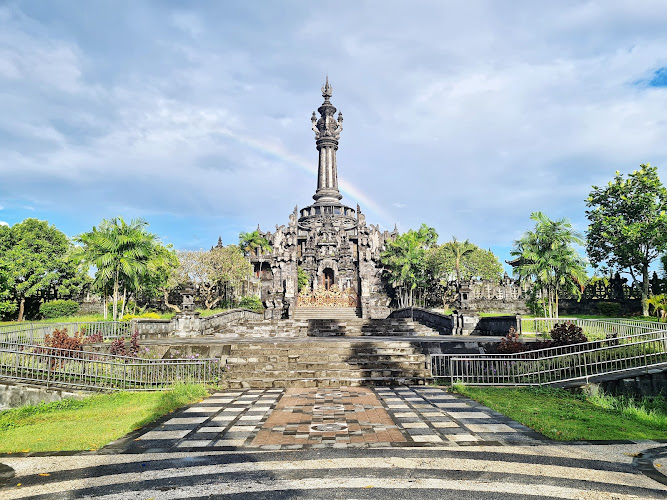
Lapangan Niti Mandala Renon - Monumen Perjuangan Rakyat Bali

Bali Festival Park, Padang Galak
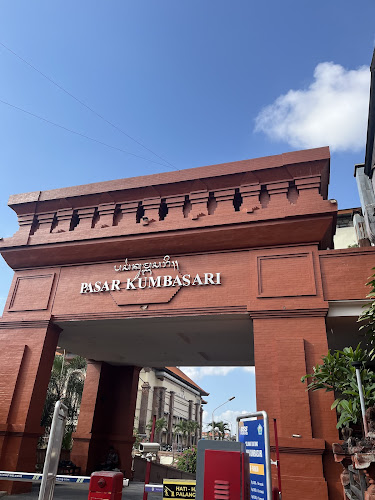
Pasar Seni Kumbasari
Find Accommodations Nearby
Recommended Tours & Activities
Visitor Reviews
There are no reviews yet. Be the first one to write one.
Share Your Experience
Have you visited Museum Bung Karno? Help other travelers by leaving a review.