About Museo Regional de Nayarit

Description

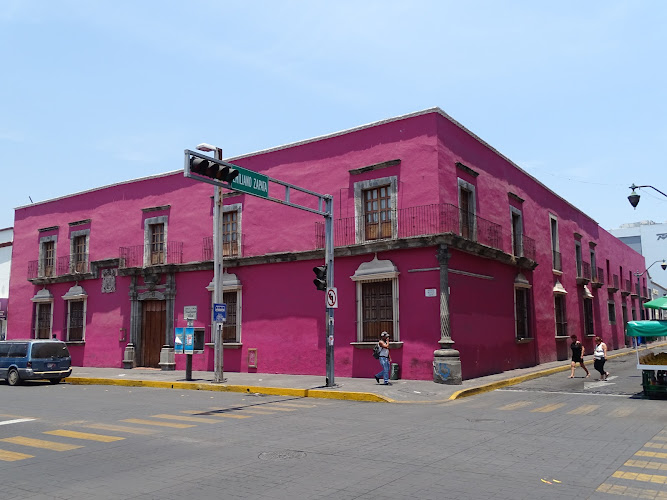
The Museo Regional de Nayarit, tucked in the heart of Tepic, feels like stepping into a time capsule that tells the story of an entire region’s soul. It’s not one of those overly polished, sterile museums where everything feels distant. Instead, it’s warm, a bit rustic in spots, and very much alive with the echoes of Nayarit’s past. The museum sits inside a former orphanage—yes, really—which somehow makes the experience even more meaningful. You can almost sense the layers of history in its walls, from the pre-Hispanic artifacts to the colonial relics that whisper of old Mexico.

Walking through its halls, you’ll find yourself surrounded by pottery, sculptures, and ancient tools that tell the everyday stories of the Cora, Huichol, and other indigenous peoples who shaped this land long before modern Mexico existed. There’s something humbling about standing inches away from a clay figure that someone molded over a thousand years ago. And the museum doesn’t just show history—it makes you feel it. The lighting is soft, the rooms are quiet, and every display seems to invite you to slow down and really look.

What stands out most, though, is how the museum manages to balance the scholarly with the personal. It doesn’t overwhelm you with endless plaques or academic jargon. Instead, it feels approachable, even friendly. The staff are known for their kindness—they’ll happily explain the stories behind pieces if you ask. And if you’re traveling with kids, you’ll be relieved to know that it’s a family-friendly space. Children tend to be fascinated by the colorful ceramics and the models of ancient villages.

That said, it’s not without its quirks. Some exhibits could use a bit of modern updating, and a few signs are only in Spanish. But honestly, that’s part of its charm—it feels authentic, not overly curated. It’s the kind of place where you can wander without rushing, taking in centuries of human creativity at your own pace. The museum is also fully accessible, with ramps and restrooms designed for visitors who use wheelchairs, so everyone can enjoy it comfortably.

Key Features

  • Extensive collection of pre-Hispanic artifacts from the Nayarit region, including pottery, figurines, and tools.
  • Exhibits highlighting indigenous cultures such as the Cora and Huichol, with detailed explanations of their traditions and beliefs.
  • Colonial-era displays featuring religious art, everyday objects, and documents that trace Tepic’s evolution through the centuries.
  • Located in a historic building that once served as an orphanage, adding a unique layer of history to the visit.
  • Wheelchair-accessible entrances and restrooms, ensuring inclusivity for all visitors.
  • Peaceful, family-friendly environment ideal for travelers seeking cultural enrichment without the crowds.
  • Knowledgeable staff who often share local insights and stories beyond what’s written in the exhibits.

One of my favorite parts? The small courtyard in the middle of the museum. It’s quiet and shaded, the kind of spot where you might just sit for a few minutes, listening to the distant hum of Tepic’s streets while thinking about how much has changed—and how much hasn’t. The museum doesn’t rush you out; it invites you to linger.

Best Time to Visit

If you’re planning a trip, the best time to visit the Museo Regional de Nayarit is during the cooler months—say, between November and February. Tepic’s weather can get pretty warm in the afternoons, and since the museum’s charm partly lies in its older architecture, it can feel a bit stuffy in summer. Morning visits are ideal; the light filtering through the old windows gives everything a golden glow that makes the artifacts look almost alive.

Weekdays are generally quieter, so if you prefer to wander without the buzz of weekend crowds, aim for a Tuesday or Wednesday morning. But if you enjoy a bit more energy and local chatter, weekends bring families and school groups, which adds a nice sense of community. Personally, I love visiting museums when there’s a little background noise—it makes the place feel lived-in.

And here’s a tip from experience: plan your visit around local festivals or cultural events in Tepic. The museum sometimes hosts temporary exhibits or small performances that tie into regional celebrations. It’s a wonderful way to see how Nayarit’s traditions continue to evolve while staying deeply rooted in their origins.

How to Get There

Reaching the Museo Regional de Nayarit is fairly straightforward, especially if you’re staying in central Tepic. Most visitors arrive by taxi or local bus, both of which are inexpensive and convenient. If you enjoy walking, it’s an easy stroll from many nearby hotels and cafes—just remember to bring a hat and some water if you’re visiting during midday.

For those driving, parking can be a bit tricky in the immediate area, as the streets around the museum are narrow and often busy. There are, however, several paid parking lots within a short walk. If you’re using a rideshare app, just type in the museum’s name; drivers in Tepic know it well.

Public transportation in Tepic is reliable enough, but if you’re not fluent in Spanish, it might take a little patience to navigate. Don’t worry too much, though—locals are incredibly kind and usually happy to help point you in the right direction. I once got off two stops too early and ended up chatting with a shopkeeper who insisted on walking me halfway there. That’s Tepic for you—friendly, unhurried, and always ready to help a traveler find their way.

Tips for Visiting

Here’s where the small details make a big difference. First off, bring cash. While entrance fees are quite affordable, some smaller museums in Mexico still prefer cash payments, and it’s always good to have a few pesos handy. Also, keep in mind that photography rules can vary—sometimes you’re allowed to take pictures without flash, but it’s best to check with the staff before snapping away.

If you’re traveling with kids, plan for about an hour to an hour and a half. That’s usually the sweet spot before their attention starts to wander. The museum’s layout is easy to navigate, and there are benches scattered throughout where you can rest or just take in the atmosphere. For solo travelers or couples, you might spend a bit longer—especially if you’re the kind who likes to read every description or sketch artifacts in a notebook (guilty as charged).

Another thing: there’s no on-site restaurant, so grab a bite before or after your visit. Luckily, Tepic’s downtown area is full of small eateries serving everything from fresh seafood to traditional tacos de birria. I still remember a tiny café just a few blocks away that served the best café de olla I’ve ever had—sweet, cinnamon-spiced, and perfect after a morning exploring the museum.

Accessibility-wise, the museum does a great job. The ramps are well-maintained, and the restrooms are wheelchair-friendly. If you or someone in your group has mobility needs, you’ll find it easy to move around. The staff are attentive too—they’ll often offer assistance before you even need to ask.

Lastly, don’t rush your visit. The Museo Regional de Nayarit isn’t huge, but it rewards curiosity. Take time to notice the small details—the patterns etched into a pot, the faded paint on a colonial-era statue, the way the light changes as you move from one room to another. It’s these quiet moments that make travel worthwhile. And if you’re anything like me, you’ll leave not just with photos, but with a deeper sense of connection to this corner of Mexico that’s rich in history, heart, and humanity.

So, whether you’re a history buff, a casual traveler, or just someone who loves discovering places that feel real and grounded, the Museo Regional de Nayarit is worth your time. It’s not flashy or grand, but it’s honest—and that’s what makes it unforgettable.

Key Features

  • Extensive collection of pre-Hispanic artifacts from the Nayarit region, including pottery, figurines, and tools.
  • Exhibits highlighting indigenous cultures such as the Cora and Huichol, with detailed explanations of their traditions and beliefs.
  • Colonial-era displays featuring religious art, everyday objects, and documents that trace Tepic’s evolution through the centuries.
  • Located in a historic building that once served as an orphanage, adding a unique layer of history to the visit.
  • Wheelchair-accessible entrances and restrooms, ensuring inclusivity for all visitors.
  • Peaceful, family-friendly environment ideal for travelers seeking cultural enrichment without the crowds.
  • Knowledgeable staff who often share local insights and stories beyond what’s written in the exhibits.

More Details

Updated December 1, 2025


Description

The Museo Regional de Nayarit, tucked in the heart of Tepic, feels like stepping into a time capsule that tells the story of an entire region’s soul. It’s not one of those overly polished, sterile museums where everything feels distant. Instead, it’s warm, a bit rustic in spots, and very much alive with the echoes of Nayarit’s past. The museum sits inside a former orphanage—yes, really—which somehow makes the experience even more meaningful. You can almost sense the layers of history in its walls, from the pre-Hispanic artifacts to the colonial relics that whisper of old Mexico.

Walking through its halls, you’ll find yourself surrounded by pottery, sculptures, and ancient tools that tell the everyday stories of the Cora, Huichol, and other indigenous peoples who shaped this land long before modern Mexico existed. There’s something humbling about standing inches away from a clay figure that someone molded over a thousand years ago. And the museum doesn’t just show history—it makes you feel it. The lighting is soft, the rooms are quiet, and every display seems to invite you to slow down and really look.

What stands out most, though, is how the museum manages to balance the scholarly with the personal. It doesn’t overwhelm you with endless plaques or academic jargon. Instead, it feels approachable, even friendly. The staff are known for their kindness—they’ll happily explain the stories behind pieces if you ask. And if you’re traveling with kids, you’ll be relieved to know that it’s a family-friendly space. Children tend to be fascinated by the colorful ceramics and the models of ancient villages.

That said, it’s not without its quirks. Some exhibits could use a bit of modern updating, and a few signs are only in Spanish. But honestly, that’s part of its charm—it feels authentic, not overly curated. It’s the kind of place where you can wander without rushing, taking in centuries of human creativity at your own pace. The museum is also fully accessible, with ramps and restrooms designed for visitors who use wheelchairs, so everyone can enjoy it comfortably.

Key Features

  • Extensive collection of pre-Hispanic artifacts from the Nayarit region, including pottery, figurines, and tools.
  • Exhibits highlighting indigenous cultures such as the Cora and Huichol, with detailed explanations of their traditions and beliefs.
  • Colonial-era displays featuring religious art, everyday objects, and documents that trace Tepic’s evolution through the centuries.
  • Located in a historic building that once served as an orphanage, adding a unique layer of history to the visit.
  • Wheelchair-accessible entrances and restrooms, ensuring inclusivity for all visitors.
  • Peaceful, family-friendly environment ideal for travelers seeking cultural enrichment without the crowds.
  • Knowledgeable staff who often share local insights and stories beyond what’s written in the exhibits.

One of my favorite parts? The small courtyard in the middle of the museum. It’s quiet and shaded, the kind of spot where you might just sit for a few minutes, listening to the distant hum of Tepic’s streets while thinking about how much has changed—and how much hasn’t. The museum doesn’t rush you out; it invites you to linger.

Best Time to Visit

If you’re planning a trip, the best time to visit the Museo Regional de Nayarit is during the cooler months—say, between November and February. Tepic’s weather can get pretty warm in the afternoons, and since the museum’s charm partly lies in its older architecture, it can feel a bit stuffy in summer. Morning visits are ideal; the light filtering through the old windows gives everything a golden glow that makes the artifacts look almost alive.

Weekdays are generally quieter, so if you prefer to wander without the buzz of weekend crowds, aim for a Tuesday or Wednesday morning. But if you enjoy a bit more energy and local chatter, weekends bring families and school groups, which adds a nice sense of community. Personally, I love visiting museums when there’s a little background noise—it makes the place feel lived-in.

And here’s a tip from experience: plan your visit around local festivals or cultural events in Tepic. The museum sometimes hosts temporary exhibits or small performances that tie into regional celebrations. It’s a wonderful way to see how Nayarit’s traditions continue to evolve while staying deeply rooted in their origins.

How to Get There

Reaching the Museo Regional de Nayarit is fairly straightforward, especially if you’re staying in central Tepic. Most visitors arrive by taxi or local bus, both of which are inexpensive and convenient. If you enjoy walking, it’s an easy stroll from many nearby hotels and cafes—just remember to bring a hat and some water if you’re visiting during midday.

For those driving, parking can be a bit tricky in the immediate area, as the streets around the museum are narrow and often busy. There are, however, several paid parking lots within a short walk. If you’re using a rideshare app, just type in the museum’s name; drivers in Tepic know it well.

Public transportation in Tepic is reliable enough, but if you’re not fluent in Spanish, it might take a little patience to navigate. Don’t worry too much, though—locals are incredibly kind and usually happy to help point you in the right direction. I once got off two stops too early and ended up chatting with a shopkeeper who insisted on walking me halfway there. That’s Tepic for you—friendly, unhurried, and always ready to help a traveler find their way.

Tips for Visiting

Here’s where the small details make a big difference. First off, bring cash. While entrance fees are quite affordable, some smaller museums in Mexico still prefer cash payments, and it’s always good to have a few pesos handy. Also, keep in mind that photography rules can vary—sometimes you’re allowed to take pictures without flash, but it’s best to check with the staff before snapping away.

If you’re traveling with kids, plan for about an hour to an hour and a half. That’s usually the sweet spot before their attention starts to wander. The museum’s layout is easy to navigate, and there are benches scattered throughout where you can rest or just take in the atmosphere. For solo travelers or couples, you might spend a bit longer—especially if you’re the kind who likes to read every description or sketch artifacts in a notebook (guilty as charged).

Another thing: there’s no on-site restaurant, so grab a bite before or after your visit. Luckily, Tepic’s downtown area is full of small eateries serving everything from fresh seafood to traditional tacos de birria. I still remember a tiny café just a few blocks away that served the best café de olla I’ve ever had—sweet, cinnamon-spiced, and perfect after a morning exploring the museum.

Accessibility-wise, the museum does a great job. The ramps are well-maintained, and the restrooms are wheelchair-friendly. If you or someone in your group has mobility needs, you’ll find it easy to move around. The staff are attentive too—they’ll often offer assistance before you even need to ask.

Lastly, don’t rush your visit. The Museo Regional de Nayarit isn’t huge, but it rewards curiosity. Take time to notice the small details—the patterns etched into a pot, the faded paint on a colonial-era statue, the way the light changes as you move from one room to another. It’s these quiet moments that make travel worthwhile. And if you’re anything like me, you’ll leave not just with photos, but with a deeper sense of connection to this corner of Mexico that’s rich in history, heart, and humanity.

So, whether you’re a history buff, a casual traveler, or just someone who loves discovering places that feel real and grounded, the Museo Regional de Nayarit is worth your time. It’s not flashy or grand, but it’s honest—and that’s what makes it unforgettable.

Key Highlights

  • Extensive collection of pre-Hispanic artifacts from the Nayarit region, including pottery, figurines, and tools.
  • Exhibits highlighting indigenous cultures such as the Cora and Huichol, with detailed explanations of their traditions and beliefs.
  • Colonial-era displays featuring religious art, everyday objects, and documents that trace Tepic’s evolution through the centuries.
  • Located in a historic building that once served as an orphanage, adding a unique layer of history to the visit.
  • Wheelchair-accessible entrances and restrooms, ensuring inclusivity for all visitors.
  • Peaceful, family-friendly environment ideal for travelers seeking cultural enrichment without the crowds.
  • Knowledgeable staff who often share local insights and stories beyond what’s written in the exhibits.

Location

Places to Stay Near Museo Regional de Nayarit

Find and Book a Tour

Explore More Travel Guides

No reviews found! Be the first to review!

Traveler Reviews for Museo Regional de Nayarit

There are no reviews yet. Be the first one to write one.

Share Your Experience

Have you visited Museo Regional de Nayarit? Help other travelers by sharing your review.

Find Accommodations Nearby

Recommended Tours & Activities

Visitor Reviews

There are no reviews yet. Be the first one to write one.

Share Your Experience

Have you visited Museo Regional de Nayarit? Help other travelers by leaving a review.