
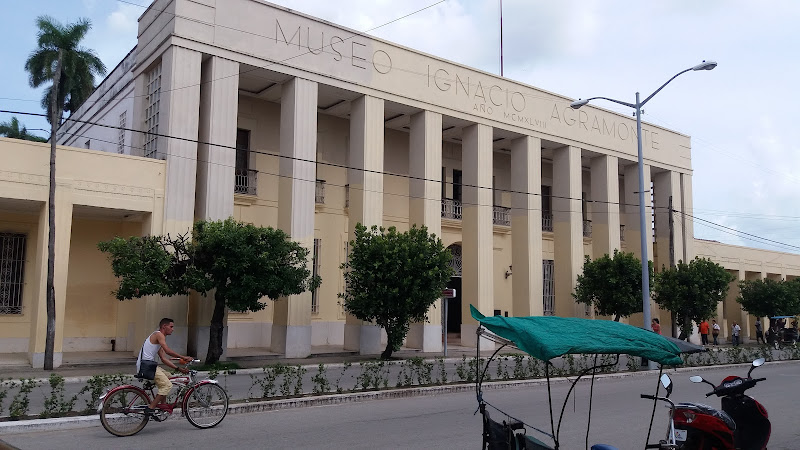
Museo Provincial Ignacio Agramonte
About Museo Provincial Ignacio Agramonte
Description
There’s something quietly magnetic about the Museo Provincial Ignacio Agramonte in Camagüey. It’s not one of those over-polished, overly curated museums where everything feels a bit too clean and sterile. Instead, it feels lived-in—like the building itself has stories to tell. The museum occupies a grand colonial mansion, with high ceilings, creaking wooden floors, and that faint scent of old paper and varnished furniture. You can almost imagine the echoes of the past lingering in the corridors. It’s a place that rewards curiosity, where every corner seems to whisper a fragment of Cuba’s layered history.
Dedicated to Ignacio Agramonte, one of Cuba’s national heroes, the museum captures both the revolutionary spirit and the cultural richness of Camagüey. It’s not just about dusty artifacts or portraits of long-gone generals. It’s about understanding how this city—once called Puerto Príncipe—played a vital role in shaping the nation’s identity. The exhibits feel personal, from 19th-century weapons and documents to delicate pieces of local art and furniture that once belonged to prominent families. You get a sense of how people lived, fought, and dreamed here. And maybe that’s what makes it so special—it’s not just a museum; it’s a window into the soul of Camagüey.
What stands out most is how approachable it all feels. The museum staff, often locals with a deep affection for their city, are generous with stories and details you won’t find in any guidebook. They’ll tell you about the building’s transformation over time, or point out a hidden detail in a painting that most visitors miss. And even if you’re not a history buff (I’ll admit I’m not always one myself), the atmosphere alone makes it worth the visit. The light filtering through the old windows, the echoes of footsteps on tile—it’s almost cinematic.
That said, it’s not perfect. Some exhibits could use a bit more explanation, and a few rooms feel like time stopped around the 1980s. But honestly, that’s part of the charm. It doesn’t try too hard. It’s authentic, grounded, and full of character—just like Camagüey itself. For travelers who crave genuine experiences rather than polished ones, this museum hits the right note. It’s a reminder that history isn’t just something you read about; it’s something you feel when you’re standing in the right place.
Key Features
- Historic Architecture: The museum is housed in a beautifully preserved colonial mansion dating back to the 19th century, showcasing traditional Camagüey design and craftsmanship.
- Cultural Exhibits: Collections include local art, antique furniture, personal belongings of historical figures, and documents from Cuba’s independence struggles.
- Revolutionary Artifacts: Displays related to Ignacio Agramonte and the independence wars offer a vivid glimpse into Cuba’s revolutionary past.
- Fine Arts Collection: Paintings and sculptures by Cuban artists highlight the region’s artistic evolution and creative energy.
- Guided Tours: Friendly staff often provide informal tours, sharing anecdotes and insights that bring the exhibits to life.
- Central Location: Situated in the heart of Camagüey’s historic center, it’s easy to combine a visit with nearby plazas, churches, and cafes.
- Atmospheric Setting: The museum’s ambient lighting, antique decor, and old-world charm create a deeply immersive experience.
Each of these features contributes to the museum’s unique appeal. It’s not just a place to see artifacts—it’s a place to feel them, to sense the continuity between past and present. And if you’re the kind of traveler who loves peeling back the layers of a city, you’ll find plenty to uncover here.
Best Time to Visit
Camagüey has a warm, tropical climate, so technically you can visit the Museo Provincial Ignacio Agramonte any time of year. But if you want to make the most of your trip, the cooler months from November to April are ideal. The air feels lighter, the sun a bit gentler, and wandering through the museum’s airy halls becomes a pleasant escape from the midday heat. I once visited in July, and let’s just say I spent more time fanning myself with the museum brochure than reading it. So yes—cooler months, definitely better.
Weekdays tend to be quieter, which means you can take your time exploring without feeling rushed. If you go in the early morning or late afternoon, the lighting in the museum is particularly lovely—the kind that makes the old furniture and paintings glow softly. It’s also worth checking if your visit coincides with local events or cultural festivals, as Camagüey often hosts art and music celebrations that complement the museum experience beautifully.
How to Get There
Reaching the Museo Provincial Ignacio Agramonte is fairly straightforward once you’re in Camagüey. The city’s historic center is compact and walkable, so if you’re staying nearby, you can easily stroll to the museum. The surrounding streets are full of colonial charm—narrow, winding, and slightly maze-like (which is part of the fun). Just keep your eyes open for the distinctive façade of the museum; it stands out with its elegant arches and pastel tones.
If you’re coming from further out, taxis and bici-taxis are convenient and affordable. Local drivers are usually friendly and know the museum well. Some travelers prefer hiring a private guide or joining a walking tour that includes the museum as a stop, which can add context and save time. Public transportation in Camagüey isn’t as streamlined as in larger Cuban cities, but that’s also what makes it feel more authentic—you’re moving at the city’s pace, not rushing through it.
For those arriving by car, parking can be found on nearby streets, though spaces might be limited during busy hours. My advice: leave the car behind if you can. Walking through Camagüey’s old streets is half the joy of visiting, and the museum feels even more rewarding when you approach it on foot, soaking in the city’s rhythm along the way.
Tips for Visiting
Visiting the Museo Provincial Ignacio Agramonte isn’t just about ticking off another attraction—it’s about slowing down and letting history sink in. Here are a few tips to make your experience smoother and more memorable:
- Take Your Time: Don’t rush through the exhibits. Some of the most interesting details are small—like handwritten notes or decorative carvings on furniture.
- Ask Questions: The staff are incredibly knowledgeable and love sharing stories. A simple question can open up a whole new layer of understanding.
- Bring Cash: Entrance fees are modest, but it’s best to have local currency on hand since card payments aren’t always accepted.
- Photography: Check the policy before snapping photos. Some rooms may restrict photography to protect fragile artifacts.
- Combine with Nearby Attractions: The museum is close to several beautiful plazas and churches, so plan a half-day itinerary to explore the area fully.
- Stay Hydrated: Camagüey’s heat can be intense, especially in summer. Carry a bottle of water and maybe a small fan if you’re sensitive to warmth.
- Look Up and Around: The ceilings, door frames, and even the floor tiles are worth admiring. It’s easy to miss the architectural details when you’re focused on the exhibits.
And here’s a personal note: when I visited, I found myself lingering in one of the smaller rooms near the back. There was an old typewriter sitting on a wooden desk, and for a moment, I imagined the kind of letters that might’ve been written there—perhaps a love letter, or a revolutionary manifesto. That’s the thing about this museum—it invites your imagination to wander. You don’t just learn about history; you start to feel connected to it.
So, if you’re planning a trip to Camagüey, make sure to carve out a couple of hours for the Museo Provincial Ignacio Agramonte. It’s not flashy or extravagant, but it’s deeply authentic. You’ll leave with a better sense of Cuba’s past—and maybe even a deeper appreciation for the quiet, enduring beauty of places that have stood the test of time. It’s one of those experiences that stays with you long after you’ve left the building, like the faint echo of footsteps on an old wooden floor.
Key Features
- Key Features
- Best Time to Visit
- How to Get There
- Tips for Visiting
More Details
Updated December 1, 2025
Table of Contents
- Description
- Key Features
- Best Time to Visit
- How to Get There
- Tips for Visiting
- Key Highlights
- Location
- Places to Stay Near Museo Provincial Ignacio Agramonte
- Find and Book a Tour
- Explore More Travel Guides
- Nearby Places You Might Like
- Traveler Reviews for Museo Provincial Ignacio Agramonte
- Share Your Experience
Description
There’s something quietly magnetic about the Museo Provincial Ignacio Agramonte in Camagüey. It’s not one of those over-polished, overly curated museums where everything feels a bit too clean and sterile. Instead, it feels lived-in—like the building itself has stories to tell. The museum occupies a grand colonial mansion, with high ceilings, creaking wooden floors, and that faint scent of old paper and varnished furniture. You can almost imagine the echoes of the past lingering in the corridors. It’s a place that rewards curiosity, where every corner seems to whisper a fragment of Cuba’s layered history.
Dedicated to Ignacio Agramonte, one of Cuba’s national heroes, the museum captures both the revolutionary spirit and the cultural richness of Camagüey. It’s not just about dusty artifacts or portraits of long-gone generals. It’s about understanding how this city—once called Puerto Príncipe—played a vital role in shaping the nation’s identity. The exhibits feel personal, from 19th-century weapons and documents to delicate pieces of local art and furniture that once belonged to prominent families. You get a sense of how people lived, fought, and dreamed here. And maybe that’s what makes it so special—it’s not just a museum; it’s a window into the soul of Camagüey.
What stands out most is how approachable it all feels. The museum staff, often locals with a deep affection for their city, are generous with stories and details you won’t find in any guidebook. They’ll tell you about the building’s transformation over time, or point out a hidden detail in a painting that most visitors miss. And even if you’re not a history buff (I’ll admit I’m not always one myself), the atmosphere alone makes it worth the visit. The light filtering through the old windows, the echoes of footsteps on tile—it’s almost cinematic.
That said, it’s not perfect. Some exhibits could use a bit more explanation, and a few rooms feel like time stopped around the 1980s. But honestly, that’s part of the charm. It doesn’t try too hard. It’s authentic, grounded, and full of character—just like Camagüey itself. For travelers who crave genuine experiences rather than polished ones, this museum hits the right note. It’s a reminder that history isn’t just something you read about; it’s something you feel when you’re standing in the right place.
Key Features
- Historic Architecture: The museum is housed in a beautifully preserved colonial mansion dating back to the 19th century, showcasing traditional Camagüey design and craftsmanship.
- Cultural Exhibits: Collections include local art, antique furniture, personal belongings of historical figures, and documents from Cuba’s independence struggles.
- Revolutionary Artifacts: Displays related to Ignacio Agramonte and the independence wars offer a vivid glimpse into Cuba’s revolutionary past.
- Fine Arts Collection: Paintings and sculptures by Cuban artists highlight the region’s artistic evolution and creative energy.
- Guided Tours: Friendly staff often provide informal tours, sharing anecdotes and insights that bring the exhibits to life.
- Central Location: Situated in the heart of Camagüey’s historic center, it’s easy to combine a visit with nearby plazas, churches, and cafes.
- Atmospheric Setting: The museum’s ambient lighting, antique decor, and old-world charm create a deeply immersive experience.
Each of these features contributes to the museum’s unique appeal. It’s not just a place to see artifacts—it’s a place to feel them, to sense the continuity between past and present. And if you’re the kind of traveler who loves peeling back the layers of a city, you’ll find plenty to uncover here.
Best Time to Visit
Camagüey has a warm, tropical climate, so technically you can visit the Museo Provincial Ignacio Agramonte any time of year. But if you want to make the most of your trip, the cooler months from November to April are ideal. The air feels lighter, the sun a bit gentler, and wandering through the museum’s airy halls becomes a pleasant escape from the midday heat. I once visited in July, and let’s just say I spent more time fanning myself with the museum brochure than reading it. So yes—cooler months, definitely better.
Weekdays tend to be quieter, which means you can take your time exploring without feeling rushed. If you go in the early morning or late afternoon, the lighting in the museum is particularly lovely—the kind that makes the old furniture and paintings glow softly. It’s also worth checking if your visit coincides with local events or cultural festivals, as Camagüey often hosts art and music celebrations that complement the museum experience beautifully.
How to Get There
Reaching the Museo Provincial Ignacio Agramonte is fairly straightforward once you’re in Camagüey. The city’s historic center is compact and walkable, so if you’re staying nearby, you can easily stroll to the museum. The surrounding streets are full of colonial charm—narrow, winding, and slightly maze-like (which is part of the fun). Just keep your eyes open for the distinctive façade of the museum; it stands out with its elegant arches and pastel tones.
If you’re coming from further out, taxis and bici-taxis are convenient and affordable. Local drivers are usually friendly and know the museum well. Some travelers prefer hiring a private guide or joining a walking tour that includes the museum as a stop, which can add context and save time. Public transportation in Camagüey isn’t as streamlined as in larger Cuban cities, but that’s also what makes it feel more authentic—you’re moving at the city’s pace, not rushing through it.
For those arriving by car, parking can be found on nearby streets, though spaces might be limited during busy hours. My advice: leave the car behind if you can. Walking through Camagüey’s old streets is half the joy of visiting, and the museum feels even more rewarding when you approach it on foot, soaking in the city’s rhythm along the way.
Tips for Visiting
Visiting the Museo Provincial Ignacio Agramonte isn’t just about ticking off another attraction—it’s about slowing down and letting history sink in. Here are a few tips to make your experience smoother and more memorable:
- Take Your Time: Don’t rush through the exhibits. Some of the most interesting details are small—like handwritten notes or decorative carvings on furniture.
- Ask Questions: The staff are incredibly knowledgeable and love sharing stories. A simple question can open up a whole new layer of understanding.
- Bring Cash: Entrance fees are modest, but it’s best to have local currency on hand since card payments aren’t always accepted.
- Photography: Check the policy before snapping photos. Some rooms may restrict photography to protect fragile artifacts.
- Combine with Nearby Attractions: The museum is close to several beautiful plazas and churches, so plan a half-day itinerary to explore the area fully.
- Stay Hydrated: Camagüey’s heat can be intense, especially in summer. Carry a bottle of water and maybe a small fan if you’re sensitive to warmth.
- Look Up and Around: The ceilings, door frames, and even the floor tiles are worth admiring. It’s easy to miss the architectural details when you’re focused on the exhibits.
And here’s a personal note: when I visited, I found myself lingering in one of the smaller rooms near the back. There was an old typewriter sitting on a wooden desk, and for a moment, I imagined the kind of letters that might’ve been written there—perhaps a love letter, or a revolutionary manifesto. That’s the thing about this museum—it invites your imagination to wander. You don’t just learn about history; you start to feel connected to it.
So, if you’re planning a trip to Camagüey, make sure to carve out a couple of hours for the Museo Provincial Ignacio Agramonte. It’s not flashy or extravagant, but it’s deeply authentic. You’ll leave with a better sense of Cuba’s past—and maybe even a deeper appreciation for the quiet, enduring beauty of places that have stood the test of time. It’s one of those experiences that stays with you long after you’ve left the building, like the faint echo of footsteps on an old wooden floor.
Key Highlights
- Key Features
- Best Time to Visit
- How to Get There
- Tips for Visiting
Location
Places to Stay Near Museo Provincial Ignacio Agramonte
Find and Book a Tour
Explore More Travel Guides
No reviews found! Be the first to review!
Traveler Reviews for Museo Provincial Ignacio Agramonte
There are no reviews yet. Be the first one to write one.
Have you visited Museo Provincial Ignacio Agramonte? Help other travelers by sharing your review.
You Might Also Like
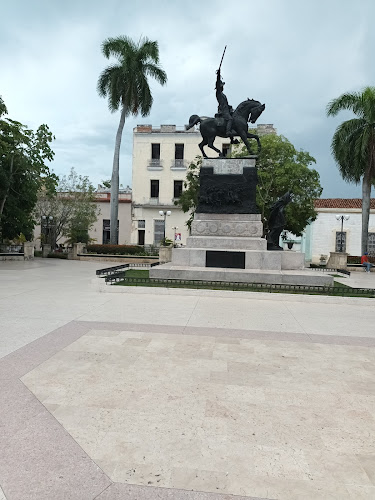
Ignacio Agramonte Park
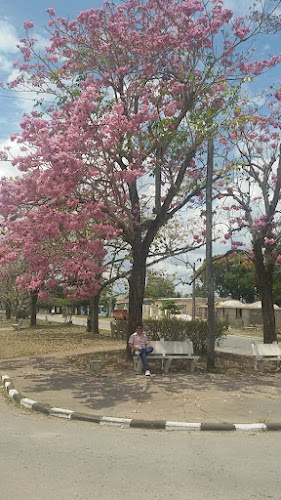
examen conduccir Park

Camaguey
Find Accommodations Nearby
Recommended Tours & Activities
Visitor Reviews
There are no reviews yet. Be the first one to write one.
Share Your Experience
Have you visited Museo Provincial Ignacio Agramonte? Help other travelers by leaving a review.