

Museo de La Lucha Clandestina
About Museo de La Lucha Clandestina
Description
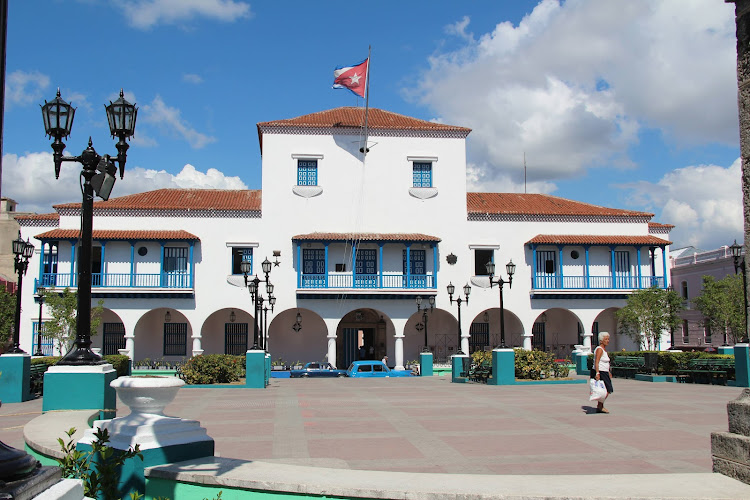
The Museo de La Lucha Clandestina stands as one of Santiago de Cuba's most compelling historical institutions, offering travelers an intimate glimpse into Cuba's revolutionary past. This museum occupies a particularly significant building – the former police headquarters where Castro's revolutionary forces launched a bold attack on November 30, 1956. The museum itself tells the story of the underground resistance movement that fought against the Batista dictatorship during the 1950s. Walking through these halls, visitors quickly realize they're standing in a place where history actually happened. The building's yellow colonial facade might look peaceful now, but the bullet holes still visible in some walls serve as stark reminders of the violent confrontation that took place here. And honestly, that's what makes this museum different from so many others – it's not just displaying history, it IS history. I've visited plenty of museums over the years, and there's something uniquely powerful about experiencing a historical site in the actual location where events unfolded. The Museo de La Lucha Clandestina doesn't rely on flashy displays or multimedia presentations. Instead, it lets the authenticity of the space speak for itself. The collection includes photographs, weapons, personal belongings of revolutionaries, and documents that chronicle the clandestine struggle against Batista's regime. The museum primarily focuses on the brave men and women who risked everything in the underground movement. These weren't professional soldiers initially – they were students, workers, and ordinary Cubans who believed in a cause. Their stories fill the exhibition rooms, creating an emotional connection that transcends language barriers. Even if your Spanish isn't perfect, the visual documentation tells a compelling story that resonates with visitors from around the world.Key Features
The Museo de La Lucha Clandestina offers several distinctive elements that make it worth including in any Santiago de Cuba itinerary: • The building itself served as the former police station, making it an authentic historical site rather than just a repository of artifacts • Extensive photographic documentation showing the faces and stories of individual resistance fighters who participated in the underground movement • Original weapons and equipment used during the revolutionary period, including firearms, communication devices, and improvised tools created by the resistance • Personal items belonging to key figures in the clandestine struggle, providing intimate insights into their daily lives and sacrifices • Detailed exhibits explaining the November 30, 1956 attack on this very building, coordinated to coincide with the Granma landing • A rooftop terrace offering panoramic views of Santiago de Cuba, allowing visitors to understand the city's geography and strategic importance during the revolutionary period • Wheelchair accessible facilities including restrooms, making the museum welcoming to visitors with mobility considerations • Family-friendly exhibitions that help younger visitors understand this important chapter of Cuban history in an accessible way • Documents and correspondence that reveal the organizational structure and communication methods of the underground network • Period furnishings and recreated spaces showing how the building functioned during its time as a police stationBest Time to Visit
Timing your visit to the Museo de La Lucha Clandestina can significantly impact your experience. The museum operates year-round, but certain periods offer distinct advantages for travelers. The cooler months between November and April represent the peak tourist season in Santiago de Cuba, and for good reason. Temperatures hover in a comfortable range, making the walk to the museum and exploration of its multiple floors much more pleasant. But here's the thing – peak season also means more cruise ship arrivals and tour groups. If you prefer a more contemplative experience, you might find yourself jostling for position in front of key exhibits. I'd personally recommend visiting during the shoulder months of May or October. The weather remains manageable, and you'll encounter fewer crowds. The museum's colonial-era building doesn't have extensive air conditioning throughout, so avoiding the absolute hottest months of July and August makes practical sense. As for time of day, getting there shortly after opening in the morning offers the best experience. You'll beat the tour groups that typically arrive mid-morning, giving you space to absorb the exhibits at your own pace. The natural light filtering through the windows also photographs beautifully during morning hours. Weekdays generally see lighter attendance than weekends when local families visit. If you're in Santiago for several days, choosing a Tuesday or Wednesday morning could provide the most intimate experience with the museum's collection. The anniversary of the November 30 attack sometimes features special commemorations or additional exhibits, making late November an particularly meaningful time to visit for those interested in experiencing how Cubans honor their revolutionary history.How to Get There
Getting to the Museo de La Lucha Clandestina requires some navigation through Santiago de Cuba's colonial streets, but the journey itself offers a wonderful introduction to the city's character. The museum sits in the historic center of Santiago, perched on a hillside location that once gave the police strategic oversight of the surrounding area. If you're staying in the central tourist zone near Parque Céspedes, you can absolutely walk there in about 15-20 minutes. The route involves climbing some hills – Santiago isn't flat like Havana – so wear comfortable shoes and bring water. For those less inclined toward uphill walks in Caribbean heat, local taxis remain affordable and plentiful. Most taxi drivers know the museum well, though having the name written down helps avoid confusion. A ride from the city center shouldn't cost more than a few convertible pesos. Negotiate the price before getting in, as is standard practice in Cuba. The classic American cars that many tourists love photographing also function as collective taxis called "almendrones." These follow set routes and cost considerably less than private taxis, though you'll share the ride with locals. It's an authentic experience, though explaining your destination to the driver might require some basic Spanish or hand gestures. Bicitaxis – those bicycle-powered rickshaws – offer another transportation option for shorter distances. They're slower but provide an open-air experience and support local entrepreneurs directly. The drivers often speak some English and can offer impromptu neighborhood tours along the way. If you're comfortable with independent exploration, walking actually provides the most rewarding approach. The streets leading to the museum wind through residential neighborhoods where daily Cuban life unfolds. You'll pass elderly folks sitting on stoops, kids playing baseball in narrow streets, and corner shops selling everything from bread to rum. These glimpses into everyday Santiago are sometimes more memorable than the planned destinations.Tips for Visiting
Making the most of your visit to the Museo de La Lucha Clandestina requires some practical preparation and cultural awareness. First off, bring cash for the entrance fee. Cuba's museums operate on a cash-only basis, and credit cards simply won't work here. The admission price remains quite reasonable compared to museum standards elsewhere, but have exact change if possible since making change can sometimes be challenging. Photography policies vary, and it's essential to ask before snapping pictures inside. Some areas permit photos without flash, while others restrict photography entirely to preserve sensitive documents and artifacts. When in doubt, ask a staff member. They're generally helpful and appreciate visitors who show respect for the guidelines. The museum's signage and exhibit descriptions appear primarily in Spanish. Unless your Spanish is strong, consider hiring a local guide or arriving with a translation app downloaded on your phone. Many guides wait outside popular tourist sites offering their services for reasonable rates. A knowledgeable guide transforms the experience, providing context and stories that static displays can't convey. Don't rush through the museum. I know the temptation exists to check it off your list and move on, especially when traveling on a tight schedule. But the Museo de La Lucha Clandestina deserves at least an hour, preferably longer. Sit with the photographs, read the available information, and let the significance of the place sink in. The rooftop terrace offers one of Santiago's best viewpoints, and many visitors miss it entirely. Make sure you head up there – the perspective on the city's layout helps contextualize the strategic importance of this location during the revolutionary period. Restroom facilities are available and reasonably maintained, though toilet paper can be scarce. Travelers in Cuba quickly learn to carry tissues or toilet paper in their daypack. It's just one of those practical realities of Cuban travel. Dress respectfully but comfortably. This is a museum commemorating people who died for their beliefs, not a beach resort. That said, Santiago's heat demands practical clothing choices. Light, breathable fabrics work best, and remember you'll be climbing stairs if you visit the upper floors and rooftop. Accessibility features include wheelchair-accessible restrooms, though some exhibition areas on upper floors may present challenges for visitors with mobility limitations. The staff generally tries to accommodate everyone, so don't hesitate to ask about accessibility options. The museum shop, if open, offers books and small souvenirs related to the revolutionary period. These make more meaningful keepsakes than mass-produced tourist trinkets sold elsewhere in the city. Plan your visit as part of a broader exploration of Santiago's revolutionary sites. The Moncada Barracks, the cemetery where many fighters are buried, and other related locations create a comprehensive picture when visited together. Finally, approach the museum with an open mind. The interpretation of Cuba's revolutionary history reflects the current government's perspective, which some visitors might find one-sided. Regardless of your political views, the courage of individuals who risked everything for their beliefs deserves acknowledgment. And that human element – the photographs of young faces, the personal letters, the simple objects they carried – transcends politics and speaks to universal themes of sacrifice and conviction.Key Features
- Exhibits in the former police headquarters where clandestine activity was pursued
- Photographs, documents and original clandestine leaflets and letters
- Period uniforms and personal effects of activists
- Multilingual explanatory panels (Spanish with some English) and local narratives
- Compact, focused layout that highlights first‑hand testimonies and archival material
More Details
Updated January 17, 2026
Table of Contents
Description
The Museo de La Lucha Clandestina stands as one of Santiago de Cuba’s most compelling historical institutions, offering travelers an intimate glimpse into Cuba’s revolutionary past. This museum occupies a particularly significant building – the former police headquarters where Castro’s revolutionary forces launched a bold attack on November 30, 1956. The museum itself tells the story of the underground resistance movement that fought against the Batista dictatorship during the 1950s.
Walking through these halls, visitors quickly realize they’re standing in a place where history actually happened. The building’s yellow colonial facade might look peaceful now, but the bullet holes still visible in some walls serve as stark reminders of the violent confrontation that took place here. And honestly, that’s what makes this museum different from so many others – it’s not just displaying history, it IS history.
I’ve visited plenty of museums over the years, and there’s something uniquely powerful about experiencing a historical site in the actual location where events unfolded. The Museo de La Lucha Clandestina doesn’t rely on flashy displays or multimedia presentations. Instead, it lets the authenticity of the space speak for itself. The collection includes photographs, weapons, personal belongings of revolutionaries, and documents that chronicle the clandestine struggle against Batista’s regime.
The museum primarily focuses on the brave men and women who risked everything in the underground movement. These weren’t professional soldiers initially – they were students, workers, and ordinary Cubans who believed in a cause. Their stories fill the exhibition rooms, creating an emotional connection that transcends language barriers. Even if your Spanish isn’t perfect, the visual documentation tells a compelling story that resonates with visitors from around the world.
Key Features
The Museo de La Lucha Clandestina offers several distinctive elements that make it worth including in any Santiago de Cuba itinerary:
• The building itself served as the former police station, making it an authentic historical site rather than just a repository of artifacts
• Extensive photographic documentation showing the faces and stories of individual resistance fighters who participated in the underground movement
• Original weapons and equipment used during the revolutionary period, including firearms, communication devices, and improvised tools created by the resistance
• Personal items belonging to key figures in the clandestine struggle, providing intimate insights into their daily lives and sacrifices
• Detailed exhibits explaining the November 30, 1956 attack on this very building, coordinated to coincide with the Granma landing
• A rooftop terrace offering panoramic views of Santiago de Cuba, allowing visitors to understand the city’s geography and strategic importance during the revolutionary period
• Wheelchair accessible facilities including restrooms, making the museum welcoming to visitors with mobility considerations
• Family-friendly exhibitions that help younger visitors understand this important chapter of Cuban history in an accessible way
• Documents and correspondence that reveal the organizational structure and communication methods of the underground network
• Period furnishings and recreated spaces showing how the building functioned during its time as a police station
Best Time to Visit
Timing your visit to the Museo de La Lucha Clandestina can significantly impact your experience. The museum operates year-round, but certain periods offer distinct advantages for travelers.
The cooler months between November and April represent the peak tourist season in Santiago de Cuba, and for good reason. Temperatures hover in a comfortable range, making the walk to the museum and exploration of its multiple floors much more pleasant. But here’s the thing – peak season also means more cruise ship arrivals and tour groups. If you prefer a more contemplative experience, you might find yourself jostling for position in front of key exhibits.
I’d personally recommend visiting during the shoulder months of May or October. The weather remains manageable, and you’ll encounter fewer crowds. The museum’s colonial-era building doesn’t have extensive air conditioning throughout, so avoiding the absolute hottest months of July and August makes practical sense.
As for time of day, getting there shortly after opening in the morning offers the best experience. You’ll beat the tour groups that typically arrive mid-morning, giving you space to absorb the exhibits at your own pace. The natural light filtering through the windows also photographs beautifully during morning hours.
Weekdays generally see lighter attendance than weekends when local families visit. If you’re in Santiago for several days, choosing a Tuesday or Wednesday morning could provide the most intimate experience with the museum’s collection.
The anniversary of the November 30 attack sometimes features special commemorations or additional exhibits, making late November an particularly meaningful time to visit for those interested in experiencing how Cubans honor their revolutionary history.
How to Get There
Getting to the Museo de La Lucha Clandestina requires some navigation through Santiago de Cuba’s colonial streets, but the journey itself offers a wonderful introduction to the city’s character.
The museum sits in the historic center of Santiago, perched on a hillside location that once gave the police strategic oversight of the surrounding area. If you’re staying in the central tourist zone near Parque Céspedes, you can absolutely walk there in about 15-20 minutes. The route involves climbing some hills – Santiago isn’t flat like Havana – so wear comfortable shoes and bring water.
For those less inclined toward uphill walks in Caribbean heat, local taxis remain affordable and plentiful. Most taxi drivers know the museum well, though having the name written down helps avoid confusion. A ride from the city center shouldn’t cost more than a few convertible pesos. Negotiate the price before getting in, as is standard practice in Cuba.
The classic American cars that many tourists love photographing also function as collective taxis called “almendrones.” These follow set routes and cost considerably less than private taxis, though you’ll share the ride with locals. It’s an authentic experience, though explaining your destination to the driver might require some basic Spanish or hand gestures.
Bicitaxis – those bicycle-powered rickshaws – offer another transportation option for shorter distances. They’re slower but provide an open-air experience and support local entrepreneurs directly. The drivers often speak some English and can offer impromptu neighborhood tours along the way.
If you’re comfortable with independent exploration, walking actually provides the most rewarding approach. The streets leading to the museum wind through residential neighborhoods where daily Cuban life unfolds. You’ll pass elderly folks sitting on stoops, kids playing baseball in narrow streets, and corner shops selling everything from bread to rum. These glimpses into everyday Santiago are sometimes more memorable than the planned destinations.
Tips for Visiting
Making the most of your visit to the Museo de La Lucha Clandestina requires some practical preparation and cultural awareness.
First off, bring cash for the entrance fee. Cuba’s museums operate on a cash-only basis, and credit cards simply won’t work here. The admission price remains quite reasonable compared to museum standards elsewhere, but have exact change if possible since making change can sometimes be challenging.
Photography policies vary, and it’s essential to ask before snapping pictures inside. Some areas permit photos without flash, while others restrict photography entirely to preserve sensitive documents and artifacts. When in doubt, ask a staff member. They’re generally helpful and appreciate visitors who show respect for the guidelines.
The museum’s signage and exhibit descriptions appear primarily in Spanish. Unless your Spanish is strong, consider hiring a local guide or arriving with a translation app downloaded on your phone. Many guides wait outside popular tourist sites offering their services for reasonable rates. A knowledgeable guide transforms the experience, providing context and stories that static displays can’t convey.
Don’t rush through the museum. I know the temptation exists to check it off your list and move on, especially when traveling on a tight schedule. But the Museo de La Lucha Clandestina deserves at least an hour, preferably longer. Sit with the photographs, read the available information, and let the significance of the place sink in.
The rooftop terrace offers one of Santiago’s best viewpoints, and many visitors miss it entirely. Make sure you head up there – the perspective on the city’s layout helps contextualize the strategic importance of this location during the revolutionary period.
Restroom facilities are available and reasonably maintained, though toilet paper can be scarce. Travelers in Cuba quickly learn to carry tissues or toilet paper in their daypack. It’s just one of those practical realities of Cuban travel.
Dress respectfully but comfortably. This is a museum commemorating people who died for their beliefs, not a beach resort. That said, Santiago’s heat demands practical clothing choices. Light, breathable fabrics work best, and remember you’ll be climbing stairs if you visit the upper floors and rooftop.
Accessibility features include wheelchair-accessible restrooms, though some exhibition areas on upper floors may present challenges for visitors with mobility limitations. The staff generally tries to accommodate everyone, so don’t hesitate to ask about accessibility options.
The museum shop, if open, offers books and small souvenirs related to the revolutionary period. These make more meaningful keepsakes than mass-produced tourist trinkets sold elsewhere in the city.
Plan your visit as part of a broader exploration of Santiago’s revolutionary sites. The Moncada Barracks, the cemetery where many fighters are buried, and other related locations create a comprehensive picture when visited together.
Finally, approach the museum with an open mind. The interpretation of Cuba’s revolutionary history reflects the current government’s perspective, which some visitors might find one-sided. Regardless of your political views, the courage of individuals who risked everything for their beliefs deserves acknowledgment. And that human element – the photographs of young faces, the personal letters, the simple objects they carried – transcends politics and speaks to universal themes of sacrifice and conviction.
Key Highlights
- Exhibits in the former police headquarters where clandestine activity was pursued
- Photographs, documents and original clandestine leaflets and letters
- Period uniforms and personal effects of activists
- Multilingual explanatory panels (Spanish with some English) and local narratives
- Compact, focused layout that highlights first‑hand testimonies and archival material
Location
Places to Stay Near Museo de La Lucha Clandestina
Find and Book a Tour
Explore More Travel Guides
No reviews found! Be the first to review!
Traveler Reviews for Museo de La Lucha Clandestina
There are no reviews yet. Be the first one to write one.
Have you visited Museo de La Lucha Clandestina? Help other travelers by sharing your review.
Nearby Attractions
You Might Also Like

Parque de la Alameda
Casa de Diego Velazquez
flores Park
Find Accommodations Nearby
Recommended Tours & Activities
Visitor Reviews
There are no reviews yet. Be the first one to write one.
Share Your Experience
Have you visited Museo de La Lucha Clandestina? Help other travelers by leaving a review.