
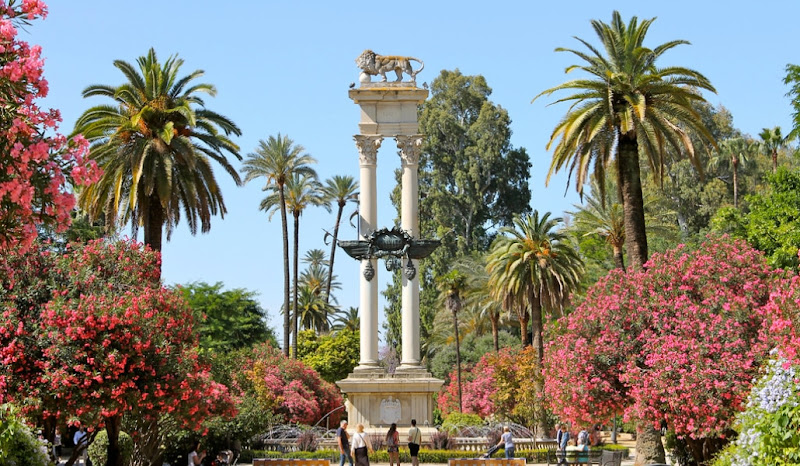
Murillo Gardens
About Murillo Gardens
Description
Murillo Gardens in Seville is one of those places that quietly wins you over. It’s not the biggest park in the city, nor the most extravagant, but there’s something about its atmosphere that makes you want to linger. With its shaded walkways, tiled benches, and the soft hum of fountains, it feels like a gentle pause button in the middle of Seville’s lively rhythm. The gardens were designed by Juan Talavera y Heredia in the early 20th century, on land that was once part of the Alcázar of Seville. That royal touch still lingers in the air, though now it’s shared with families, travelers, and the occasional local walking their dog.
It’s the kind of place where you can wander aimlessly and still feel like you’re discovering something new—ceramic-tiled walls, small monuments, and the occasional orange tree heavy with fruit. And yes, you’ll smell those orange blossoms in the spring; it’s one of those scents that stays with you long after you’ve left Seville. I remember sitting on one of those benches one April afternoon, half lost in thought, half people-watching. A guitarist strummed nearby, and for a moment, everything just clicked—the sound, the smell, the breeze. That’s what Murillo Gardens does best—it slows you down without asking for it.
Named after the 17th-century painter Bartolomé Esteban Murillo, the gardens have that artistic soul about them. You can sense the layers of history here, from the Moorish influence in the tiled fountains to the Andalusian flair in the landscaping. It’s a blend of art, nature, and heritage that feels distinctly Sevillian. While some visitors might say it’s more of a tranquil stop than a showstopper, that’s precisely its charm—it’s authentic, unpretentious, and deeply local.
Key Features
- Orange Tree Avenues: Long, leafy paths lined with orange trees that fill the air with their signature fragrance during springtime.
- Sevillian Ceramics: Decorative tiles and benches showcasing traditional Andalusian craftsmanship.
- Historic Monuments: Small statues and memorials scattered throughout, adding a touch of history to your stroll.
- Fountains and Ponds: Gentle water features that create a calming background soundtrack for your walk.
- Wheelchair Accessibility: Smooth, paved pathways make it easy for everyone to enjoy the gardens comfortably.
- Pet-Friendly: Dogs are welcome, making it a great spot for locals and travelers with furry companions.
- Play Area for Kids: Families often stop here for a break, letting kids run around safely within the park’s open areas.
- Cycling Lanes: Dedicated paths for cyclists who prefer to explore Seville on two wheels.
It’s not a flashy park, but the attention to detail is what makes it special. The mosaic benches, the shaded pergolas, the way sunlight filters through the orange leaves—it’s all part of a quiet symphony of design. And while some might prefer the grandeur of the nearby Alcázar gardens, Murillo Gardens feels more intimate, more accessible, and somehow more personal.
Best Time to Visit
Timing matters a lot here. Spring is hands-down the best season to visit, especially between March and May. That’s when the orange blossoms perfume the air, and the weather is just about perfect—not too hot, not too cool. If you’ve ever been to Seville in summer, you’ll know what I mean when I say the heat can be merciless. By July or August, you’ll want to come early in the morning or closer to sunset when the light turns golden and the air softens a bit.
Autumn has its own charm too. The crowds thin out, the colors deepen, and you can actually hear the rustle of leaves underfoot. Winter, on the other hand, is quiet and mild—ideal if you like having a peaceful stroll without many people around. Even in January, you’ll find locals reading on benches or walking their dogs. The gardens don’t really lose their beauty, they just shift moods with the seasons.
How to Get There
Murillo Gardens sit right in the heart of Seville, close to some of the city’s most famous landmarks. If you’re already exploring the Santa Cruz neighborhood or the Alcázar, you’re practically there. You can easily walk from the Cathedral in about five minutes. For those coming from further out, the city’s public transport makes it simple—several bus routes stop nearby, and taxis or rideshares can drop you off at one of the main entrances.
If you’re cycling, there are designated lanes that connect to the park, so it’s a pleasant and eco-friendly way to arrive. And honestly, walking there is half the fun. The streets leading up to the gardens are full of charming corners, little cafés, and tiled façades that make the journey part of the experience. Just wear comfortable shoes—Seville’s cobblestones are beautiful but not always kind to your feet.
Tips for Visiting
Here’s the thing about Murillo Gardens: it’s not the kind of place you rush through. It rewards those who slow down. So, take your time. Sit on a bench, grab a coffee to-go from a nearby café, and just people-watch for a while. If you’re into photography, bring your camera—the light filtering through the trees in the late afternoon is something else. I’ve taken some of my favorite travel photos there, especially when the sun hits the tiles just right.
- Go Early or Late: Avoid the midday sun, especially in summer. Early morning or late afternoon is perfect for both comfort and lighting.
- Pack Light: You won’t need much—just water, sunscreen, and maybe a snack. There are plenty of spots to sit and relax.
- Bring Your Dog: If you’re traveling with pets, this is one of the most welcoming green spaces in central Seville.
- Stay Nearby: Many charming hotels and guesthouses surround the area, making it easy to pop in multiple times during your stay.
- Combine with Nearby Attractions: The gardens are right next to the Alcázar and the Santa Cruz district, so plan your day to see all three without rushing.
One more thing—don’t underestimate how peaceful it can be here at sunset. The light softens, the crowds thin, and the fountains start to reflect the sky’s changing colors. It’s a small moment, but it’s the kind that sticks with you. I’ve sat there watching the day fade, thinking how these gardens, though modest, capture the soul of Seville better than many grander spots. It’s the mix of history, art, and everyday life that makes it special.
So, if you’re planning your Seville itinerary, give Murillo Gardens a spot on your list. Not because it’s the flashiest attraction, but because it’s real. It’s where locals walk, where kids play, where travelers pause. It’s a little slice of Andalusian life—calm, beautiful, and quietly unforgettable.
Key Features
- Key Features
- Best Time to Visit
- How to Get There
- Tips for Visiting
More Details
Updated November 6, 2025
Table of Contents
Description
Murillo Gardens in Seville is one of those places that quietly wins you over. It’s not the biggest park in the city, nor the most extravagant, but there’s something about its atmosphere that makes you want to linger. With its shaded walkways, tiled benches, and the soft hum of fountains, it feels like a gentle pause button in the middle of Seville’s lively rhythm. The gardens were designed by Juan Talavera y Heredia in the early 20th century, on land that was once part of the Alcázar of Seville. That royal touch still lingers in the air, though now it’s shared with families, travelers, and the occasional local walking their dog.
It’s the kind of place where you can wander aimlessly and still feel like you’re discovering something new—ceramic-tiled walls, small monuments, and the occasional orange tree heavy with fruit. And yes, you’ll smell those orange blossoms in the spring; it’s one of those scents that stays with you long after you’ve left Seville. I remember sitting on one of those benches one April afternoon, half lost in thought, half people-watching. A guitarist strummed nearby, and for a moment, everything just clicked—the sound, the smell, the breeze. That’s what Murillo Gardens does best—it slows you down without asking for it.
Named after the 17th-century painter Bartolomé Esteban Murillo, the gardens have that artistic soul about them. You can sense the layers of history here, from the Moorish influence in the tiled fountains to the Andalusian flair in the landscaping. It’s a blend of art, nature, and heritage that feels distinctly Sevillian. While some visitors might say it’s more of a tranquil stop than a showstopper, that’s precisely its charm—it’s authentic, unpretentious, and deeply local.
Key Features
- Orange Tree Avenues: Long, leafy paths lined with orange trees that fill the air with their signature fragrance during springtime.
- Sevillian Ceramics: Decorative tiles and benches showcasing traditional Andalusian craftsmanship.
- Historic Monuments: Small statues and memorials scattered throughout, adding a touch of history to your stroll.
- Fountains and Ponds: Gentle water features that create a calming background soundtrack for your walk.
- Wheelchair Accessibility: Smooth, paved pathways make it easy for everyone to enjoy the gardens comfortably.
- Pet-Friendly: Dogs are welcome, making it a great spot for locals and travelers with furry companions.
- Play Area for Kids: Families often stop here for a break, letting kids run around safely within the park’s open areas.
- Cycling Lanes: Dedicated paths for cyclists who prefer to explore Seville on two wheels.
It’s not a flashy park, but the attention to detail is what makes it special. The mosaic benches, the shaded pergolas, the way sunlight filters through the orange leaves—it’s all part of a quiet symphony of design. And while some might prefer the grandeur of the nearby Alcázar gardens, Murillo Gardens feels more intimate, more accessible, and somehow more personal.
Best Time to Visit
Timing matters a lot here. Spring is hands-down the best season to visit, especially between March and May. That’s when the orange blossoms perfume the air, and the weather is just about perfect—not too hot, not too cool. If you’ve ever been to Seville in summer, you’ll know what I mean when I say the heat can be merciless. By July or August, you’ll want to come early in the morning or closer to sunset when the light turns golden and the air softens a bit.
Autumn has its own charm too. The crowds thin out, the colors deepen, and you can actually hear the rustle of leaves underfoot. Winter, on the other hand, is quiet and mild—ideal if you like having a peaceful stroll without many people around. Even in January, you’ll find locals reading on benches or walking their dogs. The gardens don’t really lose their beauty, they just shift moods with the seasons.
How to Get There
Murillo Gardens sit right in the heart of Seville, close to some of the city’s most famous landmarks. If you’re already exploring the Santa Cruz neighborhood or the Alcázar, you’re practically there. You can easily walk from the Cathedral in about five minutes. For those coming from further out, the city’s public transport makes it simple—several bus routes stop nearby, and taxis or rideshares can drop you off at one of the main entrances.
If you’re cycling, there are designated lanes that connect to the park, so it’s a pleasant and eco-friendly way to arrive. And honestly, walking there is half the fun. The streets leading up to the gardens are full of charming corners, little cafés, and tiled façades that make the journey part of the experience. Just wear comfortable shoes—Seville’s cobblestones are beautiful but not always kind to your feet.
Tips for Visiting
Here’s the thing about Murillo Gardens: it’s not the kind of place you rush through. It rewards those who slow down. So, take your time. Sit on a bench, grab a coffee to-go from a nearby café, and just people-watch for a while. If you’re into photography, bring your camera—the light filtering through the trees in the late afternoon is something else. I’ve taken some of my favorite travel photos there, especially when the sun hits the tiles just right.
- Go Early or Late: Avoid the midday sun, especially in summer. Early morning or late afternoon is perfect for both comfort and lighting.
- Pack Light: You won’t need much—just water, sunscreen, and maybe a snack. There are plenty of spots to sit and relax.
- Bring Your Dog: If you’re traveling with pets, this is one of the most welcoming green spaces in central Seville.
- Stay Nearby: Many charming hotels and guesthouses surround the area, making it easy to pop in multiple times during your stay.
- Combine with Nearby Attractions: The gardens are right next to the Alcázar and the Santa Cruz district, so plan your day to see all three without rushing.
One more thing—don’t underestimate how peaceful it can be here at sunset. The light softens, the crowds thin, and the fountains start to reflect the sky’s changing colors. It’s a small moment, but it’s the kind that sticks with you. I’ve sat there watching the day fade, thinking how these gardens, though modest, capture the soul of Seville better than many grander spots. It’s the mix of history, art, and everyday life that makes it special.
So, if you’re planning your Seville itinerary, give Murillo Gardens a spot on your list. Not because it’s the flashiest attraction, but because it’s real. It’s where locals walk, where kids play, where travelers pause. It’s a little slice of Andalusian life—calm, beautiful, and quietly unforgettable.
Key Highlights
- Key Features
- Best Time to Visit
- How to Get There
- Tips for Visiting
Location
Places to Stay Near Murillo Gardens
Find and Book a Tour
Explore More Travel Guides
No reviews found! Be the first to review!
Traveler Reviews for Murillo Gardens
There are no reviews yet. Be the first one to write one.
Have you visited Murillo Gardens? Help other travelers by sharing your review.
You Might Also Like

Catedral de Sevilla

Iglesia Colegial del Divino Salvador

Museum of Popular Arts and Customs of Seville
Find Accommodations Nearby
Recommended Tours & Activities
Visitor Reviews
There are no reviews yet. Be the first one to write one.
Share Your Experience
Have you visited Murillo Gardens? Help other travelers by leaving a review.