Mount Zwegabin
About Mount Zwegabin
Description
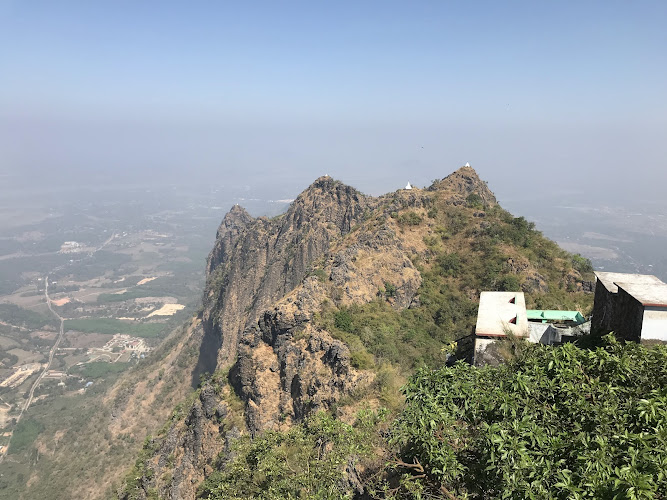
Mount Zwegabin is one of those places that doesn’t shout for attention but somehow stays with you long after you’ve left. Rising about 2,369 feet above the surrounding plains, this rocky mountain feels both intimidating and oddly welcoming at the same time. From below, it looks like a solid wall of stone, especially in the early morning when mist clings to its sides and makes the peak seem higher than it actually is. And yes, it’s a climb, not a casual stroll. But that’s part of the point.
The mountain is best known for the monastery perched near the top and the steep stepped path that winds its way upward from a statue garden at the base. Those steps, let me tell you, are no joke. I remember thinking, halfway up, that I should’ve trained a bit more or at least eaten less street food the day before. Still, there’s something grounding about climbing barefoot, feeling the stone under your feet, passing locals who somehow glide up with zero effort. It’s humbling, in a good way.
Spiritually, Mount Zwegabin holds deep meaning for many people. Monks live and practice here, and pilgrims visit throughout the year to pay respect, meditate, or simply enjoy the quiet that you can’t really buy in cities anymore. Even if you’re not religious, the atmosphere has a calming pull. The sounds are softer. Conversations feel slower. And the views, once you finally reach the top, stretch out across farmland, villages, and distant hills that look painted rather than real.
What makes Mount Zwegabin stand out for travelers is the mix of effort and reward. You earn every bit of that panorama. The monastery isn’t flashy or grand in a touristy sense. It’s practical, serene, and lived-in. You might see monks going about their daily routines, sweeping walkways or sharing a quiet meal. It’s respectful to observe without intruding, and most visitors seem to instinctively understand that.
It’s not a polished attraction with guardrails everywhere. There are uneven steps, the occasional cracked stone, and long stretches with no shade. Some people find that challenging. Others, myself included, find it refreshingly honest. Mount Zwegabin doesn’t pretend to be easy, and I kinda respect that.
Key Features
- Steep stepped pathway leading from a statue garden to the summit, offering a physically demanding but memorable climb
- Hilltop monastery where monks reside, adding a strong spiritual and cultural dimension to the visit
- Panoramic views across rural landscapes, especially striking during early morning or late afternoon
- Rocky terrain and natural formations that make the mountain feel raw and untouched
- Quiet atmosphere at the summit, ideal for reflection, photography, or just catching your breath
- Encounters with local pilgrims that give insight into everyday religious life, not staged for tourists
Best Time to Visit
Timing matters a lot when visiting Mount Zwegabin. Trust me on this. The best months tend to fall during the cooler, drier season, roughly from November to February. During this period, mornings are pleasantly cool, and the climb doesn’t feel like a punishment. I once went closer to the hotter months, and wow, that was a lesson learned the sweaty way.
Early morning is hands-down the ideal time of day. Not only is the temperature kinder, but the light is softer and the air clearer. You’ll often see locals starting their ascent just after dawn, some carrying offerings, others simply enjoying the quiet before the heat kicks in. By midday, the steps can get hot, and there’s less shade than you might hope for.
Rainy season visits are possible, but they’re not for everyone. The stone steps can get slippery, and visibility at the top may be limited by clouds. That said, the mountain turns lush and green, and there’s a dramatic beauty to watching weather roll in over the plains. If you don’t mind a bit of unpredictability, it can be rewarding.
Weekdays are generally calmer than weekends. On holidays or religious observance days, expect more pilgrims. It’s not a bad thing, just different. More energy, more chanting, more shared moments. But if you’re craving solitude, plan around those days.
How to Get There
Getting to Mount Zwegabin is fairly straightforward, but it does require a bit of patience. The mountain is accessible from nearby towns, usually by car, taxi, or motorbike. Public transport can get you close, but the final stretch often needs a local ride or a walk. Asking locals for directions is surprisingly effective; most people know the mountain well and are happy to point you the right way, sometimes with enthusiastic hand gestures.
Once you reach the base, you’ll find the statue garden that marks the beginning of the climb. This is where you should take a moment. Drink water. Stretch. Mentally prepare. There’s no rush, despite what your overconfident inner voice might say.
Some travelers hire local guides, especially if it’s their first visit. Personally, I think it’s doable without one, but a guide can add context, stories, and practical advice that you won’t get from signs. Plus, supporting local guides helps the community directly, which always feels like the right move.
Parking areas are informal, and facilities are basic. Don’t expect cafes or souvenir shops. That’s part of the charm, honestly. Bring what you need with you.
Tips for Visiting
First things first: dress respectfully. This isn’t just a mountain; it’s a religious site. Covered shoulders and knees are expected, and you’ll need to remove footwear during parts of the climb. Shoes that are easy to take on and off will save you some hassle. And yes, climbing barefoot can be uncomfortable at first, but you get used to it quicker than you think.
Bring more water than you think you’ll need. I’ve seen people turn back simply because they underestimated the climb. Snacks help too, especially something salty. There aren’t many places to buy food once you start ascending.
Pace yourself. This isn’t a race, and no one’s judging how fast you reach the top. I stopped more times than I’d like to admit, partly to rest and partly to enjoy the view pretending I wasn’t tired. It’s okay. Really.
Be mindful of your behavior at the monastery. Keep voices low, ask before taking photos of people, and avoid disrupting daily activities. A simple smile and nod go a long way. I once shared a quiet moment watching monks prepare for the evening, and it’s one of those memories that sticks because it wasn’t forced.
Weather can change quickly, so a light rain jacket or scarf isn’t a bad idea. And sunscreen. Even on cloudy days, the sun up there can be sneaky.
Lastly, give yourself time. Don’t plan to rush in and out. Mount Zwegabin rewards those who linger, who sit quietly at the top and let the wind do its thing. You might come for the climb, but you’ll remember the stillness. And honestly, in a world that rarely slows down, that’s worth the effort.
Key Features
- Steep stepped pathway leading from a statue garden to the summit, offering a physically demanding but memorable climb
- Hilltop monastery where monks reside, adding a strong spiritual and cultural dimension to the visit
- Panoramic views across rural landscapes, especially striking during early morning or late afternoon
- Rocky terrain and natural formations that make the mountain feel raw and untouched
- Quiet atmosphere at the summit, ideal for reflection, photography, or just catching your breath
- Encounters with local pilgrims that give insight into everyday religious life, not staged for tourists
More Details
Updated January 1, 2026
Table of Contents
Description
Mount Zwegabin is one of those places that doesn’t shout for attention but somehow stays with you long after you’ve left. Rising about 2,369 feet above the surrounding plains, this rocky mountain feels both intimidating and oddly welcoming at the same time. From below, it looks like a solid wall of stone, especially in the early morning when mist clings to its sides and makes the peak seem higher than it actually is. And yes, it’s a climb, not a casual stroll. But that’s part of the point.
The mountain is best known for the monastery perched near the top and the steep stepped path that winds its way upward from a statue garden at the base. Those steps, let me tell you, are no joke. I remember thinking, halfway up, that I should’ve trained a bit more or at least eaten less street food the day before. Still, there’s something grounding about climbing barefoot, feeling the stone under your feet, passing locals who somehow glide up with zero effort. It’s humbling, in a good way.
Spiritually, Mount Zwegabin holds deep meaning for many people. Monks live and practice here, and pilgrims visit throughout the year to pay respect, meditate, or simply enjoy the quiet that you can’t really buy in cities anymore. Even if you’re not religious, the atmosphere has a calming pull. The sounds are softer. Conversations feel slower. And the views, once you finally reach the top, stretch out across farmland, villages, and distant hills that look painted rather than real.
What makes Mount Zwegabin stand out for travelers is the mix of effort and reward. You earn every bit of that panorama. The monastery isn’t flashy or grand in a touristy sense. It’s practical, serene, and lived-in. You might see monks going about their daily routines, sweeping walkways or sharing a quiet meal. It’s respectful to observe without intruding, and most visitors seem to instinctively understand that.
It’s not a polished attraction with guardrails everywhere. There are uneven steps, the occasional cracked stone, and long stretches with no shade. Some people find that challenging. Others, myself included, find it refreshingly honest. Mount Zwegabin doesn’t pretend to be easy, and I kinda respect that.
Key Features
- Steep stepped pathway leading from a statue garden to the summit, offering a physically demanding but memorable climb
- Hilltop monastery where monks reside, adding a strong spiritual and cultural dimension to the visit
- Panoramic views across rural landscapes, especially striking during early morning or late afternoon
- Rocky terrain and natural formations that make the mountain feel raw and untouched
- Quiet atmosphere at the summit, ideal for reflection, photography, or just catching your breath
- Encounters with local pilgrims that give insight into everyday religious life, not staged for tourists
Best Time to Visit
Timing matters a lot when visiting Mount Zwegabin. Trust me on this. The best months tend to fall during the cooler, drier season, roughly from November to February. During this period, mornings are pleasantly cool, and the climb doesn’t feel like a punishment. I once went closer to the hotter months, and wow, that was a lesson learned the sweaty way.
Early morning is hands-down the ideal time of day. Not only is the temperature kinder, but the light is softer and the air clearer. You’ll often see locals starting their ascent just after dawn, some carrying offerings, others simply enjoying the quiet before the heat kicks in. By midday, the steps can get hot, and there’s less shade than you might hope for.
Rainy season visits are possible, but they’re not for everyone. The stone steps can get slippery, and visibility at the top may be limited by clouds. That said, the mountain turns lush and green, and there’s a dramatic beauty to watching weather roll in over the plains. If you don’t mind a bit of unpredictability, it can be rewarding.
Weekdays are generally calmer than weekends. On holidays or religious observance days, expect more pilgrims. It’s not a bad thing, just different. More energy, more chanting, more shared moments. But if you’re craving solitude, plan around those days.
How to Get There
Getting to Mount Zwegabin is fairly straightforward, but it does require a bit of patience. The mountain is accessible from nearby towns, usually by car, taxi, or motorbike. Public transport can get you close, but the final stretch often needs a local ride or a walk. Asking locals for directions is surprisingly effective; most people know the mountain well and are happy to point you the right way, sometimes with enthusiastic hand gestures.
Once you reach the base, you’ll find the statue garden that marks the beginning of the climb. This is where you should take a moment. Drink water. Stretch. Mentally prepare. There’s no rush, despite what your overconfident inner voice might say.
Some travelers hire local guides, especially if it’s their first visit. Personally, I think it’s doable without one, but a guide can add context, stories, and practical advice that you won’t get from signs. Plus, supporting local guides helps the community directly, which always feels like the right move.
Parking areas are informal, and facilities are basic. Don’t expect cafes or souvenir shops. That’s part of the charm, honestly. Bring what you need with you.
Tips for Visiting
First things first: dress respectfully. This isn’t just a mountain; it’s a religious site. Covered shoulders and knees are expected, and you’ll need to remove footwear during parts of the climb. Shoes that are easy to take on and off will save you some hassle. And yes, climbing barefoot can be uncomfortable at first, but you get used to it quicker than you think.
Bring more water than you think you’ll need. I’ve seen people turn back simply because they underestimated the climb. Snacks help too, especially something salty. There aren’t many places to buy food once you start ascending.
Pace yourself. This isn’t a race, and no one’s judging how fast you reach the top. I stopped more times than I’d like to admit, partly to rest and partly to enjoy the view pretending I wasn’t tired. It’s okay. Really.
Be mindful of your behavior at the monastery. Keep voices low, ask before taking photos of people, and avoid disrupting daily activities. A simple smile and nod go a long way. I once shared a quiet moment watching monks prepare for the evening, and it’s one of those memories that sticks because it wasn’t forced.
Weather can change quickly, so a light rain jacket or scarf isn’t a bad idea. And sunscreen. Even on cloudy days, the sun up there can be sneaky.
Lastly, give yourself time. Don’t plan to rush in and out. Mount Zwegabin rewards those who linger, who sit quietly at the top and let the wind do its thing. You might come for the climb, but you’ll remember the stillness. And honestly, in a world that rarely slows down, that’s worth the effort.

Key Highlights
- Steep stepped pathway leading from a statue garden to the summit, offering a physically demanding but memorable climb
- Hilltop monastery where monks reside, adding a strong spiritual and cultural dimension to the visit
- Panoramic views across rural landscapes, especially striking during early morning or late afternoon
- Rocky terrain and natural formations that make the mountain feel raw and untouched
- Quiet atmosphere at the summit, ideal for reflection, photography, or just catching your breath
- Encounters with local pilgrims that give insight into everyday religious life, not staged for tourists
Location
Places to Stay Near Mount Zwegabin
Find and Book a Tour
Explore More Travel Guides
No reviews found! Be the first to review!
Traveler Reviews for Mount Zwegabin
There are no reviews yet. Be the first one to write one.
Have you visited Mount Zwegabin? Help other travelers by sharing your review.
Find Accommodations Nearby
Recommended Tours & Activities
Visitor Reviews
There are no reviews yet. Be the first one to write one.
Share Your Experience
Have you visited Mount Zwegabin? Help other travelers by leaving a review.