
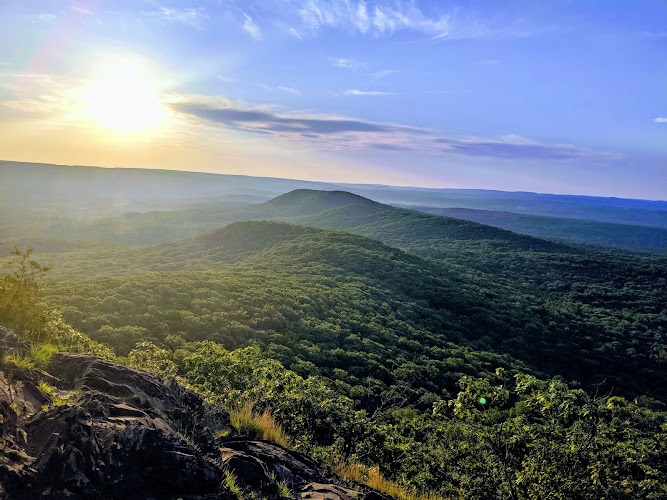
Mount Holyoke Range State Park
About Mount Holyoke Range State Park
Description
Mount Holyoke Range State Park is one of those places that somehow feels both wild and welcoming at the same time. Spanning roughly 3,000 acres, it’s a stretch of ancient lava rock ridges draped in dense New England forest, with trails that wind up, down, and around in ways that make you feel like you’ve stepped into a natural maze. The park’s 30 miles of hiking trails aren’t just for the hardcore adventurers—though you’ll find plenty of steep climbs if that’s your thing—they’re also dotted with gentler paths perfect for a slow afternoon walk or a family outing. I’ve been here on crisp autumn mornings when the leaves turned the hillsides into a patchwork quilt and on foggy spring days when the whole place felt like a secret only a few people knew about.
It’s not just about hiking, either. In winter, the same trails transform into routes for cross-country skiing and snowshoeing, and if you’ve never tried either, this is a forgiving place to start. There’s a certain quiet here in the colder months—snow muffles the sound, and even the wind seems to whisper instead of howl. Come summer, the shaded picnic areas and open fields make it easy to spend an entire day outdoors without feeling rushed. And yes, there are wheelchair-accessible entrances and parking, which makes it more inviting for a wider range of visitors. The park isn’t perfect—some areas can get muddy after heavy rain, and a few trails are more rugged than the maps suggest—but overall, it’s the kind of place that leaves you with more good memories than bad blisters.
Key Features
- Over 3,000 acres of preserved forest and lava rock ridges
- 30 miles of hiking trails ranging from easy to challenging
- Opportunities for winter sports like cross-country skiing and snowshoeing
- Wheelchair-accessible entrances and parking
- Picnic tables and public restrooms available
- Kid-friendly hiking options and open spaces
- Dog-friendly—leash required
Best Time to Visit
If you ask me, fall is the crown jewel here. The foliage is outrageously beautiful, and the cooler air makes those uphill climbs much more pleasant. But spring has its own charm—wildflowers, fresh green leaves, and that earthy smell after a rainstorm. Summer can get warm, but the tree cover offers a lot of natural shade, and it’s prime time for picnics. Winter is quieter and more peaceful, ideal for anyone who enjoys snow sports or just wants to see the ridges dressed in white. One thing to keep in mind: weekends in peak foliage season can get busy, so if you like a bit of solitude, aim for early mornings or weekdays.
How to Get There
Reaching the park is straightforward if you’re coming from nearby towns or cities—most GPS apps will guide you right to the main entrances. The drive itself can be part of the fun, especially if you take the slower, scenic roads that weave through small towns and farmland. Public transportation options are limited, so having a car makes the trip much easier. Parking is generally available near the main trailheads, though on sunny autumn weekends you might have to circle a bit before finding a spot.
Tips for Visiting
First off, wear good shoes. Even the easier trails can have roots and rocks waiting to trip you up. Bring water—more than you think you’ll need—because there aren’t many refill stations once you’re out on the trails. If you’re hiking in summer, bug spray is your best friend, especially near wooded and marshy areas. For winter visits, layers are key; the wind on the ridges can be sharper than you expect. If you’re bringing kids, there are a few shorter loops that are perfect for little legs, and if you’ve got a dog, remember the leash rule—it’s there for their safety as much as for wildlife protection.
One last thing: don’t rush. It’s tempting to try to “do it all” in one day, but part of the magic here is slowing down—stopping at a lookout, listening to the wind in the trees, or watching a hawk trace lazy circles overhead. The park rewards those who take their time.
Key Features
- Over 3,000 acres of preserved forest and lava rock ridges
- 30 miles of hiking trails ranging from easy to challenging
- Opportunities for winter sports like cross-country skiing and snowshoeing
- Wheelchair-accessible entrances and parking
- Picnic tables and public restrooms available
- Kid-friendly hiking options and open spaces
- Dog-friendly—leash required
More Details
Updated August 11, 2025
Table of Contents
Description
Mount Holyoke Range State Park is one of those places that somehow feels both wild and welcoming at the same time. Spanning roughly 3,000 acres, it’s a stretch of ancient lava rock ridges draped in dense New England forest, with trails that wind up, down, and around in ways that make you feel like you’ve stepped into a natural maze. The park’s 30 miles of hiking trails aren’t just for the hardcore adventurers—though you’ll find plenty of steep climbs if that’s your thing—they’re also dotted with gentler paths perfect for a slow afternoon walk or a family outing. I’ve been here on crisp autumn mornings when the leaves turned the hillsides into a patchwork quilt and on foggy spring days when the whole place felt like a secret only a few people knew about.
It’s not just about hiking, either. In winter, the same trails transform into routes for cross-country skiing and snowshoeing, and if you’ve never tried either, this is a forgiving place to start. There’s a certain quiet here in the colder months—snow muffles the sound, and even the wind seems to whisper instead of howl. Come summer, the shaded picnic areas and open fields make it easy to spend an entire day outdoors without feeling rushed. And yes, there are wheelchair-accessible entrances and parking, which makes it more inviting for a wider range of visitors. The park isn’t perfect—some areas can get muddy after heavy rain, and a few trails are more rugged than the maps suggest—but overall, it’s the kind of place that leaves you with more good memories than bad blisters.
Key Features
- Over 3,000 acres of preserved forest and lava rock ridges
- 30 miles of hiking trails ranging from easy to challenging
- Opportunities for winter sports like cross-country skiing and snowshoeing
- Wheelchair-accessible entrances and parking
- Picnic tables and public restrooms available
- Kid-friendly hiking options and open spaces
- Dog-friendly—leash required
Best Time to Visit
If you ask me, fall is the crown jewel here. The foliage is outrageously beautiful, and the cooler air makes those uphill climbs much more pleasant. But spring has its own charm—wildflowers, fresh green leaves, and that earthy smell after a rainstorm. Summer can get warm, but the tree cover offers a lot of natural shade, and it’s prime time for picnics. Winter is quieter and more peaceful, ideal for anyone who enjoys snow sports or just wants to see the ridges dressed in white. One thing to keep in mind: weekends in peak foliage season can get busy, so if you like a bit of solitude, aim for early mornings or weekdays.
How to Get There
Reaching the park is straightforward if you’re coming from nearby towns or cities—most GPS apps will guide you right to the main entrances. The drive itself can be part of the fun, especially if you take the slower, scenic roads that weave through small towns and farmland. Public transportation options are limited, so having a car makes the trip much easier. Parking is generally available near the main trailheads, though on sunny autumn weekends you might have to circle a bit before finding a spot.
Tips for Visiting
First off, wear good shoes. Even the easier trails can have roots and rocks waiting to trip you up. Bring water—more than you think you’ll need—because there aren’t many refill stations once you’re out on the trails. If you’re hiking in summer, bug spray is your best friend, especially near wooded and marshy areas. For winter visits, layers are key; the wind on the ridges can be sharper than you expect. If you’re bringing kids, there are a few shorter loops that are perfect for little legs, and if you’ve got a dog, remember the leash rule—it’s there for their safety as much as for wildlife protection.
One last thing: don’t rush. It’s tempting to try to “do it all” in one day, but part of the magic here is slowing down—stopping at a lookout, listening to the wind in the trees, or watching a hawk trace lazy circles overhead. The park rewards those who take their time.
Key Highlights
- Over 3,000 acres of preserved forest and lava rock ridges
- 30 miles of hiking trails ranging from easy to challenging
- Opportunities for winter sports like cross-country skiing and snowshoeing
- Wheelchair-accessible entrances and parking
- Picnic tables and public restrooms available
- Kid-friendly hiking options and open spaces
- Dog-friendly—leash required
Location
Places to Stay Near Mount Holyoke Range State Park
Find and Book a Tour
Explore More Travel Guides
No reviews found! Be the first to review!
Traveler Reviews for Mount Holyoke Range State Park
There are no reviews yet. Be the first one to write one.
Have you visited Mount Holyoke Range State Park? Help other travelers by sharing your review.
You Might Also Like

Groff Park

Kendrick Park
Beneski Museum of Natural History
Find Accommodations Nearby
Recommended Tours & Activities
Visitor Reviews
There are no reviews yet. Be the first one to write one.
Share Your Experience
Have you visited Mount Holyoke Range State Park? Help other travelers by leaving a review.