
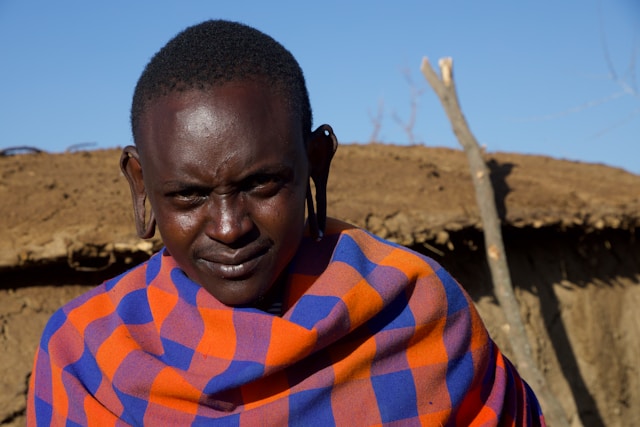
moorland safaris & Trekking
About moorland safaris & Trekking
Description
Moorland safaris and trekking aren’t the sort of experiences you rush through with a checklist and a loud guide shouting facts. They’re slower, quieter, and honestly a bit humbling. This is the kind of landscape that doesn’t try to impress you at first glance. It waits. And then, after an hour or two of walking through wind-brushed grass and open skies, it gets under your skin.
Moorlands stretch wide and stubborn, often sitting high above sea level, where weather changes its mind every fifteen minutes. One moment it’s sunlight glinting off dew, the next it’s mist rolling in like it forgot to ask permission. And that unpredictability is part of the charm. Travelers who choose moorland safaris and trekking are usually the ones who want more than photographs. They want stories. Mud on their boots. Silence broken by birds you can’t quite name.
These guided safaris aren’t about chasing wildlife in jeeps at high speed. Instead, they focus on respectful, low-impact exploration. Walking routes, slow-moving safari vehicles, and even short air taxi hops for aerial views (which, trust me, change your whole understanding of the terrain). The guides tend to be locals or long-time moorland obsessives. You know the type. People who can point at a patch of grass and tell you what grazed there last night.
I remember my first proper moorland trek. I thought I was reasonably fit. I was wrong. The ground looks flat, but it lies. Each step sinks just a little, and by the end of the day your legs feel like they’ve had a private argument with gravity. But somewhere between struggling uphill and sharing a thermos break with strangers who quickly became friends, I realized this was travel at its most honest.
Moorland safari operators usually run a mix of walking treks, guided wildlife safaris, family-friendly outings, and longer multi-day expeditions. Some days focus on birdlife, others on large grazing animals, and some simply let the landscape do the talking. Accessibility has also come a long way, with thoughtfully designed routes and facilities that welcome travelers of different abilities, which matters more than people admit.
And yes, it’s not perfect every single day. Weather cancels plans. Boots get wet. Occasionally, expectations need adjusting. But that’s part of the deal. Moorlands don’t perform on command, and that’s exactly why they feel real.
Key Features
- Guided moorland safaris led by experienced local guides with deep ecological knowledge
- Hiking and trekking routes ranging from gentle walks to challenging full-day treks
- Wildlife spotting opportunities including grazing mammals, rare birds, and seasonal species
- Optional air taxi experiences offering sweeping aerial views of the moorland terrain
- Family-friendly safari options with discounts for children and group bookings
- Wheelchair-accessible facilities including parking, restrooms, and seating areas
- Onsite amenities such as gender-neutral restrooms and sheltered rest stops
- Combination tours that blend walking safaris with bus or vehicle-based exploration
- Online appointment booking alongside in-person planning support
- Well-managed parking options, both free and paid, for flexible arrival
Best Time to Visit
The honest answer? There’s no bad time, just different moods. But if planning matters (and for most travelers, it does), late spring through early autumn tends to offer the most balanced experience. From May to September, the days stretch longer, wildlife activity increases, and trekking routes are more forgiving.
Spring brings a quiet kind of magic. New growth spreads across the moors, birds return in numbers, and the air feels sharp but hopeful. This is when photographers get excited, though they won’t always admit it out loud. Summer, on the other hand, is ideal for longer treks and family safaris. The weather behaves better, generally speaking, and guides can push farther without worrying about sudden closures.
Autumn is my personal favorite. And yes, I’m biased. The colors deepen, crowds thin out, and there’s a reflective quality to the landscape that makes you slow down. Wildlife is still active, and the cooler temperatures make hiking more comfortable. Just pack layers. Always pack layers.
Winter visits are possible, but they’re for travelers who don’t mind a bit of hardship. Some routes close, and safaris become more selective. But on a clear winter day, with frost on the grass and endless visibility, the moorland feels ancient. Almost defiant.
How to Get There
Getting to moorland safari and trekking areas usually requires a little planning, but nothing overly dramatic. Most travelers arrive by road, using a mix of highways and smaller rural routes. Bus tour agencies often run scheduled services from nearby towns, which is a surprisingly relaxed way to arrive. You can actually look out the window instead of stressing over directions.
For those short on time or craving a different perspective, air taxi services are available in some regions. It’s not just about speed. Seeing the moors from above helps you understand their scale and patterns, which then makes the ground-level trek feel more meaningful.
Once on site, transportation services typically handle movement between trailheads, safari zones, and visitor facilities. Parking is rarely an issue, with multiple options depending on your preference. Free lots, paid street parking, and on-site garages are usually well organized. And yes, they’re clearly marked, which I appreciate more than I probably should.
Appointments are often required, especially during peak seasons. It’s less about bureaucracy and more about protecting the landscape from overcrowding. Book ahead, and your future self will thank you.
Tips for Visiting
First things first. Footwear matters. I don’t care how good your sneakers look on social media. If they’re not waterproof and supportive, you’ll regret it by lunchtime. Moorland terrain is deceptive, and dry patches turn soggy without warning.
Dress in layers. Even if the forecast looks friendly, the wind has opinions of its own. A light rain jacket, thermal layer, and breathable top usually cover most conditions. And don’t forget sun protection. Yes, even when it’s cloudy.
Listen to your guide. This seems obvious, but you’d be surprised. They’re not just there for trivia. They know where wildlife tends to move, which paths are safe, and when weather shifts become risky. Trust them.
Families should take advantage of discounted safari options designed for kids. These tours focus on shorter routes, interactive learning, and plenty of breaks. I’ve seen kids go from bored to obsessed in under an hour, especially when wildlife makes an unexpected appearance.
Accessibility is well thought out, but it’s still smart to discuss specific needs in advance. Staff are generally accommodating, and planning ahead ensures the experience is enjoyable rather than stressful.
Bring snacks and water, even if the tour includes stops. Trekking burns energy fast, and there’s something comforting about eating a granola bar while staring at endless open land. Small pleasures count.
Finally, leave room for silence. Don’t fill every moment with chatter or phone screens. Moorland safaris and trekking reward patience and attention. Some of the best moments happen when nothing dramatic occurs at all. Just you, the wind, and a landscape that’s been doing its thing long before visitors showed up.
And if you leave a little tired, slightly muddy, and oddly refreshed, that’s a good sign. It means the moorland did its job.
Key Features
- Guided moorland safaris led by experienced local guides with deep ecological knowledge
- Hiking and trekking routes ranging from gentle walks to challenging full-day treks
- Wildlife spotting opportunities including grazing mammals, rare birds, and seasonal species
- Optional air taxi experiences offering sweeping aerial views of the moorland terrain
- Family-friendly safari options with discounts for children and group bookings
- Wheelchair-accessible facilities including parking, restrooms, and seating areas
- Onsite amenities such as gender-neutral restrooms and sheltered rest stops
- Combination tours that blend walking safaris with bus or vehicle-based exploration
More Details
Updated January 1, 2026
Table of Contents
Description
Moorland safaris and trekking aren’t the sort of experiences you rush through with a checklist and a loud guide shouting facts. They’re slower, quieter, and honestly a bit humbling. This is the kind of landscape that doesn’t try to impress you at first glance. It waits. And then, after an hour or two of walking through wind-brushed grass and open skies, it gets under your skin.
Moorlands stretch wide and stubborn, often sitting high above sea level, where weather changes its mind every fifteen minutes. One moment it’s sunlight glinting off dew, the next it’s mist rolling in like it forgot to ask permission. And that unpredictability is part of the charm. Travelers who choose moorland safaris and trekking are usually the ones who want more than photographs. They want stories. Mud on their boots. Silence broken by birds you can’t quite name.
These guided safaris aren’t about chasing wildlife in jeeps at high speed. Instead, they focus on respectful, low-impact exploration. Walking routes, slow-moving safari vehicles, and even short air taxi hops for aerial views (which, trust me, change your whole understanding of the terrain). The guides tend to be locals or long-time moorland obsessives. You know the type. People who can point at a patch of grass and tell you what grazed there last night.
I remember my first proper moorland trek. I thought I was reasonably fit. I was wrong. The ground looks flat, but it lies. Each step sinks just a little, and by the end of the day your legs feel like they’ve had a private argument with gravity. But somewhere between struggling uphill and sharing a thermos break with strangers who quickly became friends, I realized this was travel at its most honest.
Moorland safari operators usually run a mix of walking treks, guided wildlife safaris, family-friendly outings, and longer multi-day expeditions. Some days focus on birdlife, others on large grazing animals, and some simply let the landscape do the talking. Accessibility has also come a long way, with thoughtfully designed routes and facilities that welcome travelers of different abilities, which matters more than people admit.
And yes, it’s not perfect every single day. Weather cancels plans. Boots get wet. Occasionally, expectations need adjusting. But that’s part of the deal. Moorlands don’t perform on command, and that’s exactly why they feel real.
Key Features
- Guided moorland safaris led by experienced local guides with deep ecological knowledge
- Hiking and trekking routes ranging from gentle walks to challenging full-day treks
- Wildlife spotting opportunities including grazing mammals, rare birds, and seasonal species
- Optional air taxi experiences offering sweeping aerial views of the moorland terrain
- Family-friendly safari options with discounts for children and group bookings
- Wheelchair-accessible facilities including parking, restrooms, and seating areas
- Onsite amenities such as gender-neutral restrooms and sheltered rest stops
- Combination tours that blend walking safaris with bus or vehicle-based exploration
- Online appointment booking alongside in-person planning support
- Well-managed parking options, both free and paid, for flexible arrival
Best Time to Visit
The honest answer? There’s no bad time, just different moods. But if planning matters (and for most travelers, it does), late spring through early autumn tends to offer the most balanced experience. From May to September, the days stretch longer, wildlife activity increases, and trekking routes are more forgiving.
Spring brings a quiet kind of magic. New growth spreads across the moors, birds return in numbers, and the air feels sharp but hopeful. This is when photographers get excited, though they won’t always admit it out loud. Summer, on the other hand, is ideal for longer treks and family safaris. The weather behaves better, generally speaking, and guides can push farther without worrying about sudden closures.
Autumn is my personal favorite. And yes, I’m biased. The colors deepen, crowds thin out, and there’s a reflective quality to the landscape that makes you slow down. Wildlife is still active, and the cooler temperatures make hiking more comfortable. Just pack layers. Always pack layers.
Winter visits are possible, but they’re for travelers who don’t mind a bit of hardship. Some routes close, and safaris become more selective. But on a clear winter day, with frost on the grass and endless visibility, the moorland feels ancient. Almost defiant.
How to Get There
Getting to moorland safari and trekking areas usually requires a little planning, but nothing overly dramatic. Most travelers arrive by road, using a mix of highways and smaller rural routes. Bus tour agencies often run scheduled services from nearby towns, which is a surprisingly relaxed way to arrive. You can actually look out the window instead of stressing over directions.
For those short on time or craving a different perspective, air taxi services are available in some regions. It’s not just about speed. Seeing the moors from above helps you understand their scale and patterns, which then makes the ground-level trek feel more meaningful.
Once on site, transportation services typically handle movement between trailheads, safari zones, and visitor facilities. Parking is rarely an issue, with multiple options depending on your preference. Free lots, paid street parking, and on-site garages are usually well organized. And yes, they’re clearly marked, which I appreciate more than I probably should.
Appointments are often required, especially during peak seasons. It’s less about bureaucracy and more about protecting the landscape from overcrowding. Book ahead, and your future self will thank you.
Tips for Visiting
First things first. Footwear matters. I don’t care how good your sneakers look on social media. If they’re not waterproof and supportive, you’ll regret it by lunchtime. Moorland terrain is deceptive, and dry patches turn soggy without warning.
Dress in layers. Even if the forecast looks friendly, the wind has opinions of its own. A light rain jacket, thermal layer, and breathable top usually cover most conditions. And don’t forget sun protection. Yes, even when it’s cloudy.
Listen to your guide. This seems obvious, but you’d be surprised. They’re not just there for trivia. They know where wildlife tends to move, which paths are safe, and when weather shifts become risky. Trust them.
Families should take advantage of discounted safari options designed for kids. These tours focus on shorter routes, interactive learning, and plenty of breaks. I’ve seen kids go from bored to obsessed in under an hour, especially when wildlife makes an unexpected appearance.
Accessibility is well thought out, but it’s still smart to discuss specific needs in advance. Staff are generally accommodating, and planning ahead ensures the experience is enjoyable rather than stressful.
Bring snacks and water, even if the tour includes stops. Trekking burns energy fast, and there’s something comforting about eating a granola bar while staring at endless open land. Small pleasures count.
Finally, leave room for silence. Don’t fill every moment with chatter or phone screens. Moorland safaris and trekking reward patience and attention. Some of the best moments happen when nothing dramatic occurs at all. Just you, the wind, and a landscape that’s been doing its thing long before visitors showed up.
And if you leave a little tired, slightly muddy, and oddly refreshed, that’s a good sign. It means the moorland did its job.
Key Highlights
- Guided moorland safaris led by experienced local guides with deep ecological knowledge
- Hiking and trekking routes ranging from gentle walks to challenging full-day treks
- Wildlife spotting opportunities including grazing mammals, rare birds, and seasonal species
- Optional air taxi experiences offering sweeping aerial views of the moorland terrain
- Family-friendly safari options with discounts for children and group bookings
- Wheelchair-accessible facilities including parking, restrooms, and seating areas
- Onsite amenities such as gender-neutral restrooms and sheltered rest stops
- Combination tours that blend walking safaris with bus or vehicle-based exploration
Location
Places to Stay Near moorland safaris & Trekking
Find and Book a Tour
Explore More Travel Guides
No reviews found! Be the first to review!
Traveler Reviews for moorland safaris & Trekking
There are no reviews yet. Be the first one to write one.
Have you visited moorland safaris & Trekking? Help other travelers by sharing your review.
You Might Also Like

National Natural History Museum-ARUSHA
Lemboranisms tour and safaris
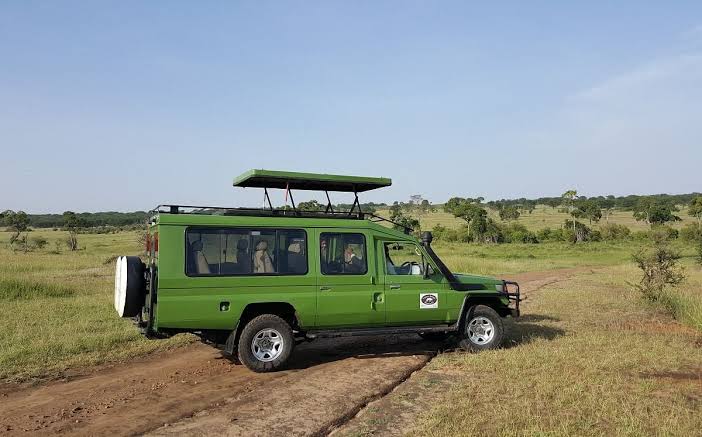
Tanzania Serengeti Adventure Ltd
Find Accommodations Nearby
Recommended Tours & Activities
Visitor Reviews
There are no reviews yet. Be the first one to write one.
Share Your Experience
Have you visited moorland safaris & Trekking? Help other travelers by leaving a review.